127af
Redefining the Common
New French Architecture
An Original Idea by New Generations
HEROS Architecture
From Stone to Structure
Belval & Parquet Architectes
Coming Soon
Carriere Didier Gazeau
Lessons from Heritage
a-platz
Bridging Cultures, Shaping Ideas
Rodaa
Practicing Across Contexts
Urbastudio
Interconnecting Scales, Communities, and Values
Oglo
Designing for Care
Figura
Figures of Transformation
COVE Architectes
Awakening Dormant Spaces
Graal
Understanding Economic Dynamics at the Core
ZW/A
United Voices, Stronger Impacts
A6A
Building a Reference Practice for All
BERENICE CURT ARCHITECTURE
Crossing Design Boundaries
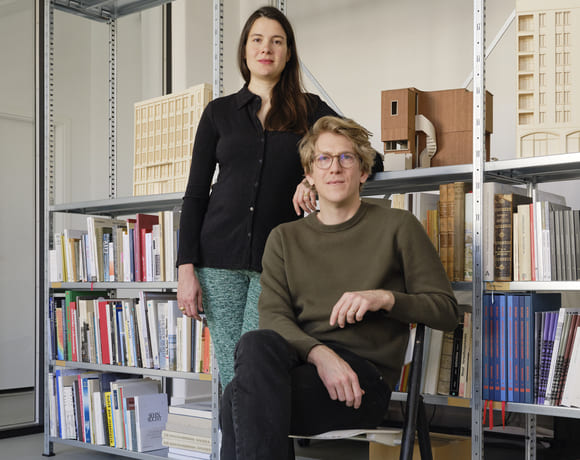
studio mäc
Bridging Theory and Practice
studio mäc
Bridging Theory and Practice
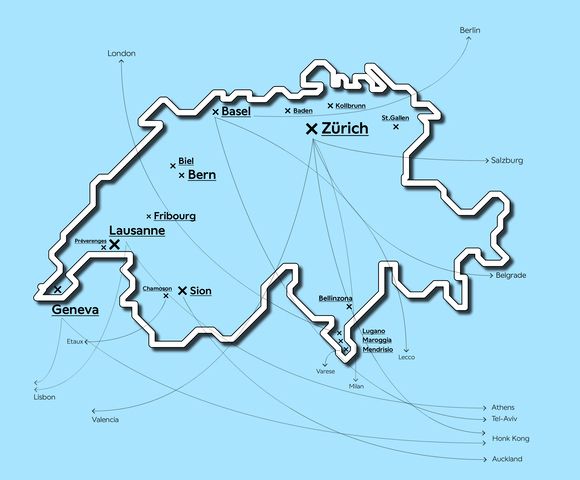
New Swiss Architecture
An Original Idea by New Generations
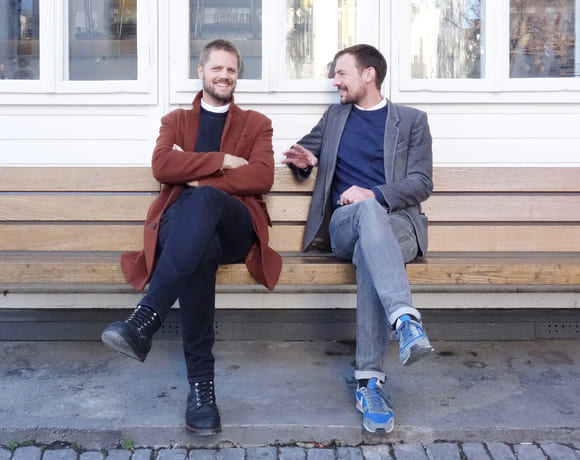
KUMMER/SCHIESS
Compete, Explore, Experiment
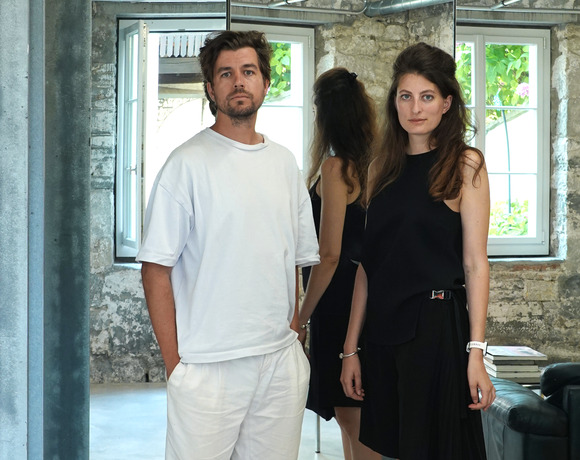
ALIAS
Stories Beyond the Surface
sumcrap.
Connected to Place
BUREAU/D
From Observation to Action
STUDIO ROMANO TIEDJE
Lessons in Transformation
Ruumfabrigg Architekten
From Countryside to Lasting Heritage
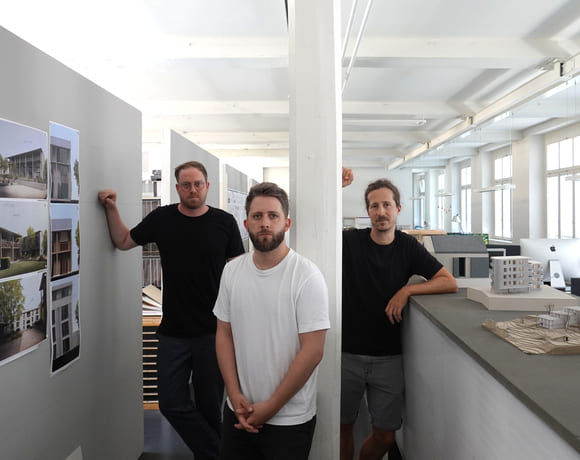
Kollektiv Marudo
Negotiating Built Realities
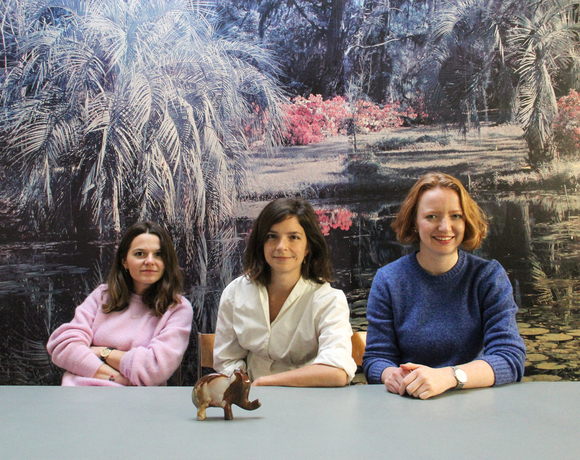
Studio Barrus
Starting byChance,Growing Through Principles
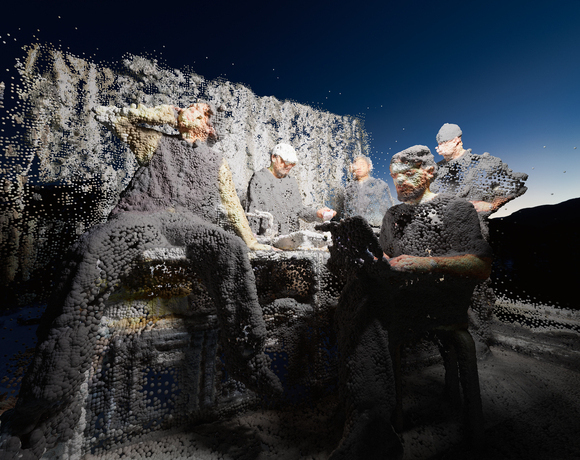
dorsa + 820
Between Fiction and Reality
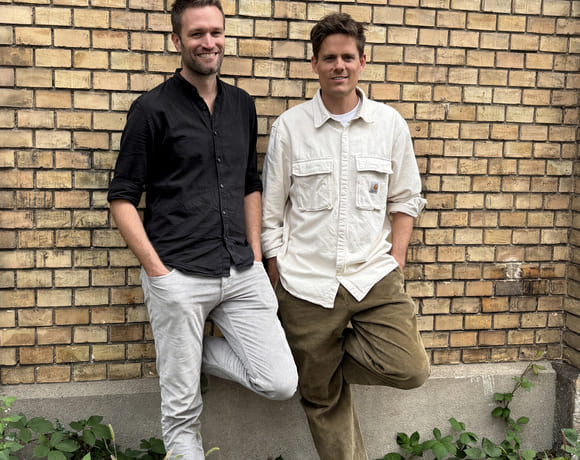
S2L Landschaftsarchitektur
Public Spaces That Transform
DER
Designing Within Local Realities
Marginalia
Change from the Margins
En-Dehors
Shaping a Living and Flexible Ecosystem
lablab
A Lab for Growing Ideas
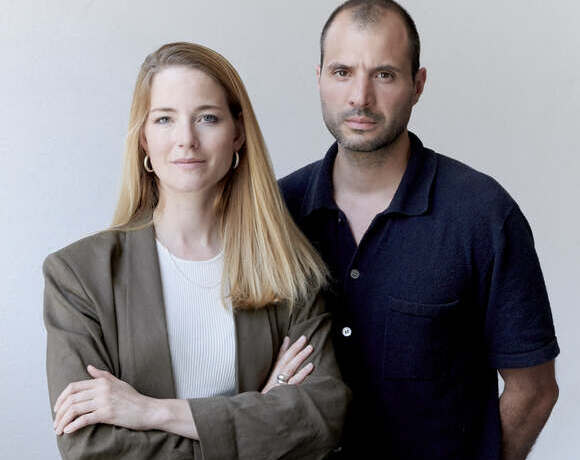
Soares Jaquier
Daring to Experiment
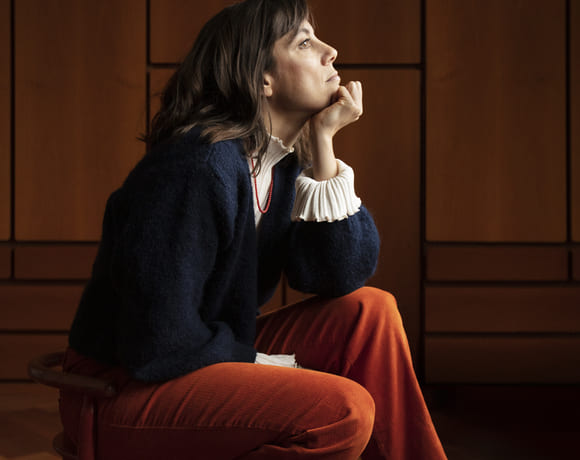
Sara Gelibter Architecte
Journey to Belonging
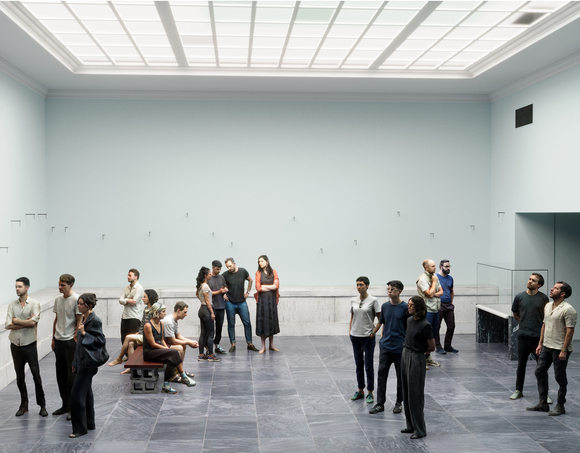
TEN (X)
A New Kind of Design Institute
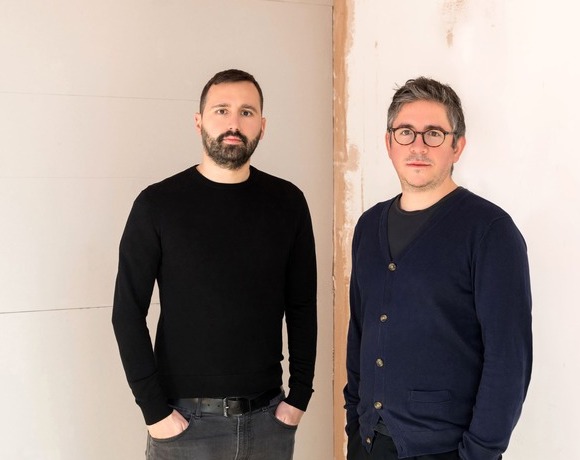
DF_DC
Synergy in Practice: Evolving Together
GRILLO VASIU
Exploring Living, Embracing Cultures
Studio â Alberto Figuccio
From Competitions to Realised Visions
Mentha Walther Architekten
Carefully Constructed
Stefan Wuelser +
Optimistic Rationalism: Design Beyond the Expected
BUREAU
A Practice Built on Questions
camponovo baumgartner
Flexible Frameworks, Unique Results
MAR ATELIER
Exploring the Fringes of Architecture
bach muĚhle fuchs
Constantly Aiming To Improve the Environment
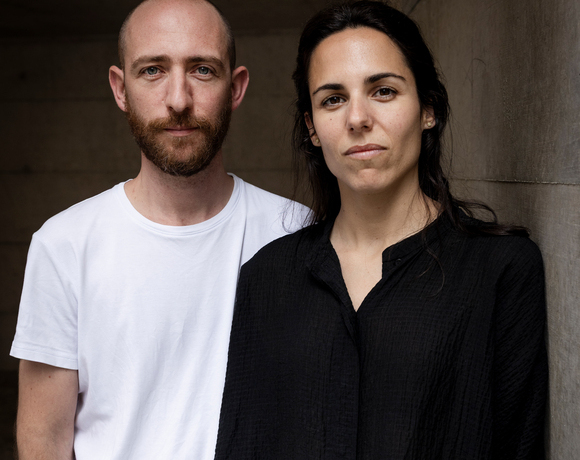
NOSU Architekten GmbH
Building an Office from Competitions
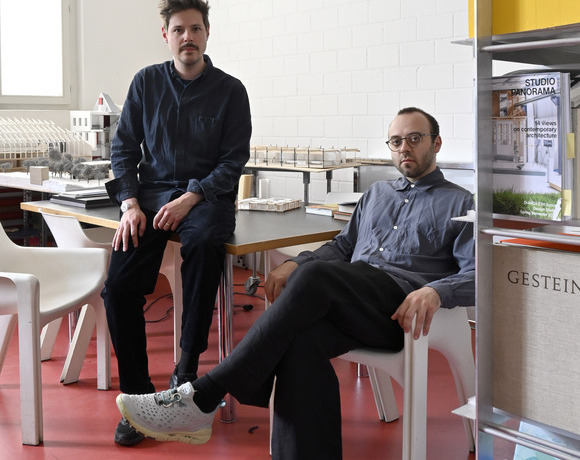
BALISSAT KAĂANI
Challenging Typologies, Embracing Realities
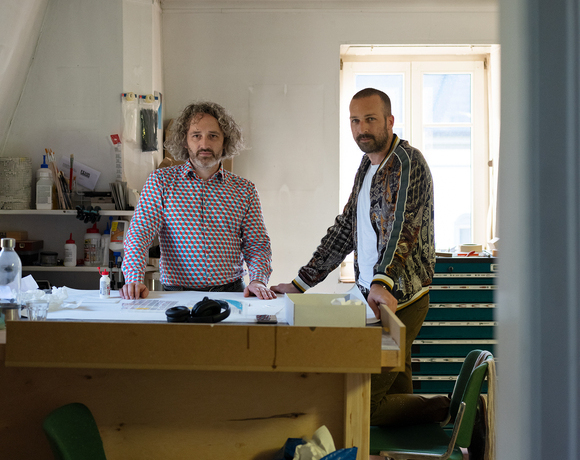
Piertzovanis Toews
Crafted by Conception, Tailored to Measure
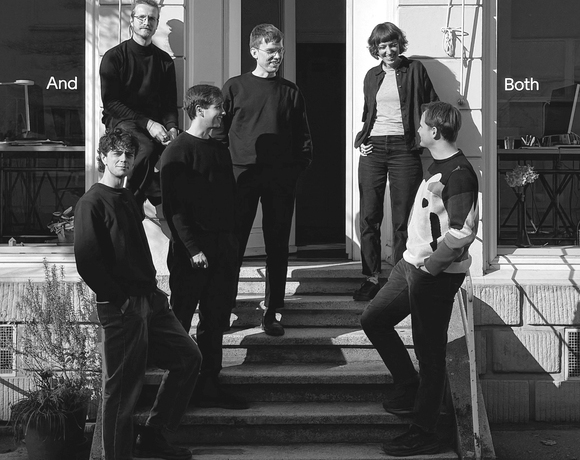
BothAnd
Fostering Collaboration and Openness
Atelier ORA
Building with Passion and Purpose
Atelier Hobiger Feichtner
Building with Sustainability in Mind
CAMPOPIANO.architetti
Architecture That Stays True to Itself
STUDIO PEZ
The Power of Evolving Ideas
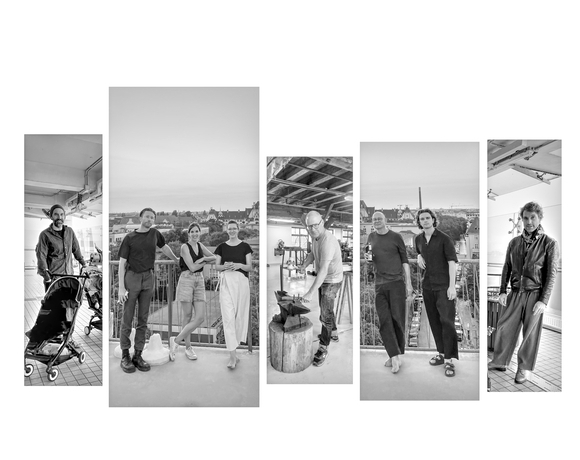
Architecture Land Initiative
Architecture Across Scales
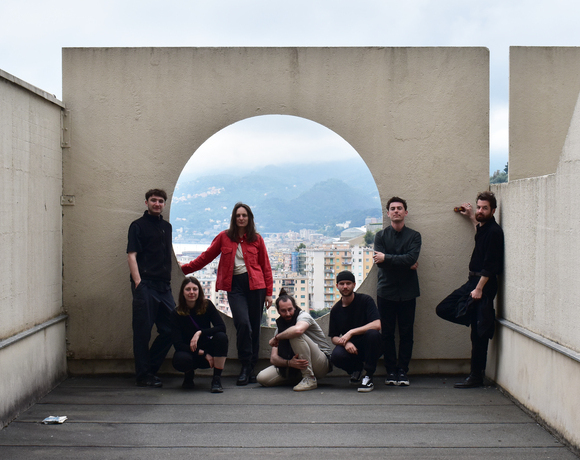
ellipsearchitecture
Humble Leanings, Cyclical Processes
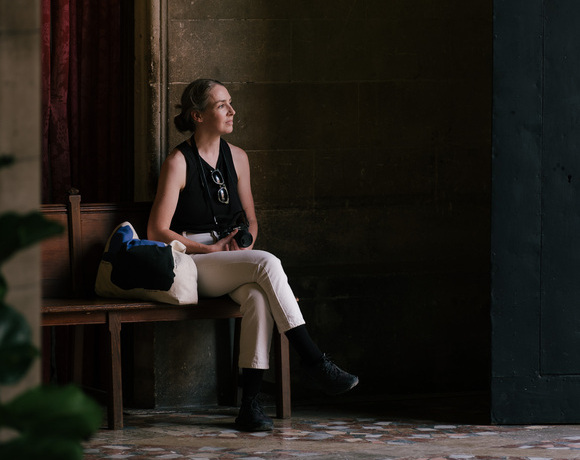
Sophie Hamer Architect
Balancing History and Innovation
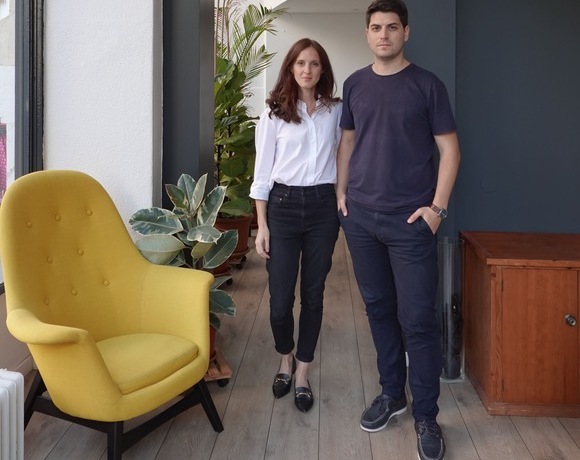
ArgemĂ Bufano Architectes
Competitions as a Catalyst for Innovation
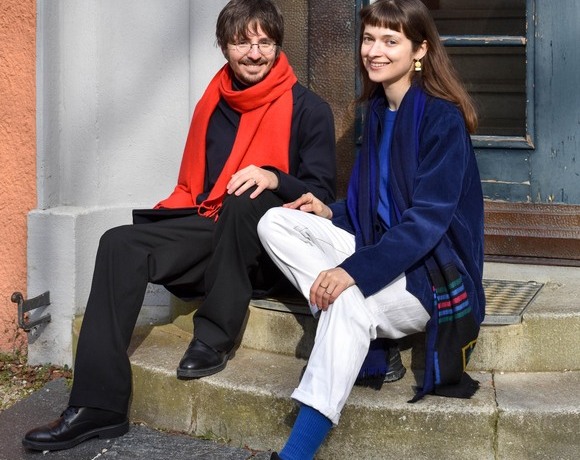
continentale
A Polychrome Revival
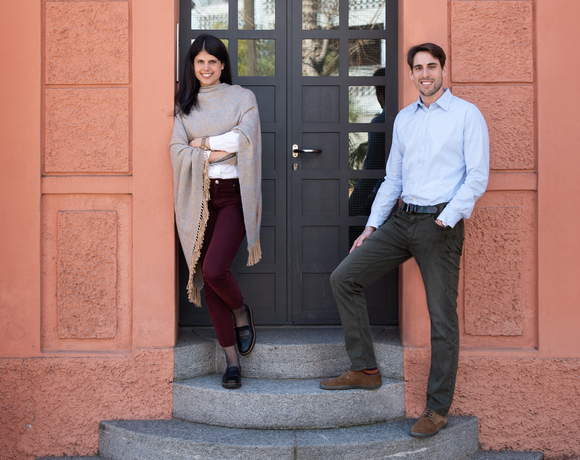
valsangiacomoboschetti
Building With What Remains
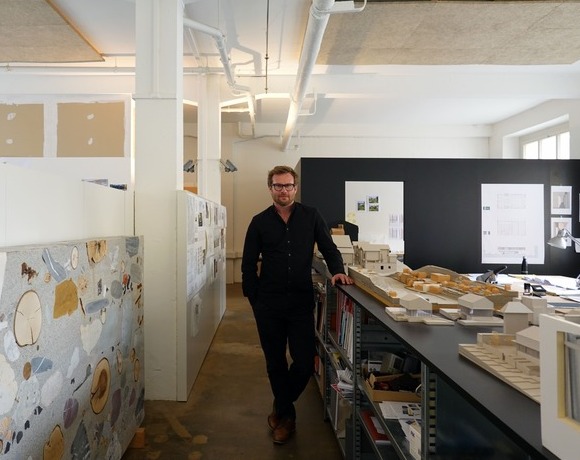
Oliver Christen Architekten
Framework for an Evolving Practice
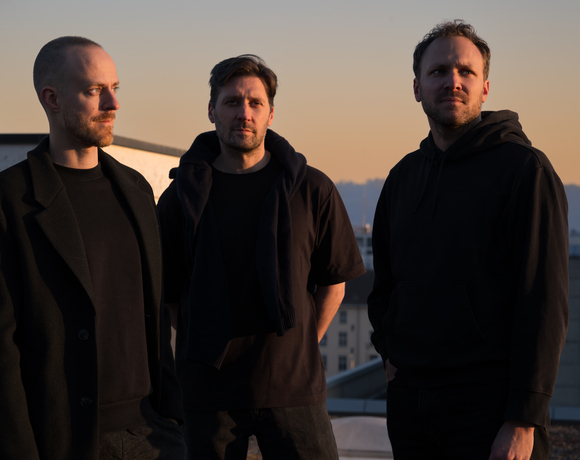
MMXVI
Synergy in Practice
Balancing Roles and Ideas
studio 812
A Reflective Approach to
Fast-Growing Opportunities
STUDIO4
The Journey of STUDIO4
Holzhausen Zweifel Architekten
Shaping the Everyday
berset bruggisser
Architecture Rooted in Place
JBA - Joud Beaudoin Architectes
New Frontiers in Materiality
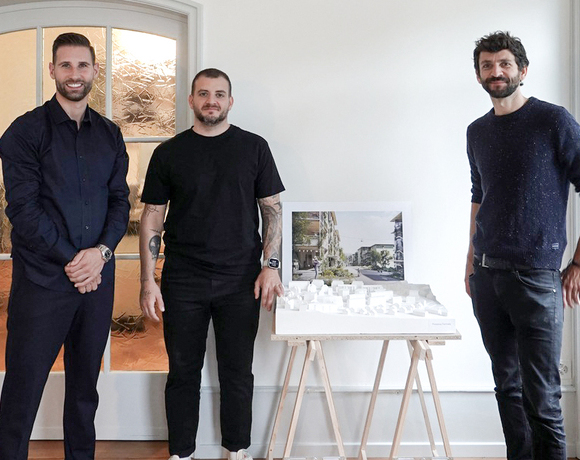
vizo Architekten
From Questions to Vision
Atelier NU
Prototypes of Practice
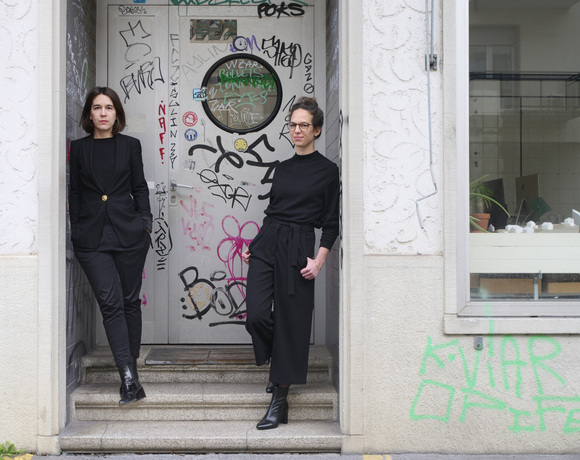
Atelier Tau
Architecture as a Form of Questioning
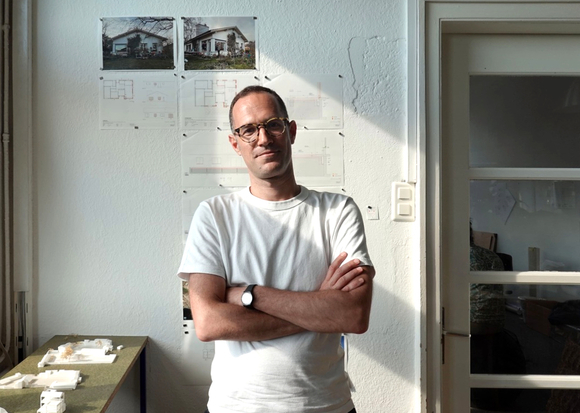
alexandro fotakis architecture
Embracing Context and Continuity
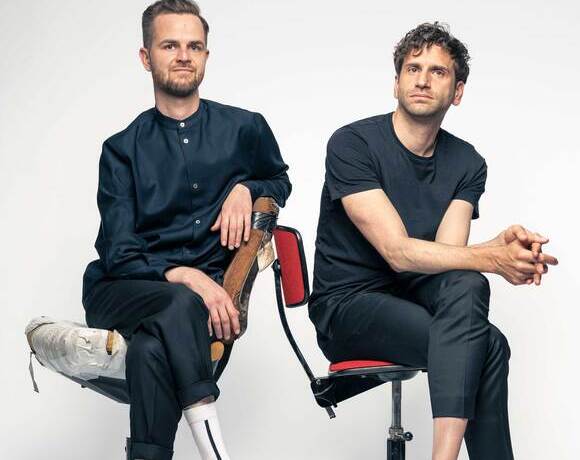
Atelier Anachron
Engaging with Complexity
studio jo.na
Transforming Rural Switzerland
guy barreto architects
Designing for Others, Answers Over Uniqueness
Concrete and the Woods
Building on Planet Earth
bureaumilieux
What is innovation?
apropaĚ
A Sustainable and Frugal Practice
Massimo Frasson Architetto
Finding Clarity in Complex Projects
Studio David Klemmer
Binary Operations
Caterina Viguera Studio
Immersing in New Forms of Architecture
r2a architectes
Local Insights, Fresh Perspectives
HertelTan
Timeless Perspectives in Architecture
That Belongs
Nicolas de Courten
A Pragmatic Vision for Change
Atelier OLOS
Balance Between Nature and Built Environment
Associati
âCheap but intenseâ: The Associati Way
emixi architectes
Reconnecting Architecture with Craft
baraki architects&engineers
From Leftovers to Opportunities
DARE Architects
Material Matters: from Earth to Innovation
KOMPIS ARCHITECTES
Building from the Ground Up
Fill this form to have the opportunity to join the New Generations platform: submissions will be reviewed on a daily-basis, and the most innovative practices will have the chance to be part of the media's coverage and participate in our cultural agenda, including events, research projects, workshops, exhibitions and publications.
New Generations is a European platform that investigates the changes in the architectural profession ever since the economic crisis of 2008. We analyse the most innovative emerging practices at the European level, providing a new space for the exchange of knowledge and confrontation, theory, and production.
Since 2013, we have involved more than 3.000 practices from more than 50 countries in our cultural agenda, such as festivals, exhibitions, open calls, video-interviews, workshops, and experimental formats. We aim to offer a unique space where emerging architects could meet, exchange ideas, get inspired, and collaborate.
A project by Itinerant Office
Within the cultural agenda of New Generations
Editor in chief Gianpiero Venturini
Team Akshid Rajendran, Ilaria Donadel, Bianca Grilli
If you have any questions, need further information, if you'd like to share with us a job offer, or just want to say hello please, don't hesitate to contact us by filling up this form. If you are interested in becoming part of the New Generations network, please fill in the specific survey at the 'join the platform' section.
Redefining the Common
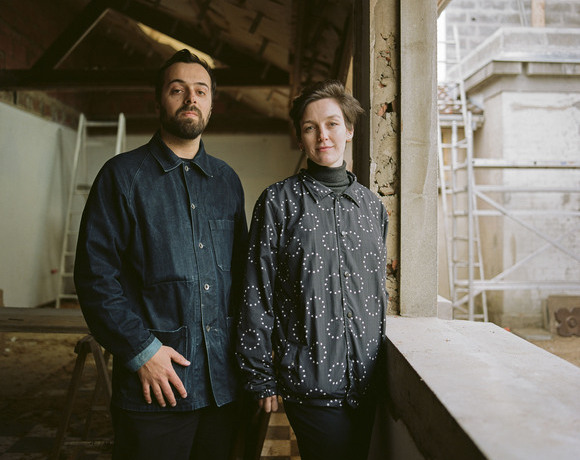
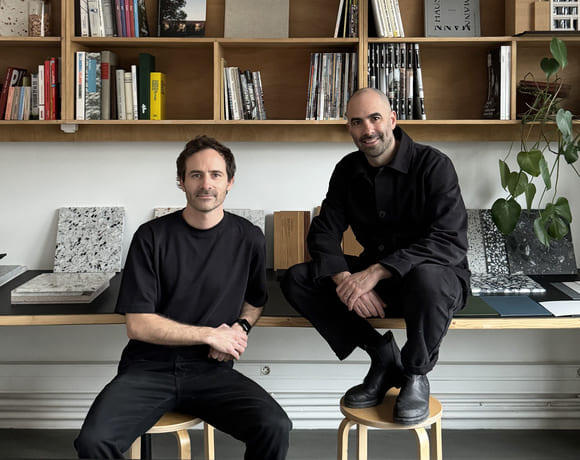
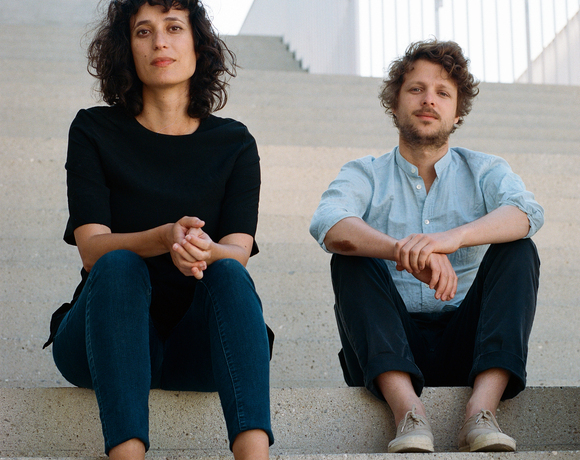
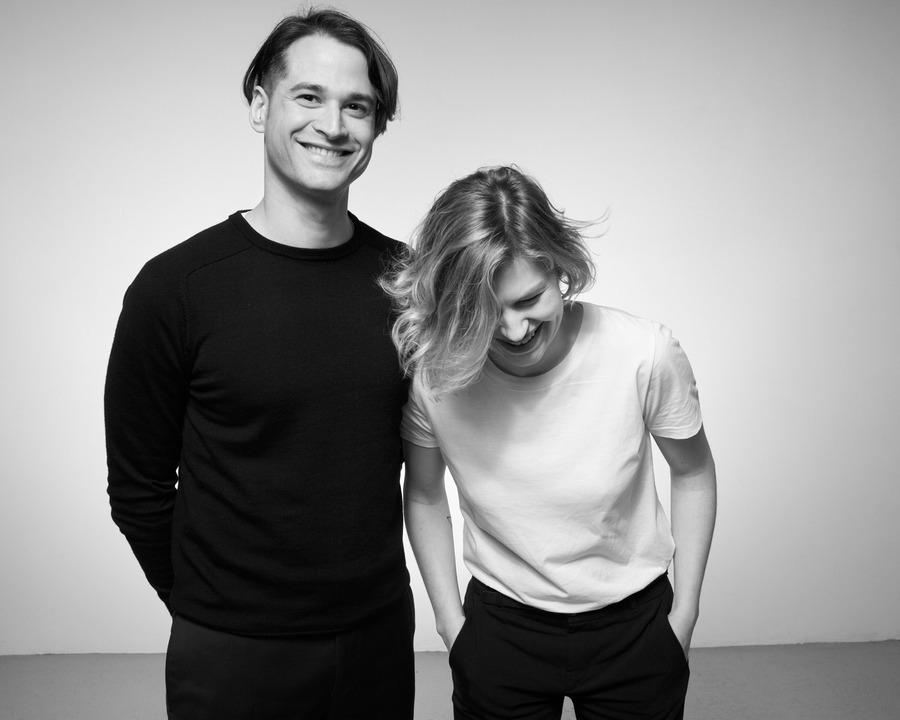
127af is an architecture studio based in Paris and founded by Deborah Feldman and Baptiste Potier. The practice develops a trans-scalar and ÂŤundisciplinedÂť practice, at the crossroads between anthropology, writing, design, carpentry, and architecture.
DF: Deborah Feldman | BP: Baptiste Potier
Adapting to a crowded field
BP: Most architecture schools in France are located in Paris and are producing hundreds of new architects each year. This contributes to the high number of architects in the city, but there isn't enough work for all of them. France operates in a highly centralised manner, which affects architecture as well. To navigate this, we seek projects outside Paris, where opportunities are more available. This also drives our approach of remaining flexible and open to different types of work.
DF: This context has shaped our strategy and identity as a practice. Early on, we saw the need to be agile, capable of working on various project scales and types. Sometimes, we take on projects without an obvious need for an architect, like designing furniture or carpentry, but we always approach them with architectural thinking. The density of architects in Paris pushes us to be resourceful, adapting and imagining new commissions.
BP: Paris has a rich historical background, which means strict regulations that limit major transformations. There are only a few empty plots available, so most work revolves around renovation. Our entry into the field followed this patternâstarting with furniture, which connected us to clients renovating homes and flats. This approach helped us establish a network and gain new clients over time.
DF: We are living and working in a city where multiple ideologies overlap. Urban planning regulations, heritage conservation, and environmental concerns all impose strict controls on architectural production. Thereâs increasing pressure to reuse existing buildings rather than develop untouched land. At the same time, Paris has a high demand for housing, creating tension between development and preservation. As architects, we operate between two scalesâsmall private renovations and large public housing projects, each requiring different references and credentials to access.
Seeing potential where others donât
BP: Iâm from Normandy, from the city of Caen, and I studied architecture in Paris, where I met Deborah.
DF: And I am from Bucharest, Romania. I earned my bachelorâs degree in architecture there before moving to Paris for my masterâs. Being outsiders in the Parisian context made things more challenging, as we lacked a personal network for commissions. Thatâs partly why we work in Normandy as wellâit allows us to explore different project typologies, such as larger houses and extensions, whereas in Paris, we mostly handle smaller-scale flats and homes in the outskirts.
We officially started working together in 2020, during COVID. It was a difficult time to launch an office since everything was shut down. Baptiste had previously worked independently, while I had experience in larger firms. When his projects began growing in scale, I joined him full time and decided to fund 127af.
BP: After architecture school, I didnât want to work for an office. Instead, I used my skills to do something hands-on, starting with furniture-making. I tried to approach the project unconventionallyâI told clients they would only pay for construction while I handled the design as I saw fit. This helped me build a client base. My first project was simply fixing a shower, but I treated it as a design opportunity, using zinc sheets inspired by Parisian rooftops. This philosophy still guides us todayâalways pushing beyond initial expectations.
DF: This illustrates our belief that no project is too small or uninteresting. As architects, our role is to uncover potential and add value, even when a project seems ordinary at first glance.
BP: There are two common ways to start an architecture practice: working in a firm for years and leveraging those references, or starting from scratch and gradually scaling up. We chose the latter. Deborah joined me as my projects expanded, and just as we fully committed, COVID hit, forcing us to adapt quickly.
An economy of means
DF: In private commissions, project opportunities often reflect socio-economic conditions. Without a personal network, we had to take on whatever work we could find. We saw an opportunity to bring architectural value to clients who might not typically work with architects, whether due to budget constraints or cultural perceptions. We evaluate projects based on three criteria: the project itself, the client, and the budget. To accept a project, at least two of these must be strong. It could be an exciting design challenge, a well-funded project allowing us to experiment, or an open-minded client who genuinely seeks our expertise.
BP: One project that fit two key criteriaâan open-minded client and an interesting conceptâwas a glass house extension we built in Normandy. It was an addition to a small stone house, and the client gave us complete creative freedom. Each meeting, we would propose several options, and he always chose the best one. The challenge was the extremely low budget, which forced us to be resourceful. We handled all the design and project management ourselves. Since hiring a full team was out of the question, I worked directly with a steelworker on-site. I guided him through every stepâmeasuring, ordering glass, coordinating laser-cut steel panels, and assembling everything ourselves. The entire construction process was managed between the two of us. It was an economical way to execute the project, though not necessarily reproducible.
DF: Economical for the clientâbecause you werenât paid to be on-site full-time. The budget was tight, but the project itself and the client made it worthwhile. Itâs an example of what weâre willing to do when we believe in a project and its outcome. This approach extends to our broader methodology. During the tender phase, we always request quotes from multiple contractors. If we select an expensive but highly skilled firm, the budget for architectural choices shrinks. Since weâre deeply invested in the quality of our projects, we often opt for the most affordable contractor to maximise what we can achieve. However, this means we end up working twice as hard, spending more time on-site to ensure quality. This experience has forced us to be more precise and aware of construction challenges. Since we donât always work with highly professional contractors, we have to be twice as vigilant.
BP: It ties back to our background in furniture-making. We think of projects as assembling components, whether at a small or large scale. This focus on materials and details leads us to consider where things come from, whether we can reuse materials, and how to create the most economical yet beautiful connections between them.
DF: We also handle cost management internally from start to finish. Each project is tracked in an evolving Excel file, allowing us to control expenses down to the smallest detail. Given the tight budgets we work with, this meticulous financial oversight is essential. Weâre always searching for the most cost-effective way to achieve a high-quality outcome, whether by reusing materials from past projects or sourcing supplies online.
Building trust, step by step
BP: In France, architects are often seen more as permit facilitators than expert designers. Clients frequently come to us with rigid ideas and expect us to execute them rather than contribute creatively. This differs from countries like Switzerland or Belgium, where architects have more influence. To counter this, we always present two versions: their initial idea and our proposal, demonstrating why our approach works better. This way, we donât just impose solutionsâwe show them. We also never give design suggestions on the first site visit. Architecture requires drawings and analysis. We study the space before making recommendations, emphasising that our expertise lies in envisioning possibilities beyond what is immediately visible.
DF: Even for small renovations, we create dozens of plan variations. A major part of our work is gaining the clientâs trust and proving the value of architectural thinking. It often feels like being a lawyerâbuilding a case to convince clients that thereâs a better solution than their original vision.
BP: A current project in Paris exemplifies this. The client wasnât initially convinced by our proposals, so we started demolitions without a finalised plan. Now, weâre marking layouts directly on the floor with tape, allowing her to walk through different options in real scale. This approach takes more time, but we believe it results in a project truly worth building.
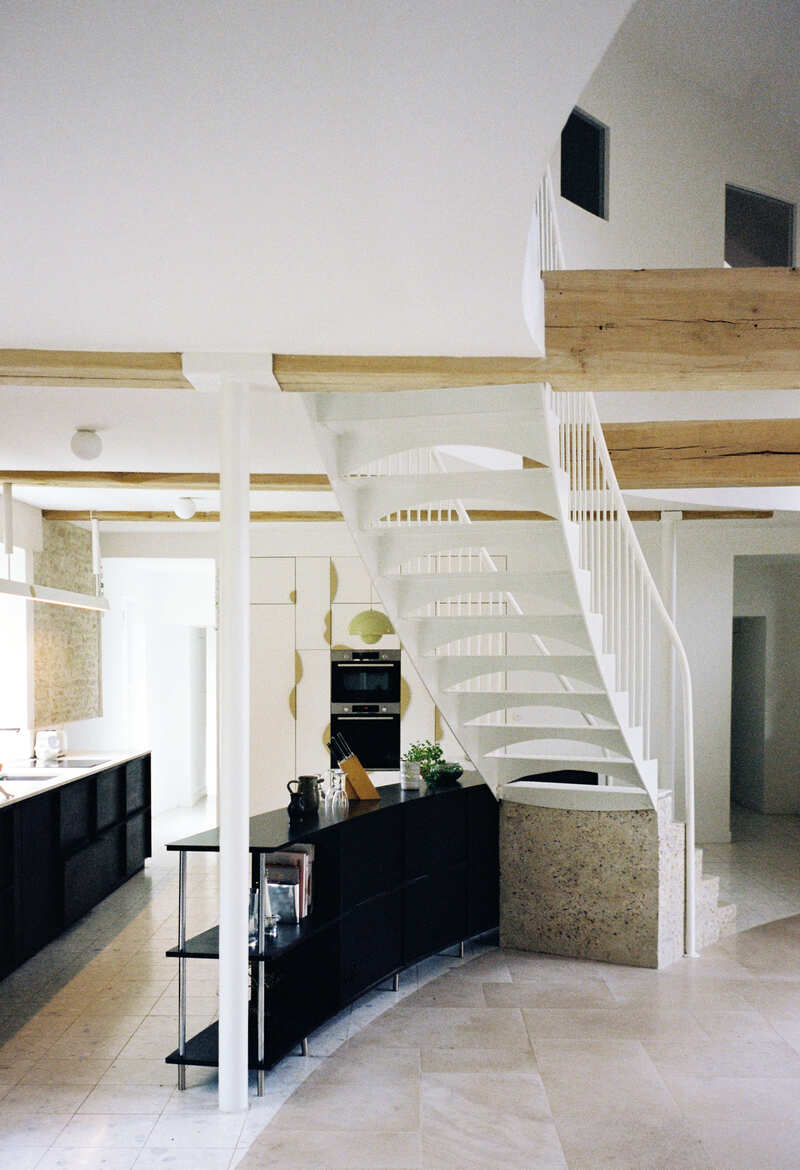
DF: We want to give clients with limited budgets access to thoughtful design. At the same time, we work to conceal the constraints of the process in the final aesthetics. Even when reusing materials, our projects donât adopt a DIY or rough-reuse aesthetic. Instead, reuse is simply part of making the project viableâit doesnât define the design language. For example, in a Normandy house renovation, we cut away half of the first floor to bring more light to the ground floor. This intervention wasnât the cheapest optionâit required structural changesâbut it was essential for the space and its liveability. To offset the cost, we selected more affordable materials elsewhere. Our projects never look like they were built on a limited budget, even when that is the case. We aim to create spaces that feel generous, not constrained by cost. The challenge is to elevate basic materials and make them exceptional. An architectâs value isnât necessarily in working with the most expensive materials, but in transforming industrial, mass-produced elements into something meaningful.
BP: This experience is also relevant as we take on larger-scale projects, like social housing. Public housing budgets are always tight, and the skills weâve developed with private clientsâworking within financial limits while creating high-quality spacesâtranslate directly to institutional projects. Weâre currently working on a social housing project in a small town in Normandy. The city council inherited a house and a limited budget for its transformation. When they sought quotes for a land surveyor, the cost was twice our entire diagnostic fee. The mayor was shocked, and in the end, we took on the survey ourselves, making the project feasible. By accepting roles beyond traditional architecture, we create our own commissions and secure meaningful projects.
DF: The city simply couldnât afford a surveyor, so we stepped in. Without that flexibility, the project might never have happened. This adaptability is a survival strategy for a young practice. It also helps us develop valuable skills that will be useful as we take on larger projects in the future.
Cross-disciplinary thinking in action
BP: We believe in working in a cross-disciplinary manner rather than specialising. I run a carpentry workshop; Deborah teaches and is working on a PhD. We take on diverse projectsâfurniture for clients, flat renovations, public commissions, and urban studies. Recently, we completed an urban research together with a fellow architect, Milena Charbit and the Parisian sanitation workers on what they named the âpoints noirsâ (translated as âblack spotsâ), which are vacant spaces in the urban fabric where residents throughout their old bulky furniture. The Points Noirs study was funded and published by the Pavillon de lâArsenal and was published in March 2023 (Points Noirs Anomalies rĂŠcurrentes de propretĂŠ, Ăditions du Pavillon de lâArsenal, March 2023). Writing and research are as much a part of our work as designing buildings.
DF: We love that every project presents a new challenge. We never want to do the same thing twice. Each project introduces a different method, a new collaboration, or a unique way of working. We engage with artisans and other professionals, constantly learning from them. The process is more important to us than the final product.
BP: Every aspect of our practiceâmaterial experimentation, research, writingâfeeds into our architectural work. Our goal isnât just to secure commissions but to explore ideas, whether through construction, publishing, or urban studies.
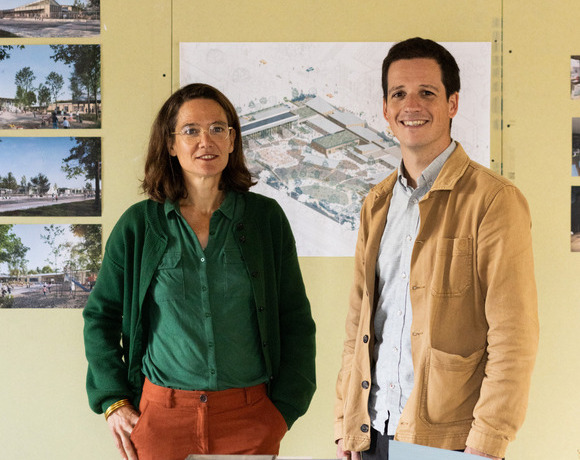
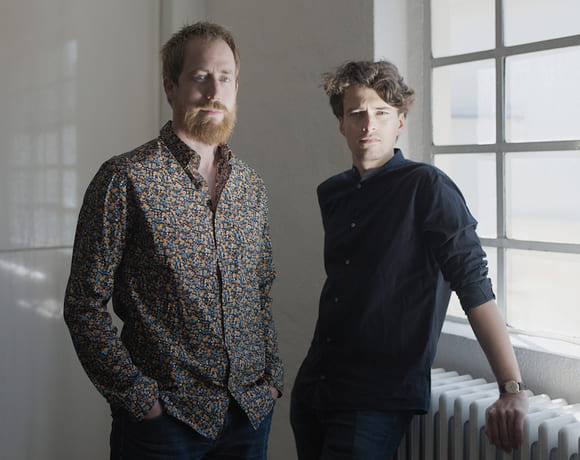
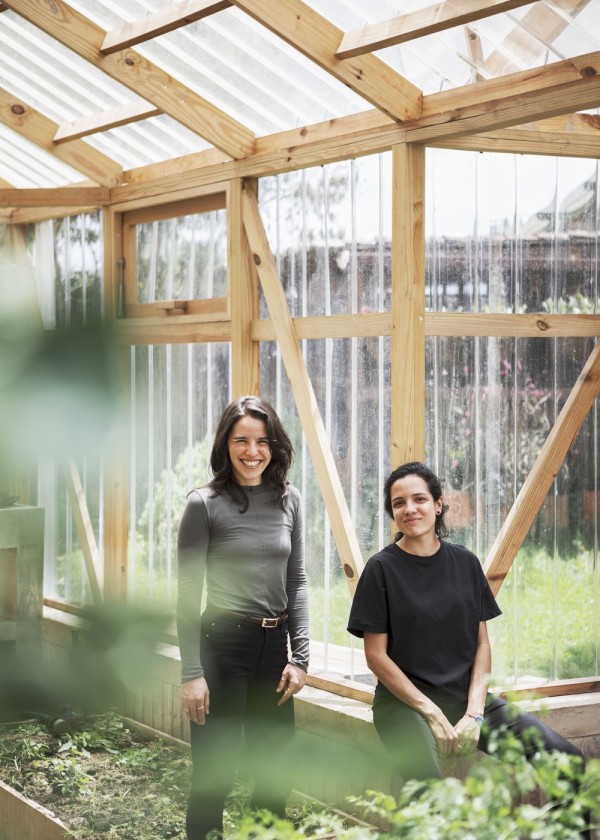
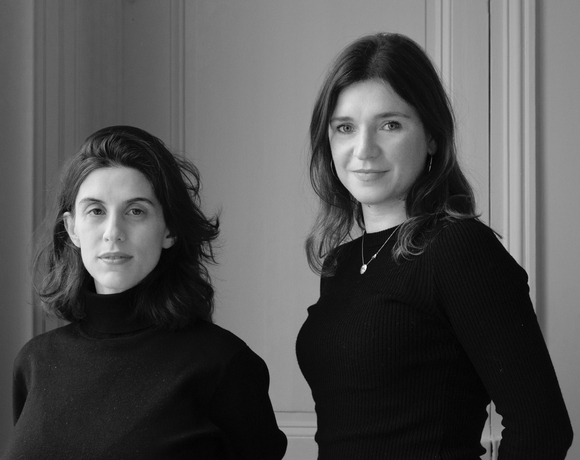
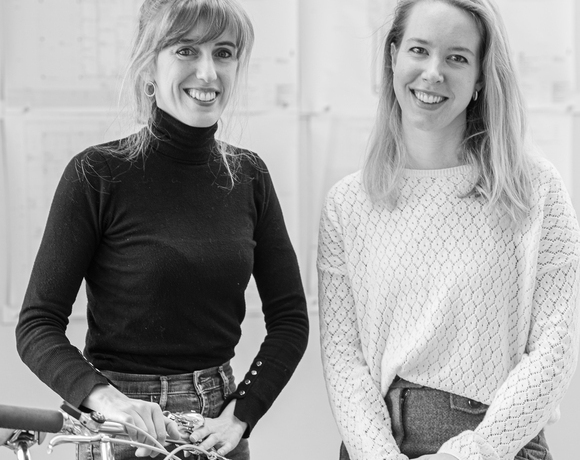
âĄď¸ 127af. Deborah Feldman, Baptiste Potier. Ph. Antoine Espinasseau
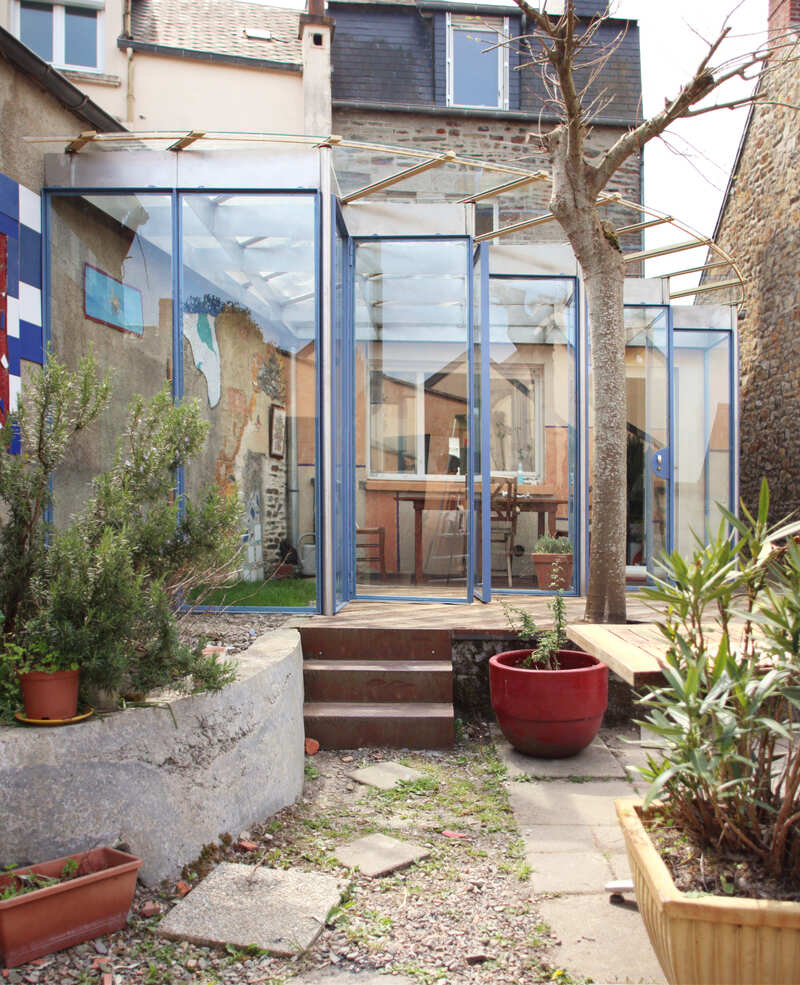
âĄď¸ Glass extension, Normandy. Ph. 127af
âĄď¸ Barn transformation, Amfreville. Ph. 127af
âĄď¸ Bean kitchen. Ph. 127af
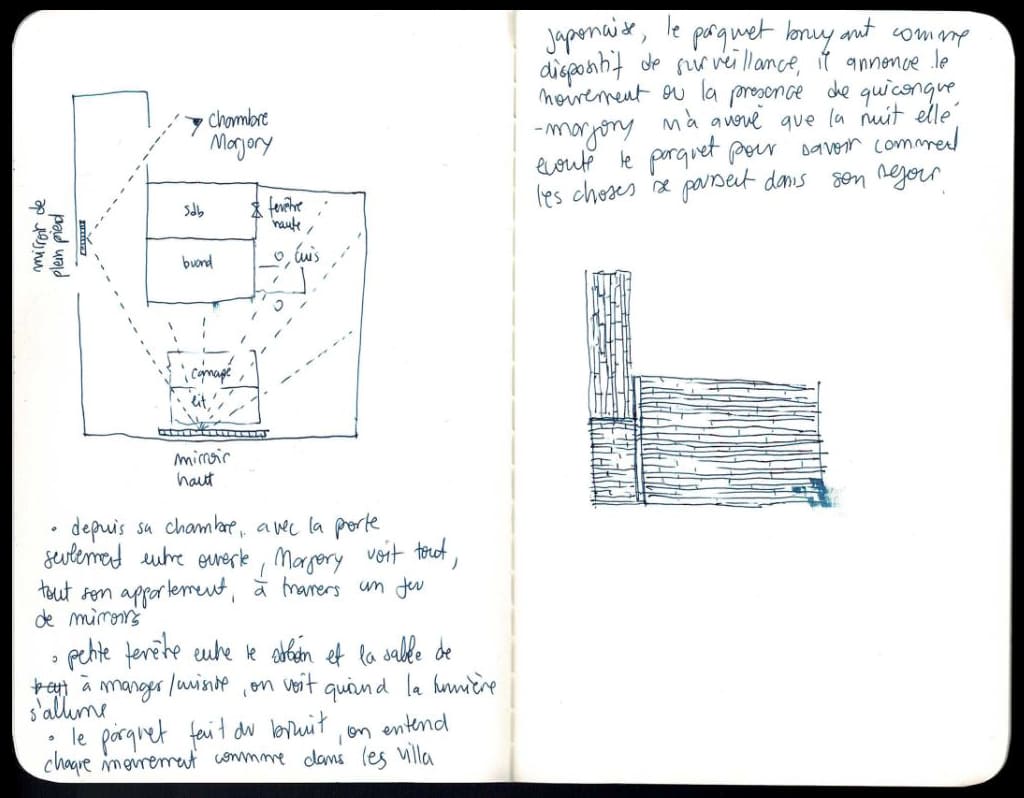
âĄď¸ Logeuse / field notes, Paris. Img. Deborah Feldman