Atelier
Paris + Lisbon

Rooted in Context, Situated at the Centre
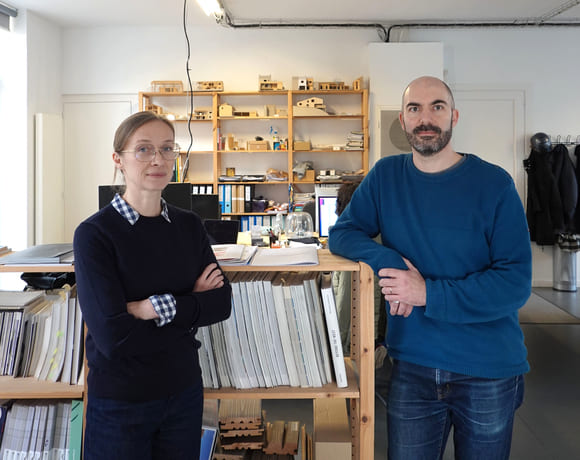
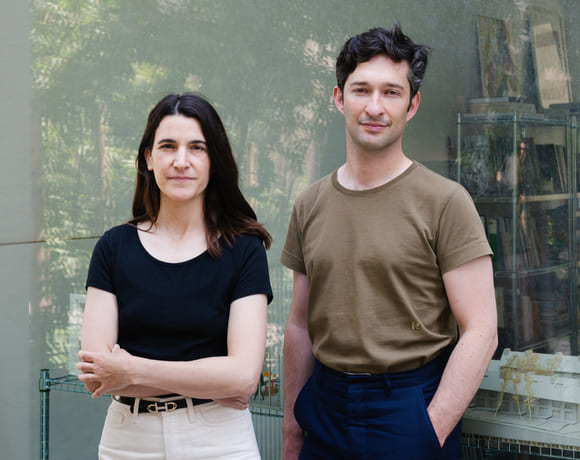
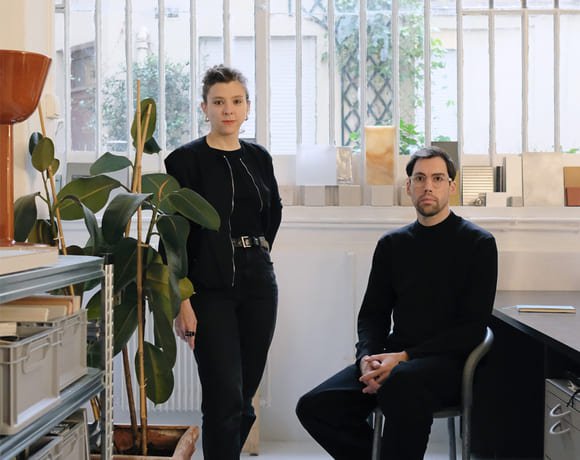
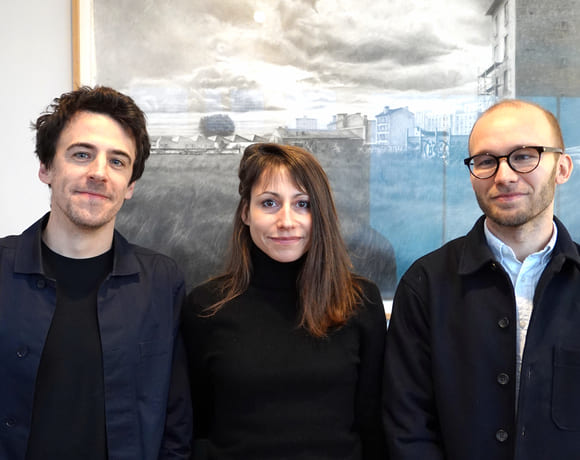
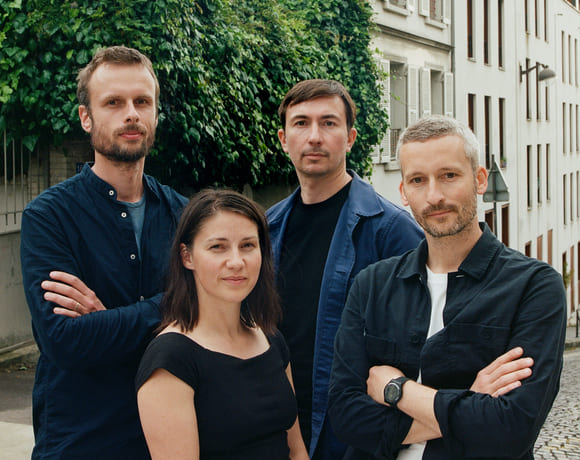
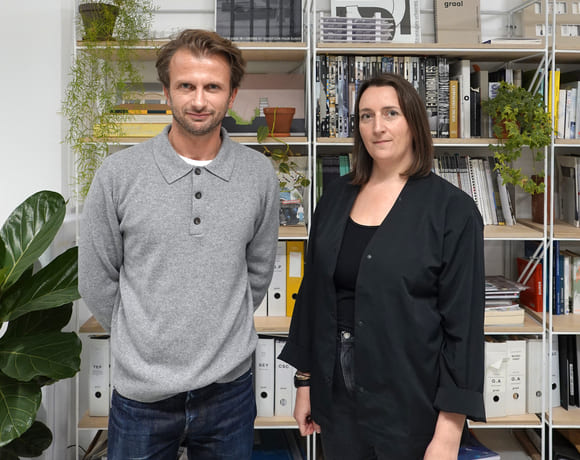
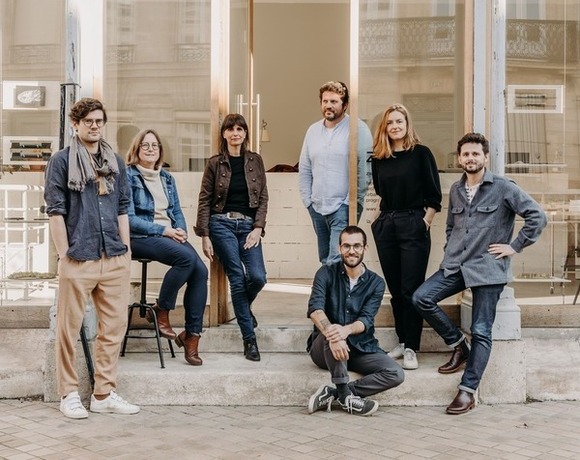
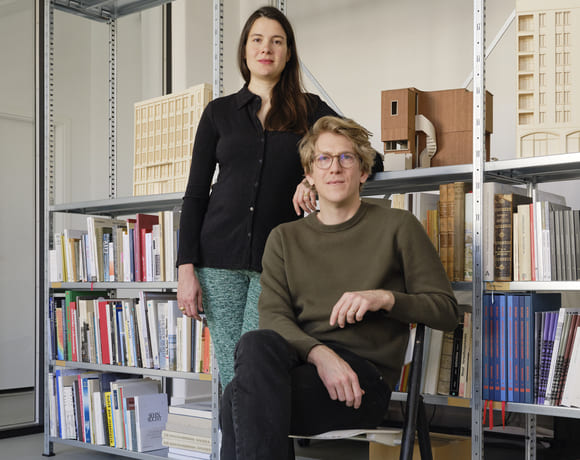
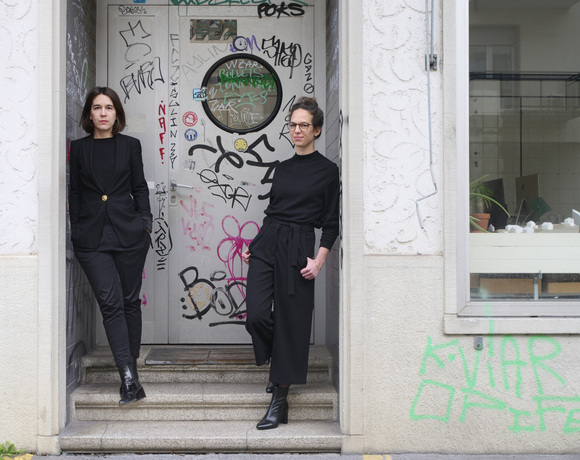
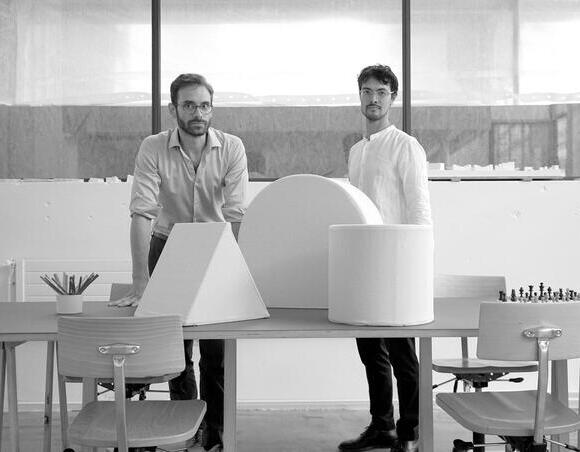
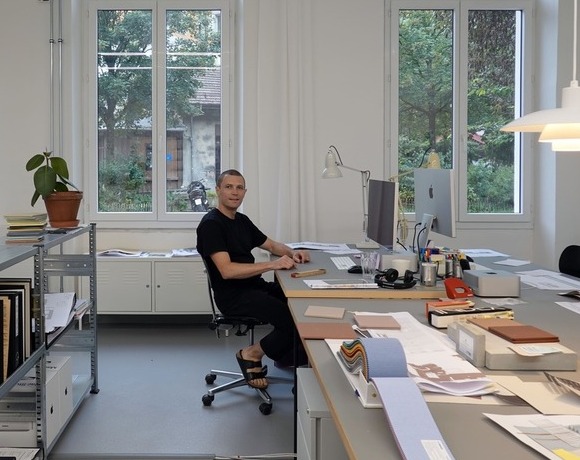
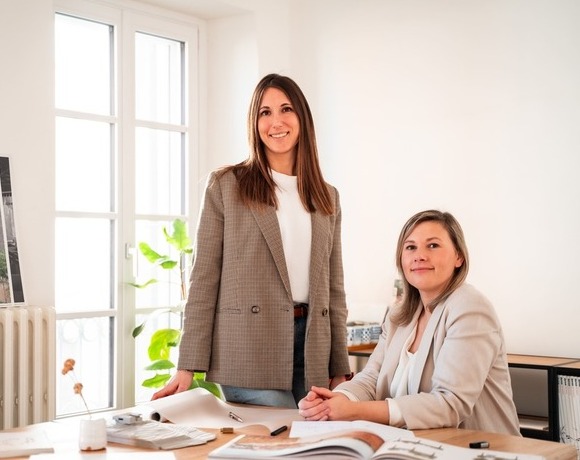
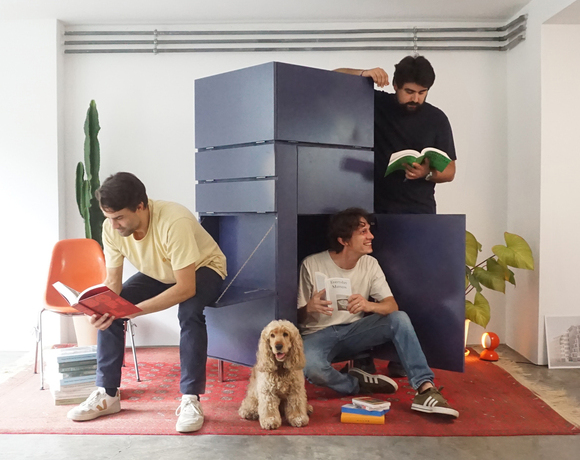
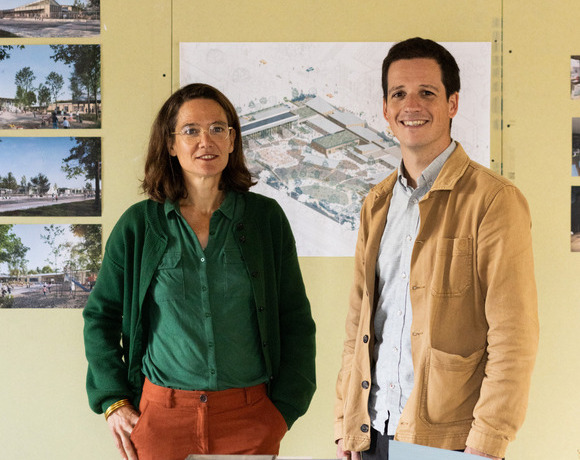
Atelier is a place for architectural reflection, exchange and experimentation, open to multidisciplinary collaborations. Based in Paris and Lisbon, they develop public and private projects in France and Portugal, spanning different scales, typologies and contexts. Conscious of their responsibility in shaping both collective memory, heritage and everyday life, they aim to create architecture that is rational and poetic, concrete and intuitive, logical and sensitive, timeless and transformative, silent, enduring and rooted in its context, architecture that responds to the specific conditions of each project while engaging with wider ecological and social challenges.

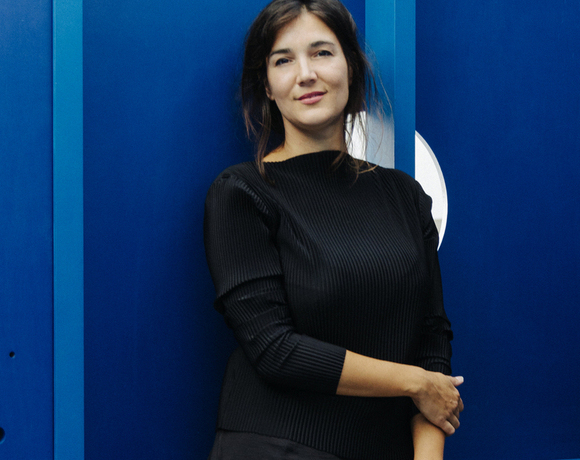
AB: Ana Belo


Cultivating change: ecology, community, and habitat

AB: France is undergoing a significant shift. Encouragingly, there is growing awareness of the need to fully embrace the ecological transition and reduce our carbon footprint. Evolving regulations are accelerating this change, which is both urgent and necessary. The challenge now is to adapt to these new conditions while continuing to produce quality architecture.

In parallel with this ecological awakening, and following the pandemic, we’re witnessing a decentralisation of architectural practice. Many young studios are setting up outside Paris, or working between the capital and their hometowns, often in more rural settings. This kind of dual practice is becoming more common. Architects are particularly attuned to the limitations of urban living, especially the lack of outdoor space, a reality the pandemic brought sharply into focus. It seems that many architects are reconnecting with their roots and looking beyond the urban centre, where new possibilities are emerging.

Regarding the opportunities for architects working in the city, I would identify two key areas of architectural practice. First, public commissions. In France, architectural competitions are not fully open: you apply with your references and credentials, and only three or four teams are shortlisted. There is still substantial investment in public buildings, like social housing, schools, kindergartens, and other community facilities, and more recently in their renovation, which is a strong aspect of the French system. It is difficult to break into this sector because you need experience with these projects to be selected for the competitions, but increasingly, competitions require teams of multiple architects. Pairing smaller firms with larger ones is becoming a common way for younger practices to enter the field. The second key area is flat renovations. Due to the city’s density, there is a growing trend of people hiring architects for the refurbishment of small flats, typically ranging from 30 to 100 square metres. While it is still possible to renovate without an architect, more people now recognise the value architects bring.


A nomadic path that ends in Paris

AB: I studied in Lisbon, and like many in my generation, my Erasmus year sparked a desire to explore and see how architecture is practised abroad. After finishing my studies, I started working in Portugal with my first university professor. That experience was crucial: it was my first encounter with the world of architecture in practice, which has grounded me and shaped my approach. The first years of school and work were incredibly important in becoming the architect I am today. But I was eager to learn more, to connect architecture with humanitarian work, to explore the world and a country that had deeply moved and fascinated me. That is how I came to go to Ahmedabad, in India, to work in an NGO led by Balkrishna Doshi, who in 2018 was the first Indian architect to receive the Pritzker Prize. It was a very intense experience, and I soon realised that beyond architecture, the cultural differences were too intense for me to settle there, and I decided to come back to Europe, specifically France.

I had been dreaming of Paris, more for the city itself than for any specific architectural practice. However, beyond my affection for the city, there were many work opportunities, and I soon realised that the system of public commissions offered exciting prospects to continue working here. After some years, I went abroad again, spending one year in Brussels, drawn by the quality of practices there, and then to London. In Portugal and France, I had primarily worked on public commissions, but in London, I joined a very interesting practice to work on a private house project, which was a completely new experience for me. It was a valuable shift in scale. The house, in central London, was for a couple of art curators. An incredibly rewarding project because they truly understood the importance of our work. We had the time and budget not just for construction, but for developing the project in depth. We built full-scale models, designed intricate details, and engaged in extensive discussions with the clients, allowing the project to evolve organically.

I sometimes say the process of an architectural project is like an “e”: it moves forward, then back, sometimes returning to the same point. Life can be like that, too. Ultimately, I felt that Paris and its practice aligned more with who I am. I have always aimed to work on public commissions. As an architect, I truly believe our work has a profound impact; it can genuinely change lives, for better or worse. Our responsibility is to ensure it is always for the better. Perhaps it is a romantic view, but it is how I approach architecture. Whether designing a school, social housing, or even a private house, I take that responsibility very seriously. But I have to say I feel more comfortable working on public projects, like schools, social housing or cultural facilities, where we can bring quality to people who might not otherwise have access to it. These are the projects that allow us to make a broader and more meaningful contribution. 


"Atelier": designing within constraints

AB: I believe architecture is a response, at once critical, poetic and timeless, to a set of specific conditions and constraints: a defined place, an existing landscape, a particular programme, a determined client or passers-by, a given social, economic and environmental context. Given that construction accounts for 30 to 40% of global carbon emissions, this last constraint has become a crucial one. As architects, we must take our responsibility. Architecture and construction don’t just change lives; they also shape the environment. It is our responsibility to anticipate challenges and act before society fully catches on.  We’re in the midst of a paradigm shift, and the challenge lies in adapting to these new conditions while still creating quality architecture. There are many new regulations, and no one fully understands how to navigate them yet. We can no longer construct entirely in concrete, and we’re being pushed back toward almost vernacular building techniques, but in new contexts, with different heights and programmes. Every paradigm shift brings challenges. When steel and concrete first emerged, we rushed into using them in ways that, in hindsight, weren’t always ideal. Today, for example, we see a rise in timber-frame facades, but there are still few materials we can use for exteriors.

Another issue, not only in architecture but in life more broadly, is that time has become a rare commodity. There is constant pressure to optimise, to go faster, and architecture is no exception. There is less time to develop a project, less time to build it. New tools claim to streamline the process, but often leave us with less and less of the one thing we need most: time to hear, to explore, to think, to feel and to design consciously. The design process is one of the most interesting aspects of a project. If you’re designing a school, for example, it’s crucial to visit some, to meet with teachers and listen to what they have to say, to interpret and translate their wishes into architecture. We have to respond to real needs, to people, to society, and, of course, to financial constraints. Time is necessary, not just for dialogue but for experimentation. Personally, I don’t know exactly what architecture is, but I know how I work. I need to test ideas, explore alternatives, and sometimes return to an earlier idea with a fresh insight. Unfortunately, we have less and less time for this process, and I think that is a shame. Even during construction, flexibility is key. Today, everything is so procedural—once a project is signed off, any change adds costs, making it difficult to adapt.

In vernacular architecture, buildings were constructed day by day, responding organically to real conditions. Many of the best examples in architectural history were created by anonymous builders—there was an intuitive, collective way of making things. That is why I chose the name ‘Atelier’ for my practice. For me, it represents that idea—something collaborative, something that could be anonymous. In an ideal world, my work wouldn’t be about a name. It would simply be a background where people feel good, where they live their lives without questioning whether a building is new or if it has always been there.


Building: an act of responsibility

AB: I’ve lived and worked in different countries, and ultimately, I feel that working in India or France isn’t that different. What remains central in every context is the need to observe, to listen, and to understand the history of where we are building. I always begin by studying and looking carefully at where we are intervening. Even when a site appears empty, there is already something there: the atmosphere, the surrounding landscape, the neighbourhood, the people, the passers-by. There is always a context: physical, historical, and social, that must be acknowledged. Whether we are building in Europe or further afield, this act of reading and responding to the site remains essential. Who lives nearby? Who will use this building now, and who might use it in fifty years? Architecture should be capable of enduring, both physically and culturally. Think of the Haussmannian buildings in Paris or the downtown halls of Lisbon, rebuilt after the eighteenth-century earthquake. At the time, their uniformity was criticised. People found them too similar, too rigid. Yet today, they are lived in and lived with: they house doctors, architects, kindergartens. These buildings have proven adaptable over time. There is a kind of quiet strength in that—an approach that embraces durability over spectacle.

I worked on a project on Pico Island in the Azores, and it was fascinating to see how different things were. The project involved the renovation of five small rural houses, and at first, I thought, ‘How can I preserve them without destroying what’s already there?’ Building with stone is much cheaper than concrete. They have plenty of it, and there is still local knowledge of how to use stones. But at the same time, if we wanted to add tiles to the roof, we had to have them shipped from the mainland by boat, which would take more time and money. Concrete blocks aren’t used because of the humidity, so they use a special kind of concrete made locally. I learned a lot just by talking to people, not just builders but locals. You realise that while the methods are different, the core of it remains the same: understanding the local resources. Wherever we build, there’s always something before, and whatever you build, you leave something behind.


A true-to-conviction approach

AB: Before founding Atelier, I had worked in practices mostly on public buildings or projects with developers, so I was not used to working closely with private clients. Sometimes it is not easy, but it is also fascinating, because you end up becoming almost like a psychologist. You are stepping into the intimate world of a family or individual.

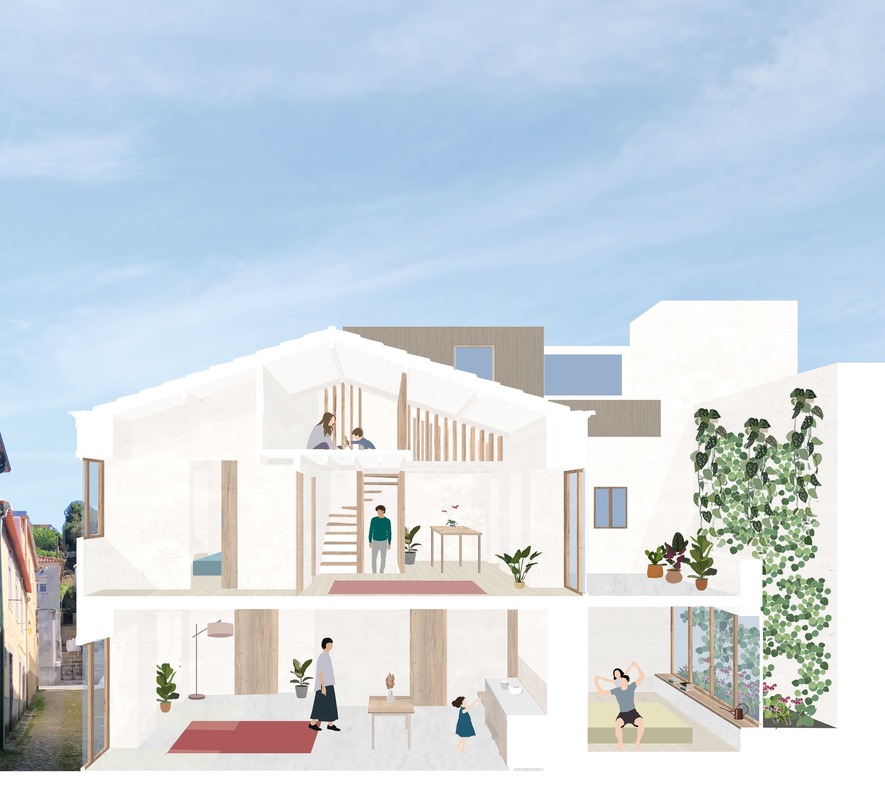
Recently, I was working on the refurbishment of small rural houses in the north of Portugal. The clients were my godparents—close family friends. It was very challenging and at the same time formative to become the adviser in front of people who have known me since I was born. It was interesting to enter their intimacy, to understand more closely how they live. That is often the challenge when working on this kind of small-scale project, where you design the kitchen or the detail of where they put their toothbrush. It is about how to combine your knowledge as an architect with their wishes, to then translate those into architecture.

The contrast between small and large projects is interesting. In larger ones, I often feel there isn’t enough time or resources to focus on the finer details, such as furniture design. When clients ask whether I’m an interior designer or an architect, I explain that everything is part of a holistic process. Beyond the question of scale, architecture has a strong multidisciplinary side, bringing together structural engineers, thermal experts, and others. I think it’s essential to know a little about everything, but we need specialists to make a project come to life.


Adapting to rapid change

AB: Collaboration is crucial in architecture, not only because it is a multidisciplinary discipline that touches on many fields of knowledge, but also because working closely with others enriches the creative process. It is essential to be surrounded by diverse expertise and to engage in meaningful exchanges with other architects.

With the atelier, I strive to collaborate with different colleagues. For example, I have worked with Romain Piveteau, founder of Echelle Office, on two competitions in Portugal, and we are now engaged in a third. In the first competition, two years ago, we aimed to integrate sustainable principles, an approach that was still relatively uncommon in Portugal at the time. We considered, for example, using timber structures, but ultimately decided against it after discussions with engineers. Timber is still often seen in Portugal as a vulnerable material, prone to ageing and requiring regular maintenance, even if timber structures are part of the local architectural heritage. It was used, for example, extensively in the reconstruction of downtown Lisbon after the 1755 earthquake. Similarly, wooden windows remain a point of hesitation for many clients (in Portugal but also in France) who often prefer aluminium or PVC alternatives for their perceived durability and ease of upkeep

Today, I sense that this perception is evolving. There is renewed interest in these materials and constructive techniques that are, after all, close to vernacular architecture and traditional techniques that align more closely with natural materials and sustainability. Timber, once somewhat dismissed, is gradually being reconsidered, supported by evolving regulations. Although bio-based materials remain more costly than conventional alternatives such as polystyrene or polyurethane insulation, these regulatory pressures are accelerating the adoption of sustainable practices.

Our generations have the responsibility to build the future. As regulations evolve, these sustainable methods will certainly become more viable and cost-effective. But for now, it’s a bit tricky because no one really knows the perfect solution yet.

Integrating environmental responsibility is essential, but we must continue to focus on creating good architecture, embracing it in all its complexity. It is a holistic experience that considers the physical environment, social fabric, history, and sensory qualities. Only by weaving all these aspects together can we produce a coherent and robust response: an architecture that balances poetry and objectivity, the unspeakable and the tangible, constraint and freedom, logic and sensitivity, reason and emotion, the specific and the universal, immediacy and evolution. These tensions are what make architecture an art—and embracing them is essential to creating meaningful, enduring, and truly sustainable spaces that remain rooted in their context and relevant across generations.

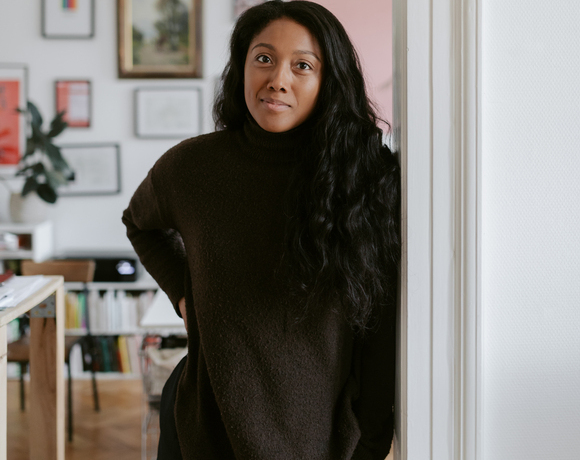
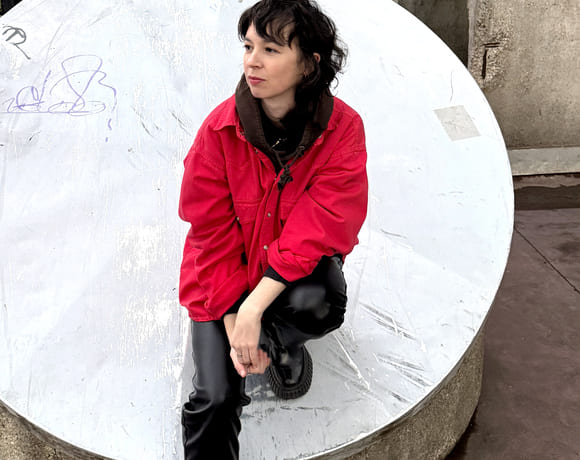
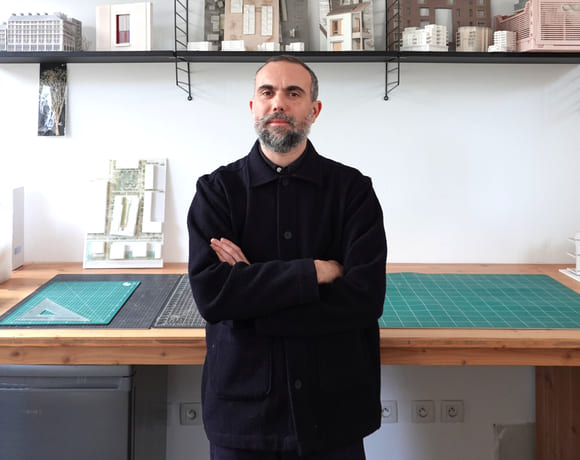
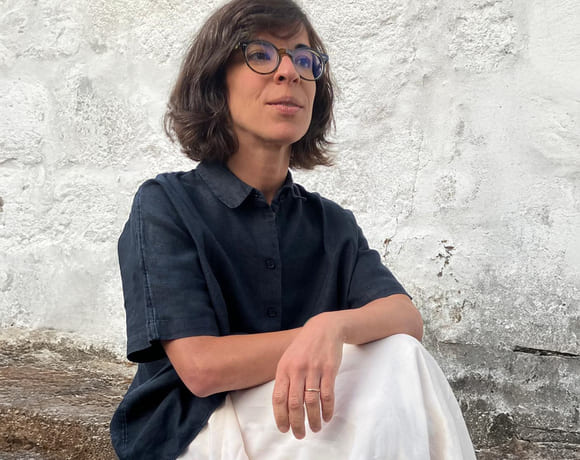
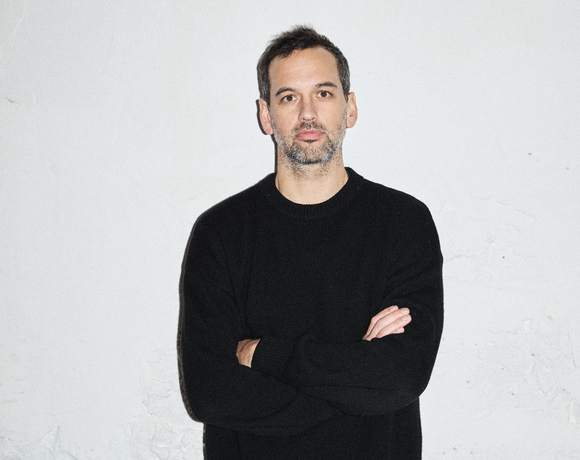
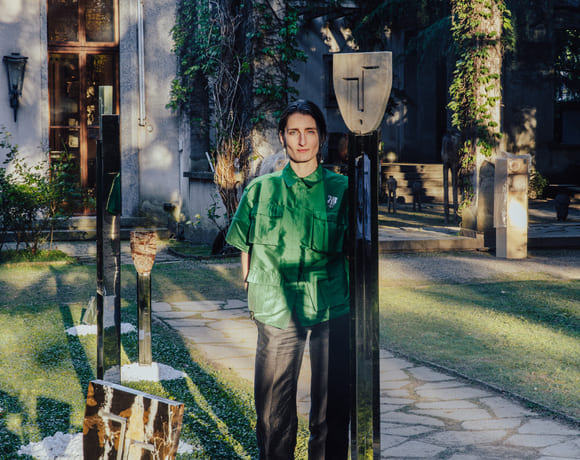
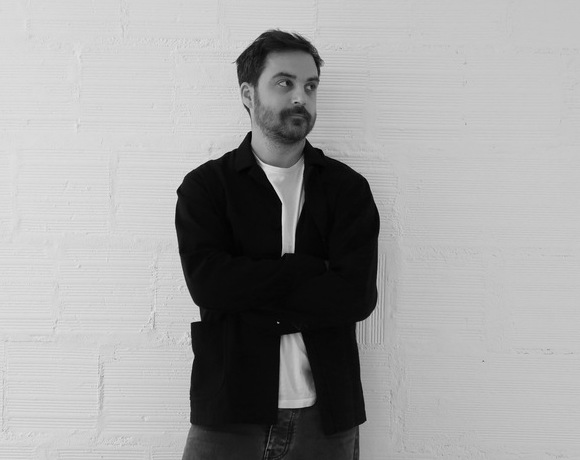
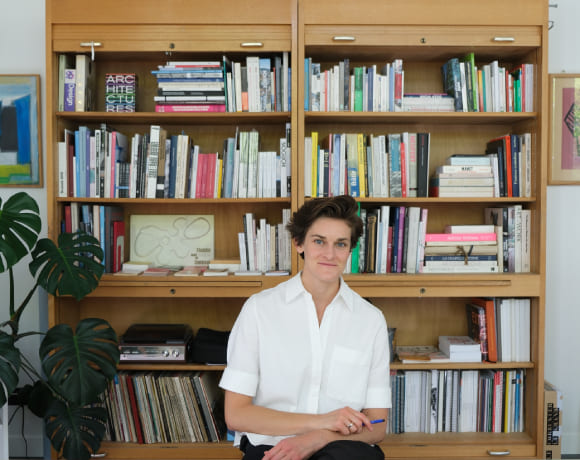
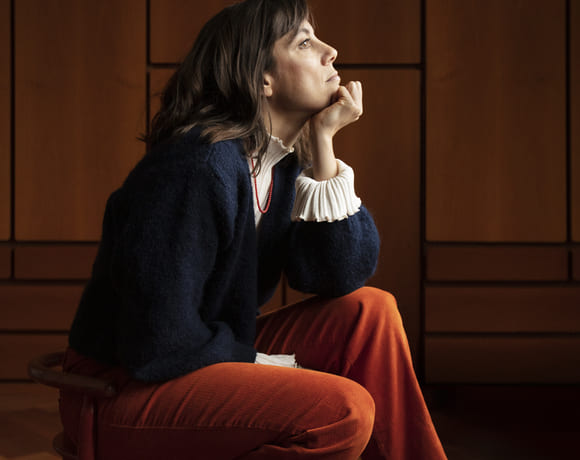
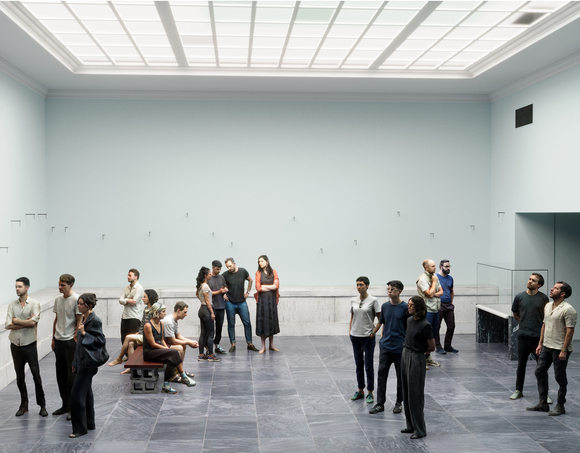
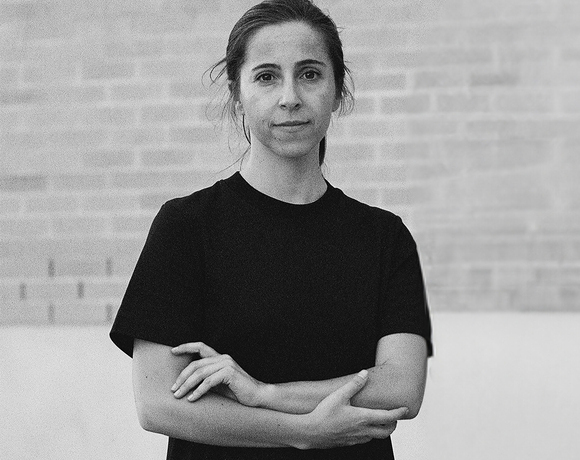
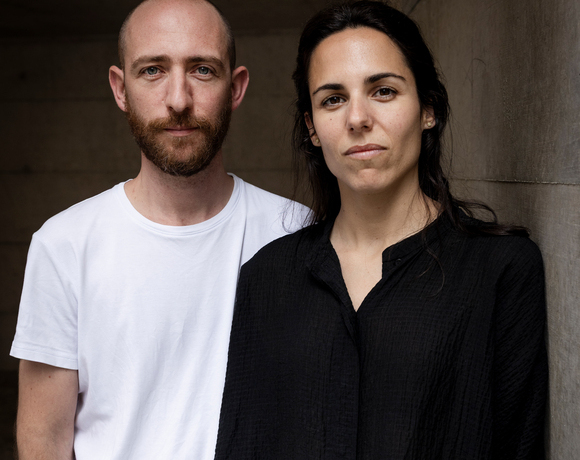
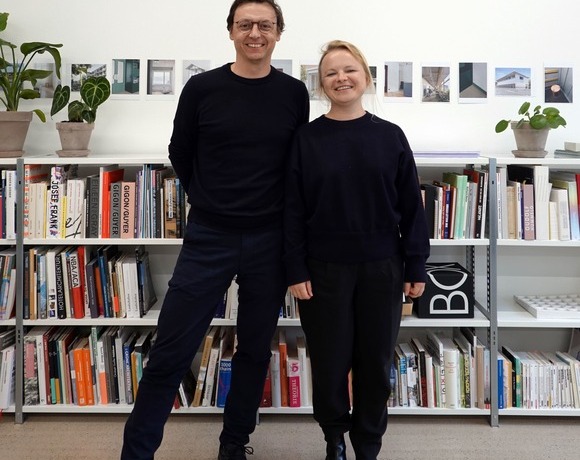
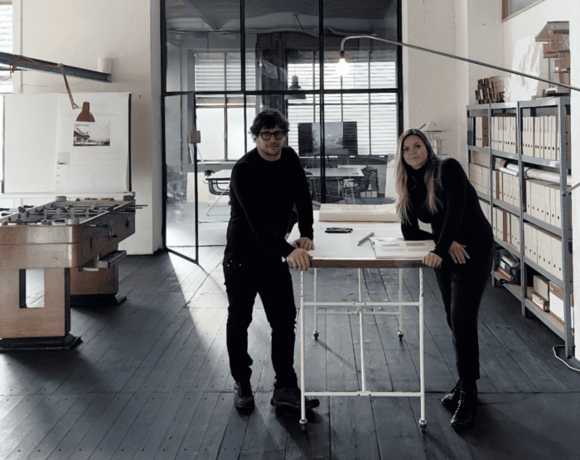
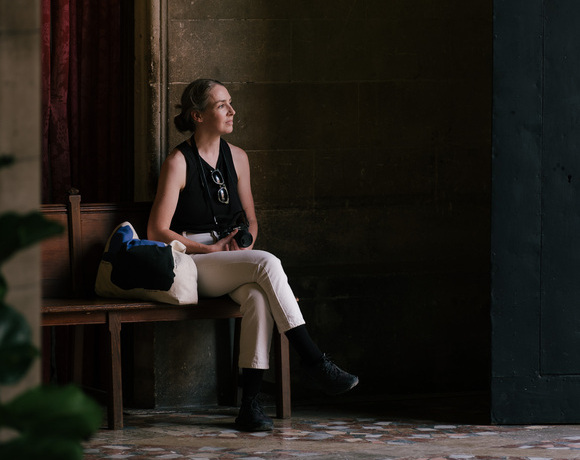
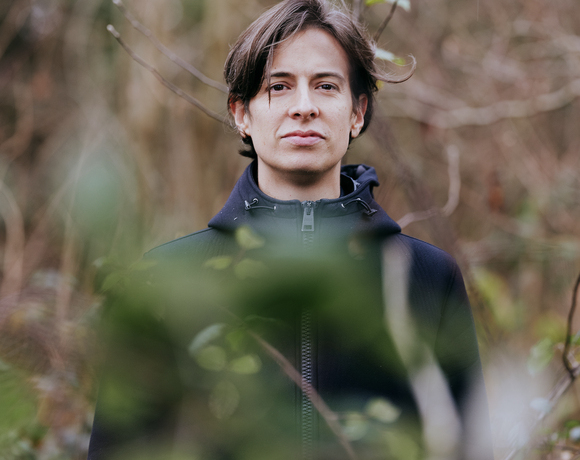
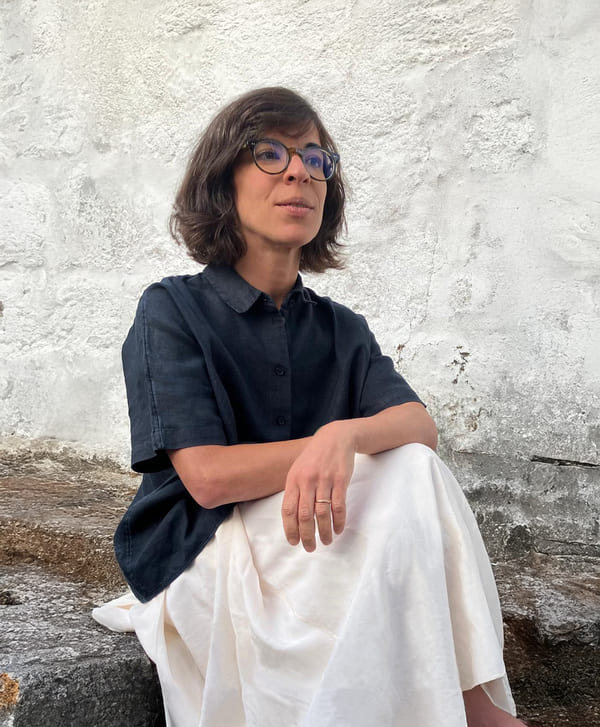
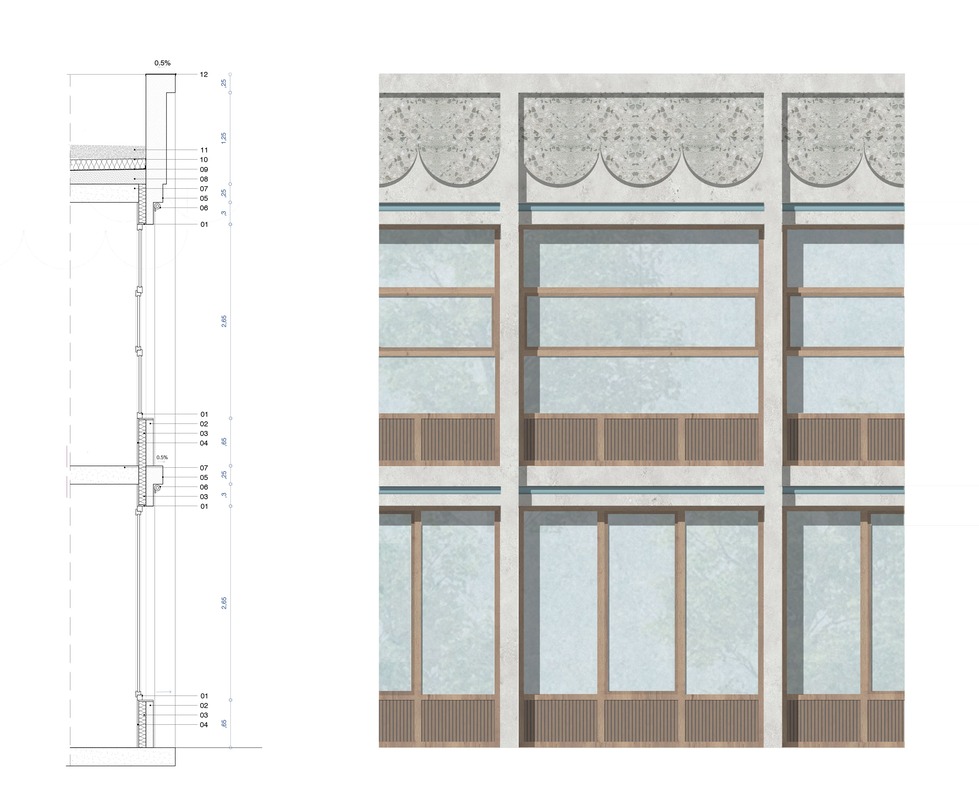
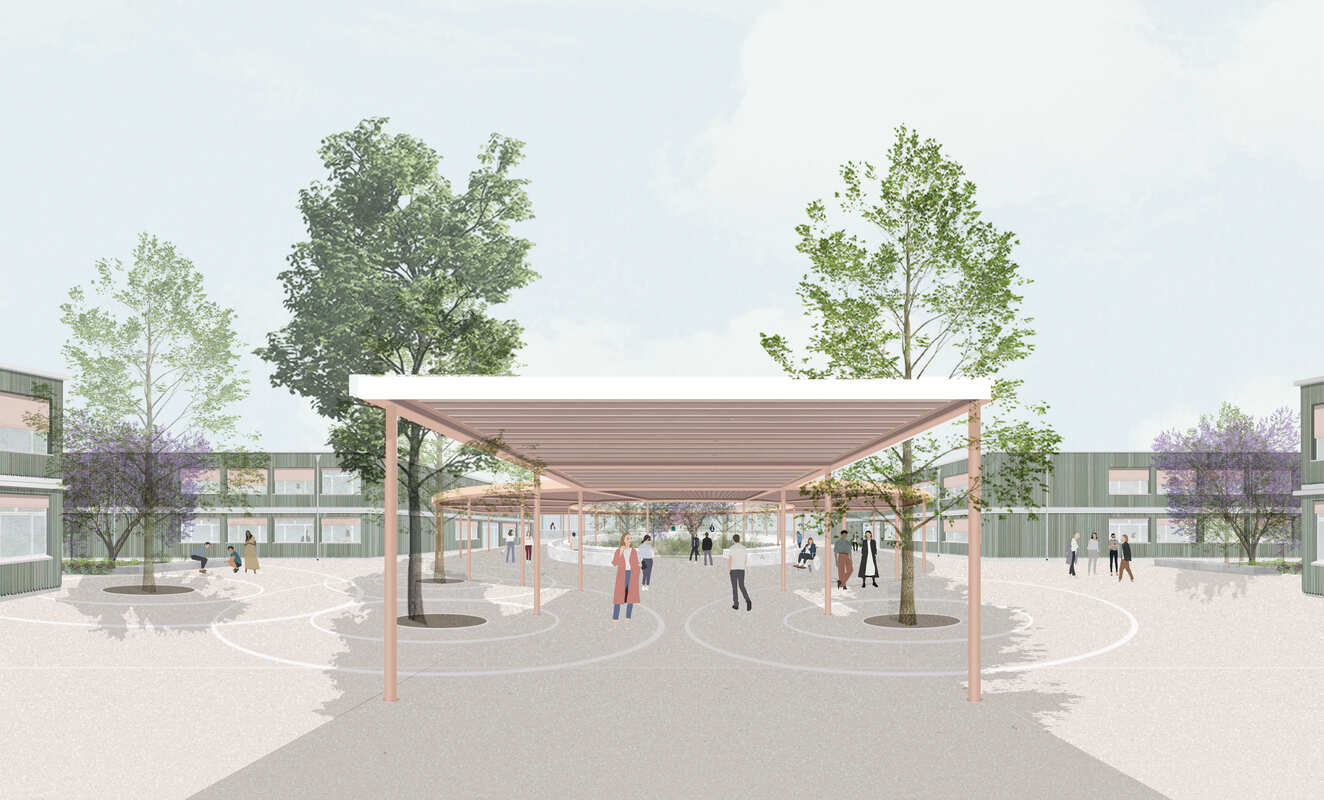
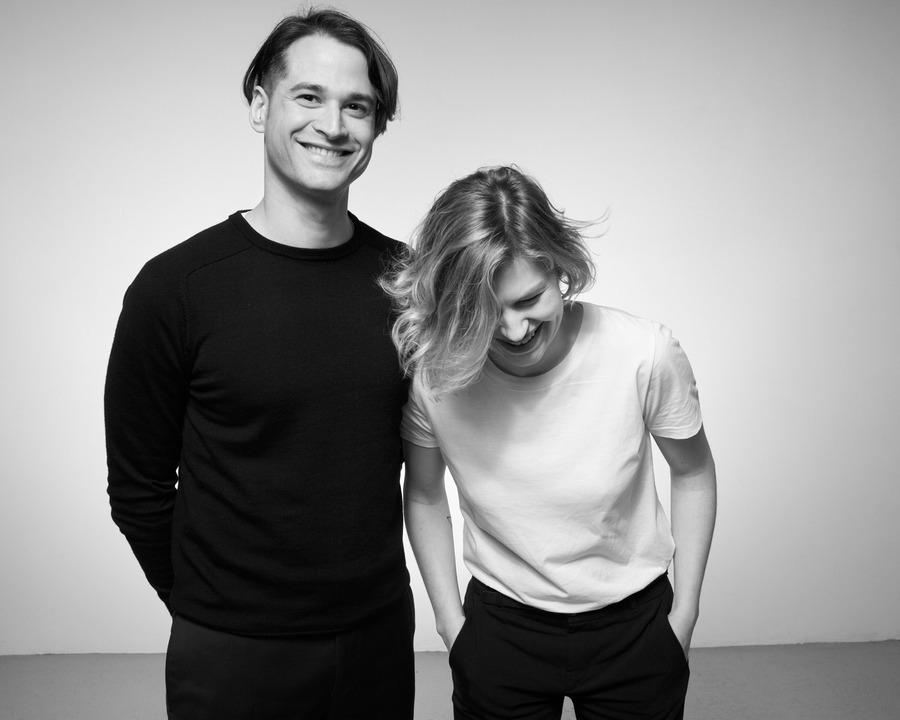
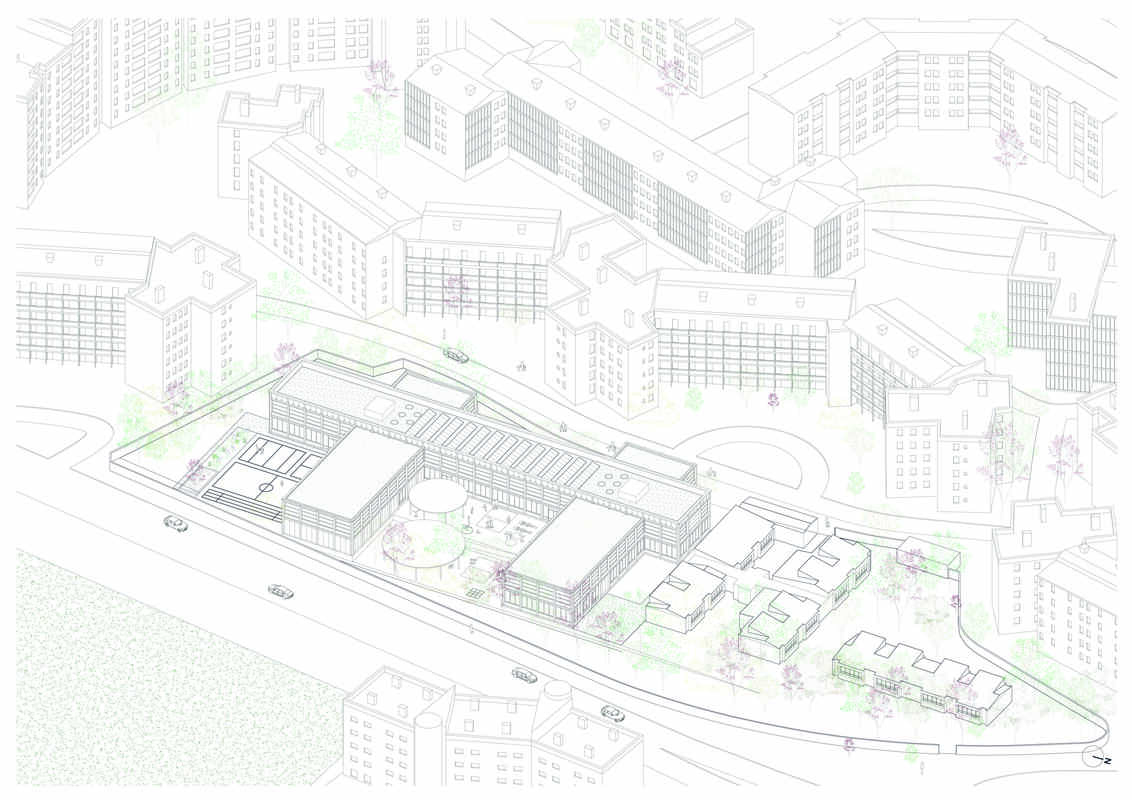
00. Portrait 2 âžĄď¸ Portrait Ana Belo, founder of Atelier. Ph. Leonor FeijĂł3.Amendoeiras school Axonometrics âžĄď¸ Amendoeiras. Nursery and primary school in Marvila, Lisbon. Img. Atelier and Echelle Offic04. Detail âžĄď¸ Amendoeiras. Nursery and primary school in Marvila, Lisbon. Img. Atelier and Echelle Office9. Trincheira house Corte perspectivado copy âžĄď¸ Trincheira. Renovation and rooftop extension of a traditional fisherman’s house in Caminha. Img. Atelier11.Restelo secondary school âžĄď¸ Restelo. Renovation and extension of a secondary school, Lisbon. Img. Atelier and Echelle Office14.Tour Maubouirg âžĄď¸ Tour Maubourg. Renovation of an apartment, Paris. Img. Atelier


a project powered by Itinerant Office

subscribe to our newsletter

follow us