atelier mura scala
Aiming at Peripheral Futures
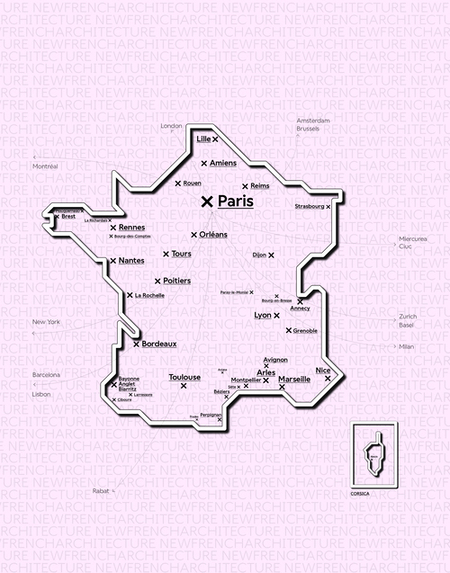
New French Architecture
An Original Idea by New Generations
rerum
A Laboratory for Urban Transformation
Le Studio Sanna BaldĂŠ
Bodies and Communities, First
QSA
A Journey of Reinvention and Adaptation
LDA Architectes
Practising Responsiveness
Atelier Sierra
Geographies of Practice
nicolas bossard architecture
Evolution: Flat by Flat
Compagnie architecture
Culture on Site
Studio AlbĂŠdo
Strategic Acts of Architecture
FabricarĂŠ
Simplicity and Singularity In the Making
Renode
Renovation as Quiet Resistance
Kapt Studio
Pushing Boundaries Across Scales
Room Architecture
Between Theory, Activism, and Practice
AVOIR
Structural Unknowing
DRATLER DUTHOIT architectes
Crafting Local Language
Claas Architectes
Building with the Region in Mind
B2A - barre bouchetard architecture
Embracing Uncertainty in Architecture
AcmĂŠ Paysage
Nurturing Ecosystems
Atelier Apara
Architecture Through a Pedagogical Lens
HEMAA
Designing for Ecological Change
HYPER
Hyperlinked Scales
Between Utopia and Pragmatism
Oblò
Dialogue with the Built World
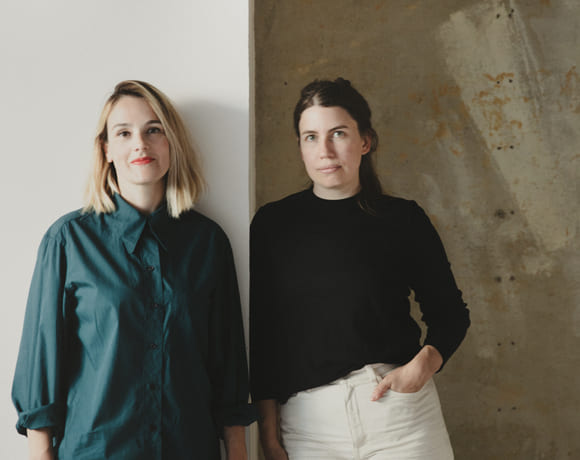
Augure Studio
Revealing, Simplifying, Adapting
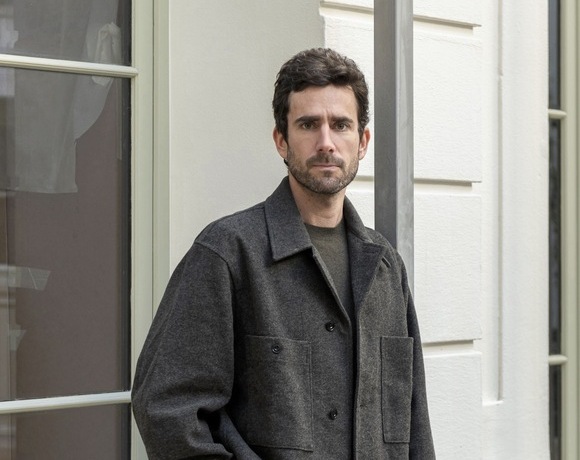
Cent15 Architecture
A Process of Learning and Reinvention
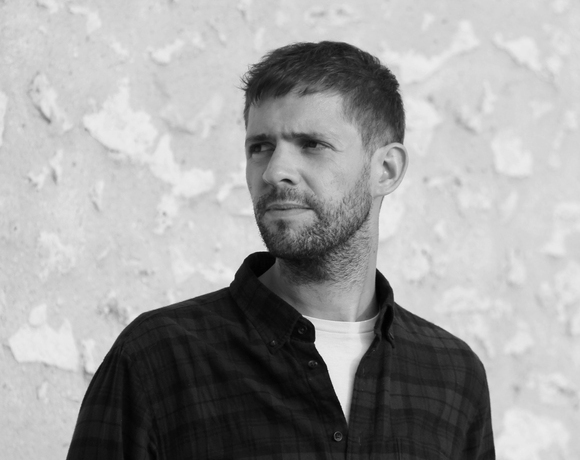
Pierre-Arnaud DescĂ´tes
Composing Spaces, Revealing Landscapes
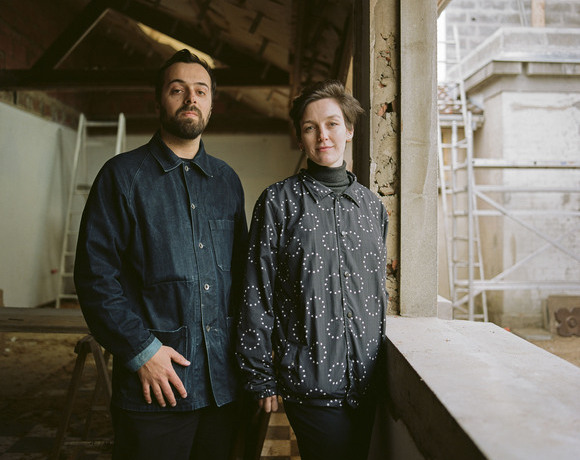
BUREAUPERRET
What Remains, What Becomes
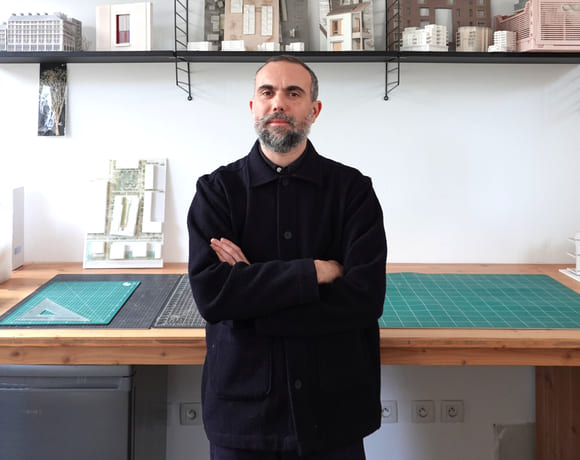
ECHELLE OFFICE
In Between Scales
Atelier
Rooted in Context, Situated at the Centre
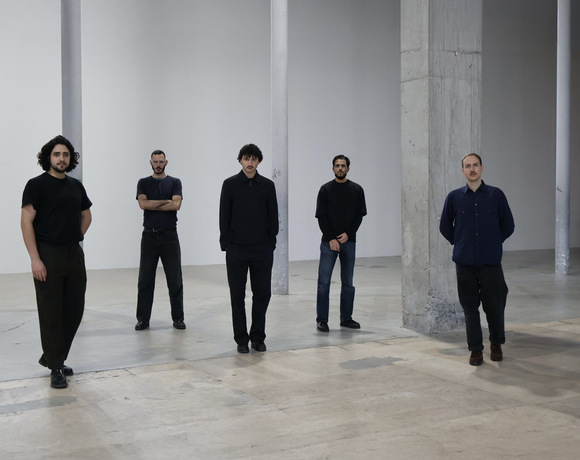
AJAM
Systemic Shifts, Local Gestures
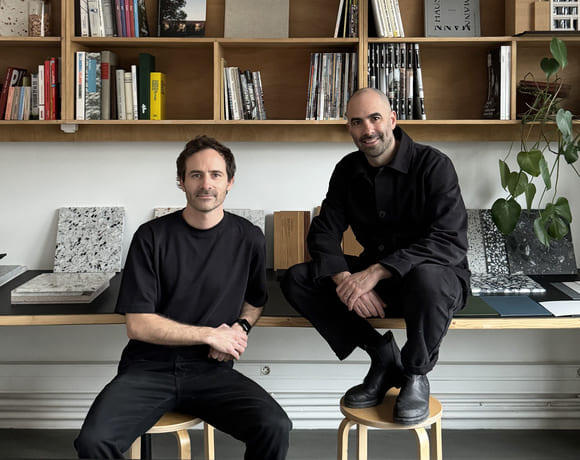
Mallet Morales
Stories in Structure
Studio SAME
Charting Change with Ambition
Lafayette
Envisioning the City of Tomorrow
Belval & Parquet Architectes
Living and Building Differently
127af
Redefining the Common
HEROS Architecture
From Stone to Structure
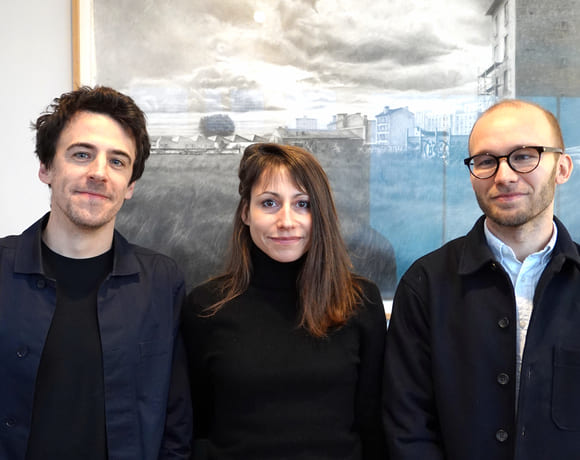
Carriere Didier Gazeau
Lessons from Heritage
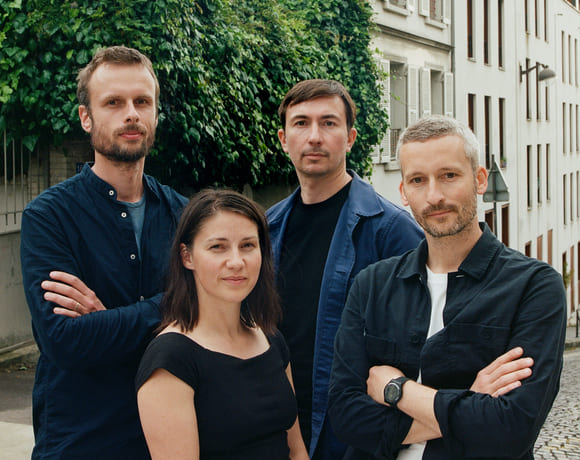
a-platz
Bridging Cultures, Shaping Ideas
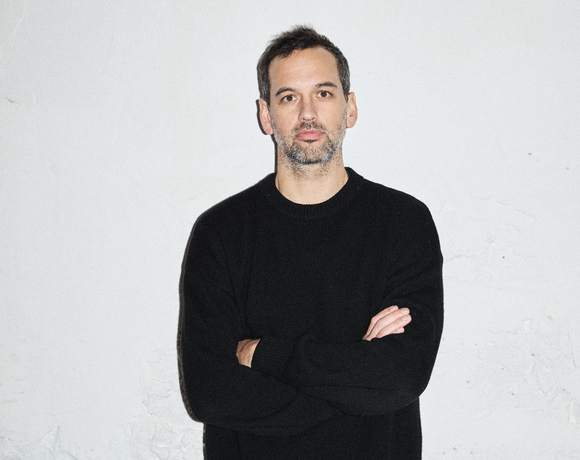
Rodaa
Practicing Across Contexts
Urbastudio
Interconnecting Scales, Communities, and Values
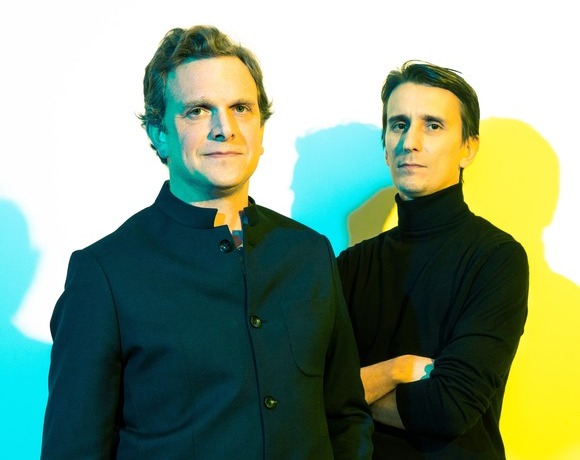
Oglo
Designing for Care
Figura
Figures of Transformation
COVE Architectes
Awakening Dormant Spaces
Graal
Understanding Economic Dynamics at the Core
ZW/A
United Voices, Stronger Impacts
A6A
Building a Reference Practice for All
BERENICE CURT ARCHITECTURE
Crossing Design Boundaries
studio mäc
Bridging Theory and Practice
studio mäc
Bridging Theory and Practice
New Swiss Architecture
An Original Idea by New Generations
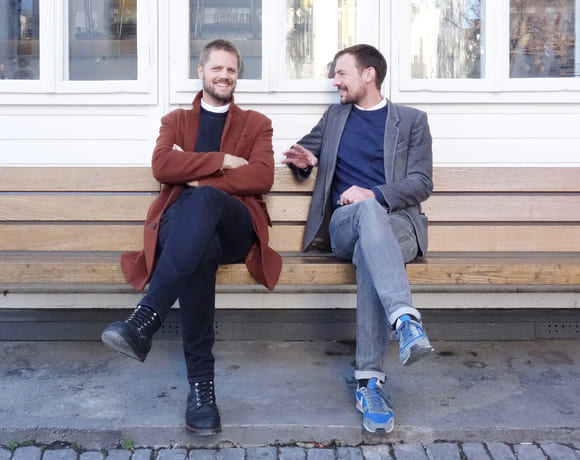
KUMMER/SCHIESS
Compete, Explore, Experiment
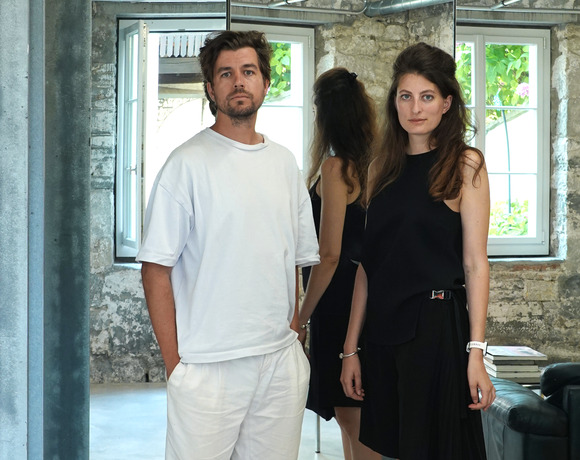
ALIAS
Stories Beyond the Surface
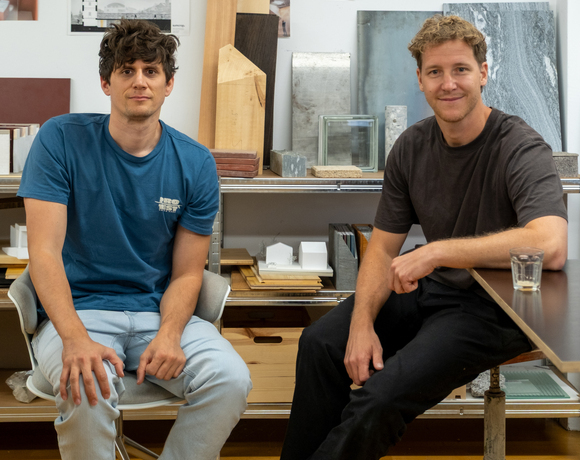
sumcrap.
Connected to Place
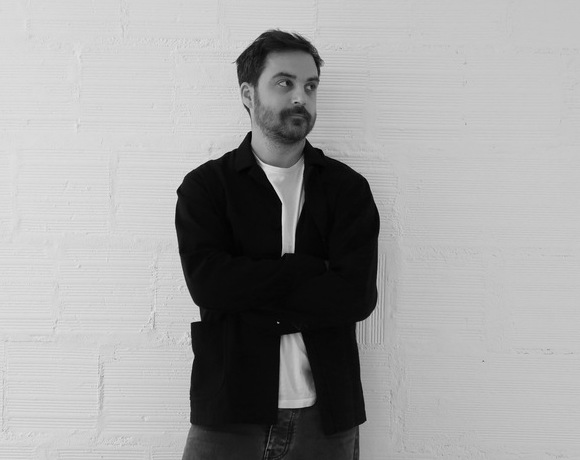
BUREAU/D
From Observation to Action
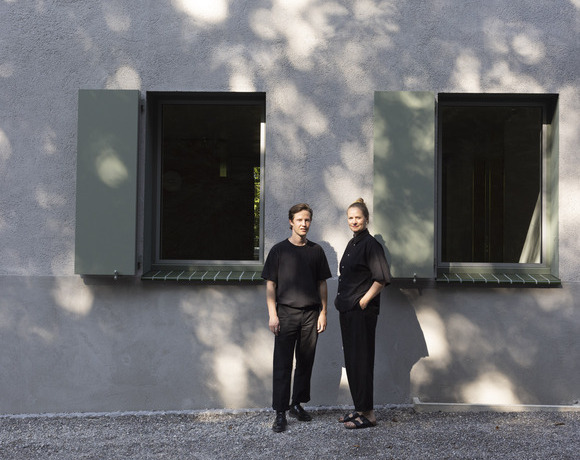
STUDIO ROMANO TIEDJE
Lessons in Transformation
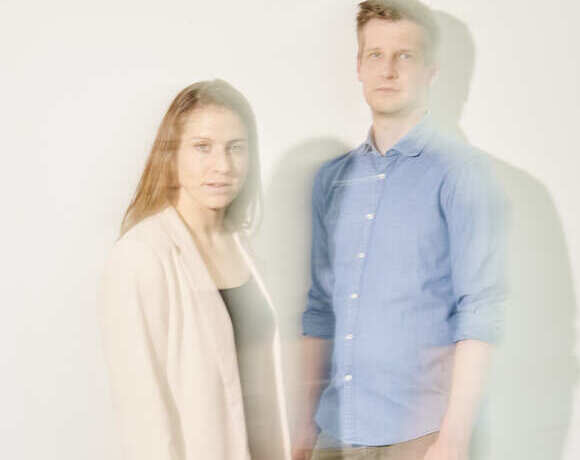
Ruumfabrigg Architekten
From Countryside to Lasting Heritage
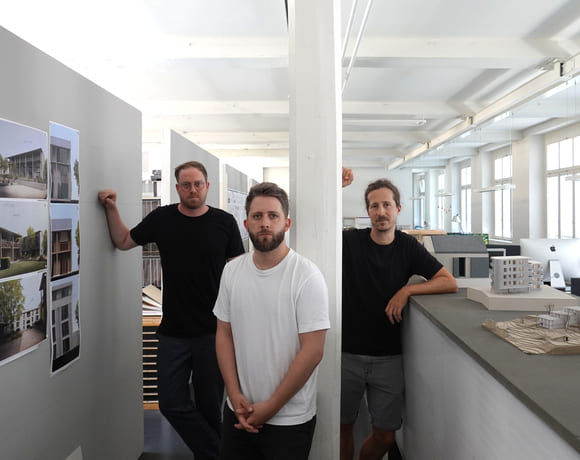
Kollektiv Marudo
Negotiating Built Realities
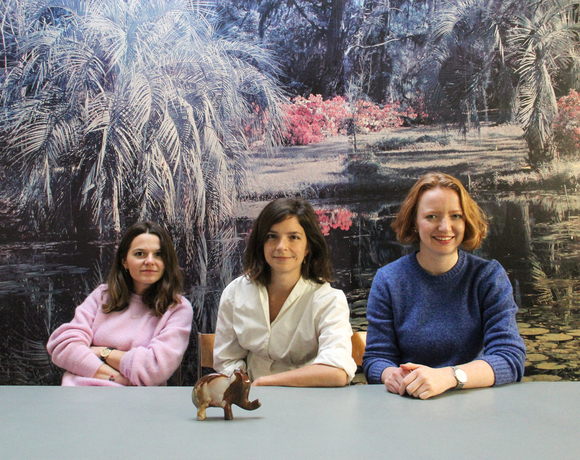
Studio Barrus
Starting byChance,Growing Through Principles
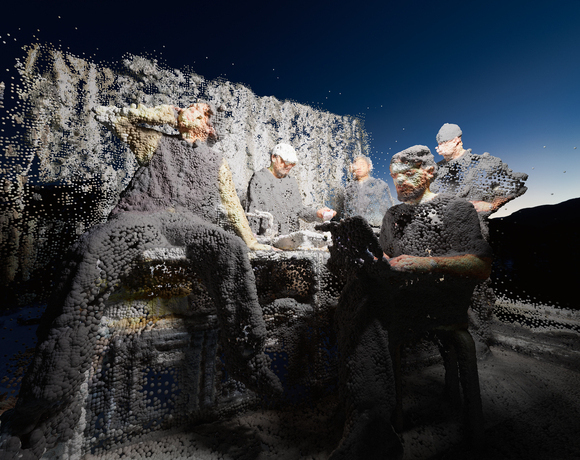
dorsa + 820
Between Fiction and Reality
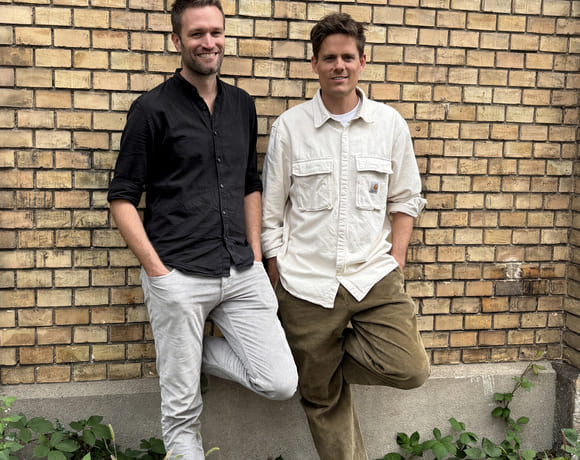
S2L Landschaftsarchitektur
Public Spaces That Transform
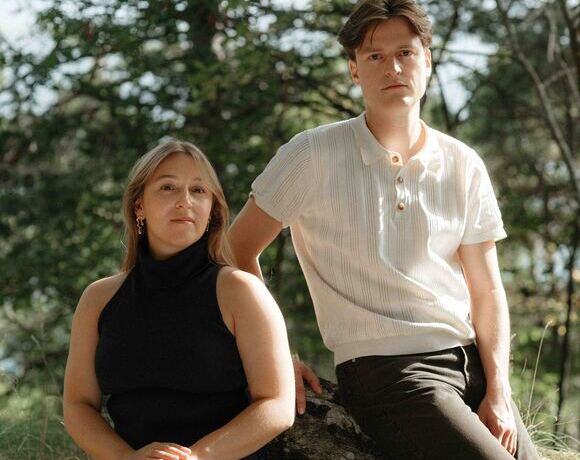
DER
Designing Within Local Realities
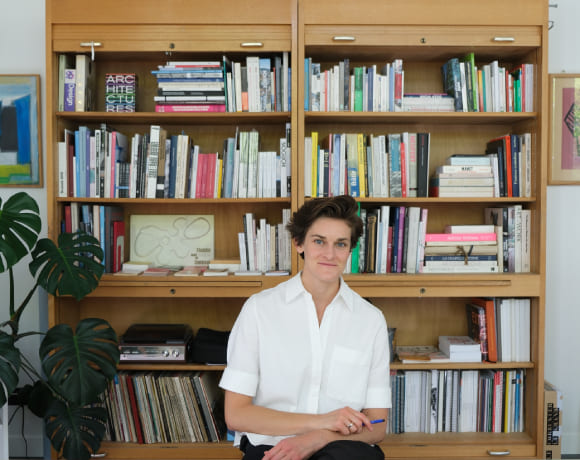
Marginalia
Change from the Margins
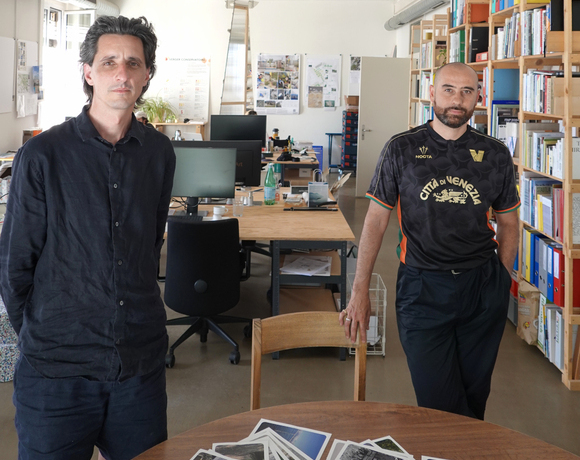
En-Dehors
Shaping a Living and Flexible Ecosystem
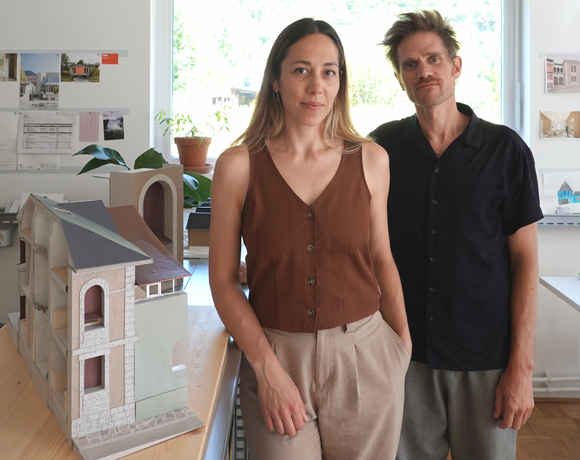
lablab
A Lab for Growing Ideas
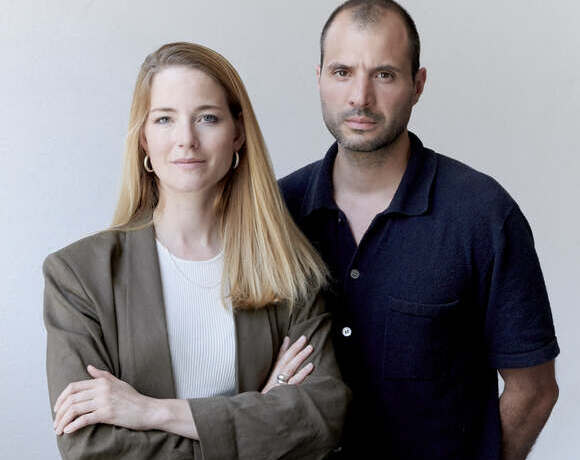
Soares Jaquier
Daring to Experiment
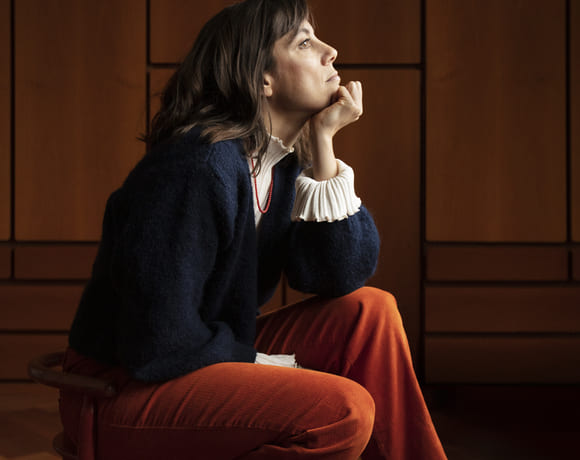
Sara Gelibter Architecte
Journey to Belonging
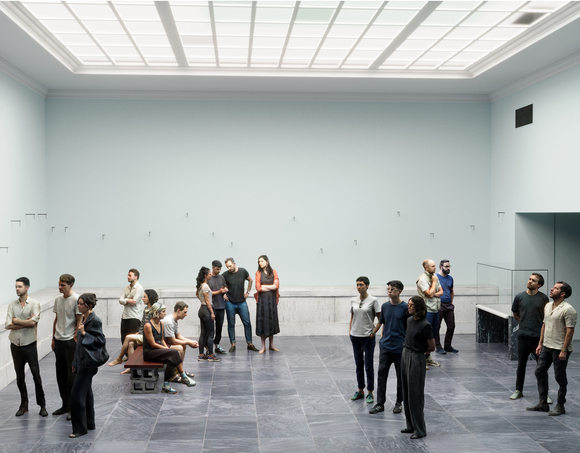
TEN (X)
A New Kind of Design Institute
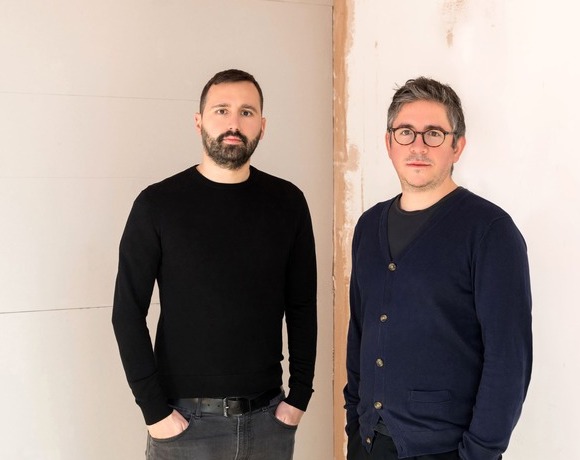
DF_DC
Synergy in Practice: Evolving Together
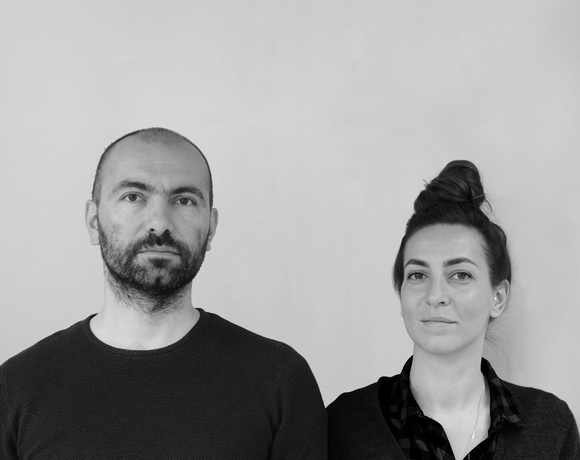
GRILLO VASIU
Exploring Living, Embracing Cultures
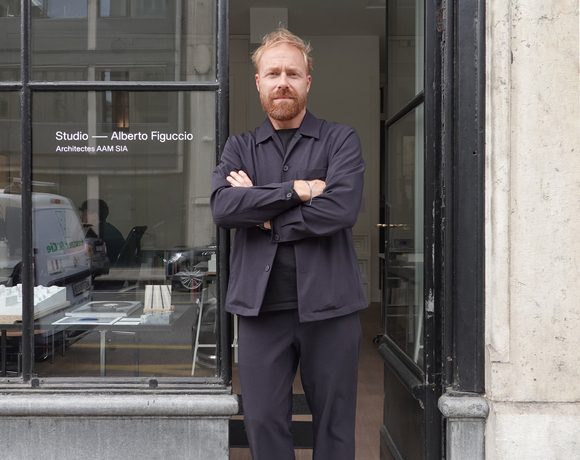
Studio â Alberto Figuccio
From Competitions to Realised Visions
Mentha Walther Architekten
Carefully Constructed
Stefan Wuelser +
Optimistic Rationalism: Design Beyond the Expected
BUREAU
A Practice Built on Questions
camponovo baumgartner
Flexible Frameworks, Unique Results
MAR ATELIER
Exploring the Fringes of Architecture
bach muĚhle fuchs
Constantly Aiming To Improve the Environment
NOSU Architekten GmbH
Building an Office from Competitions
BALISSAT KAĂANI
Challenging Typologies, Embracing Realities
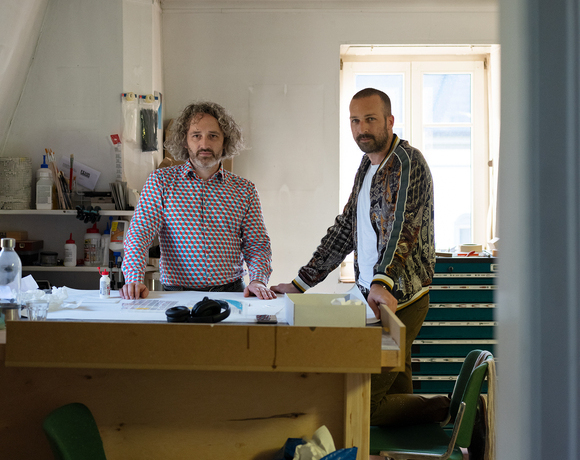
Piertzovanis Toews
Crafted by Conception, Tailored to Measure
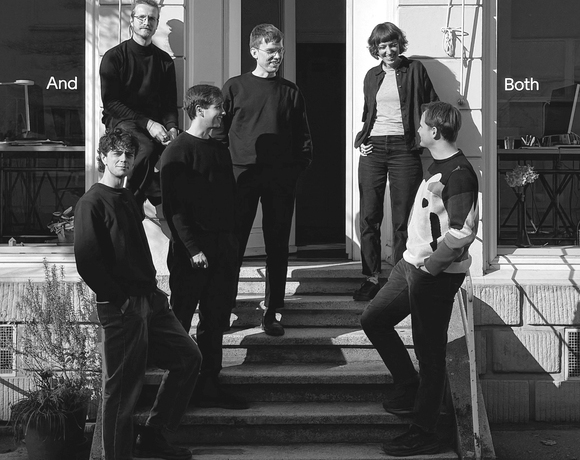
BothAnd
Fostering Collaboration and Openness
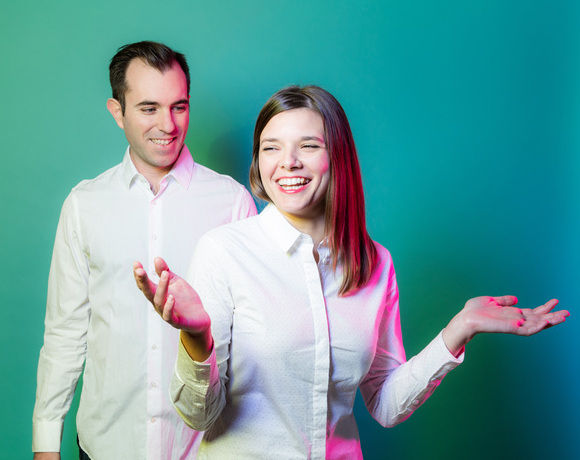
Atelier ORA
Building with Passion and Purpose
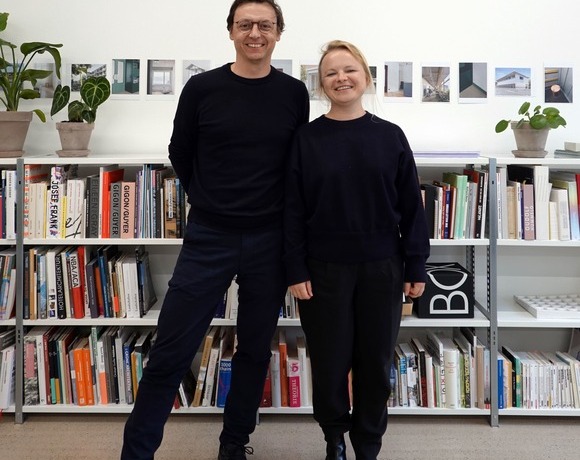
Atelier Hobiger Feichtner
Building with Sustainability in Mind
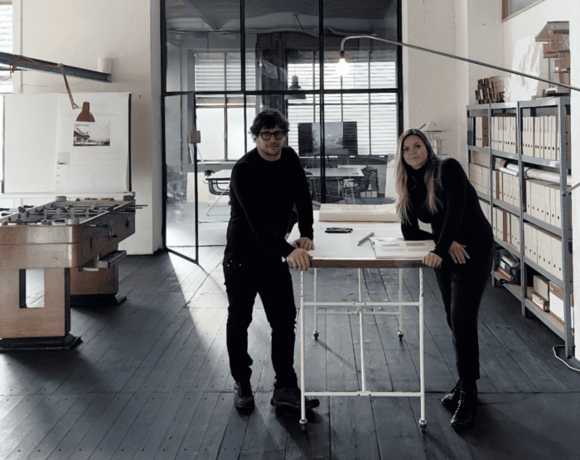
CAMPOPIANO.architetti
Architecture That Stays True to Itself
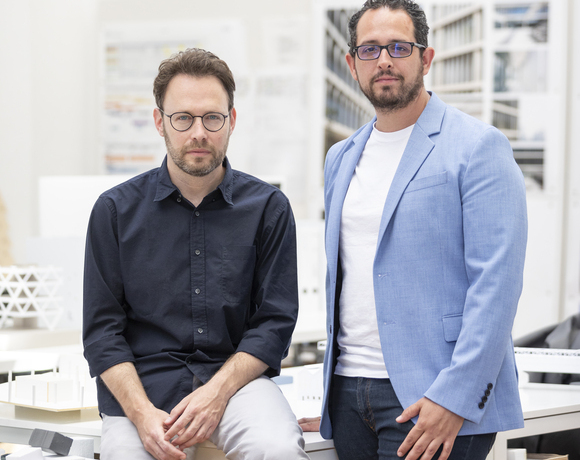
STUDIO PEZ
The Power of Evolving Ideas
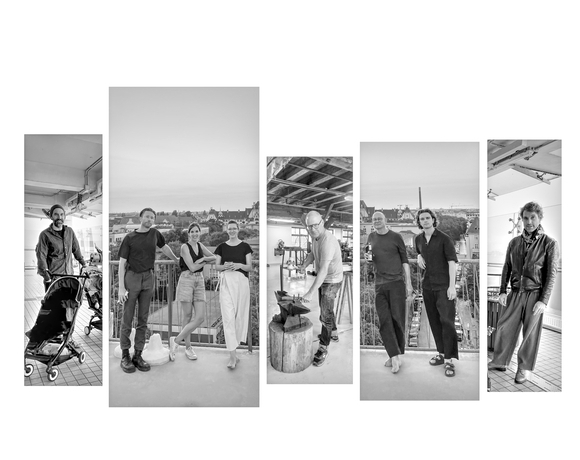
Architecture Land Initiative
Architecture Across Scales
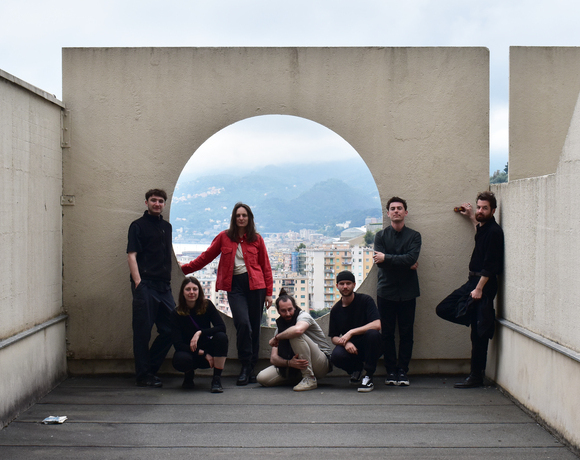
ellipsearchitecture
Humble Leanings, Cyclical Processes
Sophie Hamer Architect
Balancing History and Innovation
ArgemĂ Bufano Architectes
Competitions as a Catalyst for Innovation
continentale
A Polychrome Revival
valsangiacomoboschetti
Building With What Remains
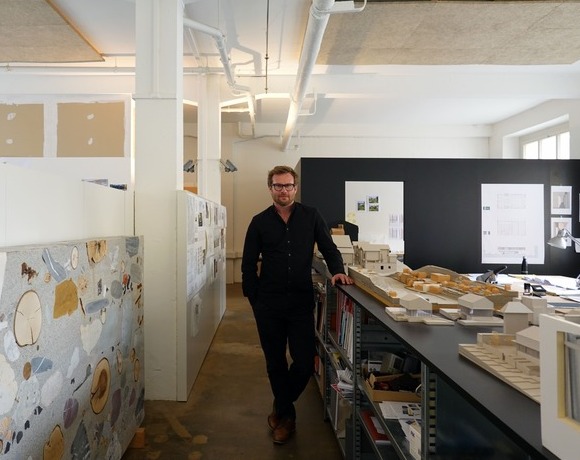
Oliver Christen Architekten
Framework for an Evolving Practice
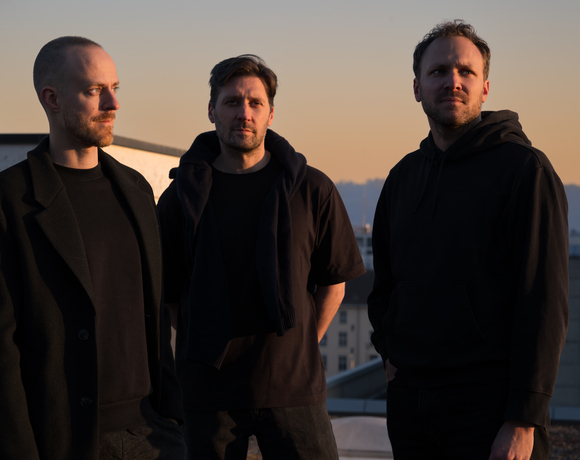
MMXVI
Synergy in Practice
Balancing Roles and Ideas
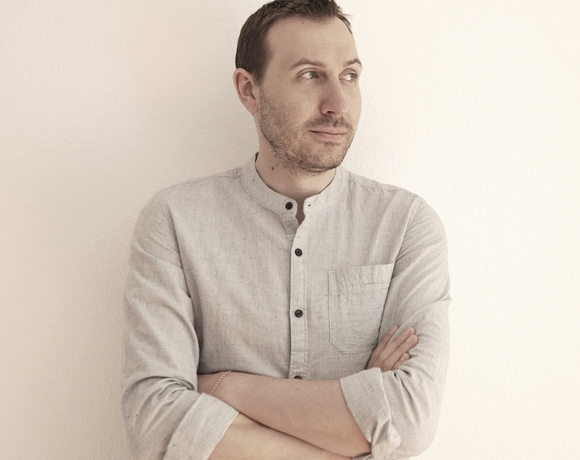
studio 812
A Reflective Approach to
Fast-Growing Opportunities
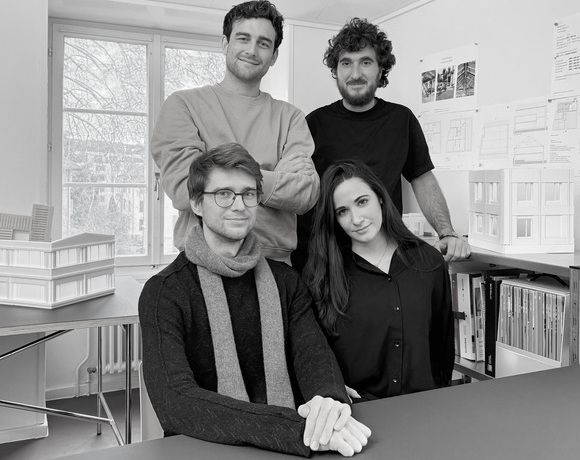
STUDIO4
The Journey of STUDIO4
Holzhausen Zweifel Architekten
Shaping the Everyday
berset bruggisser
Architecture Rooted in Place
JBA - Joud Beaudoin Architectes
New Frontiers in Materiality
vizo Architekten
From Questions to Vision
Atelier NU
Prototypes of Practice
Atelier Tau
Architecture as a Form of Questioning
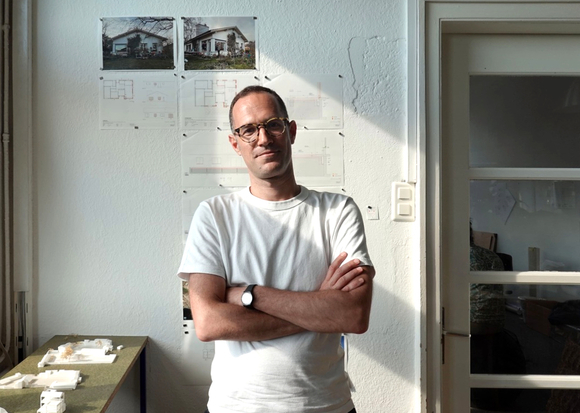
alexandro fotakis architecture
Embracing Context and Continuity
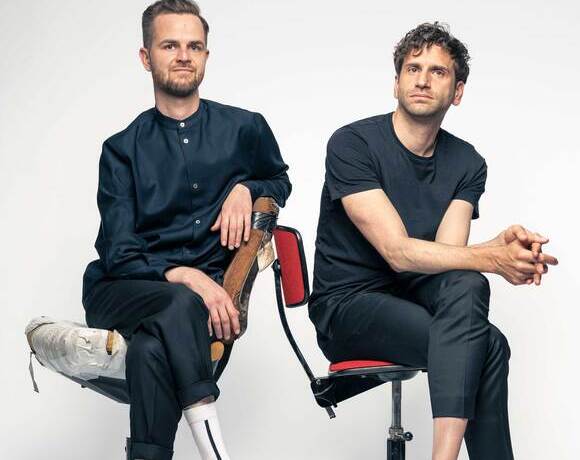
Atelier Anachron
Engaging with Complexity
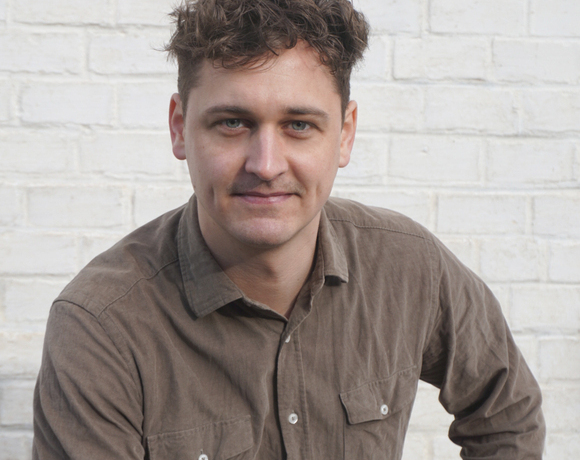
SAJN - STUDIO FĂR ARCHITEKTUR
Transforming Rural Switzerland
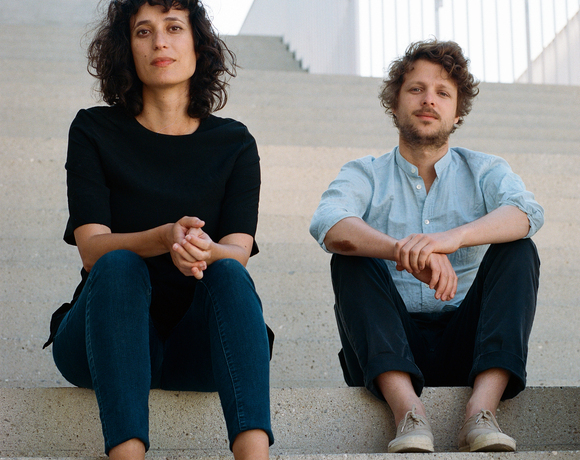
guy barreto architects
Designing for Others, Answers Over Uniqueness
Concrete and the Woods
Building on Planet Earth
bureaumilieux
What is innovation?
apropaĚ
A Sustainable and Frugal Practice
Massimo Frasson Architetto
Finding Clarity in Complex Projects
Studio David Klemmer
Binary Operations
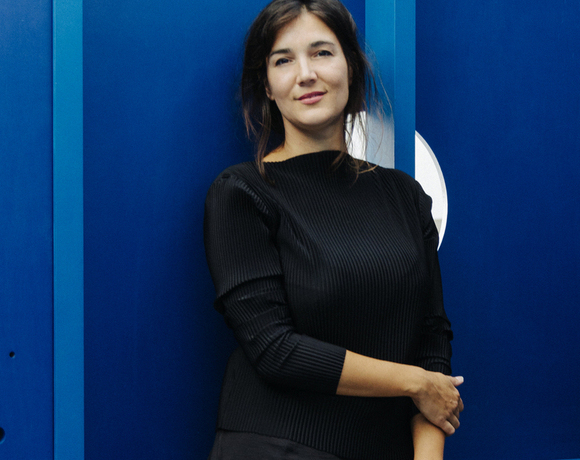
Caterina Viguera Studio
Immersing in New Forms of Architecture
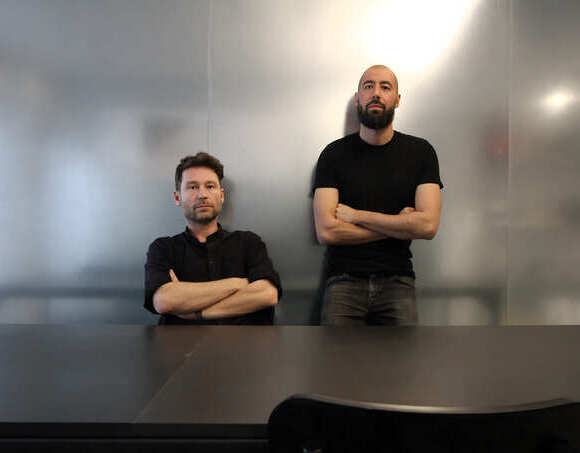
r2a architectes
Local Insights, Fresh Perspectives
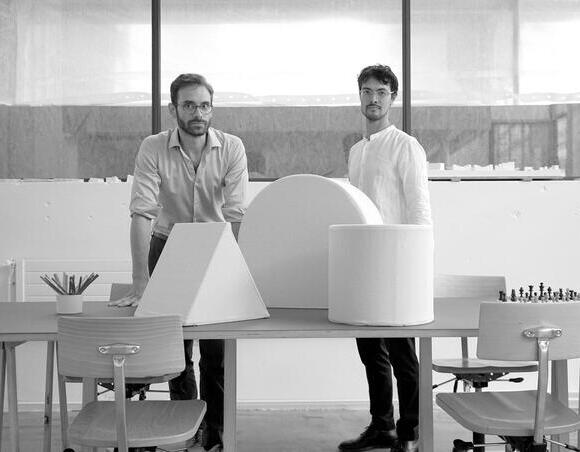
HertelTan
Timeless Perspectives in Architecture
That Belongs
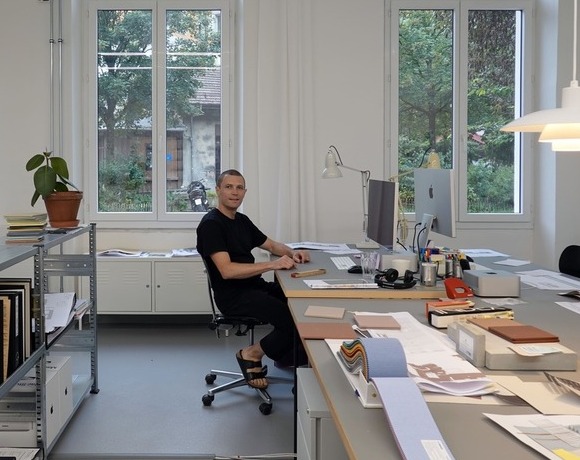
Nicolas de Courten
A Pragmatic Vision for Change
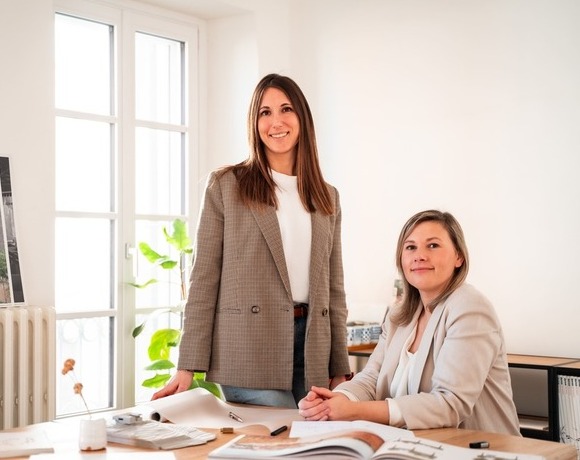
Atelier OLOS
Balance Between Nature and Built Environment
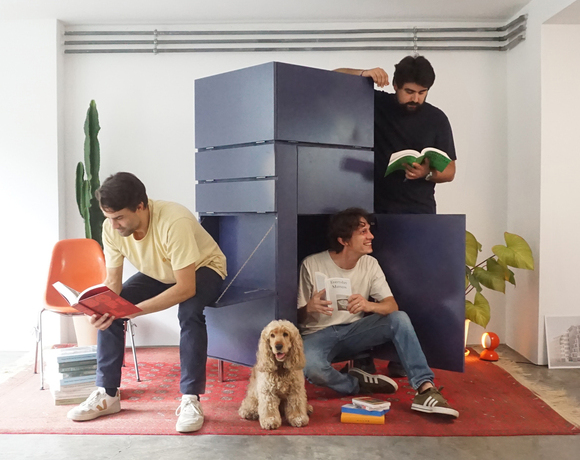
Associati
âCheap but intenseâ: The Associati Way
emixi architectes
Reconnecting Architecture with Craft
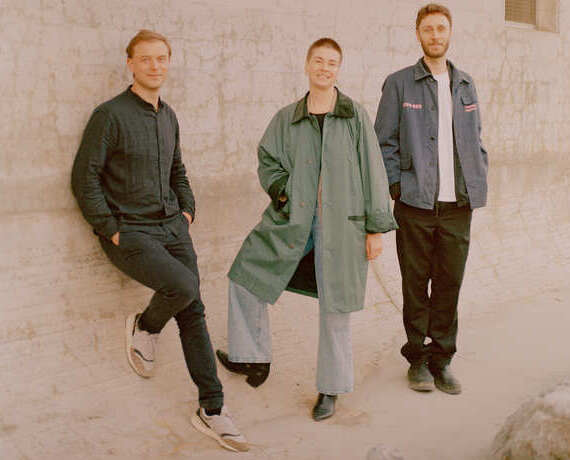
baraki architects&engineers
From Leftovers to Opportunities
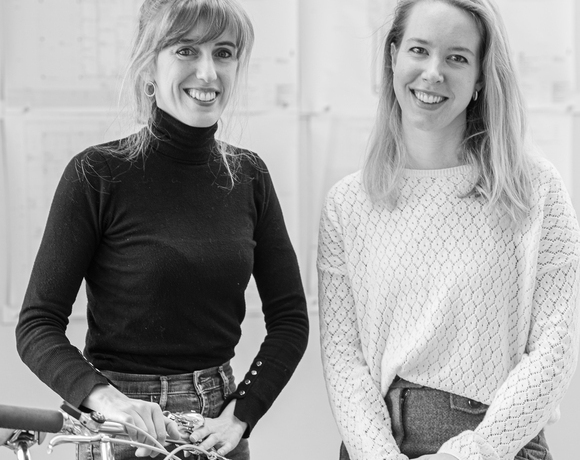
DARE Architects
Material Matters: from Earth to Innovation
KOMPIS ARCHITECTES
Building from the Ground Up
Fill this form to have the opportunity to join the New Generations platform: submissions will be reviewed on a daily-basis, and the most innovative practices will have the chance to be part of the media's coverage and participate in our cultural agenda, including events, research projects, workshops, exhibitions and publications.
New Generations is a European platform that investigates the changes in the architectural profession ever since the economic crisis of 2008. We analyse the most innovative emerging practices at the European level, providing a new space for the exchange of knowledge and confrontation, theory, and production.
Since 2013, we have involved more than 3.000 practices from more than 50 countries in our cultural agenda, such as festivals, exhibitions, open calls, video-interviews, workshops, and experimental formats. We aim to offer a unique space where emerging architects could meet, exchange ideas, get inspired, and collaborate.
An original idea of New Generations
Team & collaborators: Gianpiero Venturini, Marta HervĂĄs Oroza, Elisa Montani, Giuliana Capitelli, Kimberly Kruge, Canyang Cheng
If you have any questions, need further information, if you'd like to share with us a job offer, or just want to say hello please, don't hesitate to contact us by filling up this form. If you are interested in becoming part of the New Generations network, please fill in the specific survey at the 'join the platform' section.
Aiming at Peripheral Futures
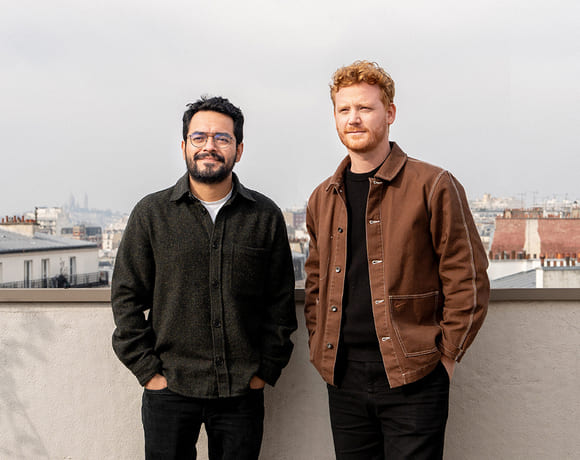
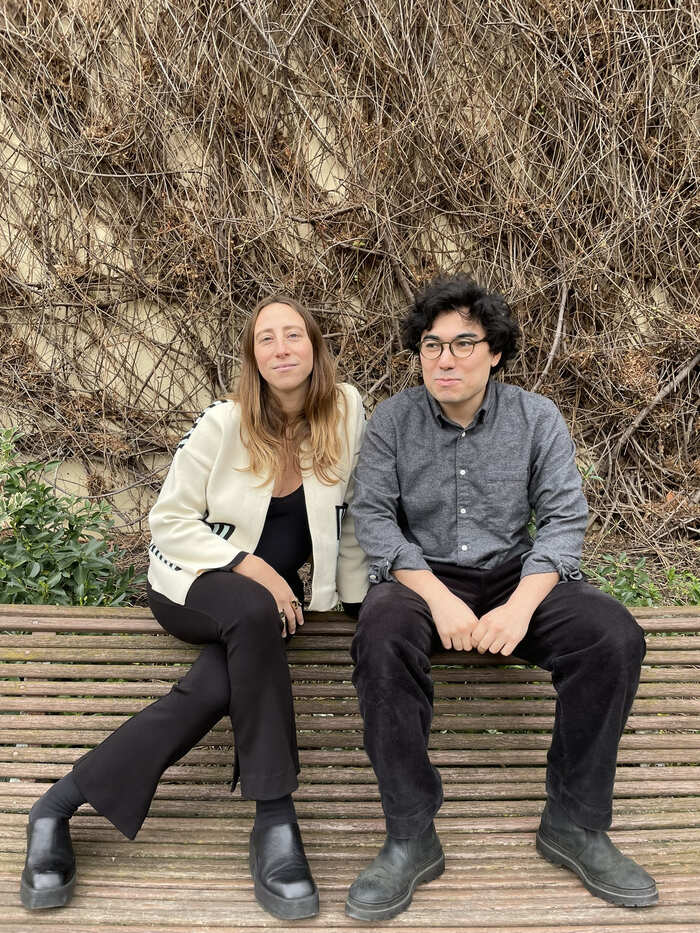
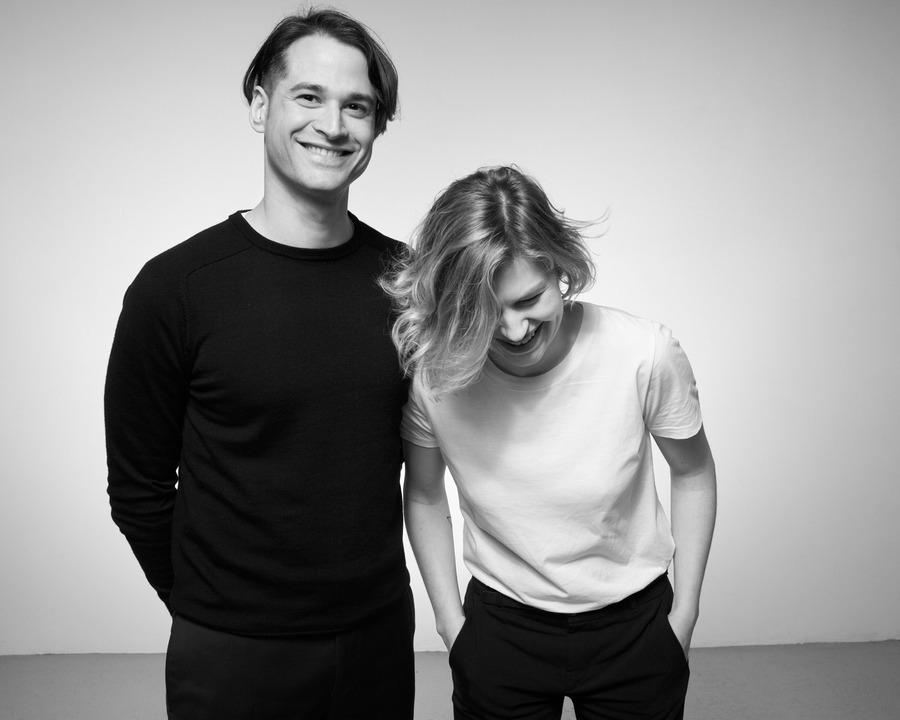
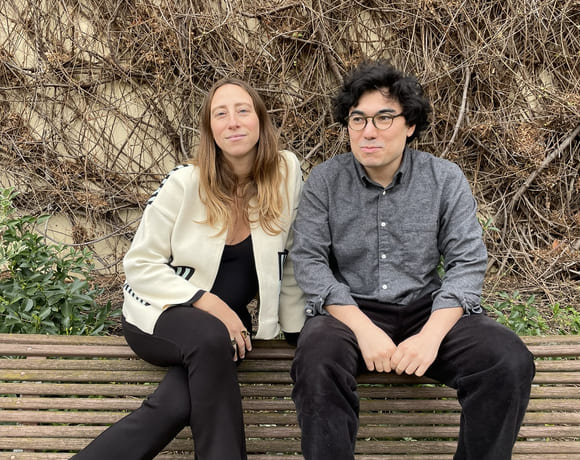
The Mura Scala studio was founded in 2021 by Clara Hernandez and LĂŠo Akahori. A close relationship between theory and practice drives the agencyâs projects, which are guided by the alignment between study and detail, modernity and tradition. This approach, connected to constructive rigour, influences the work developed and constantly nurtures the teamâs appetite for experimentation through implementation (and vice versa) in practice at Mura Scala. Most of the studioâs projects are carried out on existing objects, particularly urban ones. Its practice thus revolves around interventions on pre-existing buildings. This work, requiring a sharp study of what is already there, places investigation, research, and more theoretical explorations at the center of the reflection undertaken for the implementation of projects.
LA: LĂŠo Akahori | CH: Clara Hernandez
Peripheral futures
LA: In recent years, weâve seen a growing number of practices emergeâparticularly outside Parisâas interest in the countryside continues to rise. We often make the comparison with the idea of a docteur de campagneâa countryside doctor. Today, we talk about the architecte de campagne, meaning a kind of countryside architect. Maybe there are more architects in Paris, but thatâs not something we really notice, because Paris has always had manyâitâs the centre of cultural and political life in France. What feels like a real change is the shift in interest to smaller towns and villages.
CH: This shift is also a response to the difficult economic context, which has pushed many practices to return to these kinds of territories. We are from Paris, from this culture of big constructions and urban contexts that we know well. But today in France, there are so many other things happening, allowing new ways of practising architecture. I think we are somewhere between the two: Paris and the countryside.
LA: Reflecting on this new scenario, we can identify two main trends. One is the heritage of Lacaton & Vassalâstill focused on big projects and major public or private commissions. The second trend, which is growing, is rural architecture with architects like Simon Teyssou and Bernard Quirot. In France, itâs often called la frugalitĂŠâa big term that covers different architectural vocabularies but is mainly defined by where practices are set up, either in big cities or smaller places. Many practices are physically moving, and thereâs a real desire to be part of a community. Thatâs a trend we see worldwide. For example, Teyssou was director of the School of Clermont-Ferrand, which is a medium-sized city surrounded by a large, sparsely populated territory. He really developed and theorised this idea.
LA: Thereâs a book by Françoise Fromonot that discusses thisâabout going to the countryside but somehow coming back to Paris because itâs easier to get references and connections there.
CH: Itâs undoubtedly an opportunity for our generation of architects. It has become easierâand more rewardingâfor us to engage with architectural subjects that were once considered marginal. Thanks to figures like Quirot and Teyssou, these topics have gained significance and now hold a rightful place in architectural culture.
LA: Itâs a way to access projects. Smaller projects mean less competitionâfewer people applyingâso itâs a strategic move. Also, it reflects a lifestyle trend, maybe influenced by COVID, where people are tempted to leave cities. Honestly, I donât know how architecture was in these contexts 30 years ago, but today, many architects who have worked on big projects in Paris for 10 or 15 years open firms in peripheral areas. They bring cultural and technical expertise from large urban projects and apply it to smaller-scale work. This definitely improves the quality of architecture in small towns or rural areas.
Learning from experience
LA: We studied together at the Belleville School of Architecture, and we both worked in similar contexts. Our shared understanding was that we wanted to focus on projects that were a bit smaller, where we could have more control over the outcomes. We had both been involved in large projects, like new housing developments in the Paris suburbs linked to the Grand Paris Express, but those felt a bit out of scaleâhard to really grasp and influence everything. So, that was our common desire: to create a practice working on a smaller, more personal scale.
If we look back at the offices we worked for earlier, I spent a couple of years at SANAA in Tokyo. I mainly worked on a French project and a museum in Budapest, which I donât think will ever come to fruition. Then in Paris, I worked for Coldefy, an office based in Lille with projects in Parisâmostly housing and private projects. I was interested in public projects, even small-scale ones, because the private housing market is really tough, and itâs hard to maintain quality.
CH: While he was in Japan, I started working for a studio in Paris called Djuric-Tardio. I spent three years there, and it was my most significant formative experience, developing and managing projects focused on off-site construction. This experience shaped a lot of my architectural thinking. I worked a lot with public institutions, which is a very different way of working compared to private clients. After that, I managed a construction site in Parisâa whole block between two famous concert halls. By the end of that project, I realised I wanted to work independently and focus on a scale where I could fully engage with architectural challenges. I worked on my own for about a year, then founded Mura Scala, and soon after, LĂŠo joined me.
A name, a journey, a vision
CH: Itâs funnyâI was still working alone when I chose the name. My sister lives in Rome, and I have a strong connection to Italy. I love the Mura in Rome (Roman Walls), which to me are like large architectural objects in the city, constantly living new lives. That inspired the name. When LĂŠo joined, he told me that in Japanese, âmuraâ (ćă ) means little villages. It made perfect senseâit was a beautiful coincidence.
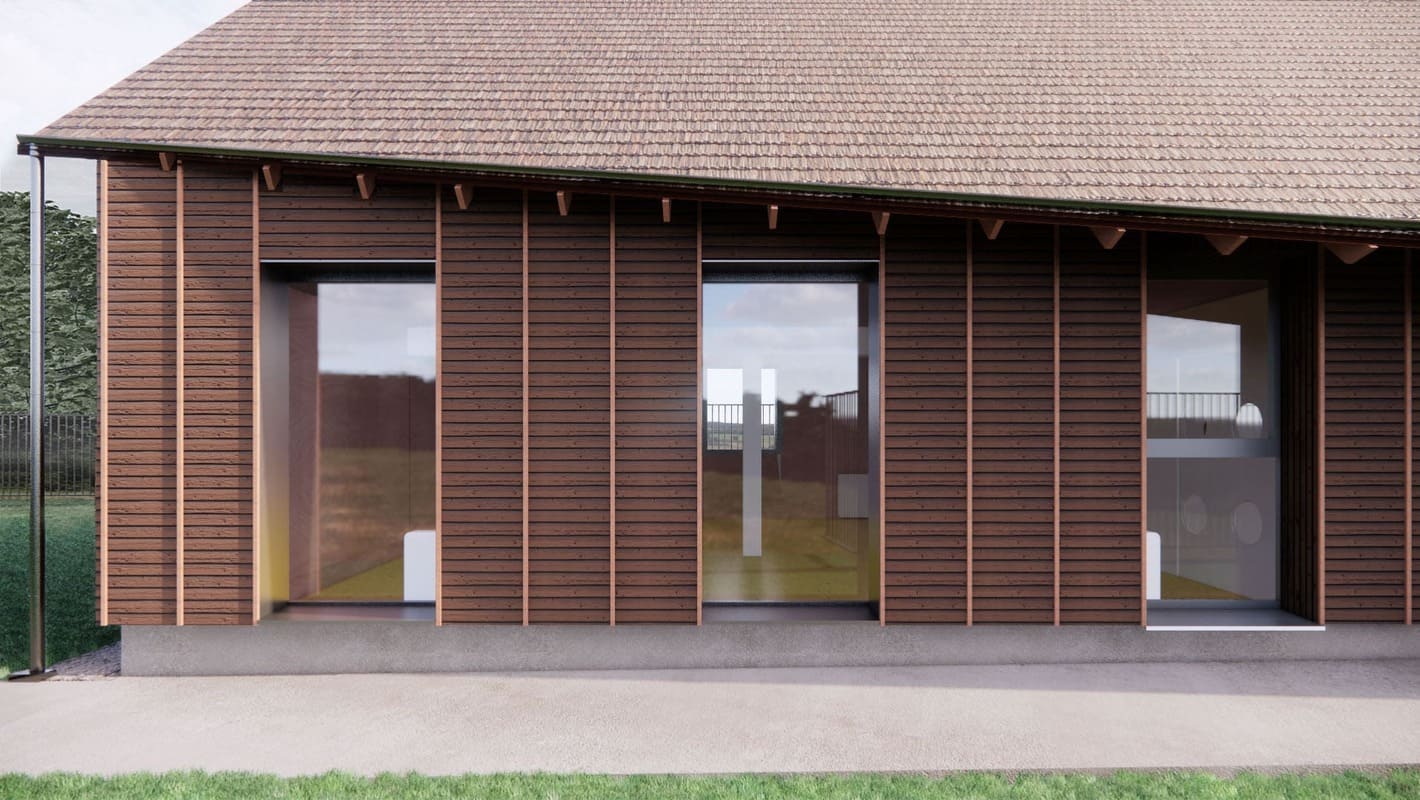
In the first year, we brought work from our previous offices with us. So, although these were Mura Scala commissions, many were still individually led based on past commitments. We knew we wanted to build something together, but it was challenging at first because we had to keep managing those ongoing assignments. When they were completed, it marked a turning pointâwe could finally focus on what we had envisioned from the start. That was crucial. By then, we had already begun shaping Mura Scalaâs identity, but with those behind us, we had much more time to focus collaboratively. Soon after, we won our first public commission: a school in Garancières. It was a small undertaking, but it reassured us that we were on the right path.
LA: That project meant a lot to us. It wasnât a flashy commissionâjust two classrooms for a primary school. The cityâs original plan was to order prefab units and place them in the schoolyard. After the site visit, the mayor asked if we had ever worked with prefab before. Clara had worked on a high-end prefab kindergarten in the Jardin du Luxembourg with Djuric-Tardio, so we had some experience. But back in the car, we thought, âWhat is this? This is like the bare minimum of architecture. Maybe we shouldnât apply.â But since we had driven an hour and a half to get there, we decided to applyâand we won. Then began a long process working with the city team and the Architectes des Bâtiments de France, since the school is in a protected historic area.
In the end, we proposed a wooden prefab structure that everyone accepted. But in May of 2024, the city hall called to tell us the mayor was stepping down. A new administration came in and didnât like the project because it was from the previous team. So everything was put on hold. Ironically, we had calculated our fees thinking it would be a simple prefab job, but it became one of our longest projects. Still, it reflects this idea of the architecte de campagneâlike the countryside doctor whoâs always present, helping shape things with the community.
CH: Thatâs actually the framework we had in mind when we created the office. Thereâs always room to improve, even with small projects. Despite delays and changes in administration, they eventually accepted that this wasnât a political project but a solid architectural response. For us, that was real validation. It confirmed that working with care, attention, and dialogue is not only possible but meaningful. That project truly captures what Mura Scala is about.
Elevating possibilities
LA: Even though weâre both from Paris, there are great opportunities within an hour to an hour and a half from the city to reach these kinds of areas. Like the school project in Garancièresâitâs in the middle of the country, yet just about an hour door-to-door from here. We like being based in Paris for this reason: from here, we have access to a wide variety of landscapes. Above all, we are deeply committed to nurturing and preserving the unique spirit of these rural places that so often go overlooked.
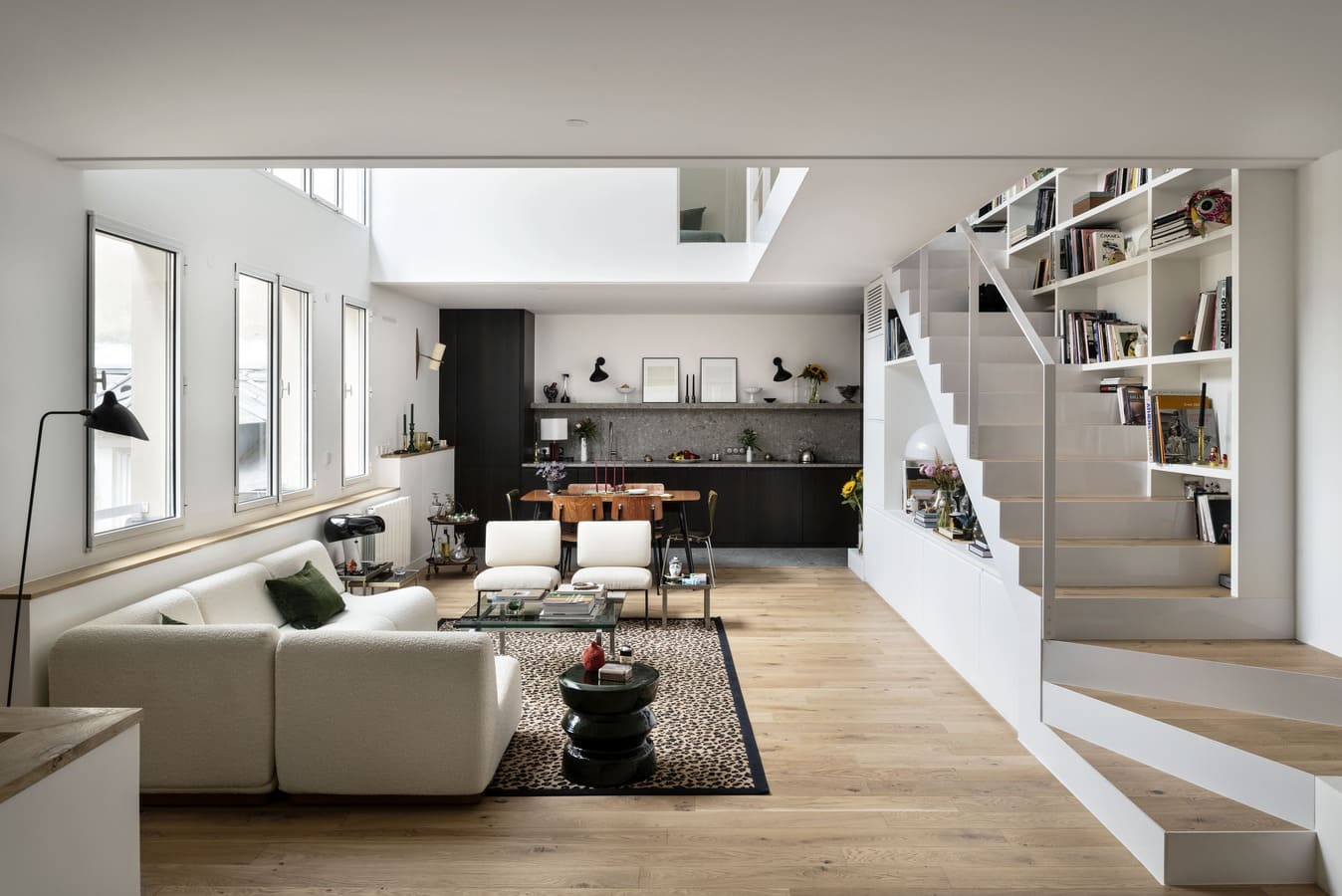
The second focus relates to a specific typologyâin French, surĂŠlĂŠvation, meaning roof extensions. We have a few past and ongoing projects on this theme. Itâs an area where the city is slowly evolving, although Paris is quite conservative with its buildings. We want to challenge that idea and show that thereâs always room to do more. This also ties into off-site construction, which is really interesting technicallyânot just designing, but figuring out how to build on existing structures, how to bring materials through small doors, and manage construction on tight sites. Given that Paris real estate is so expensiveâaround 10,000 euros per square metreâthereâs an opportunity to build well, maybe at half that cost, and still achieve good quality. This is something we are working on and want to continue.
CH: The fact that our office is based in Paris naturally connects many themes in our work. We deal with existing buildings and limited space, and roof extensions are a great solution in this context. Being from here really shapes what we do. Itâs exciting now to see with the school project that the themes weâve been exploring in Paris also make sense elsewhere.
From site to solution
LA: Our generation mostly works with existing buildings. There are two reasons for this. The first is political: weâre not really interested in building new objects from nothing. The second is economic: new construction projects tend to be bigger and harder to access. While weâve done new build projects before, itâs not what really appeals to us.
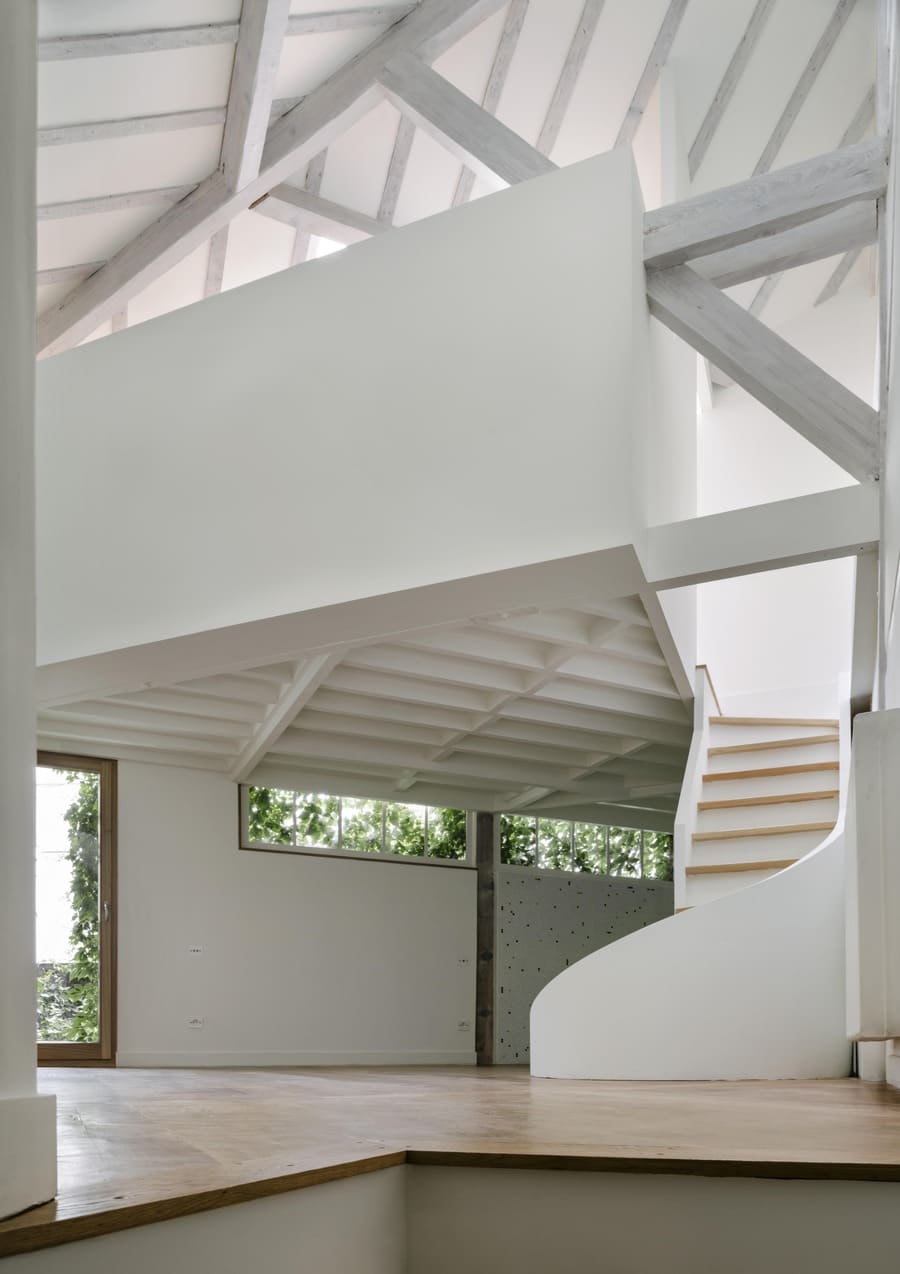
Of course, building from scratch is easier in some waysâfewer construction issues, less hassleâbut we enjoy the challenges of working with existing buildings. For example, we have an ongoing project extending a house in the 13th district of Paris. Itâs a family homeâa couple with children from previous relationships, so they need more space. Weâre adding one level, about 50 square metres, at the back of a small alley. The family will stay in the house during construction, which creates site management challenges because we have to ensure they have a liveable shell throughout.
Another important aspect is that this is our first project under the new Paris building code regulations, which took effect in November last year. These regulations emphasise bio-sourced materials. Weâre balancing budget and materials, aiming to use a wooden structure for the extension. Introducing new materials isnât necessarily more expensive. However, when people arenât familiar with them, costs can rise due to the fear of making mistakes. Thatâs why we invest a lot of time educating on-site.
CH: Education is key. Sometimes clients have a certain idea of what looks good or what makes a good interior space, but it costs a lot. When they donât have the budget, we offer alternativesâbut we have to push to show them that these arenât just crazy architectural details, but solutions that can work within their budget.
This, along with other projects, highlights another key focus of our practice: hands-on engagement with the construction site. Weâve learned a great deal from working directly on-site, where the construction process becomes an integral part of design. Itâs not just about drawing in the officeâweâre actively on site, discovering and solving challenges as they arise. There are many things you canât see before cleaning everything up.
A seaside challenge
LA: This year, we started working on a public project: a lifeguard building by the sea. Itâs in a very iconic spot, tucked at the back of a busy fishing port with lots of infrastructure. Weâll build a small, 200-square-meter, two-floor buildingâoffices and changing rooms for the lifeguards. Itâs not exactly countryside, since itâs a small town, but it fits our focus on investing in these kinds of territories. The seaside environment is toughâsalt is highly corrosiveâso we have to choose materials that can withstand it.
CH: Working in Brittany opens new possibilities for materials. We collaborated with an association on a small wooden project and spent a day visiting artisans who still craft traditional reed roofs, a technique found here and in southern France, though few artisans continue the practice.
LA: This lifeguard house is part of a much larger âŹ15 million redevelopmentâweâre just one small piece. Being directly involved in this process is a big milestone for us. Unlike past projects with long negotiations with mayors, here everything is clear and moves quickly.
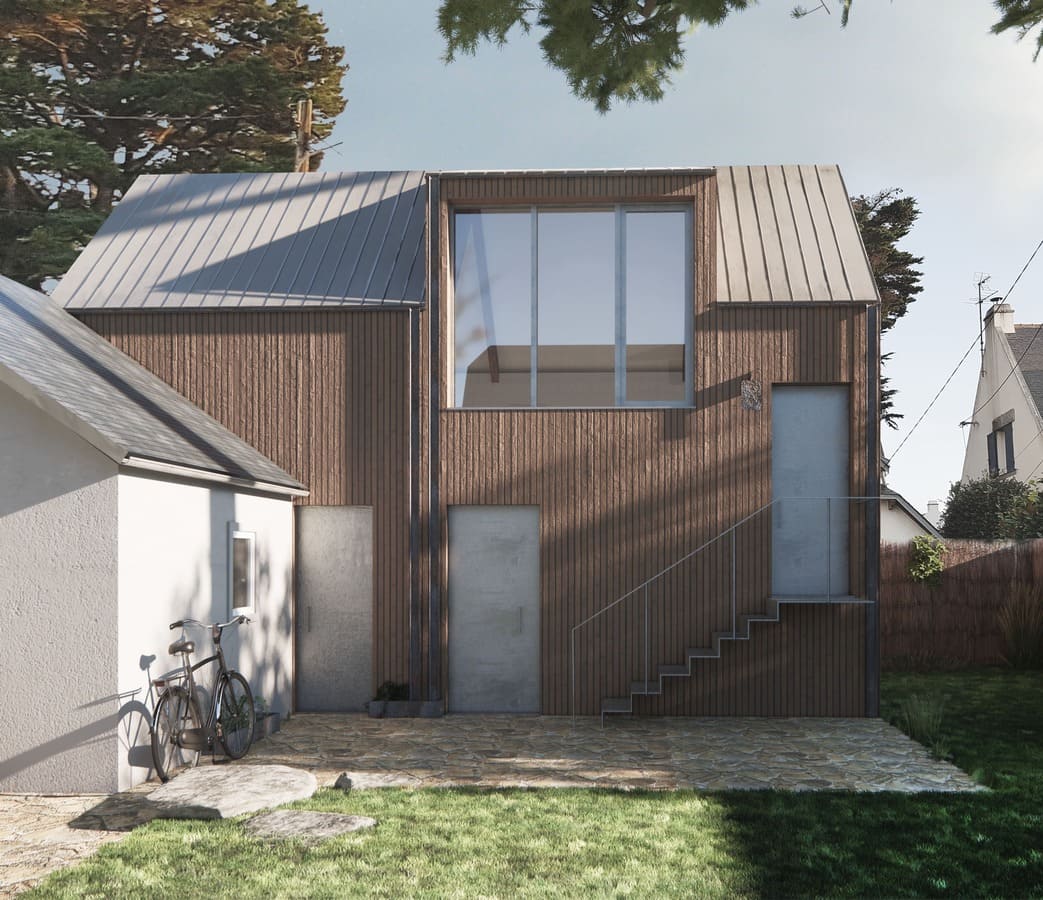
Our design focused on efficiency: a simple cube with a concrete exoskeleton and steel facade. Since a big company probably wouldnât want a 200-square-meter project like this, we organised it, so a local mason could build the concrete beams and columns, and smaller specialists could complete the wooden parts.
CH: Looking ahead, we want to take on more projects in Brittany, where the themes differ greatly from Paris. It makes senseâgrowth means exploring new places. But we want to do it thoughtfully. We know Brittany well and aim to build a strong network there.
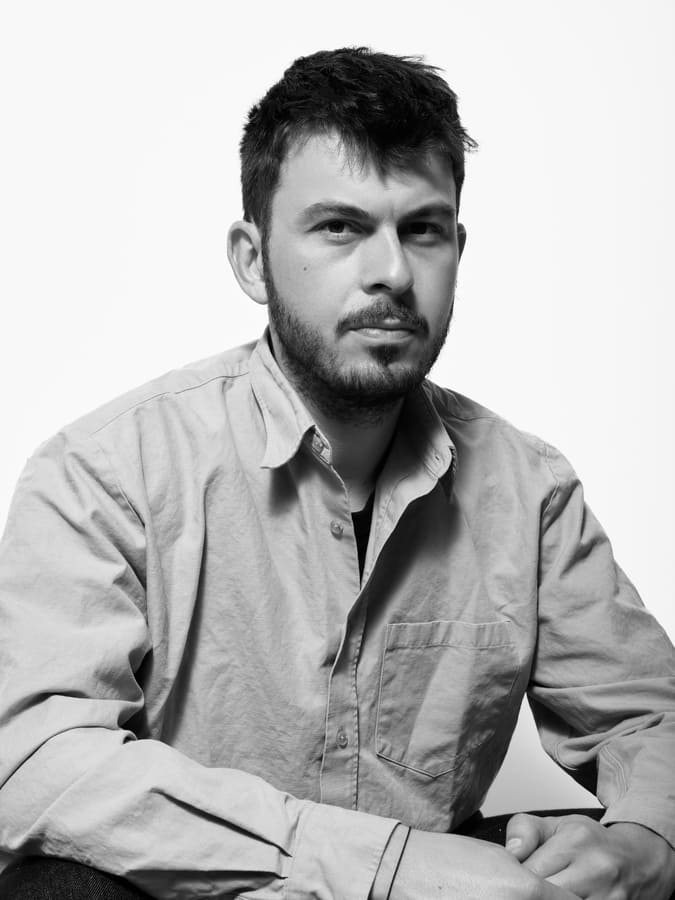
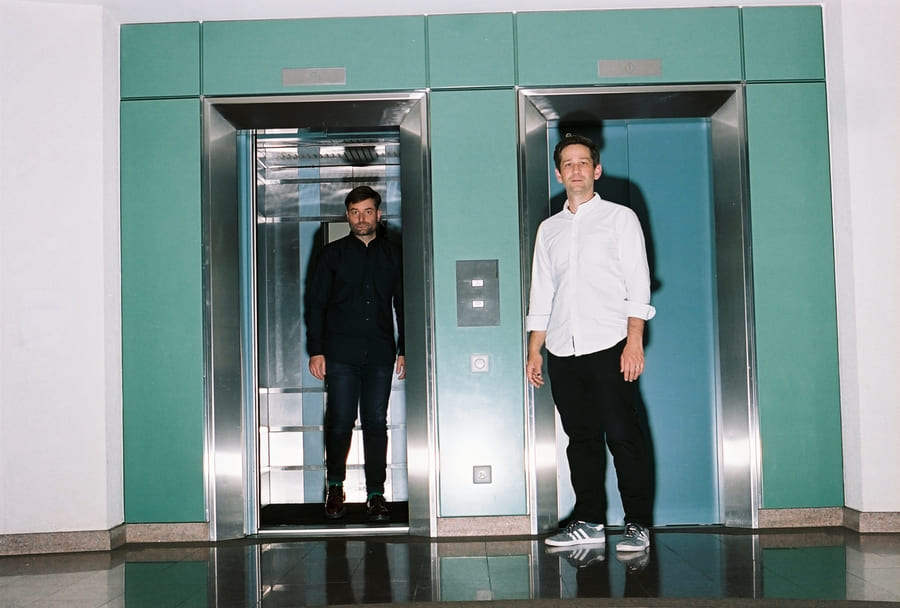
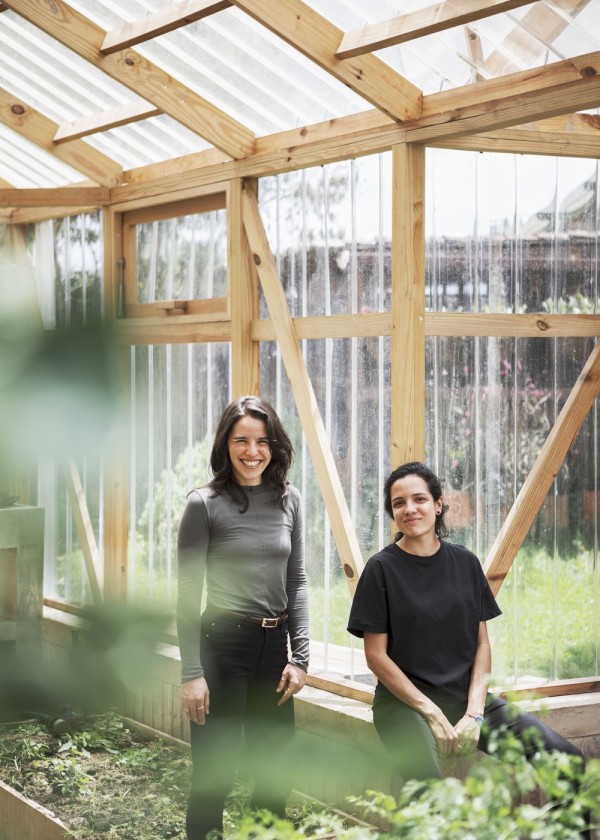
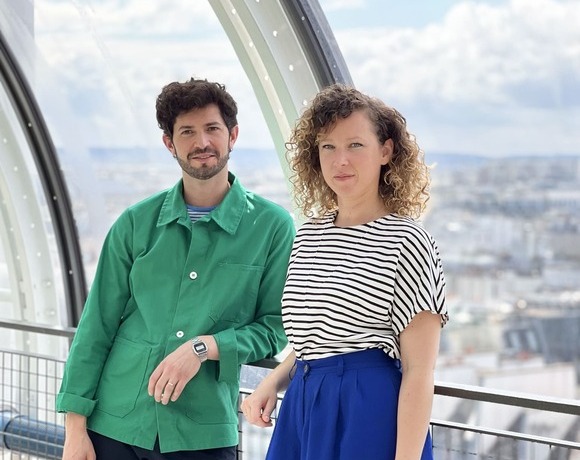
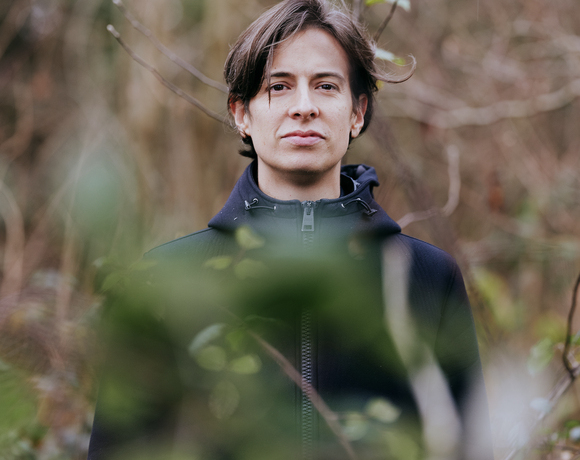
âĄď¸ Atelier Mura Scala. Leo Akahori, Clara Hernandez. Ph. Yann Rouxel
âĄď¸ GAR. Primary school in wood, Paris. Img. Atelier Mura Scala
âĄď¸ FBG. Two level roof extension, Paris. Ph. Ginevra Formentini
âĄď¸ FUS. Renovation of a 19th-century artist studio, Paris. Ph. Ginevra Formentini
âĄď¸ QUI. Extension an artist studio on the beach, Brittany. Ph. Clara Hernandez
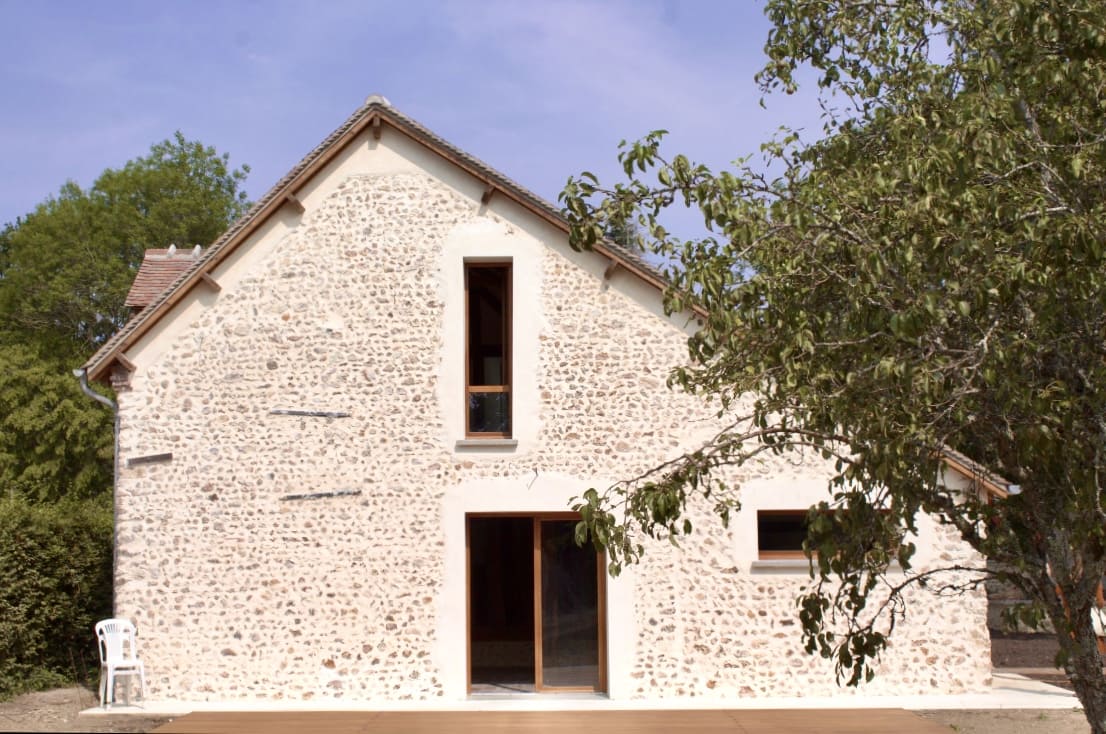
âĄď¸ MAN. Rehabilitation of an old farm house, Manou. Ph. Clara Hernandez