BUREAUPERRET
What Remains, What Becomes
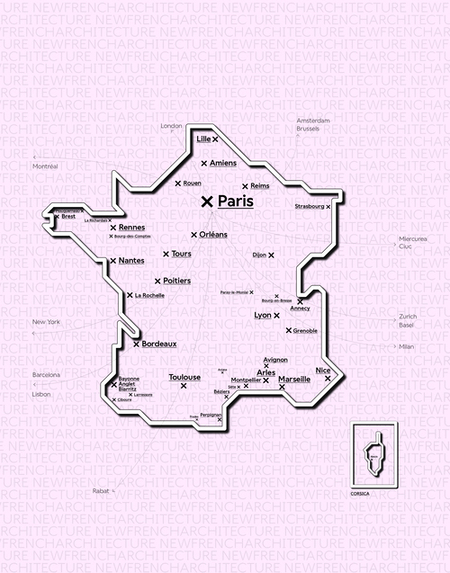
New French Architecture
An Original Idea by New Generations
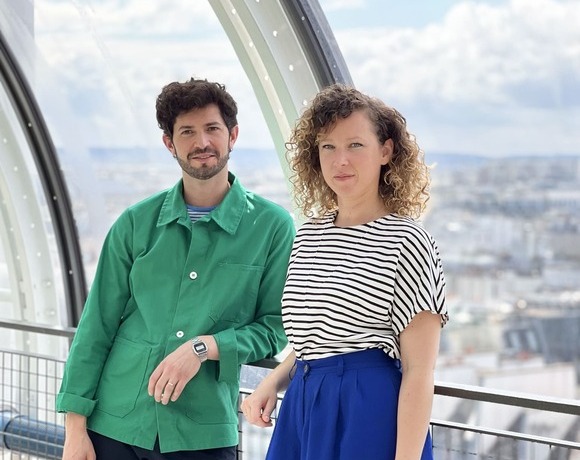
Pierre-Arnaud DescĂŽtes
Coming Soon
ECHELLE OFFICE
In Between Scales
Atelier
Rooted in Context, Situated at the Centre
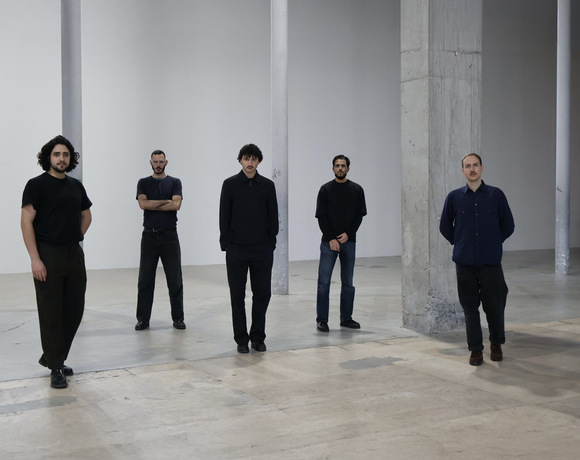
AJAM
Systemic Shifts, Local Gestures
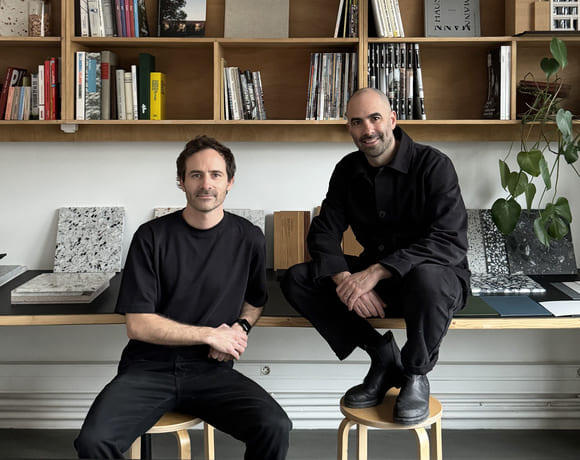
Mallet Morales
Stories in Structure
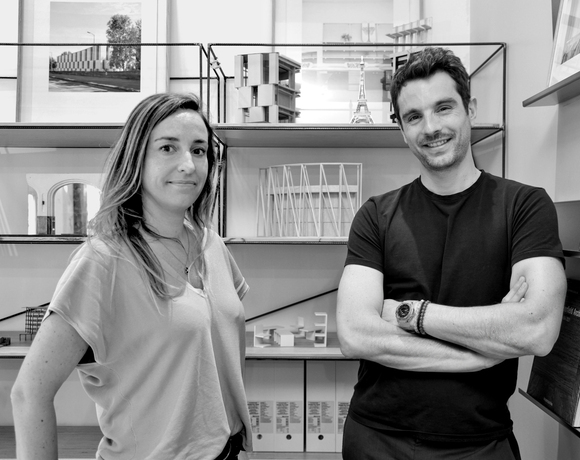
Studio SAME
Charting Change with Ambition
Lafayette
Envisioning the City of Tomorrow
Belval & Parquet Architectes
Living and Building Differently
127af
Redefining the Common
HEROS Architecture
From Stone to Structure
Carriere Didier Gazeau
Lessons from Heritage
a-platz
Bridging Cultures, Shaping Ideas
Rodaa
Practicing Across Contexts
Urbastudio
Interconnecting Scales, Communities, and Values
Oglo
Designing for Care
Figura
Figures of Transformation
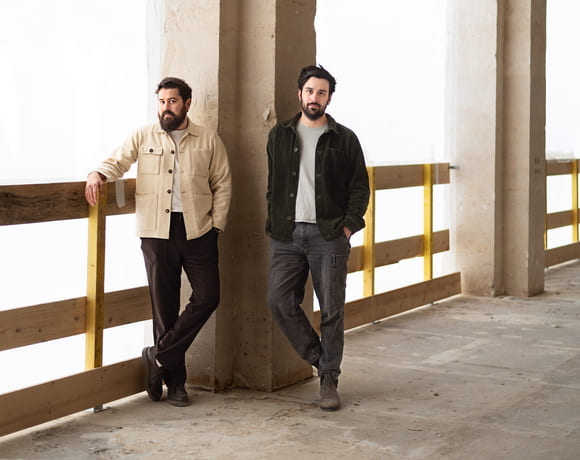
COVE Architectes
Awakening Dormant Spaces
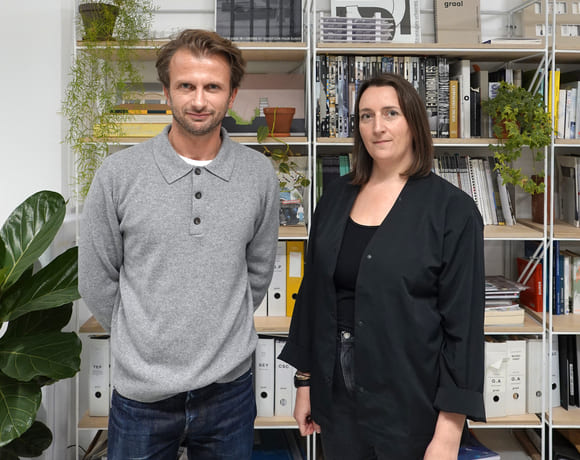
Graal
Understanding Economic Dynamics at the Core
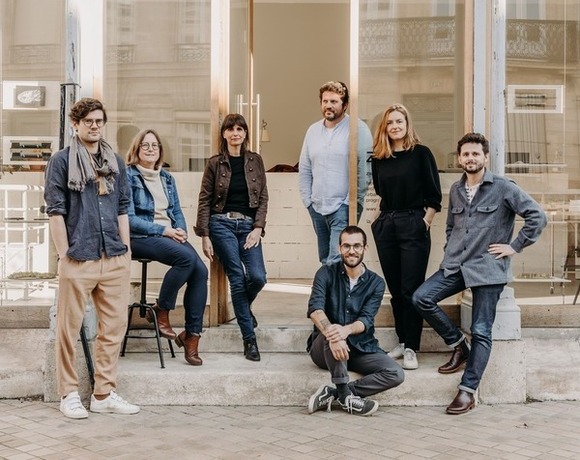
ZW/A
United Voices, Stronger Impacts
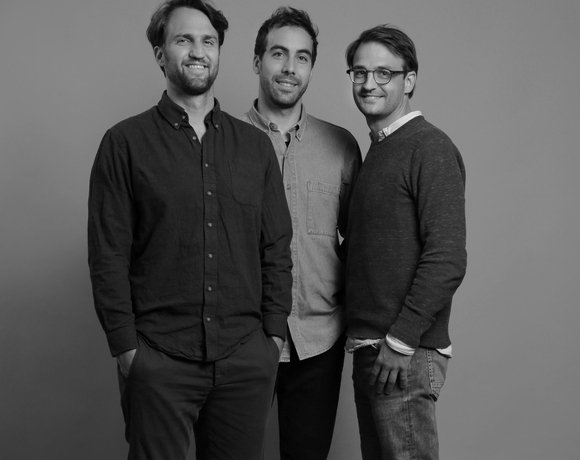
A6A
Building a Reference Practice for All
BERENICE CURT ARCHITECTURE
Crossing Design Boundaries
studio mÀc
Bridging Theory and Practice
studio mÀc
Bridging Theory and Practice
New Swiss Architecture
An Original Idea by New Generations
KUMMER/SCHIESS
Compete, Explore, Experiment
ALIAS
Stories Beyond the Surface
sumcrap.
Connected to Place
BUREAU/D
From Observation to Action
STUDIO ROMANO TIEDJE
Lessons in Transformation
Ruumfabrigg Architekten
From Countryside to Lasting Heritage
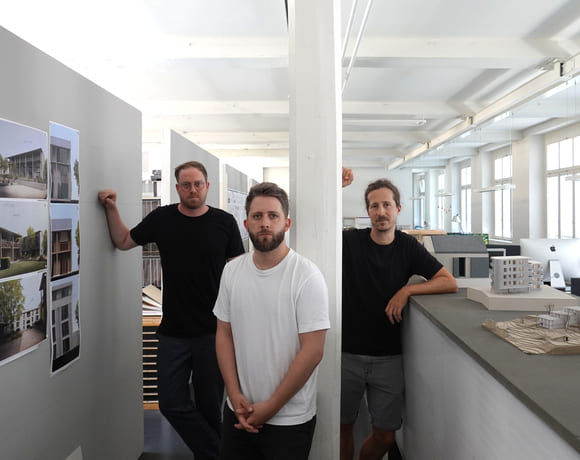
Kollektiv Marudo
Negotiating Built Realities
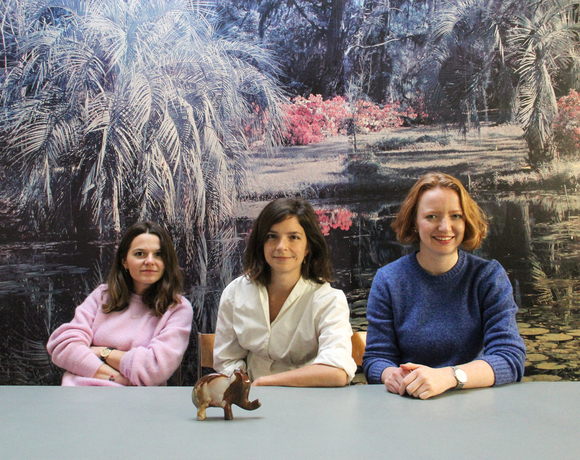
Studio Barrus
Starting byChance,Growing Through Principles
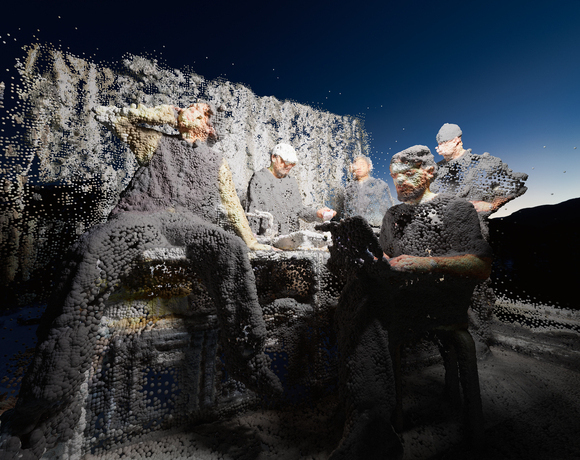
dorsa + 820
Between Fiction and Reality
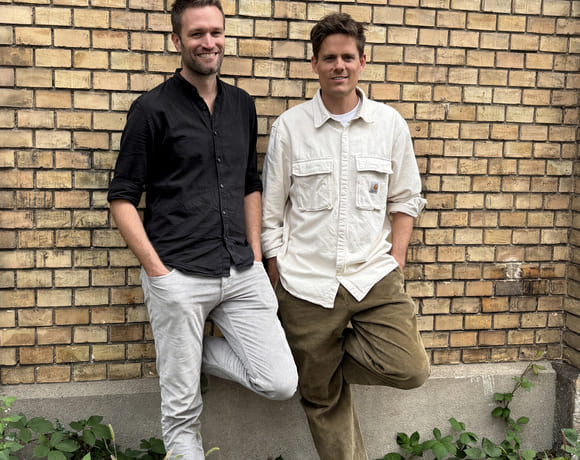
S2L Landschaftsarchitektur
Public Spaces That Transform
DER
Designing Within Local Realities
Marginalia
Change from the Margins
En-Dehors
Shaping a Living and Flexible Ecosystem
lablab
A Lab for Growing Ideas
Soares Jaquier
Daring to Experiment
Sara Gelibter Architecte
Journey to Belonging
TEN (X)
A New Kind of Design Institute
DF_DC
Synergy in Practice: Evolving Together
GRILLO VASIU
Exploring Living, Embracing Cultures
Studio â Alberto Figuccio
From Competitions to Realised Visions
Mentha Walther Architekten
Carefully Constructed
Stefan Wuelser +
Optimistic Rationalism: Design Beyond the Expected
BUREAU
A Practice Built on Questions
camponovo baumgartner
Flexible Frameworks, Unique Results
MAR ATELIER
Exploring the Fringes of Architecture
bach muÌhle fuchs
Constantly Aiming To Improve the Environment
NOSU Architekten GmbH
Building an Office from Competitions
BALISSAT KAĂANI
Challenging Typologies, Embracing Realities
Piertzovanis Toews
Crafted by Conception, Tailored to Measure
BothAnd
Fostering Collaboration and Openness
Atelier ORA
Building with Passion and Purpose
Atelier Hobiger Feichtner
Building with Sustainability in Mind
CAMPOPIANO.architetti
Architecture That Stays True to Itself
STUDIO PEZ
The Power of Evolving Ideas
Architecture Land Initiative
Architecture Across Scales
ellipsearchitecture
Humble Leanings, Cyclical Processes
Sophie Hamer Architect
Balancing History and Innovation
ArgemĂ Bufano Architectes
Competitions as a Catalyst for Innovation
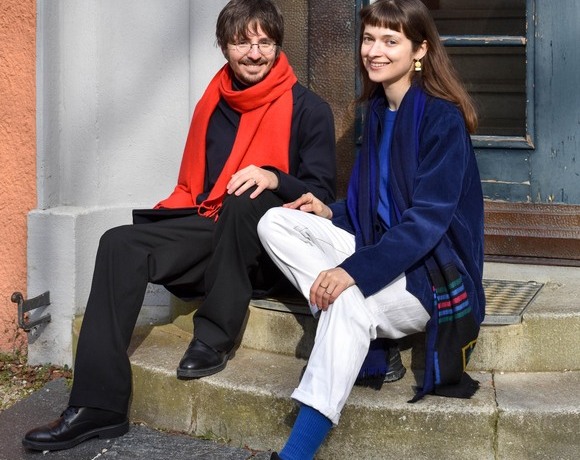
continentale
A Polychrome Revival
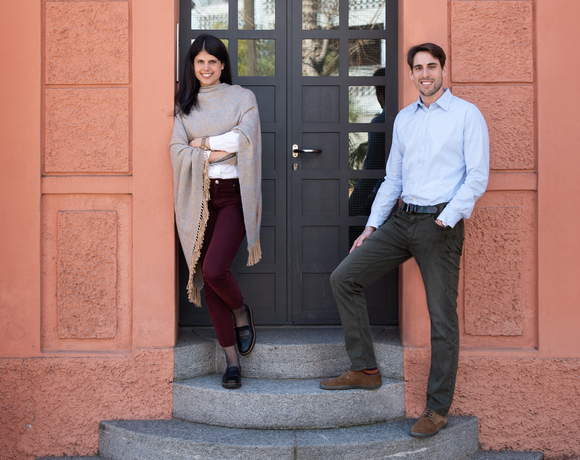
valsangiacomoboschetti
Building With What Remains
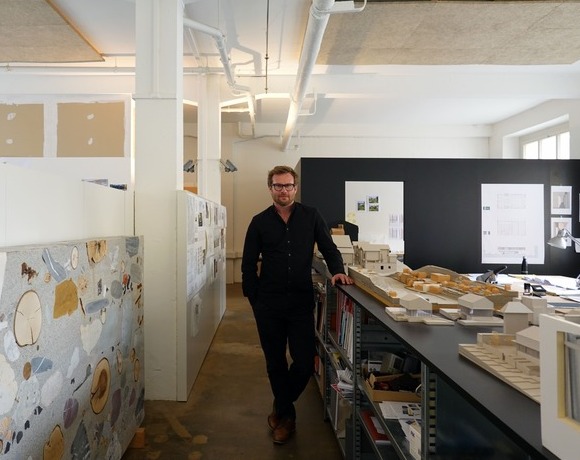
Oliver Christen Architekten
Framework for an Evolving Practice
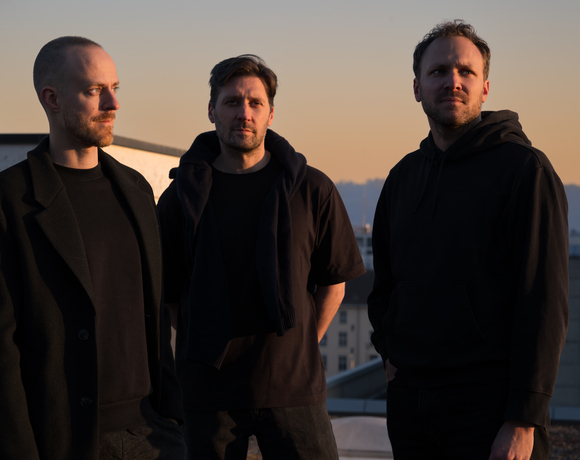
MMXVI
Synergy in Practice
Balancing Roles and Ideas
studio 812
A Reflective Approach to
Fast-Growing Opportunities
STUDIO4
The Journey of STUDIO4
Holzhausen Zweifel Architekten
Shaping the Everyday
berset bruggisser
Architecture Rooted in Place
JBA - Joud Beaudoin Architectes
New Frontiers in Materiality
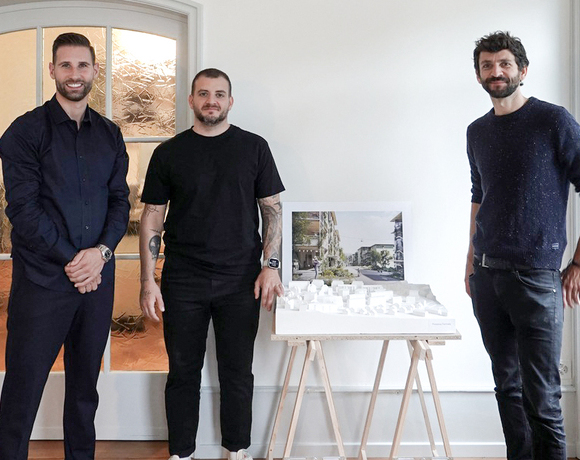
vizo Architekten
From Questions to Vision
Atelier NU
Prototypes of Practice
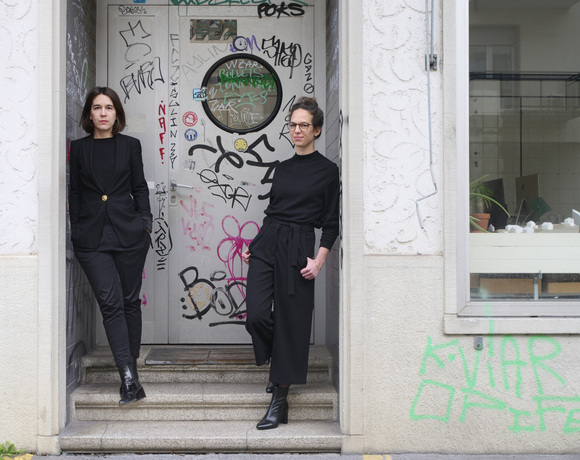
Atelier Tau
Architecture as a Form of Questioning
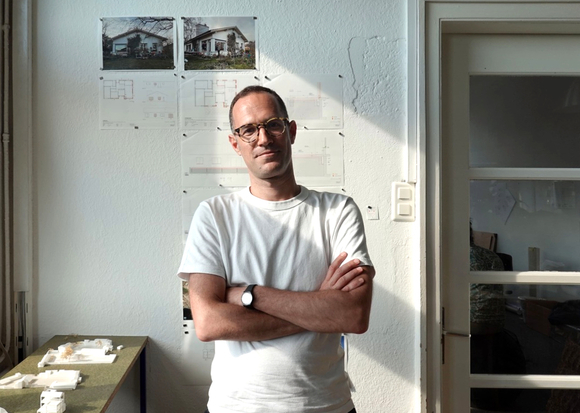
alexandro fotakis architecture
Embracing Context and Continuity
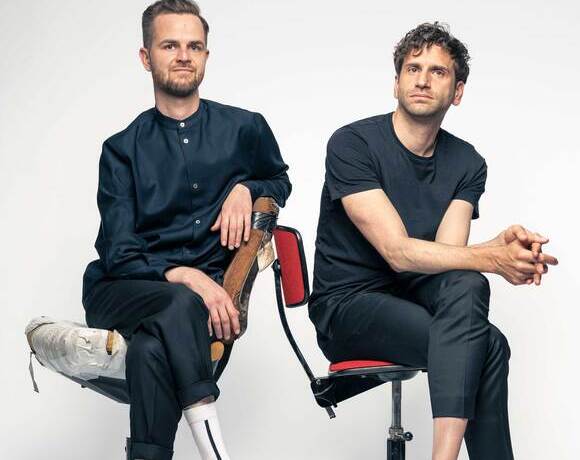
Atelier Anachron
Engaging with Complexity
studio jo.na
Transforming Rural Switzerland
guy barreto architects
Designing for Others, Answers Over Uniqueness
Concrete and the Woods
Building on Planet Earth
bureaumilieux
What is innovation?
apropaÌ
A Sustainable and Frugal Practice
Massimo Frasson Architetto
Finding Clarity in Complex Projects
Studio David Klemmer
Binary Operations
Caterina Viguera Studio
Immersing in New Forms of Architecture
r2a architectes
Local Insights, Fresh Perspectives
HertelTan
Timeless Perspectives in Architecture
That Belongs
Nicolas de Courten
A Pragmatic Vision for Change
Atelier OLOS
Balance Between Nature and Built Environment
Associati
âCheap but intenseâ: The Associati Way
emixi architectes
Reconnecting Architecture with Craft
baraki architects&engineers
From Leftovers to Opportunities
DARE Architects
Material Matters: from Earth to Innovation
KOMPIS ARCHITECTES
Building from the Ground Up
Fill this form to have the opportunity to join the New Generations platform: submissions will be reviewed on a daily-basis, and the most innovative practices will have the chance to be part of the media's coverage and participate in our cultural agenda, including events, research projects, workshops, exhibitions and publications.
New Generations is a European platform that investigates the changes in the architectural profession ever since the economic crisis of 2008. We analyse the most innovative emerging practices at the European level, providing a new space for the exchange of knowledge and confrontation, theory, and production.
Since 2013, we have involved more than 3.000 practices from more than 50 countries in our cultural agenda, such as festivals, exhibitions, open calls, video-interviews, workshops, and experimental formats. We aim to offer a unique space where emerging architects could meet, exchange ideas, get inspired, and collaborate.
A project by Itinerant Office
Within the cultural agenda of New Generations
Editor in chief Gianpiero Venturini
Team Akshid Rajendran, Ilaria Donadel, Bianca Grilli
If you have any questions, need further information, if you'd like to share with us a job offer, or just want to say hello please, don't hesitate to contact us by filling up this form. If you are interested in becoming part of the New Generations network, please fill in the specific survey at the 'join the platform' section.
What Remains, What Becomes
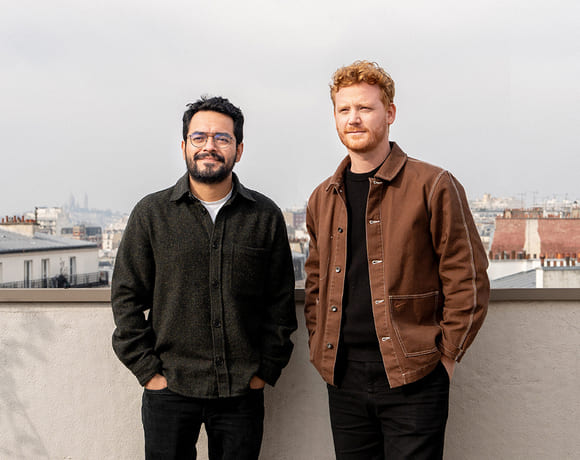
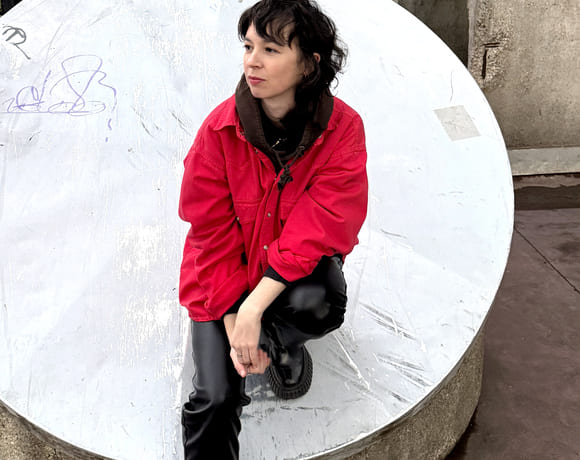
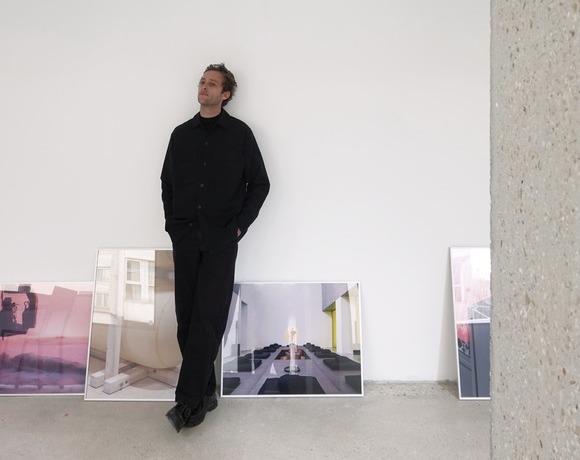
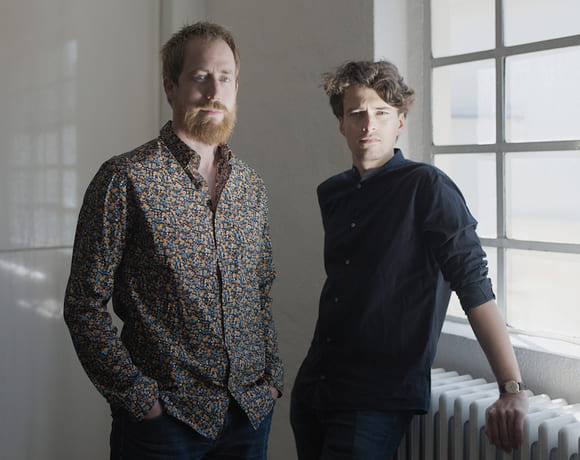
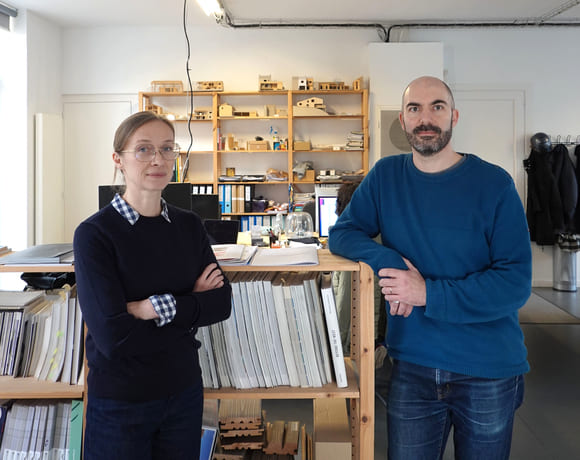
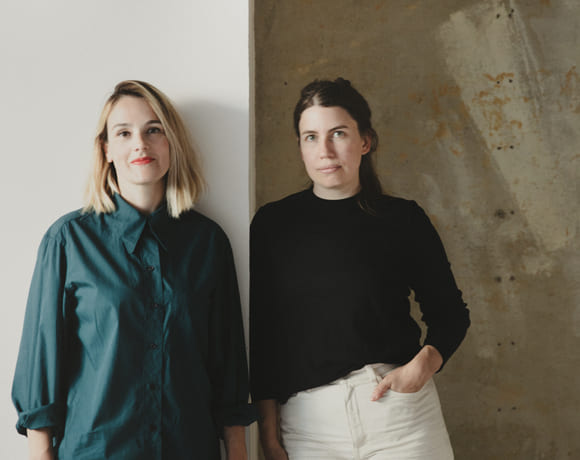
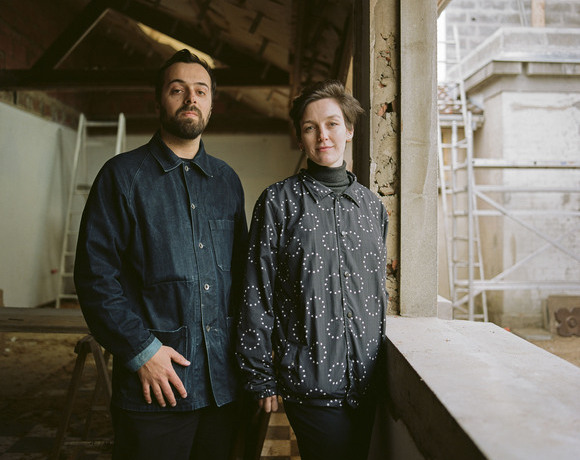
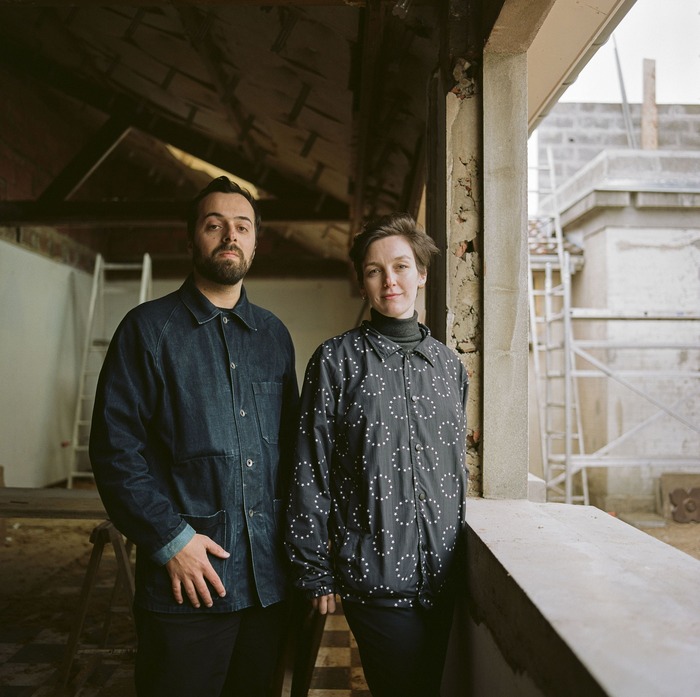
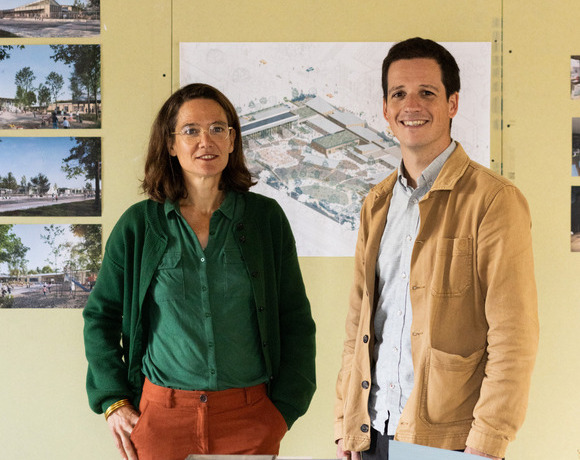
Created in September 2022, BUREAUPERRET is the association of two architectural practices: Gabrielle and Alex Perret. Their practice is based on analysing and understanding complex built and unbuilt situations, and tangible and intangible heritage. History, memory, materials, construction and destruction constitute a precious context that they study and document to turn it into a resource. They see their practice as a self-sustaining process of training, experimentation and transmission. Their architectural field is located both inside and outside the city, around Chanoz-Chatenay and Paris.
GP: Gabrielle Perret | AP: Alex Perret
A changing field
GP: Itâs a recent trend, but here in Paris, there are far more architects now than there used to be. I think itâs part of a broader shift happening in architecture. One reason might be the growing awareness of the environmental crisis, but also, thereâs been a change in how architecture is taught. Younger architects are more conscious of these issues and want to approach the practice differently. They often canât find a place to do that within traditional practices, so they start their own. Thereâs also this shift in how we view work and life. At school, we were taught to devote ourselves entirely to architecture, working long hours. But as weâve moved forward, weâve realised we want to do things differently. For many of us, starting our own practices seemed like the best way to make that happen.
AP: Older and more established practices often havenât adapted their structures, so if you want something different, you really have to create it yourself. Thatâs probably one reason weâre seeing so many new practices emerging. The same goes for addressing the environmental crisisâitâs easier for new practices to adopt careful, sustainable approaches from the beginning, while older firms may find it harder to change established ways of working.
GP: Iâd also add something else. Over the last 10 years or so, thereâs been a shift in the profession itself. It used to be dominated by men, but now, about 70% of architecture students are women. Iâm sure this has an impact on the field. Itâs not exactly a revolution, but itâs a significant change.
Realisations and happenstance
GP: I graduated from Versailles Architecture School and spent a year in Palermo as part of Erasmus. After studying architecture, I worked in applied practices, mainly at Parc architectes, where I focused on competitions and led a concept team. Later, I worked at Sou Fujimoto in Paris, but by the end of that experience, I knew I wanted to do something different. This realisation coincided with the COVID crisis, so I began freelancing for a small practice called DEPEYRE MORAND. It was a great experience and allowed me to start working on my own projects. Around that time, Alex and I began collaborating, and about a year later, we officially started working together. In parallel, Iâve been teaching for five yearsâfirst at Versailles Architecture School with my former boss from Parc, and now at Saint-Ătienne.
AP: I studied in Lyon, spending all my school years there before moving to Barcelona. It was during the height of the financial crisis, but by chance, I found a small officeâLiebman Villavecchia Arquitectosâthat welcomed me. The practice is run by Eileen Liebman and Fernando Villavecchia, a couple with a wealth of experience. Working with them felt like an extension of my education. Their practice is well-organised and focused on transformation, refurbishment, and rehabilitation. It was my first real exposure to this type of work, and they gave me the tools to approach it thoughtfully. I had to translate those lessons into a French context later, but their influence remains strong. What I learned there wasnât just technicalâit was a way of thinking, observing, and working with existing structures. Their focus on detail and construction taught me to care deeply about every element of a project. I spent a year drawing almost exclusively in 1:50 or 1:20 scales, rarely larger, which helped me develop an eye for precision. Their mentorship left a lasting impression, and I often think back to their advice when approaching new challenges.
After that experience, I joined the team at Parc, where I met Gabrielle in 2016 while working on a competition in Papeete, Tahiti. I was there for about four months, and we worked together during that time. That was the first time we really collaborated, and we realised we worked well together. A few years later, after about a year of working on our own projects in parallel and constantly discussing ideas, sharing thoughts, and asking each other for feedback, we decided to make it official and form the practice together. That was in 2022.
GP: The funny thing is the decision to start our practice is kind of tied to Tahiti. When I was at Parc architectes, I was supposed to go to Tahiti as part of that competition, but the trip was cancelled because of COVID. I had the plane ticket in my name, though, so I held onto it. Two years later, Alex and I decided to finally take the trip together. Coming back from Tahiti, we had all this time to talk about our future, and thatâs when we decided to officially set up the practice.
The LOULOU House
AP: Our first real project together was a roof extension for a beach house in Normandy, which we called Loulou. It was a family projectâGabrielle's aunt was the client, and it was a house she had known since childhood. It was a small holiday home from the 1920s, located in a tourist area. The program was simpleâsmall bedrooms and a big, open living space. The house was in rough shape when we started, almost like a ruin. But we loved its character and wanted to preserve it.
GP: We were probably the only ones who wanted to keep the house. The contractors wanted to demolish it, but that wasnât an option because if we tore it down, we wouldnât be allowed to rebuild the same square footage. So, we convinced everyone to keep it.
AP: Structurally, it was a challenge. We had to find ways to make it safe while adding a second level. The house didnât fit the typical style of the areaâit stood out among all the fake wood constructions with painted façades. We wanted the extension to speak to the uniqueness of this house rather than mimic the surrounding architecture. We worked with materials that tied into the original structure, using a modern layer of coating that played off the existing details. It was important for us to stay true to the houseâs identity. At one point, we even discovered a hidden basement during construction, which forced us to adapt our plans. It was a real exercise in problem-solvingâworking with engineers, the construction team, and revising drawings on the fly while sticking to the original vision.
GP: This project taught us so much. We started developing our toolsâdoing detailed surveys, creating diagnostics, and organising everything in Archicad. It was a long process for such a small house, but it really helped us establish our methods. And we were navigating all of this during the material price crisis, which made everything much more expensive. It was tough, but it taught us how to handle these challenges.
In dialogue with the existing
AP: In essence, each of our projects seeks to bring together heritage, materials, and the aesthetic dimension of design into a thoughtful synthesis. For me, heritage is about what we collectively choose to transmit. Itâs a social choiceâwhat we as a society decide to preserve, value, and pass down. Itâs not just about old buildings or those made with expensive materials; itâs about both the material and immaterial. These two dimensions are deeply connected when it comes to heritage. In our practice, we treat every project with the same care and professionalism as we would a historic monument or a centuries-old church. We aim to diagnose, understand, and work thoughtfully with the existing structure. This focus on the existing matterâwhatâs already thereâbecomes the foundation for how we design and build around it. For diagnostics, we work in two phases: on-site and off-site. On-site involves immersing ourselves in the building, understanding how itâs constructed, and identifying how different parts connect. We typically make an initial visit to draw, take measurements, and get a feel for the structure. Then, thereâs a second visit where we assess the buildingâs condition, identifying any pathologies or weak points. This helps us decide where action is needed and whatâs worth preserving.
GP: And then thereâs the off-site work, which is all about researchâarchives, old plans, photos, whatever we can find. Alex loves spending hours in archives, opening old boxes, and discovering beautiful hand-drawn plans or unexpected details.
AP: The archive work is essential because if you skip it, you might miss critical details about the buildingâs history and evolution. For instance, understanding the different states a building has gone through can completely change how you approach an intervention.
GP: And itâs interesting how the on-site and off-site work inform each other. You go back and forth, discovering new layers of the buildingâs story and construction techniques. Itâs like piecing together a puzzle. Then, when construction starts, it becomes a test of everything youâve diagnosed. Surprises always pop upâthings you couldnât verify beforeâand you have to adapt and rethink your approach on-site.
What lies beneath
AP: One project that stands out is Villa Hefferlin, a famous house by André Lurçat. While working through the archives, we found photos from its construction, which showed its skeleton of concrete and basic masonry. It was fascinating because the reality was so different from the modernist fantasy of pure concrete.
GP: Those photos revealed how elementary the construction actually was, breaking the myth of modernist purity. And when you approach a project with that kind of understanding, your intervention changes entirely. The house had also been heavily altered over time, with interior redesigns that didnât align with the original modernist aesthetic. For example, just a few years after it was built, the interior was transformed into a colourful Andalusian-inspired style. Discovering that in the archives was a fun surprise.
AP: Our studies and archival research also helped us identify that the main quality of Villa Hefferlin was its spatial distribution and the architectural promenade envisioned by André Lurçat, which had completely disappeared under successive interventions.
GP: The commission, focused on restoring the terraces and roof terrace, gave us the opportunity to reintroduce materials and dimensions that could simply recover that quality, while making the houseâs changes legible.
AP: When dealing with existing buildings, we focus on their inherent character. For one project, we used straw for constructionâa material that allowed us to work with good environmental values but without making it obvious or preachy. It was like a secret: the house was made of straw, but we didnât flaunt it.
GP: The goal was to express the material in a more sculptural, plastic wayânot as a gimmick, but as something powerful and subtle. Working with experts in straw construction was a great way to expand our knowledge and network.
A lexicon for transformation
AP: When I worked in Barcelona, I discovered this term in Spanish: reformar. I love the concept of reforming, which doesnât really exist in French. In France, we have rehabilitation, restoration, and renovationâbut itâs not the same as reforming. When we start a project, we need to define what weâre actually doing. Are we renewing, meaning building the same way but new? Are we refurbishing, which involves adapting to a different way of living in the building? Or are we extendingâmaybe by adding to the roof? If you donât clarify this question from the start, the project wonât workâyouâll misunderstand the existing building, make mistakes. Itâs so important to define these things precisely.
GP: It reminds me of a talk I gave at the Saint-Ătienne school about the architectural language of transforming buildings. It was about themes like colour, material, and shapeâhow they show a buildingâs transformation. Afterwards, we had a long discussion about language and naming. For me, itâs an ongoing collaboration between vocabulary and the shapes we create.
AP: Rediscovering a term means rediscovering its design potential. Iâm convinced that cultivating vocabulary cultivates a richer imagination for designing. When you have the exact word you need, itâs like treasureâyou donât need to invent anything; you just need to find the right word. For us, keeping this link between vocabulary and design is essential. Everything is so deeply interconnected.
Keeping the dialogue alive
AP: Our practice was built on the complementarity between two contexts: the city of Paris and the rural landscapes of the Bresse. Over the past few months, the development of small-scale public projectsâworking with local municipalities to transform and reinvest in existing buildingsâhas given us the opportunity to shift that balance. Instead of being an office between Paris and Chanoz-Chatenay, weâre becoming a practice between Chanoz-Chatenay and Paris.
This is not just a change of address but a deliberate choice to test another way of practicing architecture: one rooted in place, attentive to its history, its materials, its social fabric. This move also questions the urban-entered model of practice: how can architecture respond to the environmental crisis if it doesnât also rethink its geography?
Working from here forces us to slow down, to build new relationships with local craftsmen, elected officials, and neighbours. Itâs an affirmation that the centre can be elsewhereâa commitment to designing from within a specific territory while staying connected to broader conversations. We see this as an experiment in building a resilient, situated, and generous practice.
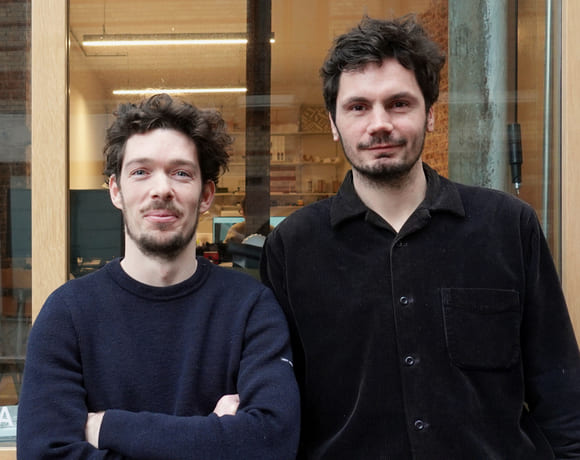
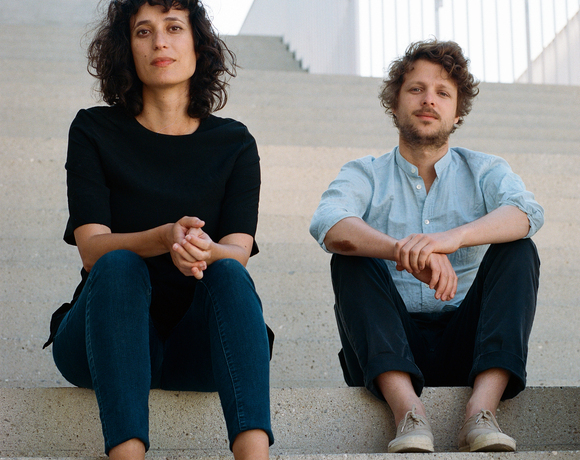
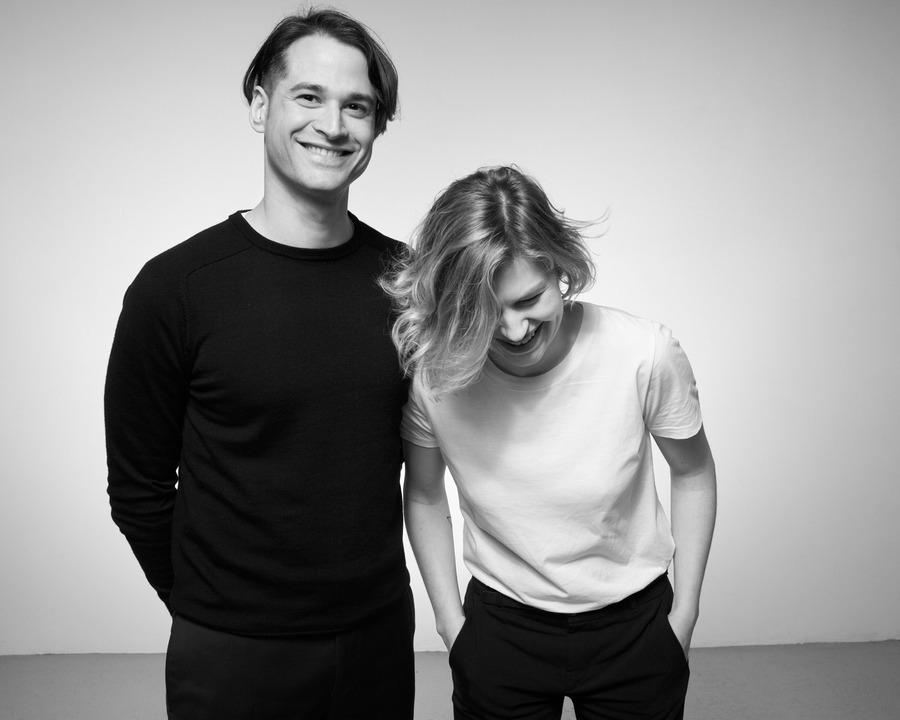
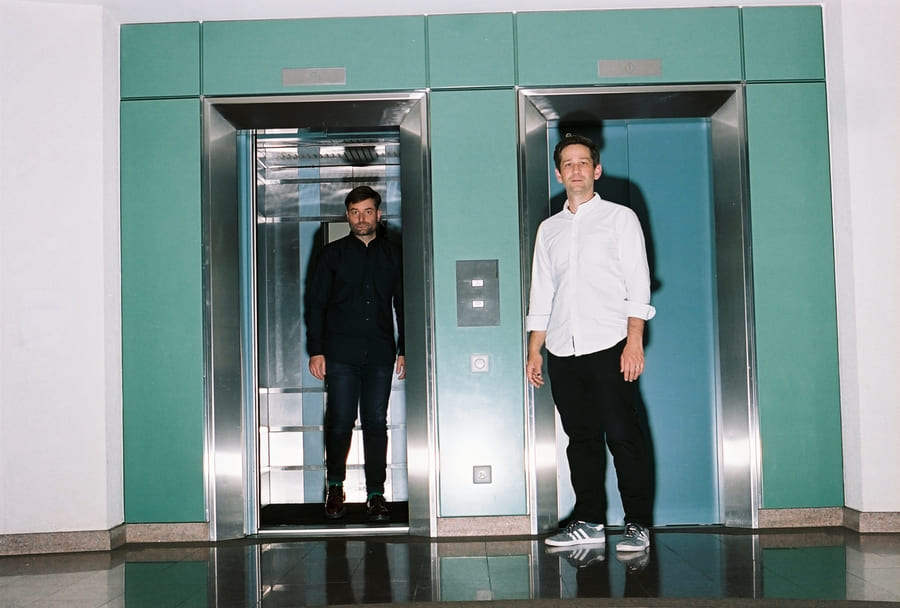
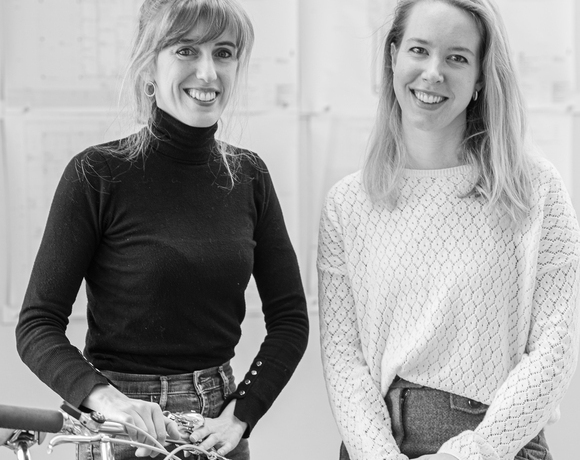
âĄïž BUREAUPERRET. Alex Perret, Gabrielle Perret. Ph. Antoine Omerin
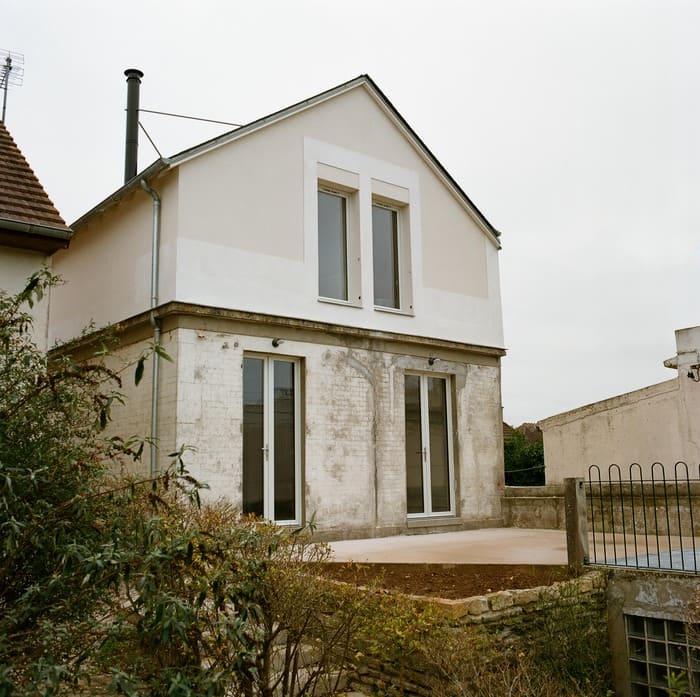
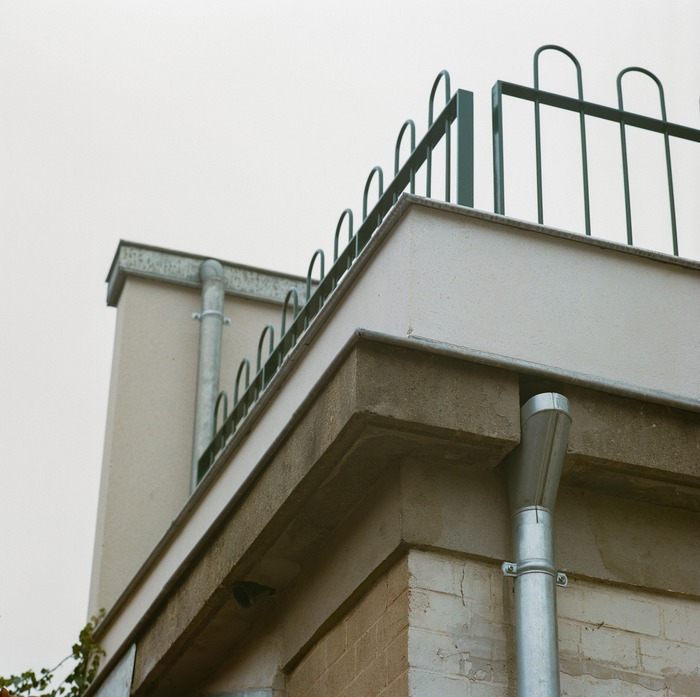
âĄïž Loulou Nord. Renovation and extension of a beach house, Ouistreham Riva Bella. Ph. Antoine Omerin
âĄïž Loulou South. Renovation and extension of a beach house, Ouistreham Riva Bella. Ph. Antoine Omerin
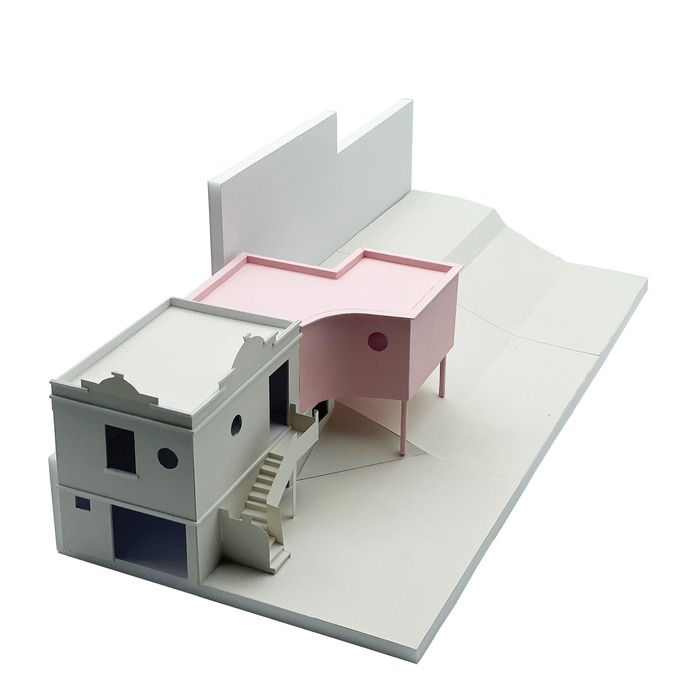
âĄïž Casabella. Renovation & extension of an art deco house, Ouistreham Riva Bella. Ph. BUREAUPERRET
âĄïž Coye-la-forĂȘt. Renovation and extension of a family house. Ph. Antoine Omerin
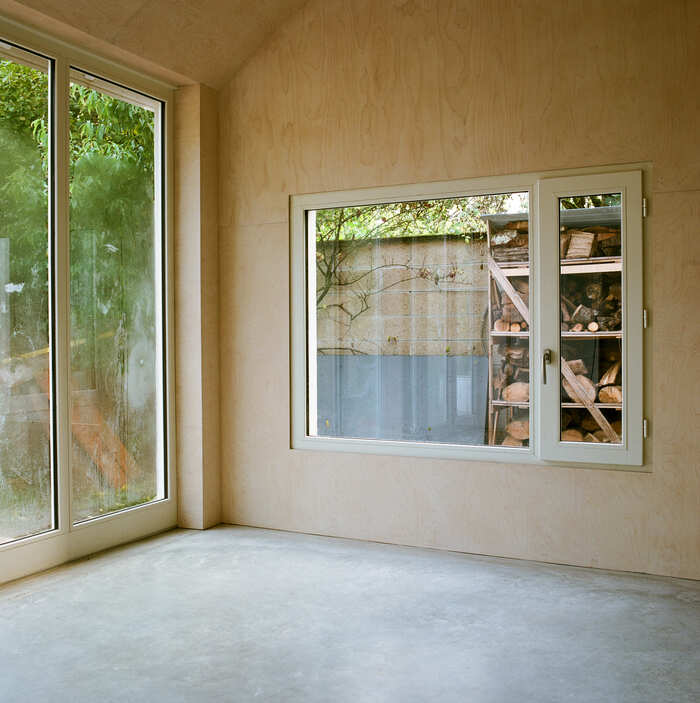
âĄïž Salle des fĂȘtes, detail. Renovation of a multipurpose hall, Saint-Just. Ph. BUREAUPERRET