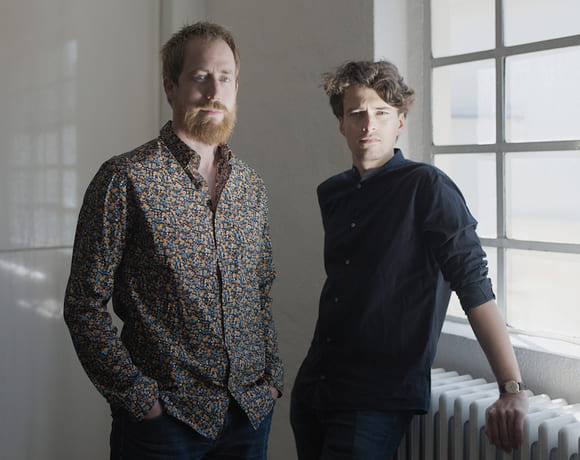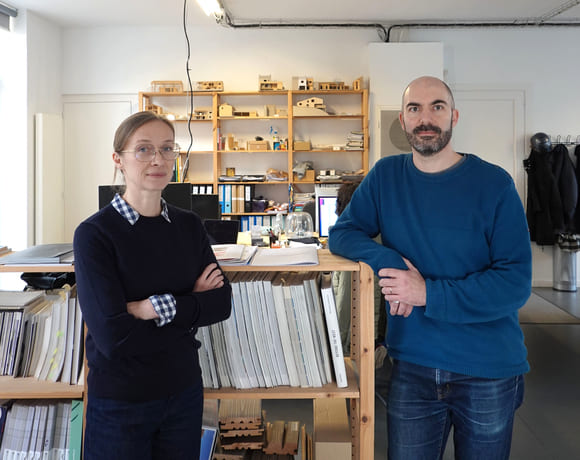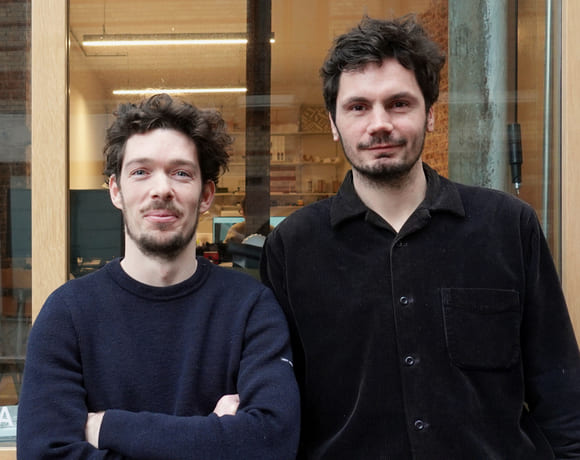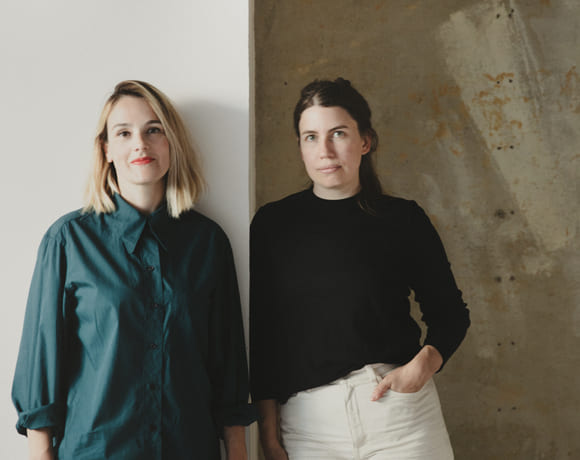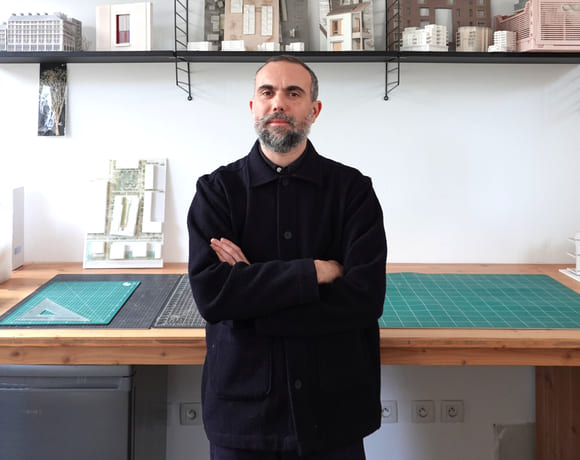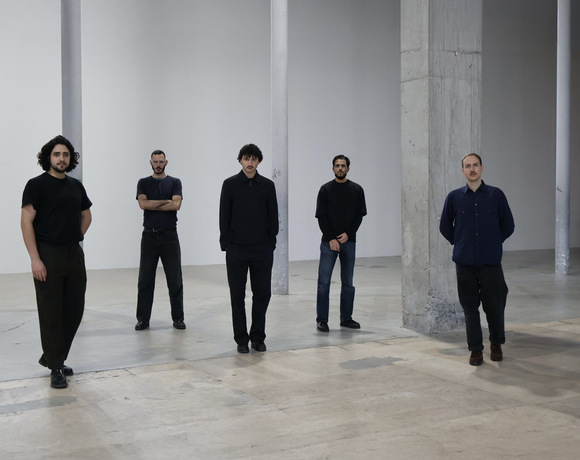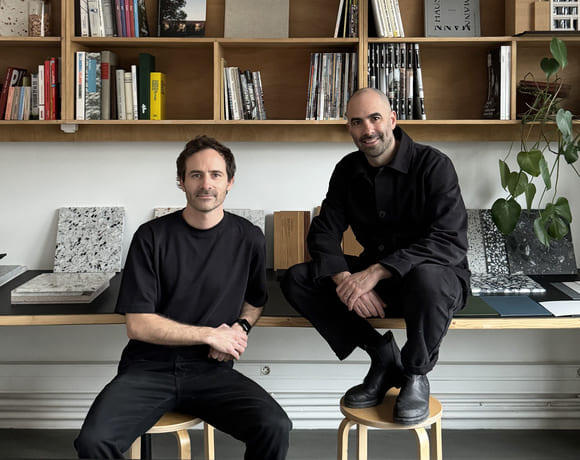
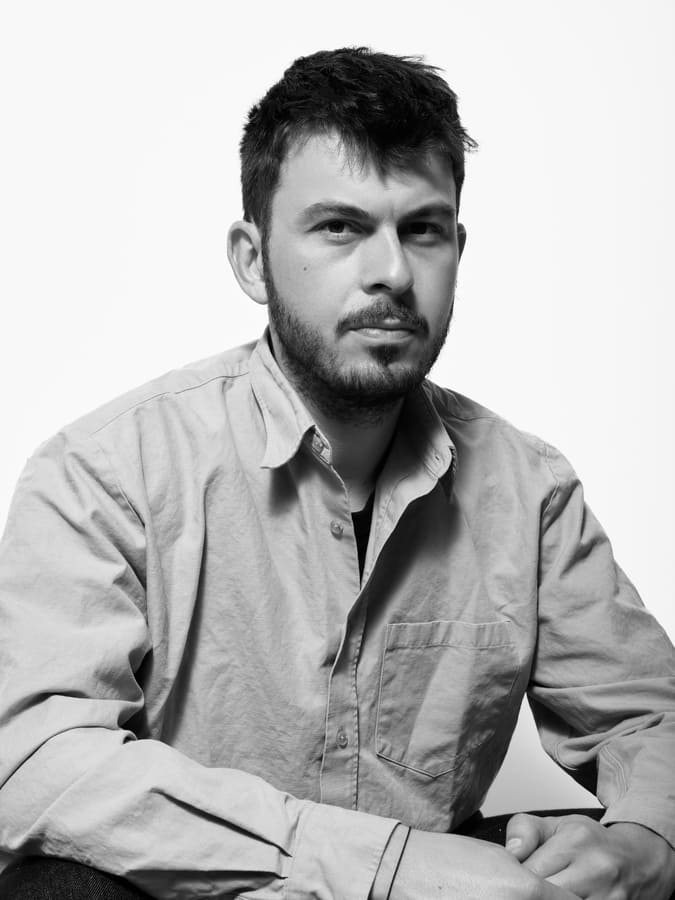
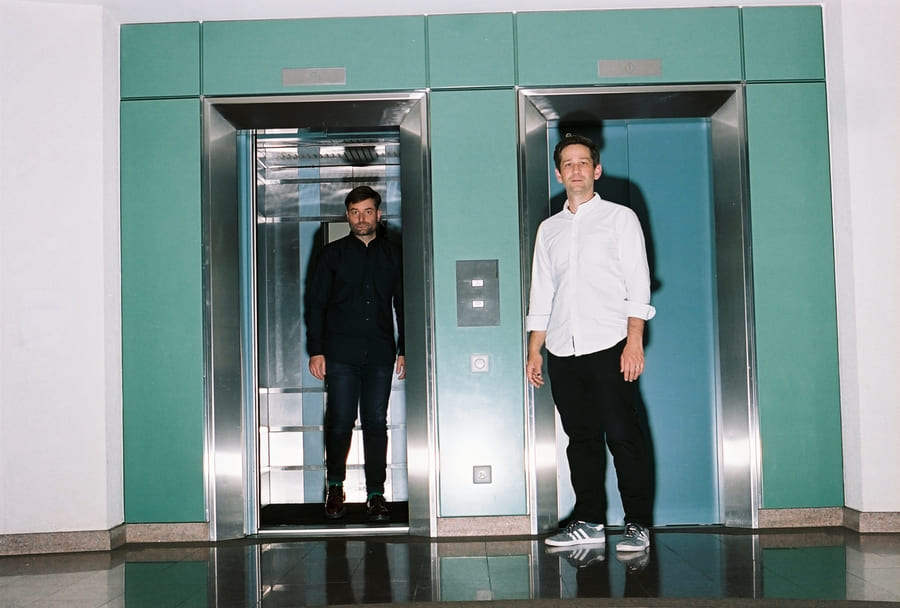
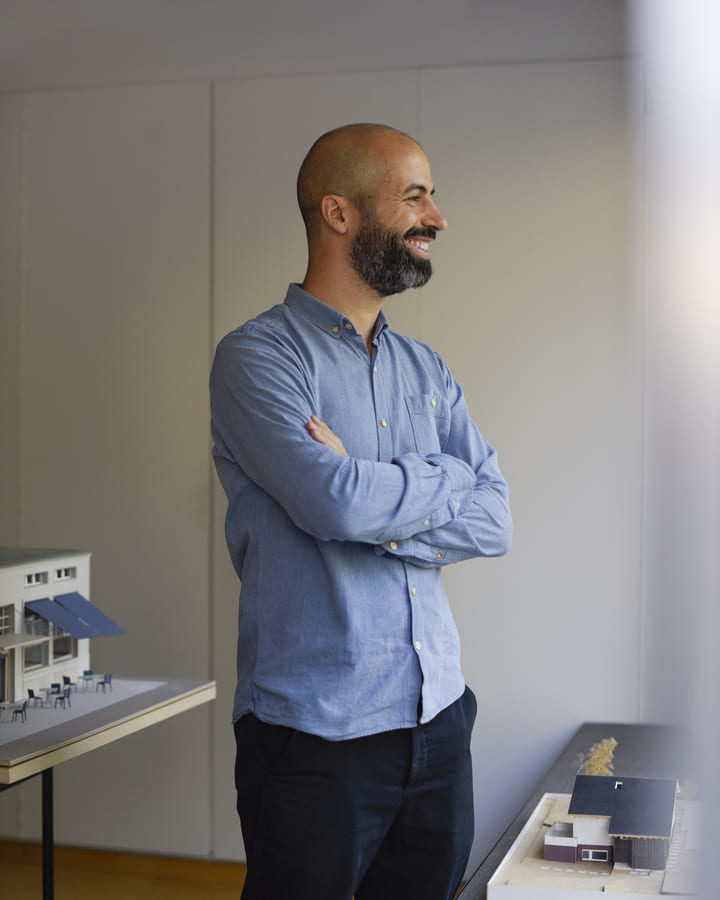
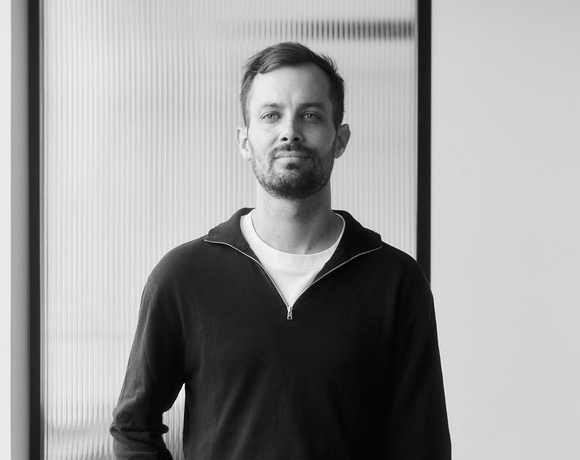
Carriere Didier Gazeau
Lessons from Heritage
New French Architecture
An Original Idea by New Generations
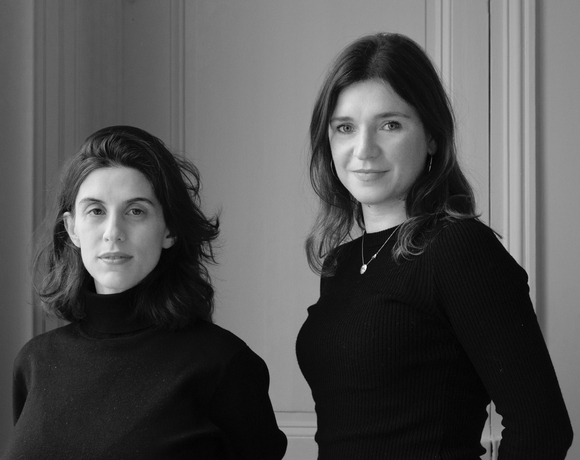
a-platz
Bridging Cultures, Shaping Ideas
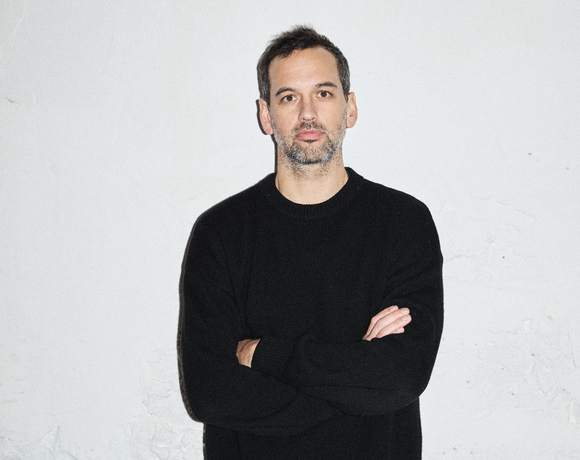
HEROS Architecture
Coming Soon
Rodaa
Practicing Across Contexts
Urbastudio
Interconnecting Scales, Communities, and Values
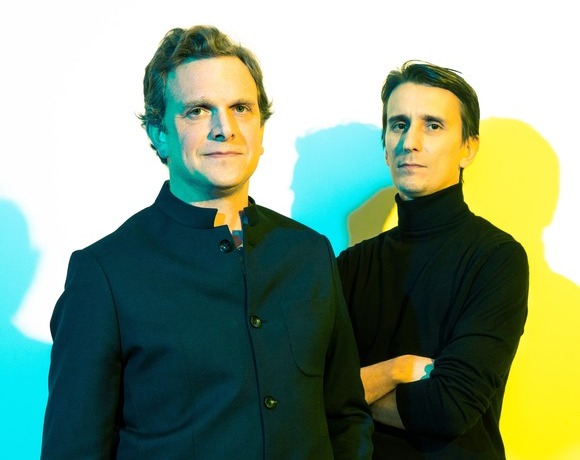
Oglo
Designing for Care
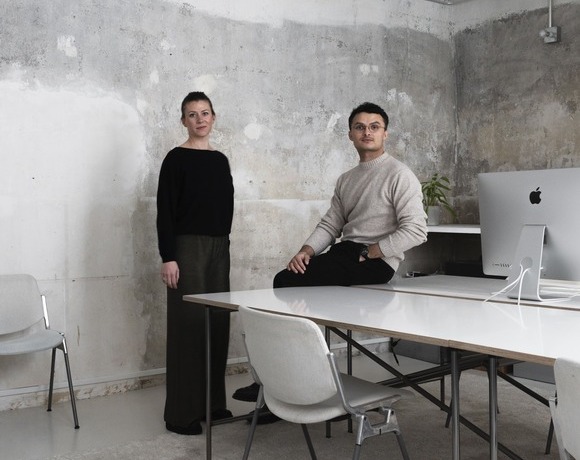
Figura
Figures of Transformation
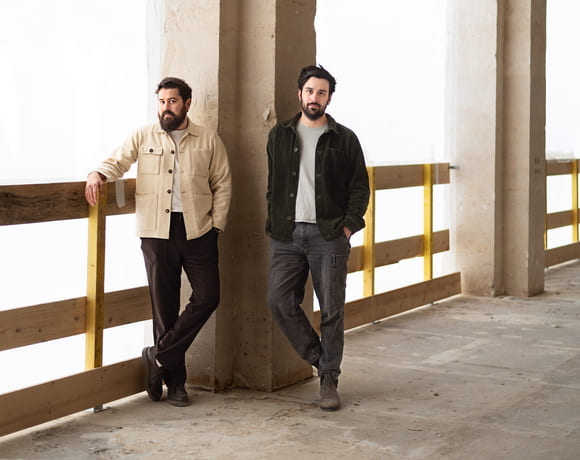
COVE Architectes
Awakening Dormant Spaces
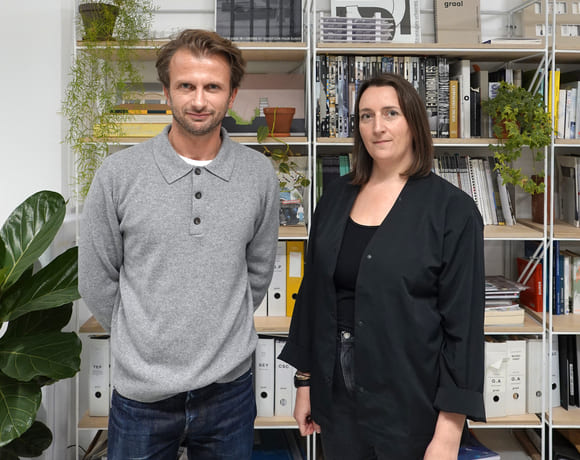
Graal
Understanding Economic Dynamics at the Core
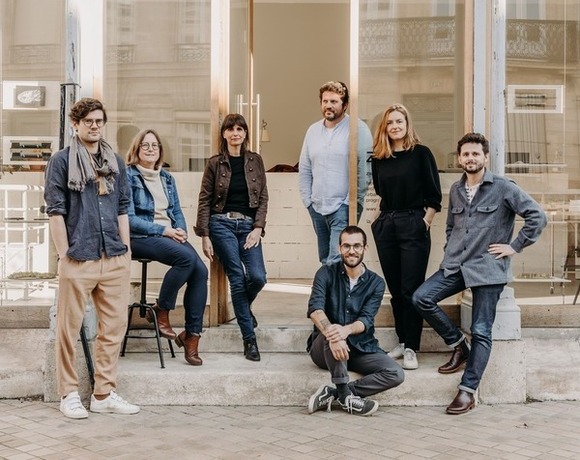
ZW/A
United Voices, Stronger Impacts
A6A
Building a Reference Practice for All
BERENICE CURT ARCHITECTURE
Crossing Design Boundaries
studio mäc
Bridging Theory and Practice
studio mäc
Bridging Theory and Practice
New Swiss Architecture
An Original Idea by New Generations
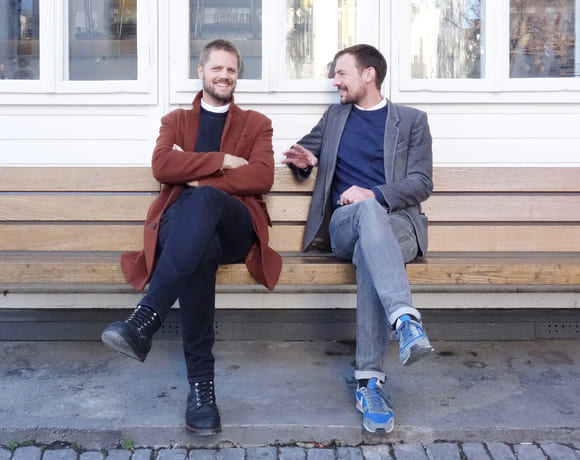
KUMMER/SCHIESS
Compete, Explore, Experiment
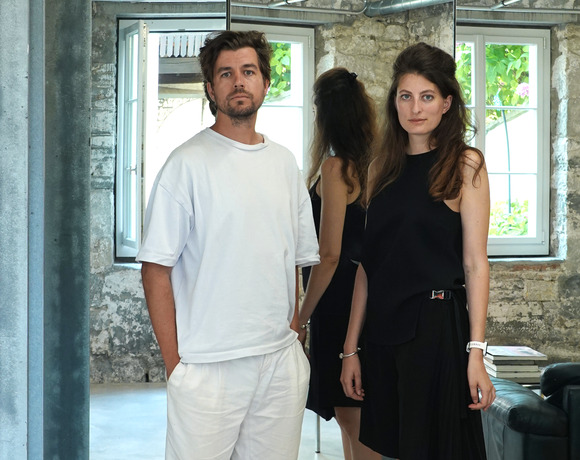
ALIAS
Stories Beyond the Surface
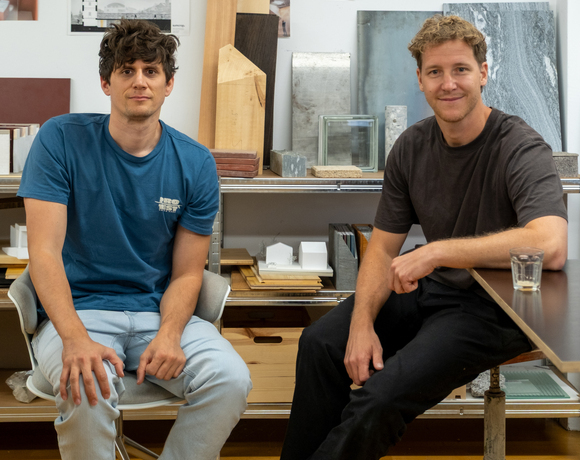
sumcrap.
Connected to Place
BUREAU/D
From Observation to Action
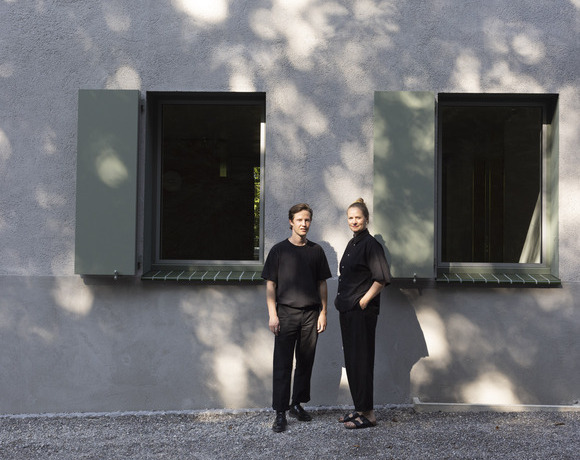
STUDIO ROMANO TIEDJE
Lessons in Transformation
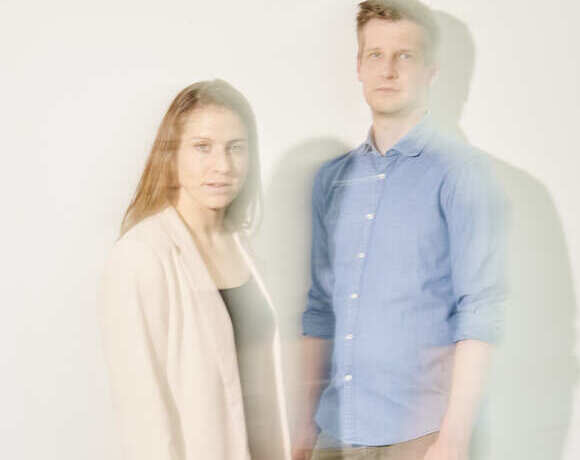
Ruumfabrigg Architekten
From Countryside to Lasting Heritage
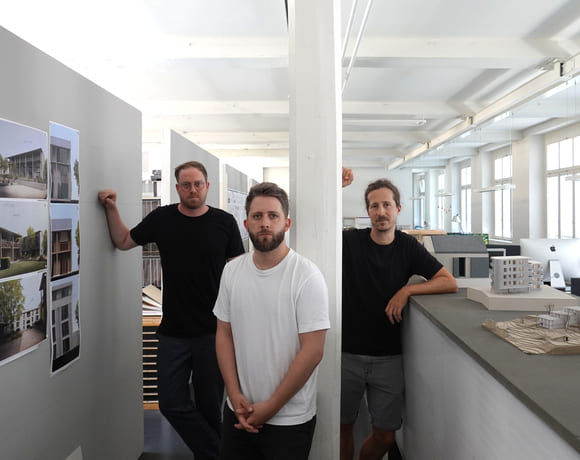
Kollektiv Marudo
Negotiating Built Realities
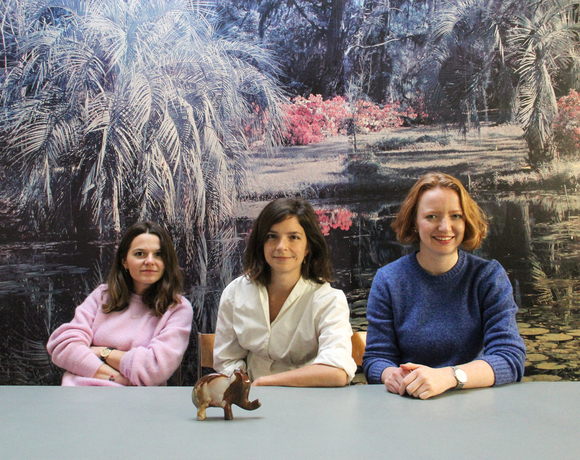
Studio Barrus
Starting byChance,Growing Through Principles
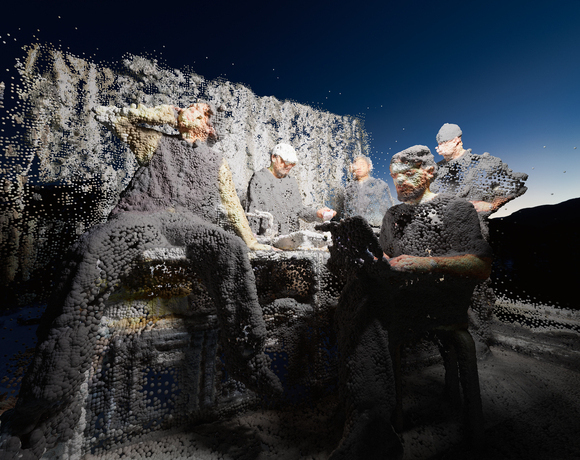
dorsa + 820
Between Fiction and Reality
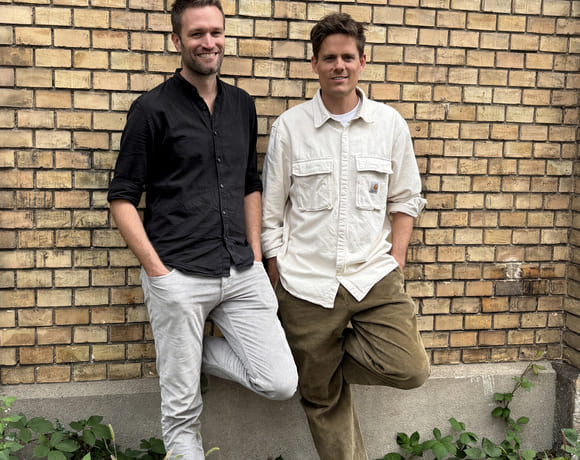
S2L Landschaftsarchitektur
Public Spaces That Transform
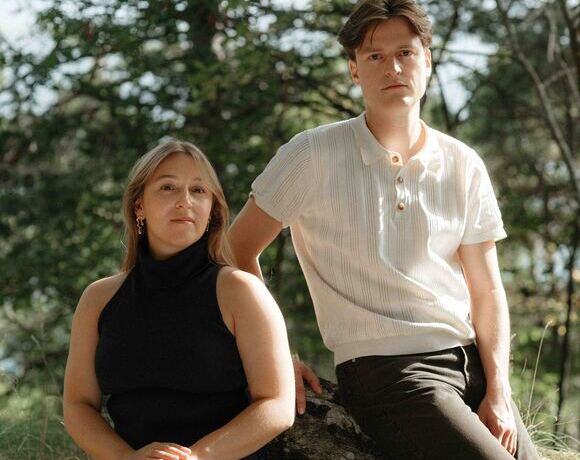
DER
Designing Within Local Realities
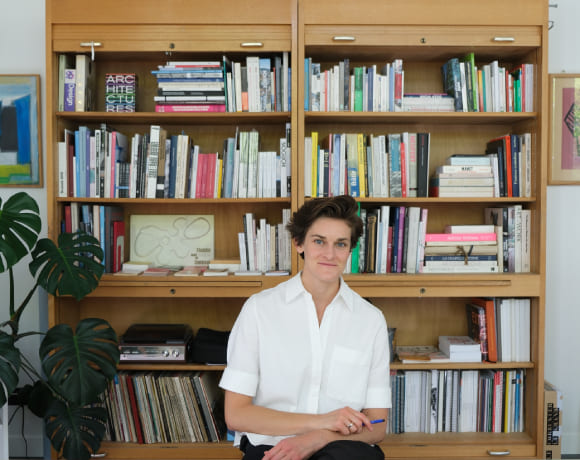
Marginalia
Change from the Margins
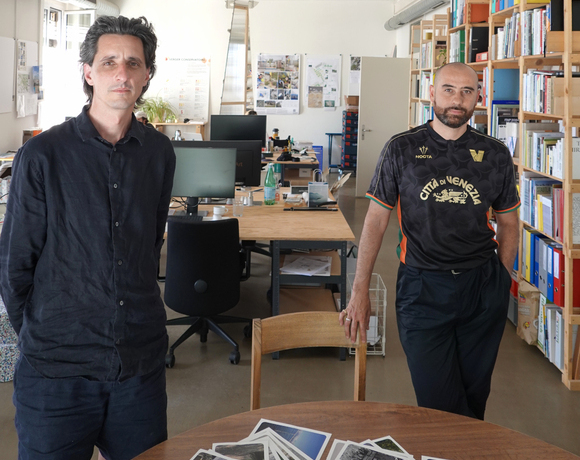
En-Dehors
Shaping a Living and Flexible Ecosystem
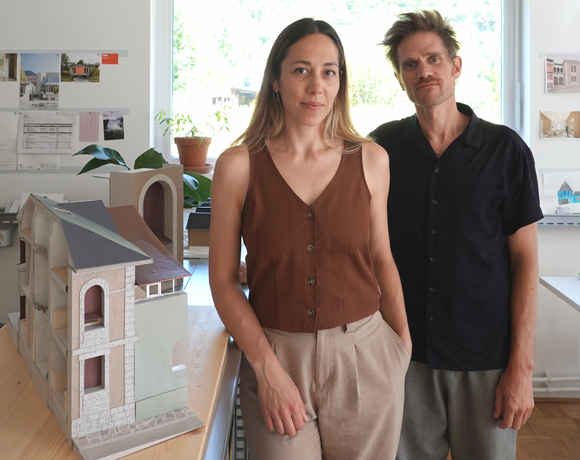
lablab
A Lab for Growing Ideas
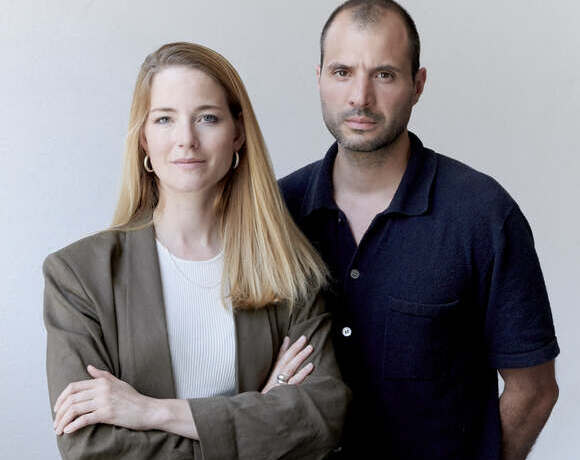
Soares Jaquier
Daring to Experiment
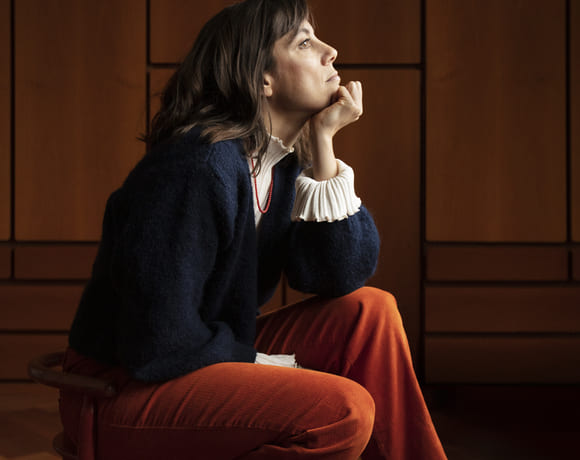
Sara Gelibter Architecte
Journey to Belonging
TEN (X)
A New Kind of Design Institute
DF_DC
Synergy in Practice: Evolving Together
GRILLO VASIU
Exploring Living, Embracing Cultures
Studio â Alberto Figuccio
From Competitions to Realised Visions
Mentha Walther Architekten
Carefully Constructed
Stefan Wuelser +
Optimistic Rationalism: Design Beyond the Expected
BUREAU
A Practice Built on Questions
camponovo baumgartner
Flexible Frameworks, Unique Results
MAR ATELIER
Exploring the Fringes of Architecture
bach muĚhle fuchs
Constantly Aiming To Improve the Environment
NOSU Architekten GmbH
Building an Office from Competitions
BALISSAT KAĂANI
Challenging Typologies, Embracing Realities
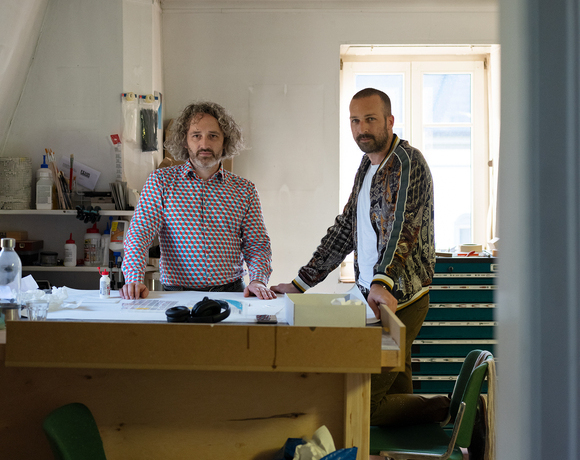
Piertzovanis Toews
Crafted by Conception, Tailored to Measure
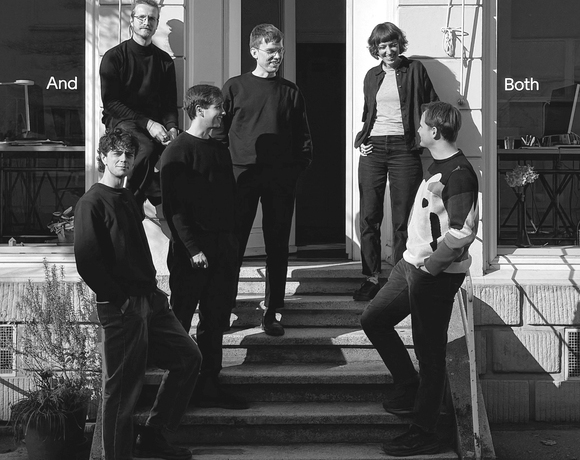
BothAnd
Fostering Collaboration and Openness
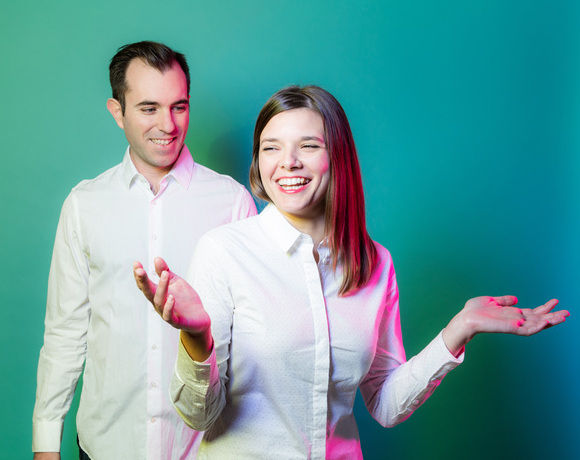
Atelier ORA
Building with Passion and Purpose
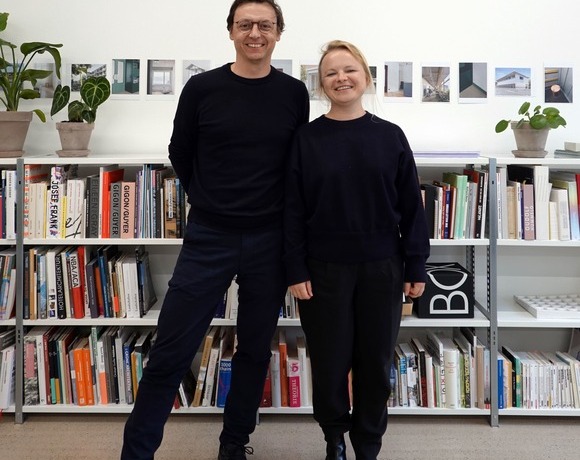
Atelier Hobiger Feichtner
Building with Sustainability in Mind
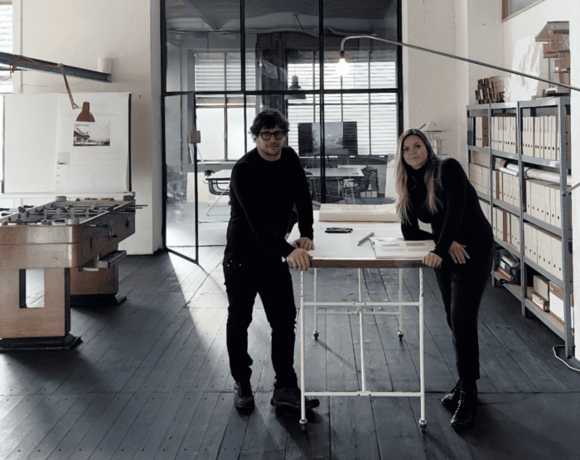
CAMPOPIANO.architetti
Architecture That Stays True to Itself
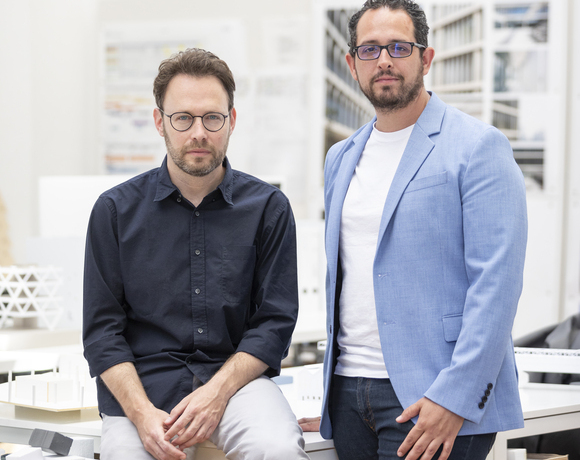
STUDIO PEZ
The Power of Evolving Ideas
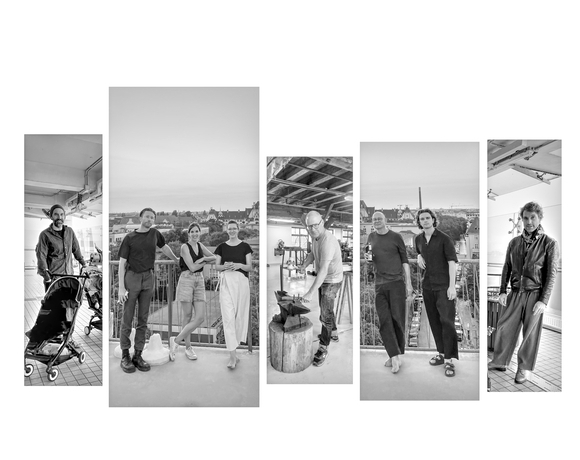
Architecture Land Initiative
Architecture Across Scales
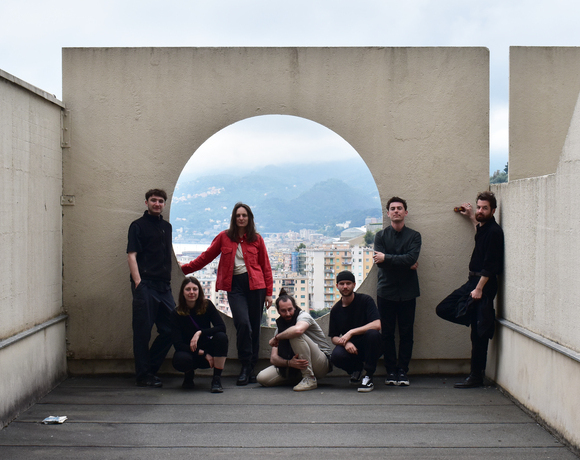
ellipsearchitecture
Humble Leanings, Cyclical Processes
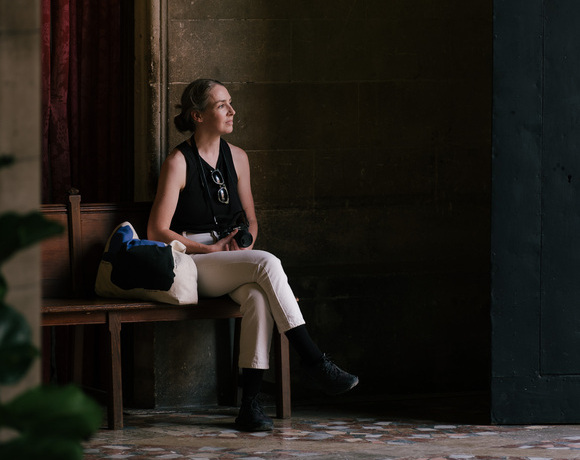
Sophie Hamer Architect
Balancing History and Innovation
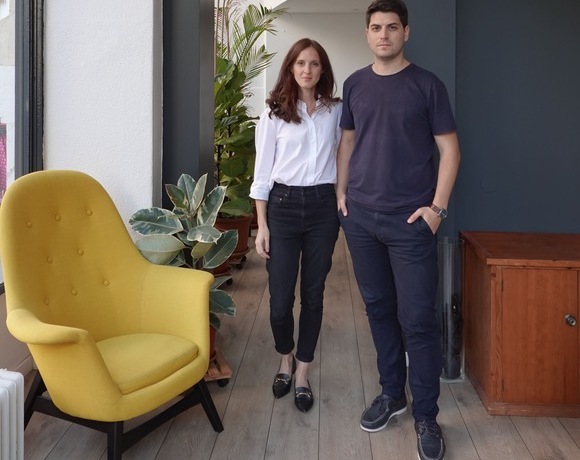
ArgemĂ Bufano Architectes
Competitions as a Catalyst for Innovation
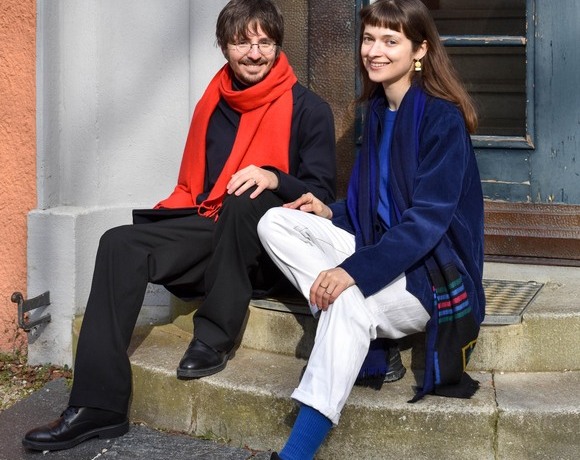
continentale
A Polychrome Revival
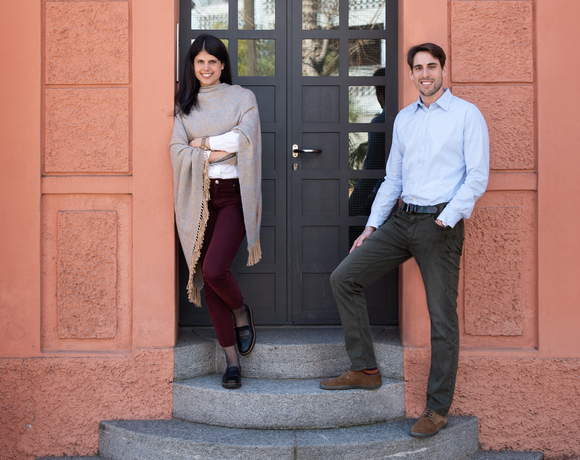
valsangiacomoboschetti
Building With What Remains
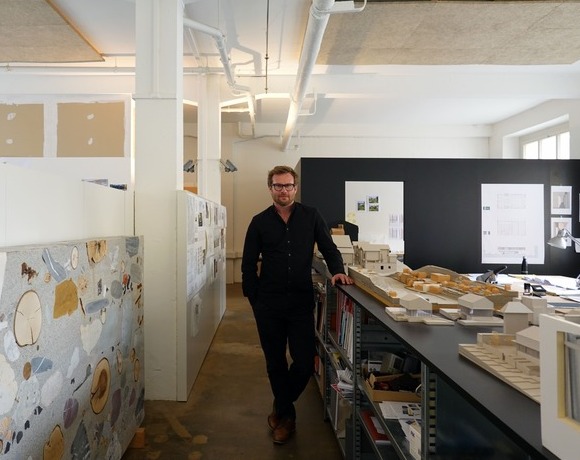
Oliver Christen Architekten
Framework for an Evolving Practice
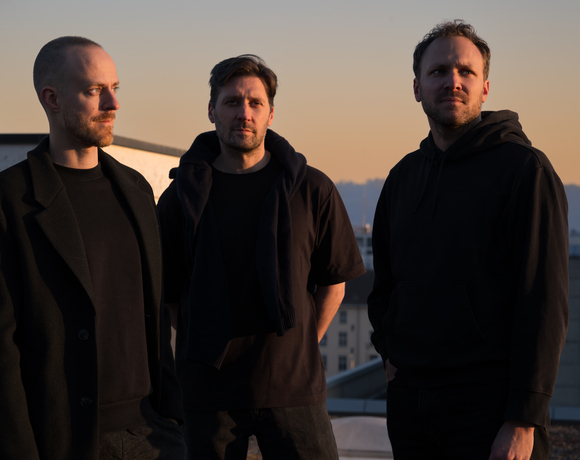
MMXVI
Synergy in Practice
Balancing Roles and Ideas
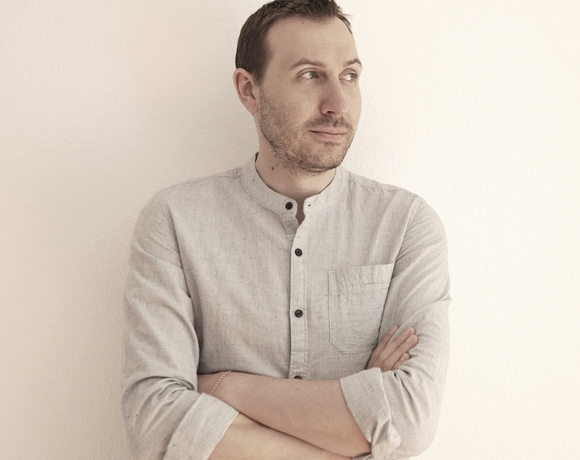
studio 812
A Reflective Approach to
Fast-Growing Opportunities
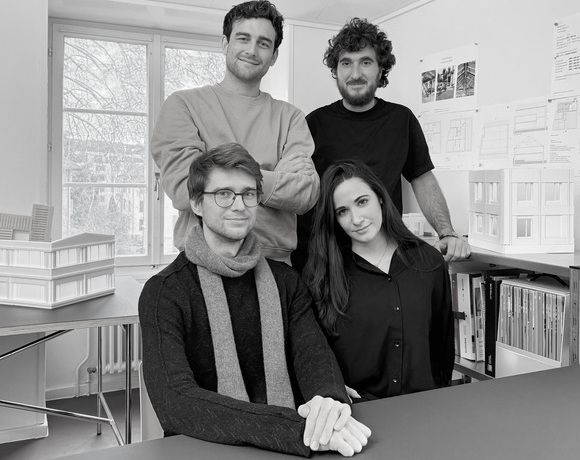
STUDIO4
The Journey of STUDIO4
Holzhausen Zweifel Architekten
Shaping the Everyday
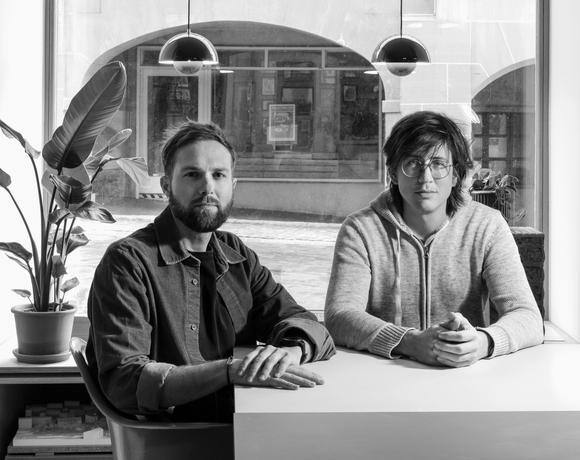
berset bruggisser
Architecture Rooted in Place
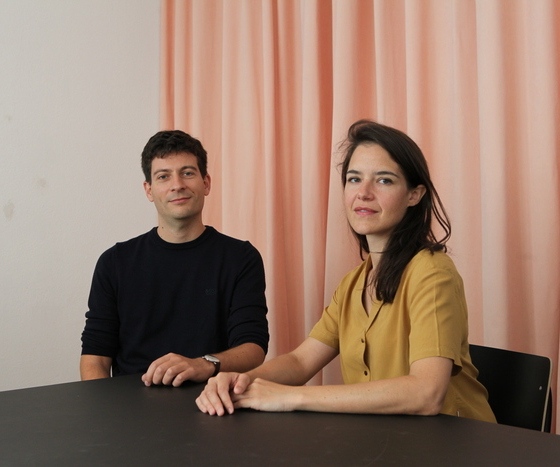
JBA - Joud Beaudoin Architectes
New Frontiers in Materiality
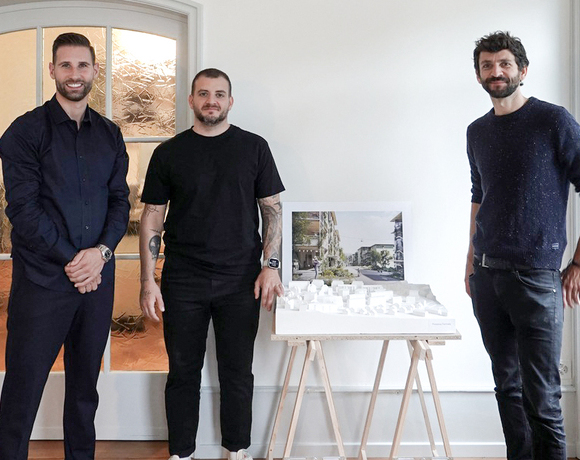
vizo Architekten
From Questions to Vision
Atelier NU
Prototypes of Practice
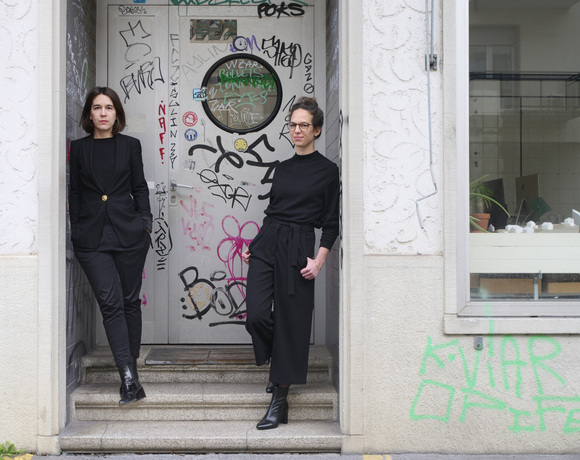
Atelier Tau
Architecture as a Form of Questioning
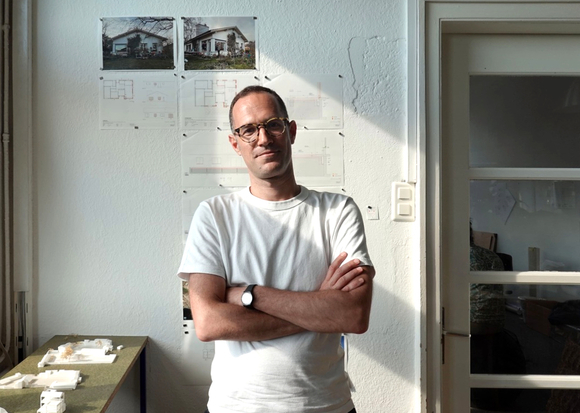
alexandro fotakis architecture
Embracing Context and Continuity
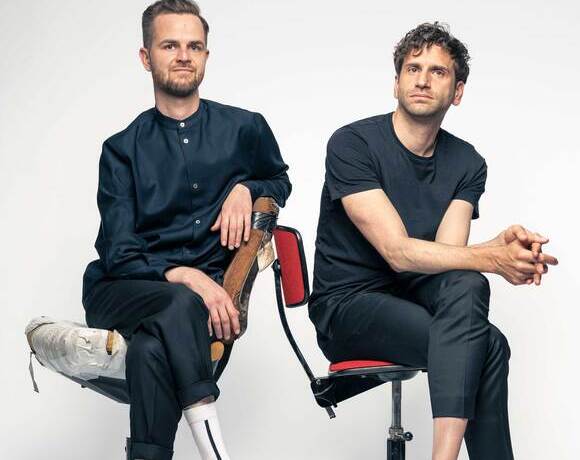
Atelier Anachron
Engaging with Complexity
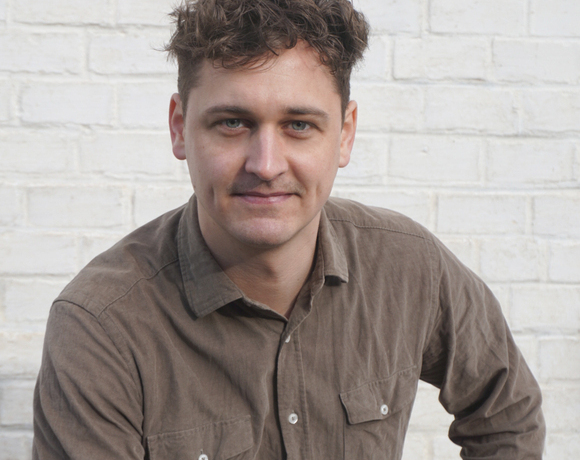
studio jo.na
Transforming Rural Switzerland
guy barreto architects
Designing for Others, Answers Over Uniqueness
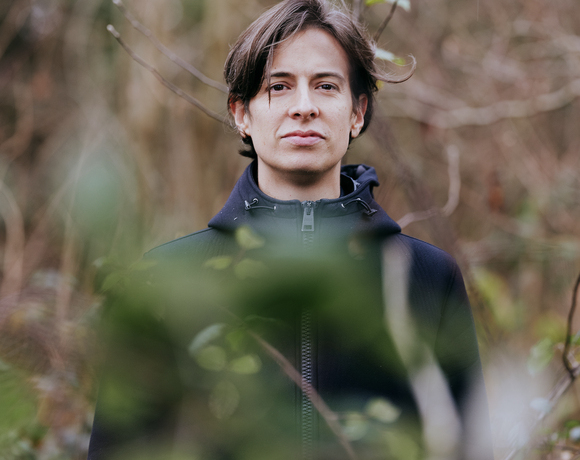
Concrete and the Woods
Building on Planet Earth
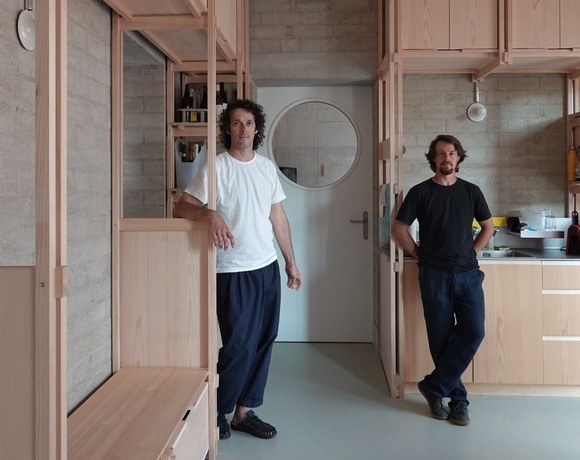
bureaumilieux
What is innovation?
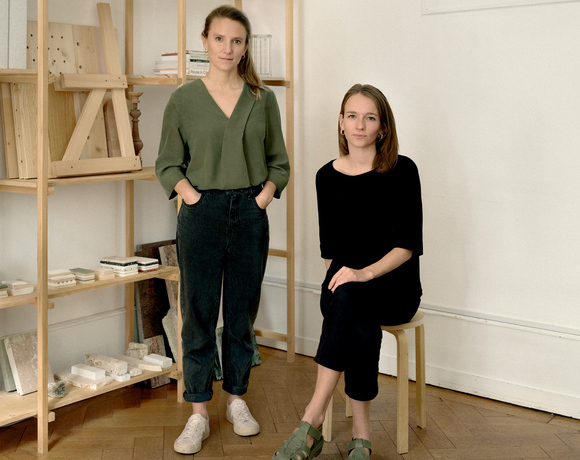
apropaĚ
A Sustainable and Frugal Practice
Massimo Frasson Architetto
Finding Clarity in Complex Projects
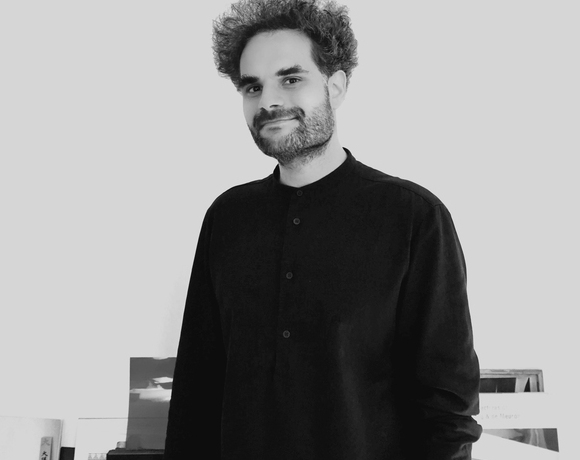
Studio David Klemmer
Binary Operations
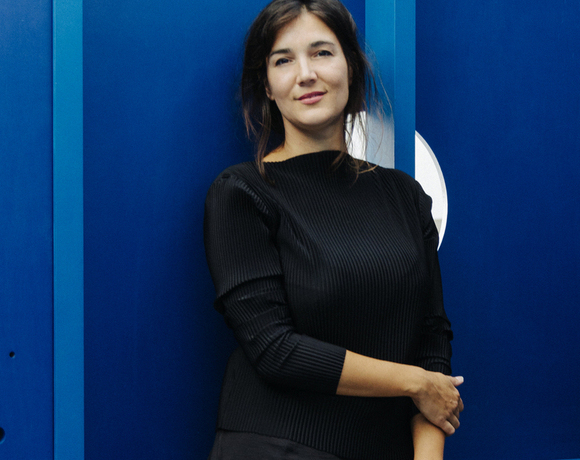
Caterina Viguera Studio
Immersing in New Forms of Architecture
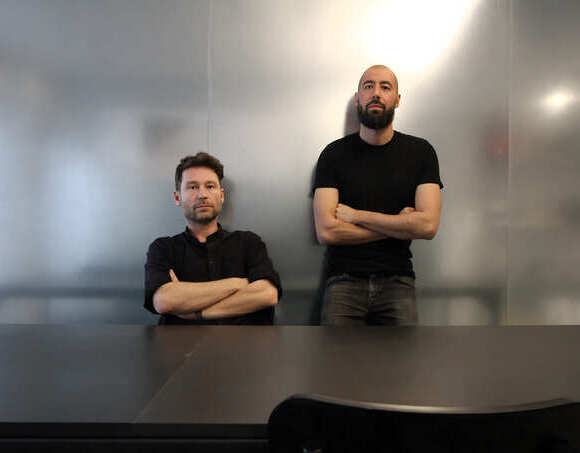
r2a architectes
Local Insights, Fresh Perspectives
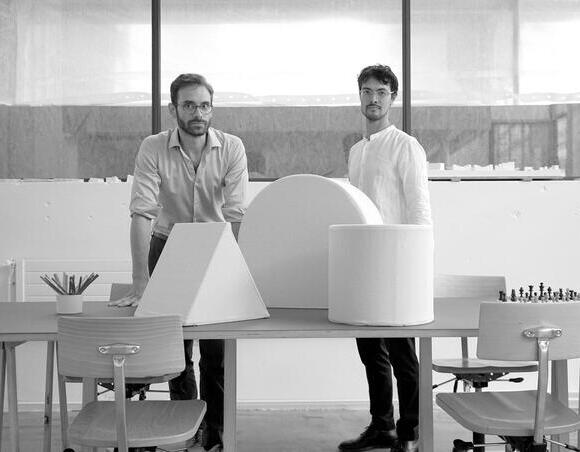
HertelTan
Timeless Perspectives in Architecture
That Belongs
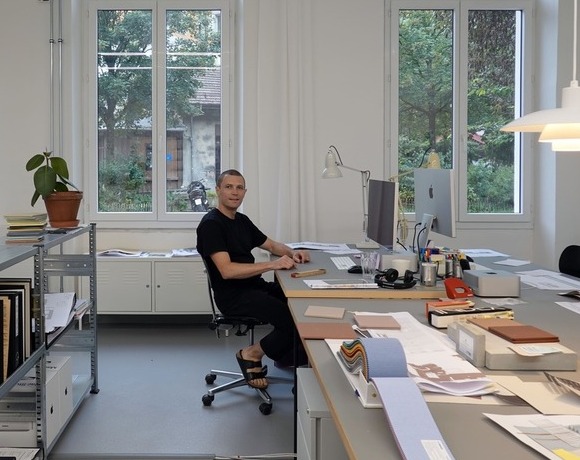
Nicolas de Courten
A Pragmatic Vision for Change
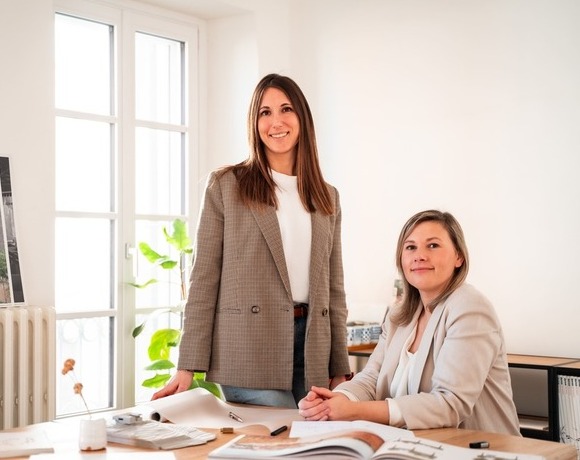
Atelier OLOS
Balance Between Nature and Built Environment
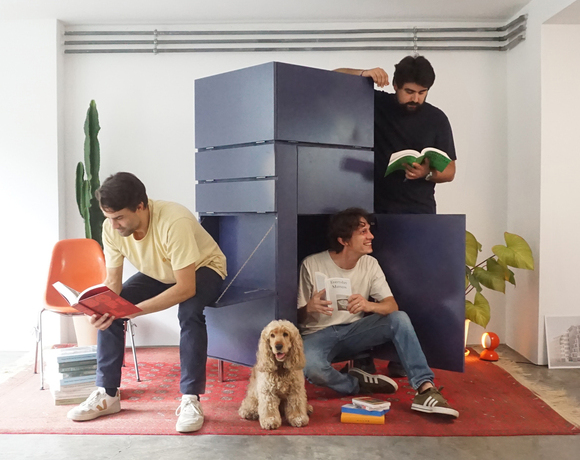
Associati
âCheap but intenseâ: The Associati Way
emixi architectes
Reconnecting Architecture with Craft
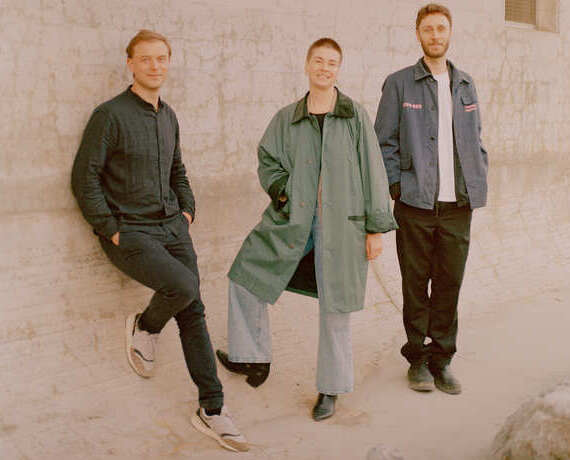
baraki architects&engineers
From Leftovers to Opportunities
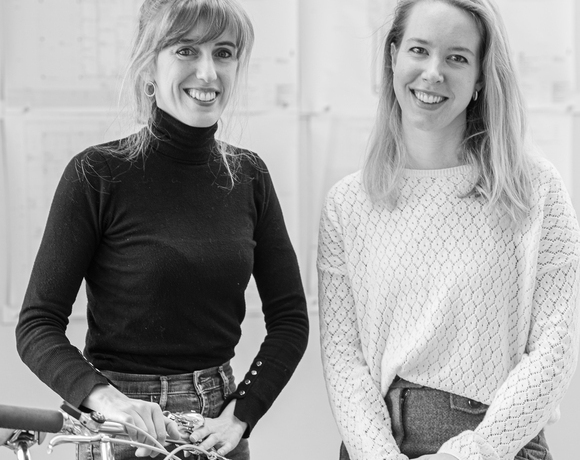
DARE Architects
Material Matters: from Earth to Innovation
KOMPIS ARCHITECTES
Building from the Ground Up
Fill this form to have the opportunity to join the New Generations platform: submissions will be reviewed on a daily-basis, and the most innovative practices will have the chance to be part of the media's coverage and participate in our cultural agenda, including events, research projects, workshops, exhibitions and publications.
New Generations is a European platform that investigates the changes in the architectural profession ever since the economic crisis of 2008. We analyse the most innovative emerging practices at the European level, providing a new space for the exchange of knowledge and confrontation, theory, and production.
Since 2013, we have involved more than 3.000 practices from more than 50 countries in our cultural agenda, such as festivals, exhibitions, open calls, video-interviews, workshops, and experimental formats. We aim to offer a unique space where emerging architects could meet, exchange ideas, get inspired, and collaborate.
A project by Itinerant Office
Within the cultural agenda of New Generations
Editor in chief Gianpiero Venturini
Team Akshid Rajendran, Ilaria Donadel, Bianca Grilli
If you have any questions, need further information, if you'd like to share with us a job offer, or just want to say hello please, don't hesitate to contact us by filling up this form. If you are interested in becoming part of the New Generations network, please fill in the specific survey at the 'join the platform' section.
Lessons from Heritage
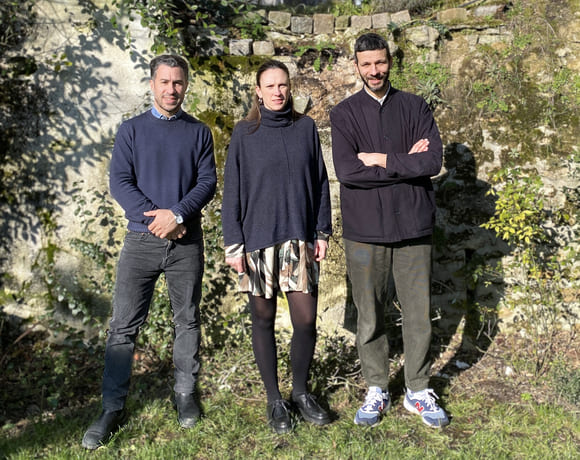
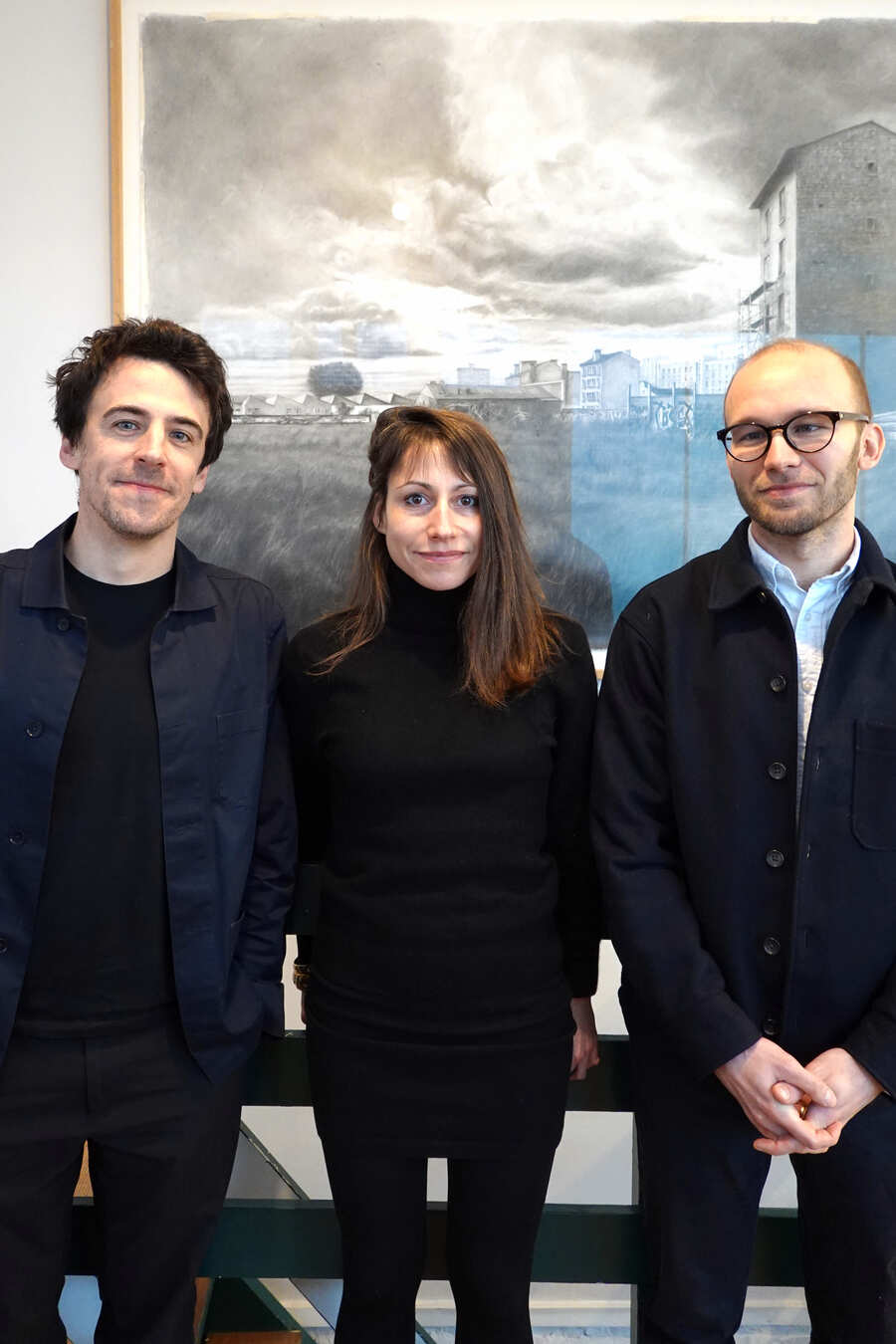
Founded in 2017 by ClĂŠment Carrière, Nicolas Didier and Alma Gazeau, the Carriere Didier Gazeau agency is interested in the mutation, enhancement and perpetuation of built heritage. They believe that the execution of a design, the result of both shared thinking and multiple collaborations, âenables each and every one of us to make our own what might appear to be an imposing taskâ. The agency's recent projects bear witness to this commitment, in Conflans-Sainte-Honorine, with the conversion of the former Arsène-Henri brothers charter house, and with the project to rehabilitate and extend the Simone Signoret theater, in La Villette with the conversion of the Halle de Rouvray, in Guyancourt with the transformation of the former Thomson factory (delivered in 1991 by Renzo Piano), in Pantin with the renovation of the Sadi-Carnot school complex, in Dreux with the refurbishment of the Atelier Ă Spectacle. In parallel with this activity, the agency acts as a structural design office for its own projects, as well as for other architects.
CDG: Carrière Didier Gazeau
Learning to build
CDG: We believe France is an exciting place for a new generation of architects for several reasons. One key factor is public policy aimed at helping young architects secure projects. Landing that first project and establishing a practice has always been difficult, but it seems the government is now recognising this challenge and providing support, creating opportunities for young firms to experiment and explore new ideas. Another notable aspect in Paris is the encouragement of collaborations between established and emerging firms. Itâs becoming more common for multiple offices to work on a single project. As for our practice, it was a gradual process. The three of us had worked in different firms for five to ten years before starting our own. We met when the three of us were working at the same agency. We realised we shared common views on architecture and its broader purpose and decided to give it a try. We started with small projects, gradually building our practice by doing the work rather than beginning with a fully formed philosophy.
Beyond architecture, we are also an engineering firm, handling structural calculations for buildings. Our engineering work isnât about creating a distinct aestheticâitâs simply part of how we operate. It allows us to work on our own projects, collaborate with other practices. This technical approach is especially valuable for refurbishment projects, where understanding structures and their limitations is crucial. In fact, our first projects were all focused on refurbishment. In France, this is becoming increasingly important because so much has already been built, and the focus is now on transforming existing structures. We enjoy the heritage of existing buildingsâtheir volumes, their emotions. It became the main focus of our practice.
Making the right decisions in transformation
CDG: With refurbishments, the process always starts with studying the buildingâs history and doing a thorough diagnosis. We assess the buildingâs condition, then decide how to approach the transformation. We begin with a vision, but the diagnostic phase continues throughout the entire project, even during construction. We constantly discover new things: we know our intentions, but the final result takes shape along the way. Itâs an evolving process, where we focus on whatâs important in the buildingâwhatâs relevant for the future and for the new uses it will have. Every project is different. Working on a Renzo Piano building is different from working on a modernist structure or an industrial ruin. But the goal is always the same: to reveal the quality of the existing construction rather than making it look brand new. We always try to preserve as much as possible, but without being dogmatic. Sometimes demolition is necessary, and thatâs okay. The key is to be smart about itâanalysing the building carefully and deciding which parts to keep and which can be removed to create something new. Itâs about making the right decisions. And for us, that gives meaning to our work.
An interesting aspect of working with existing structures is that, in some ways, they offer more flexibility with regulations. New buildings must adhere to strict rules, leaving little room for negotiation. While certain aspects, like fire safety, must be followed precisely, thereâs more space for discussion when it comes to structural changes, and other elements. The same applies to heritage regulations, where political views varyâsome aim to preserve history unchanged, while others push for radical transformation. The challenge lies in navigating between these extremes to create a meaningful project. In France, thereâs the Architecte des Bâtiments de France, who oversees heritage regulations. In Paris, they review projects and decide whether they align with heritage guidelines. But we donât see them as adversariesâitâs a dialogue. Sometimes they have one vision, we have another, and we negotiate. If you approach it as a conversation, you always find a way.
A dialogue with recent history
CDG: We work with buildings that are part of the 20th-century heritage. Itâs interesting because, as architects, we shape the narrative. We define what is valuable in a building, and once that vision is agreed upon, it becomes the projectâs foundation. In this process, we decide what elements to highlight. If the client and team agree, we move forward, and in a way, weâre defining its legacy. Itâs a fascinating dynamic because every project becomes a discussion about whatâs worth preserving.
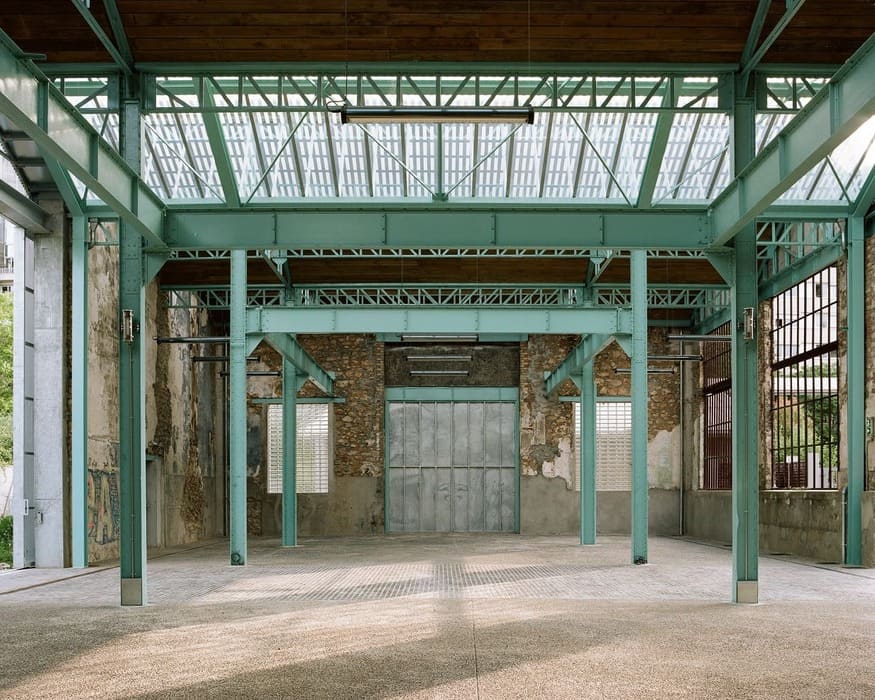
For the La Halle de Rouvray project, located in the renowned Parc de la Villette, the building was a former factory, practically in ruins. Funding was secured to reconnect it to the Parc, which was a great idea. Our role was clear: first, reestablish that connection with the park, and second, preserve the materiality we found compelling. Fortunately, since the building wasnât subject to strict thermal regulationsâitâs an open volume without heating or insulation requirementsâthis made it easier. We had to reconstruct the framework, repaint, and replace certain elements to stabilise it. The roof had to be entirely redone because it was collapsing. Our goal was to retain the essence of the place, and we realised the walls were key. They were deteriorating, with exposed bricks and layers of graffiti, so instead of covering everything up, we simply had the workers clean and stabilise them.
With refurbishment, the process itself often tells the story. In La Villette, we had to replace parts of the structure while keeping others, so it became a meticulous task of mapping each element. At one point, we considered marking the new structural pieces with a different colour from the original ones to showcase the process. But in the end, we felt it would be too demonstrative and disrupt the overall aesthetic. While we value transparency in showing how a building evolves, the final experience for those using the space matters just as much.
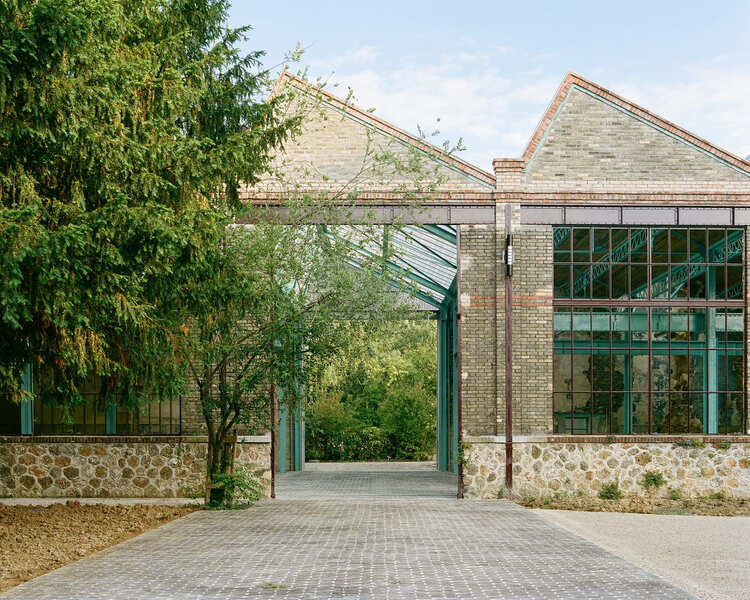
We had a similar debate with another project, La bourse d'affrètement de Conflans-Sainte-Honorine, a modernist concrete building by the Arsène-Henry brothers. Itâs a beautiful structure, reminiscent of Le Corbusier, with perfectly composed volumes. The concrete was deteriorating, cracking, and falling apart, so we had to restore it for longevity. We faced a choice: match the original pigment exactly to make it look brand new, or embrace the restoration process. We decided to let the repairs remain visibleâso now, the original concrete has a warm yellowish tone, while the new patches are slightly gray. It might look unusual, but we like that it shows the history of the buildingâs transformation.
Honouring the past, designing for tomorrow
CDG: Every project starts with research. In some cases, like Rouvray, the industrial buildings have no known architect, whereas in Conflans-Sainte-Honorine, we worked with a structure by Arsène-Henry, well-known in France. For another project, we studied an early work by Renzo Piano, built in 1991, and carried out its rehabilitation: Thalès Factory (formerly Thompson). This was a particularly complex competition because there was no set program. We had to propose a new use for the building while keeping it adaptable for future needs. Our idea was to phase the refurbishment over timeâstarting with certain interventions, then adding more in two, five, and ten years. It was a long-term strategy that considered both function and financial feasibility. At the same time, we wanted to restore some of the original design intentions. The building had changed over the years, and one of Pianoâs key conceptsâa central streetâhad been disrupted. We proposed realigning it and redesigning the façade in a way that respected the original structural grid but incorporated new materials.
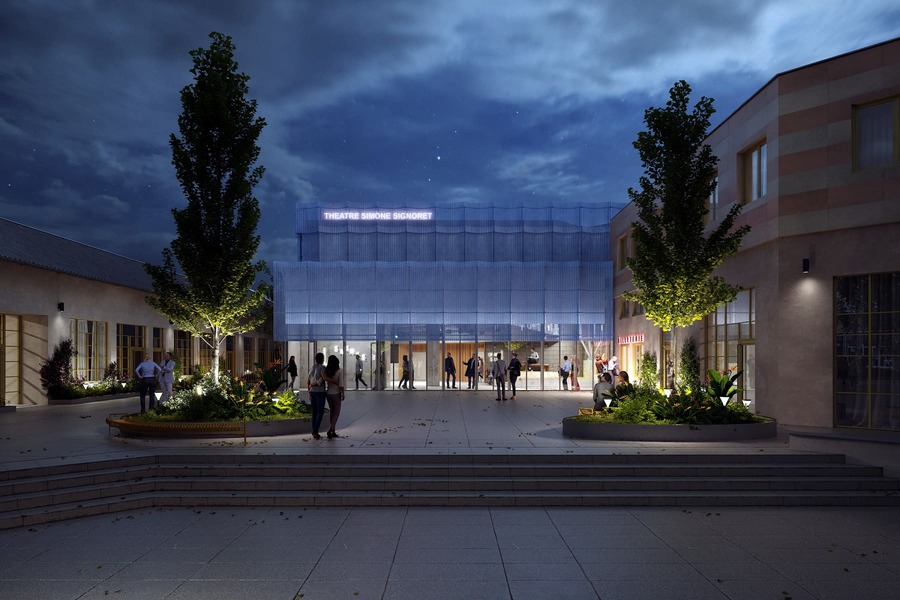
Last year, we also worked on two exciting projects. One was the refurbishment of the Simone Signoret Theatre in Conflans-Sainte-Honorine. Itâs a completely different type of heritageâa 1980s building that, at first glance, isnât particularly appealing. When we were assigned the project, our first reaction was, "What is this strange building?" But it turned out to be a fascinating challenge. As a cultural venue, itâs all about how the public and artists interact with the space. Our intervention focused on exposing the existing structure while making a more radical transformation to the façade. The goal was to create a new visual identity while still highlighting the buildingâs unusual shape.
Another big opportunity last year was our participation in the competition for the refurbishment of the Centre PompidouâBeaubourg. It was a major project, another Renzo Piano building. We teamed up with Kuehn Malvezzi and CALQ, which was a fantastic experience. Like always, we started by thoroughly analysing the building, trying to understand its fundamental principles and how best to intervene. Our proposal was well-received and selected for the final round. Even though we didnât get the project, we were proud of our approach.
Drawing the transformation
CDG: In all our refurbishment projects, we enjoy the process of discovering a building, transforming it, and giving it new life. To achieve this, we use a wide range of tools. We carefully document each phaseâthe initial state, the construction process, and the final outcome. Weâre not sure yet what weâll do with all this material, but we use two main media for documentation. One is photography, a more conventional approach that captures the transformation of cities over time. The other is large-scale drawings, which we work on with Cynthia Walsh, a friend of ours who is both an architect and a draughtswoman. She focuses entirely on drawing and teaches it in architecture school.
We started with the idea of drawing the building at different stagesâwhen we first discover it, during construction, and then after completion. These drawings capture the spirit of the place, its materiality, and spatial qualities in a way that photographs cannot. They allow us to highlight different aspects of the process.
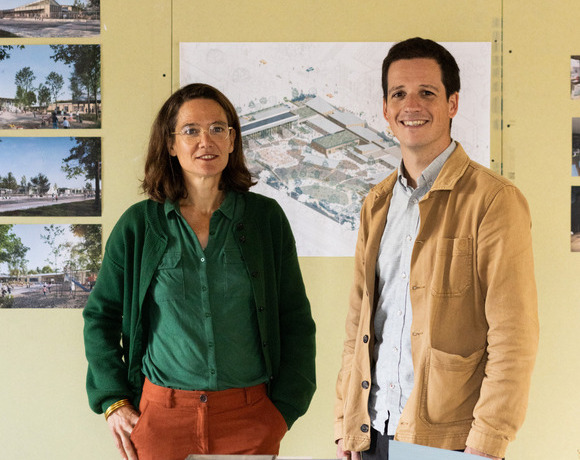
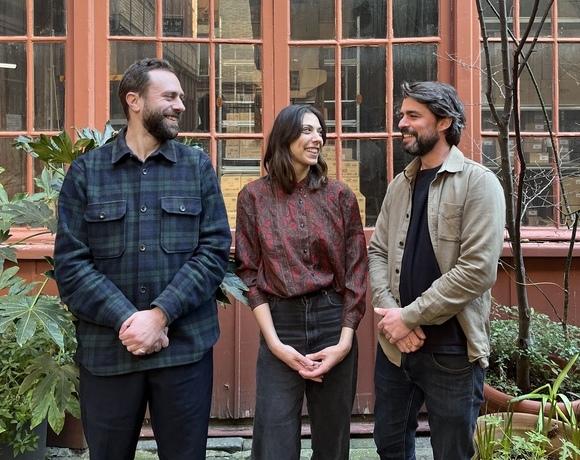
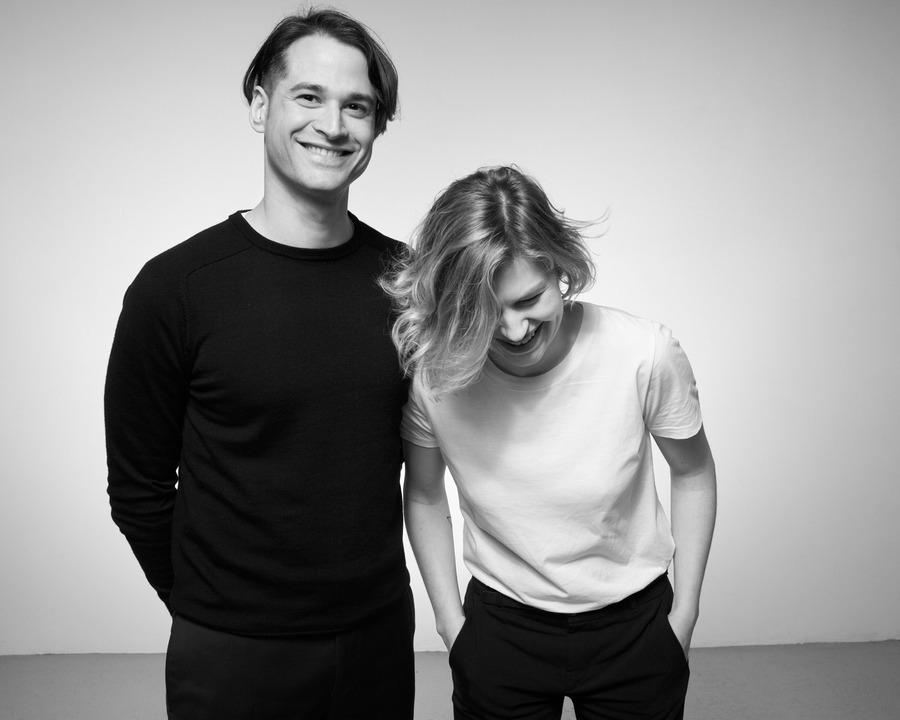
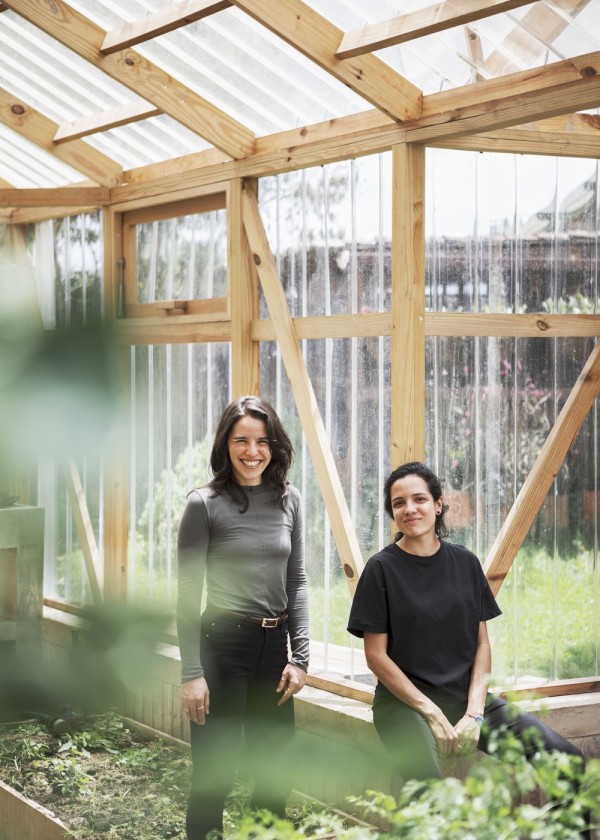
âĄď¸ Carriere Didier Gazeau. ClĂŠment Carrière, Nicolas Didier, Alma Gazeau. Ph. Gianpiero Venturini
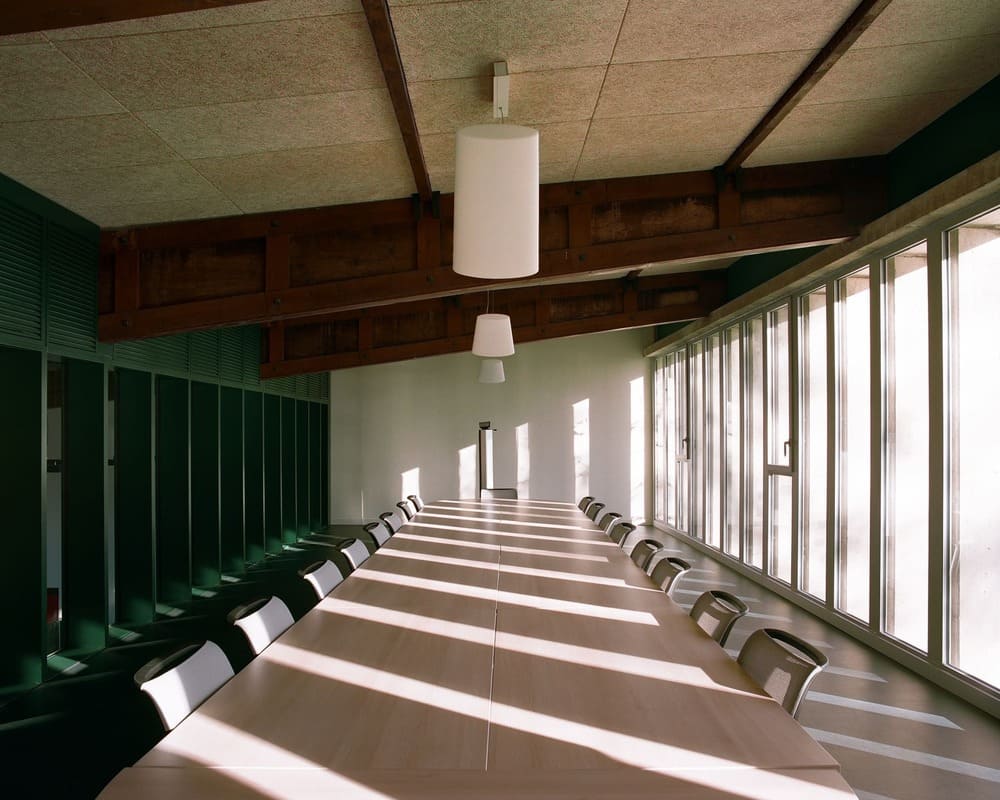
âĄď¸ Refurbishment of the âBourse dâAffrètementâ, Conflans-Sainte-Honorine. Ph. Antoine Seguin
âĄď¸ Halle de Rouvray. Factory refurbishment, La Villette. Ph. JĂŠrĂŠmie Dru
âĄď¸ Refurbishment of Simone Signoret Theatre, Conflans-Sainte-Honorine. Img. Galerie Blanche
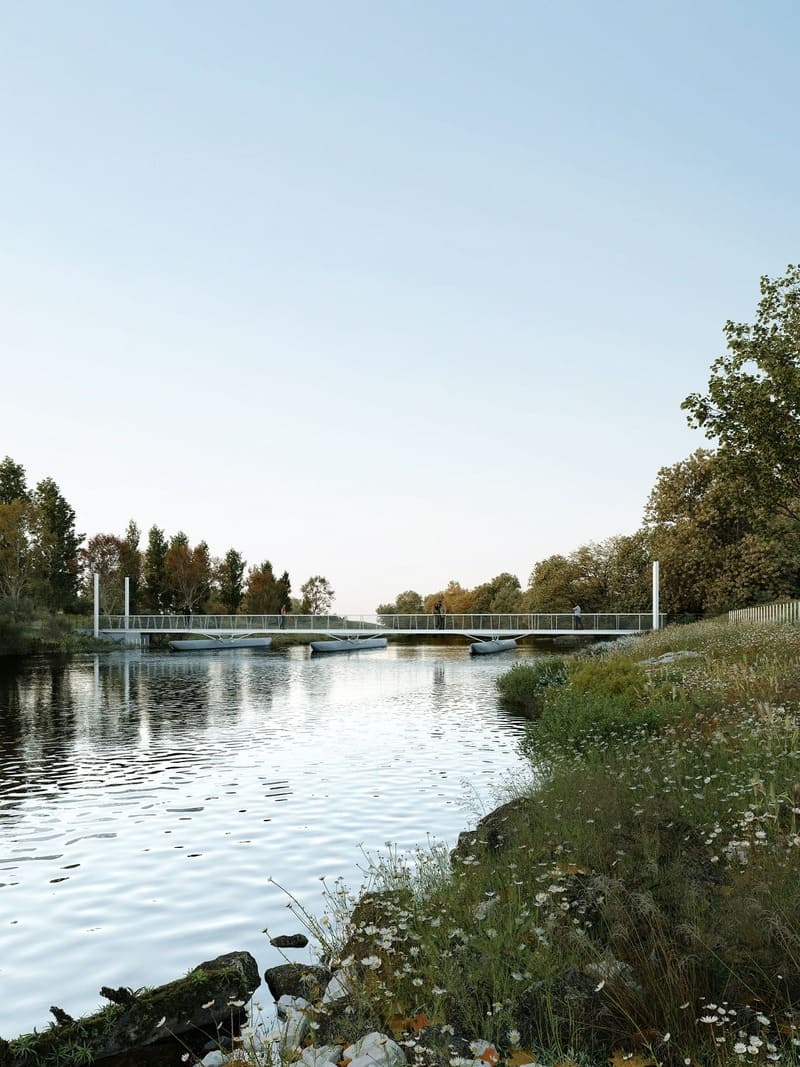
âĄď¸ Floating footbridge over Gartempe river, Montmorillon. Img. LotoArchiLab