ECHELLE OFFICE
In Between Scales
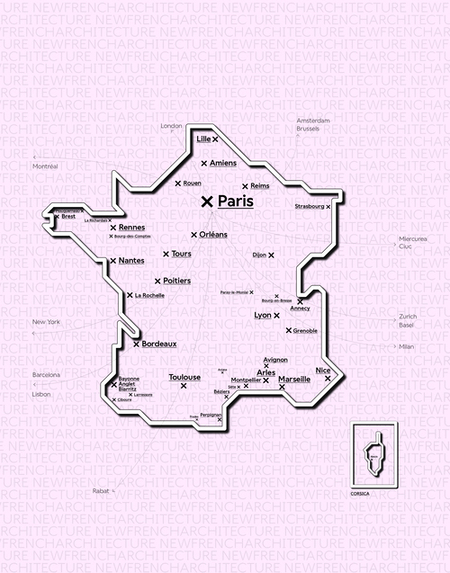
New French Architecture
An Original Idea by New Generations
Atelier
Rooted in Context, Situated at the Centre
BUREAUPERRET
Coming Soon
AJAM
Systemic Shifts, Local Gestures
Mallet Morales
Stories in Structure
Studio SAME
Charting Change with Ambition
Lafayette
Envisioning the City of Tomorrow
Belval & Parquet Architectes
Living and Building Differently
127af
Redefining the Common
HEROS Architecture
From Stone to Structure
Carriere Didier Gazeau
Lessons from Heritage
a-platz
Bridging Cultures, Shaping Ideas
Rodaa
Practicing Across Contexts
Urbastudio
Interconnecting Scales, Communities, and Values
Oglo
Designing for Care
Figura
Figures of Transformation
COVE Architectes
Awakening Dormant Spaces
Graal
Understanding Economic Dynamics at the Core
ZW/A
United Voices, Stronger Impacts
A6A
Building a Reference Practice for All
BERENICE CURT ARCHITECTURE
Crossing Design Boundaries
studio mäc
Bridging Theory and Practice
studio mäc
Bridging Theory and Practice
New Swiss Architecture
An Original Idea by New Generations
KUMMER/SCHIESS
Compete, Explore, Experiment
ALIAS
Stories Beyond the Surface
sumcrap.
Connected to Place
BUREAU/D
From Observation to Action
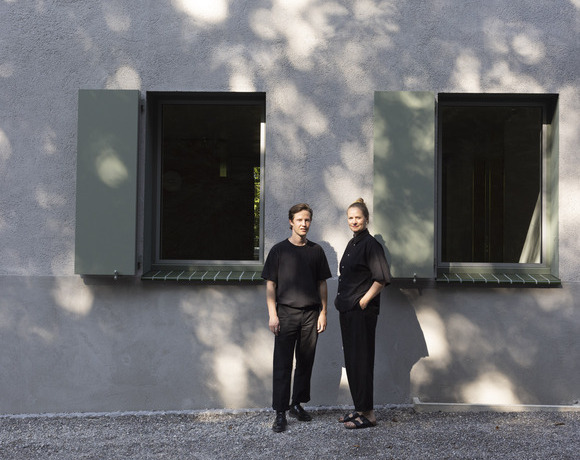
STUDIO ROMANO TIEDJE
Lessons in Transformation
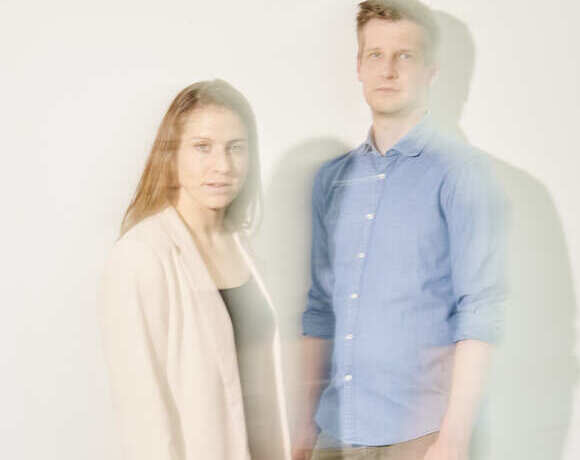
Ruumfabrigg Architekten
From Countryside to Lasting Heritage
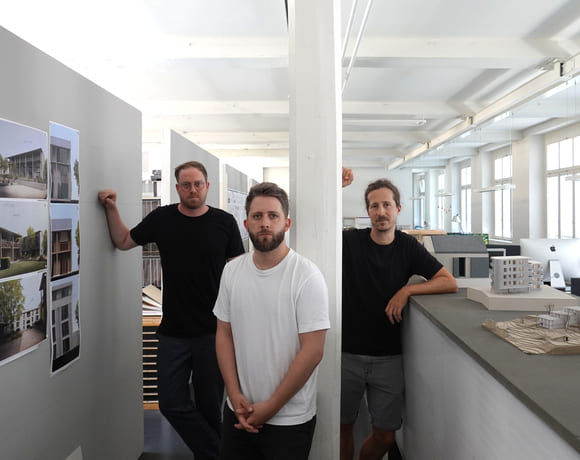
Kollektiv Marudo
Negotiating Built Realities
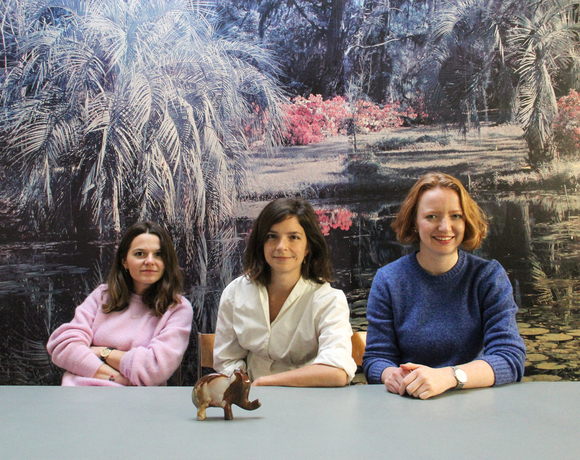
Studio Barrus
Starting byChance,Growing Through Principles
dorsa + 820
Between Fiction and Reality
S2L Landschaftsarchitektur
Public Spaces That Transform
DER
Designing Within Local Realities
Marginalia
Change from the Margins
En-Dehors
Shaping a Living and Flexible Ecosystem
lablab
A Lab for Growing Ideas
Soares Jaquier
Daring to Experiment
Sara Gelibter Architecte
Journey to Belonging
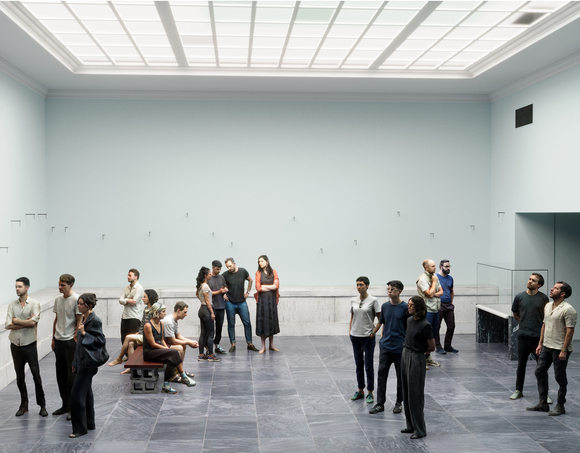
TEN (X)
A New Kind of Design Institute
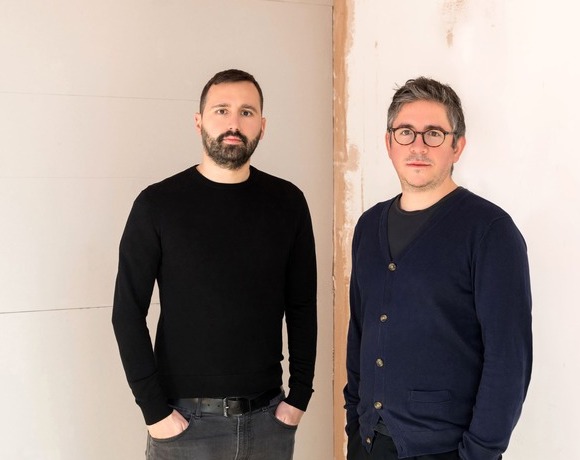
DF_DC
Synergy in Practice: Evolving Together
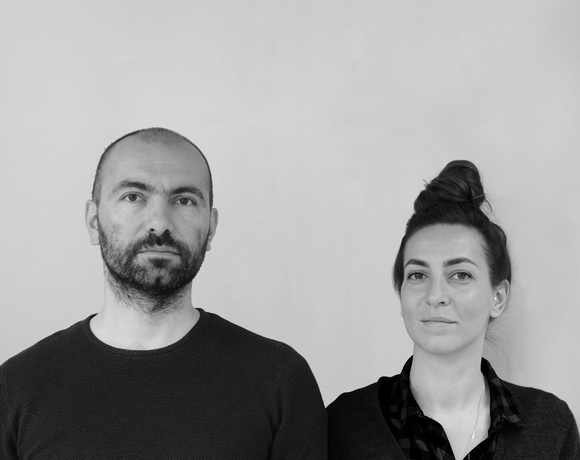
GRILLO VASIU
Exploring Living, Embracing Cultures
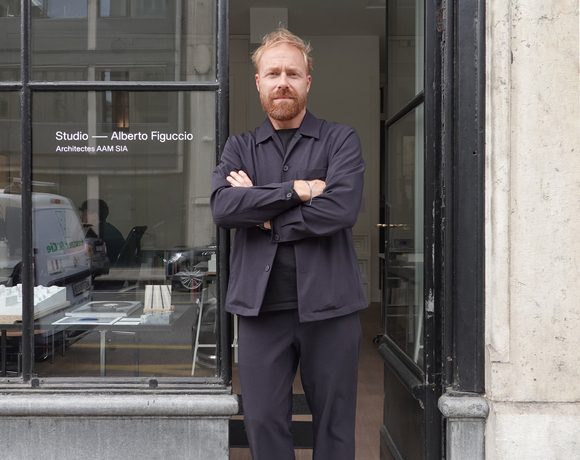
Studio — Alberto Figuccio
From Competitions to Realised Visions
Mentha Walther Architekten
Carefully Constructed
Stefan Wuelser +
Optimistic Rationalism: Design Beyond the Expected
BUREAU
A Practice Built on Questions
camponovo baumgartner
Flexible Frameworks, Unique Results
MAR ATELIER
Exploring the Fringes of Architecture
bach mühle fuchs
Constantly Aiming To Improve the Environment
NOSU Architekten GmbH
Building an Office from Competitions
BALISSAT KAÇANI
Challenging Typologies, Embracing Realities
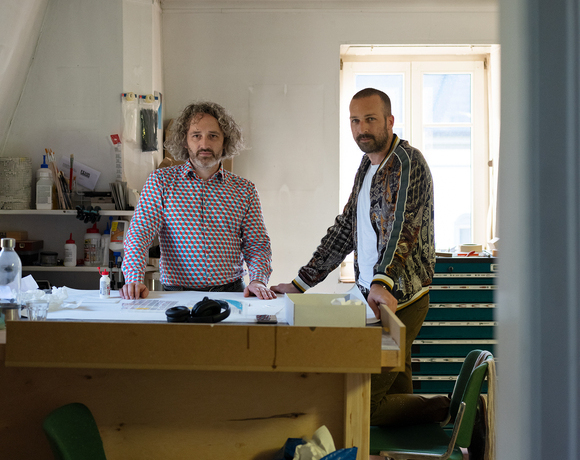
Piertzovanis Toews
Crafted by Conception, Tailored to Measure
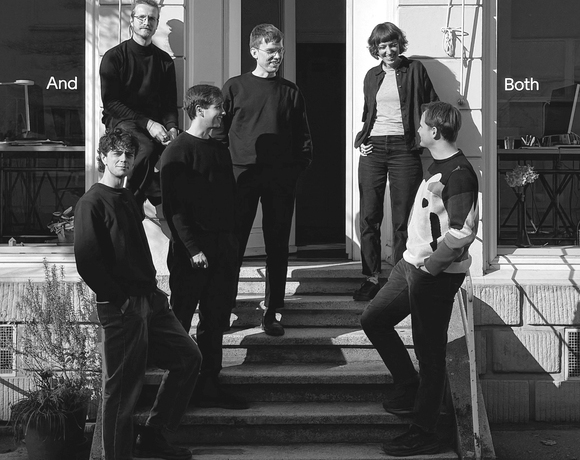
BothAnd
Fostering Collaboration and Openness
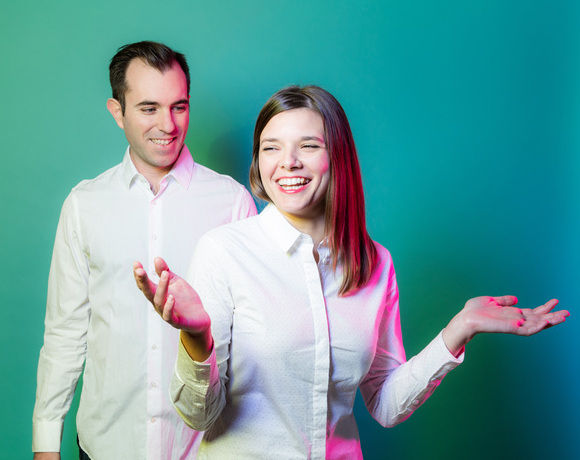
Atelier ORA
Building with Passion and Purpose
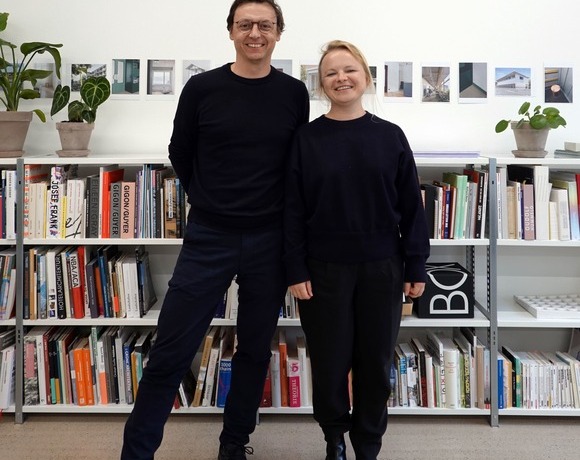
Atelier Hobiger Feichtner
Building with Sustainability in Mind
CAMPOPIANO.architetti
Architecture That Stays True to Itself
STUDIO PEZ
The Power of Evolving Ideas
Architecture Land Initiative
Architecture Across Scales
ellipsearchitecture
Humble Leanings, Cyclical Processes
Sophie Hamer Architect
Balancing History and Innovation
Argemí Bufano Architectes
Competitions as a Catalyst for Innovation
continentale
A Polychrome Revival
valsangiacomoboschetti
Building With What Remains
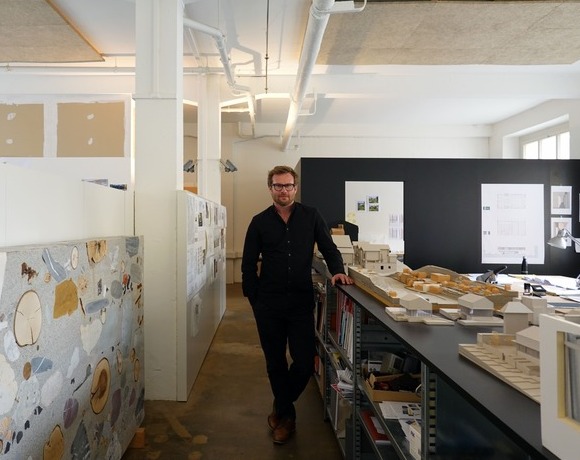
Oliver Christen Architekten
Framework for an Evolving Practice
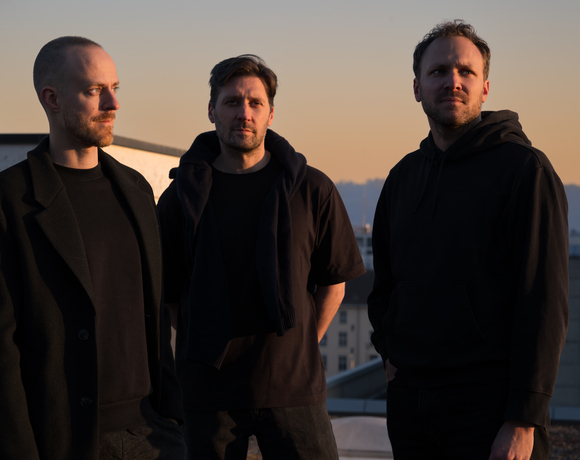
MMXVI
Synergy in Practice
Balancing Roles and Ideas
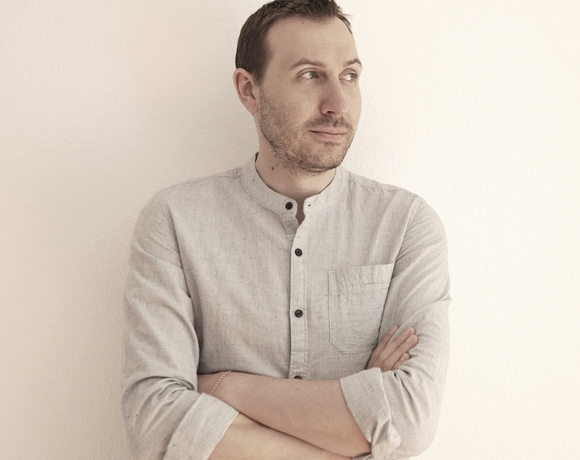
studio 812
A Reflective Approach to
Fast-Growing Opportunities
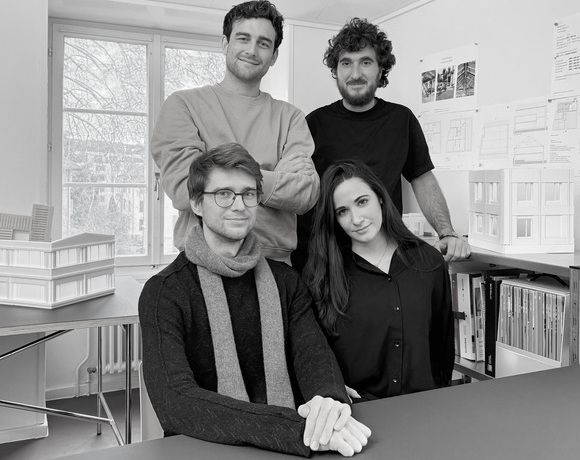
STUDIO4
The Journey of STUDIO4
Holzhausen Zweifel Architekten
Shaping the Everyday
berset bruggisser
Architecture Rooted in Place
JBA - Joud Beaudoin Architectes
New Frontiers in Materiality
vizo Architekten
From Questions to Vision
Atelier NU
Prototypes of Practice
Atelier Tau
Architecture as a Form of Questioning
alexandro fotakis architecture
Embracing Context and Continuity
Atelier Anachron
Engaging with Complexity
studio jo.na
Transforming Rural Switzerland
guy barreto architects
Designing for Others, Answers Over Uniqueness
Concrete and the Woods
Building on Planet Earth
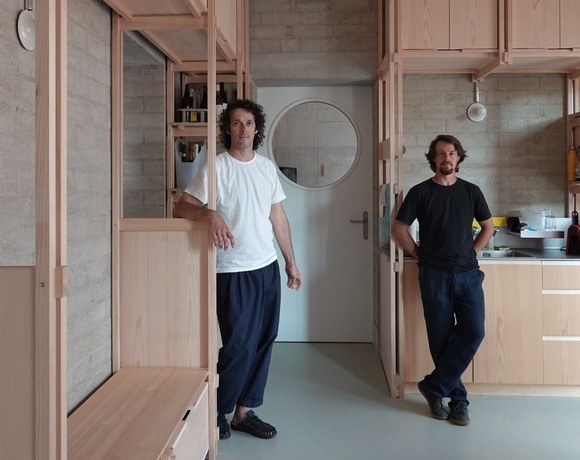
bureaumilieux
What is innovation?
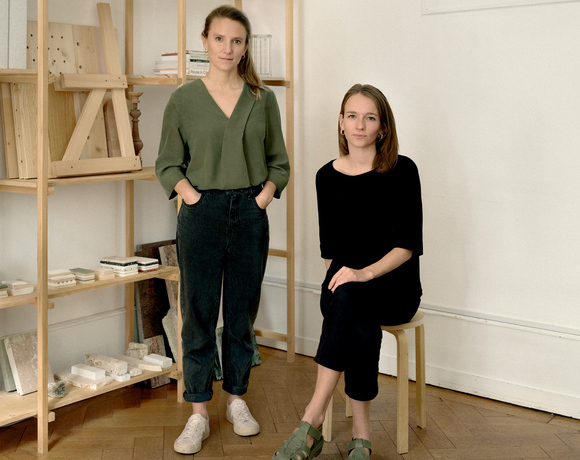
apropå
A Sustainable and Frugal Practice
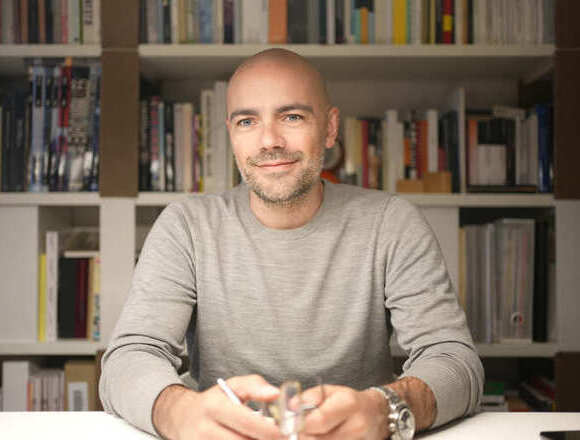
Massimo Frasson Architetto
Finding Clarity in Complex Projects
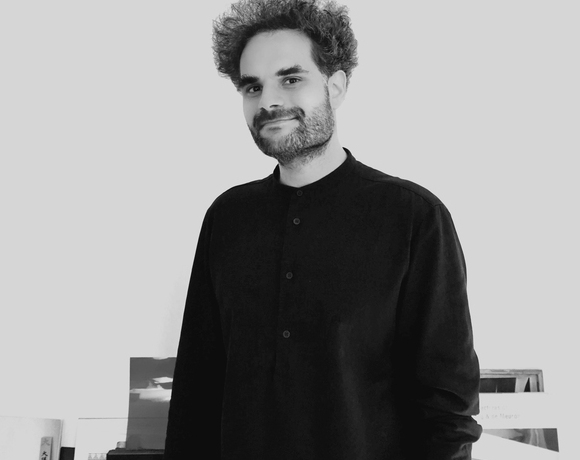
Studio David Klemmer
Binary Operations
Caterina Viguera Studio
Immersing in New Forms of Architecture
r2a architectes
Local Insights, Fresh Perspectives
HertelTan
Timeless Perspectives in Architecture
That Belongs
Nicolas de Courten
A Pragmatic Vision for Change
Atelier OLOS
Balance Between Nature and Built Environment
Associati
‘Cheap but intense’: The Associati Way
emixi architectes
Reconnecting Architecture with Craft
baraki architects&engineers
From Leftovers to Opportunities
DARE Architects
Material Matters: from Earth to Innovation
KOMPIS ARCHITECTES
Building from the Ground Up
Fill this form to have the opportunity to join the New Generations platform: submissions will be reviewed on a daily-basis, and the most innovative practices will have the chance to be part of the media's coverage and participate in our cultural agenda, including events, research projects, workshops, exhibitions and publications.
New Generations is a European platform that investigates the changes in the architectural profession ever since the economic crisis of 2008. We analyse the most innovative emerging practices at the European level, providing a new space for the exchange of knowledge and confrontation, theory, and production.
Since 2013, we have involved more than 3.000 practices from more than 50 countries in our cultural agenda, such as festivals, exhibitions, open calls, video-interviews, workshops, and experimental formats. We aim to offer a unique space where emerging architects could meet, exchange ideas, get inspired, and collaborate.
A project by Itinerant Office
Within the cultural agenda of New Generations
Editor in chief Gianpiero Venturini
Team Akshid Rajendran, Ilaria Donadel, Bianca Grilli
If you have any questions, need further information, if you'd like to share with us a job offer, or just want to say hello please, don't hesitate to contact us by filling up this form. If you are interested in becoming part of the New Generations network, please fill in the specific survey at the 'join the platform' section.
In Between Scales
ECHELLE OFFICE was founded by Romain Piveteau in 2014. Based in Paris and Nantes, its activity develops through architectural projects of varying complexity and scale for public and private sector clients. ECHELLE OFFICE's work is characterised by an 'open approach,' without preconceptions, which seeks to question a program by promoting the construction of a methodology specific to each project.
RP: Romain Piveteau
All roads lead to Paris
RP: France is a highly centralised country, with Paris at its core. While there are other dynamic and interesting cities, Paris has historically concentrated administration, economic activity, and cultural institutions. The spatial structure of Paris reflects this centralisation, from the Seine and the Île de la Cité to the Grand Boulevards, the old city walls, and the Périphérique.
This centralisation extends to architecture. After May 1968, architecture schools emerged from the Beaux-Arts tradition. Initially, Paris had six or seven schools, and later, cities like Nantes, Bordeaux, Lille, Marseille, and Toulouse established their own. Still, Paris has remained a hub for architectural education and practice. The transportation network reinforces this concentration. The TGV connects Paris to other cities within hours, allowing architects based in Paris to work across France. Many architects in Paris can easily travel to project sites in Lyon, Bordeaux, or Nantes in just a few hours, maintaining a strong presence across the country.
Opportunities for emerging practices in Paris are closely tied to the city's urban policies. In recent years, Paris has prioritised reducing car use, promoting cycling, and addressing CO2 emissions. The city actively pushes for new construction methods, reducing reliance on concrete in favour of materials like wood and béton de chanvre (hempcrete). This shift is part of a broader ecological strategy. Public clients such as the Ville de Paris, Paris Habitat, and RIVP (Régie Immobilière de la Ville de Paris) have the financial means to experiment with new construction techniques. When I was a student in the early 2000s, environmental concerns were already present, but they were not the primary focus. The ‘French Touch’ generation of architects was known for bold gestures, colours, and material experimentation, often prioritising form over function. Our generation has taken a different approach, emphasising efficiency, user experience, and sustainability. We seek to move away from purely formal exercises and instead focus on how buildings are used and how they impact the environment. This awareness of climate change and CO2 emissions has become a defining characteristic of contemporary practice.
Behind the name
RP: The name of our practice, Echelle, comes from the desire to work with and understand the city on multiple scales. ‘Echelle’ means ‘scale’ in French, and scale is central to our approach. After graduating, I worked at an urban planning office, focusing on large territories and the connections between urban, architectural, and design scales. One of Echelle Office’s main ambitions was to remain engaged across various scales rather than specialising in just one. Architecture as a profession requires an understanding of geography and territory, as well as the connections between elements across scale and time. In our daily practice, we strive to understand how scales interact and function together. Echelle also refers to the three-dimensional aspect of architecture, particularly the section. As a student, I had teachers who worked almost exclusively in three dimensions, emphasising the section, while others focused solely on the city’s master plan, viewing it from above. By incorporating the section into our vision, we bring in the notion of usage. Moving beyond a top-down, master-planned approach allows us to focus on how spaces are used in reality. When we were students, we were influenced by the work of OMA—a major office that shaped our perception of the profession. The book S, M, L, XL by Rem Koolhaas was a key reference. It oriented our way of looking at architecture and urbanism, not just structurally but as an approach to the profession. Échelle also carries another meaning. In French, ‘l'échelle’ can signify a step or a transition between levels, evoking the idea of shifting between scales. Additionally, the term “office” has a double meaning—it refers to both a workspace and a kitchen. We often compare our office to a kitchen, a place where we experiment, manipulate models, plans, and designs. We see our work as ‘cooking’ architecture and urbanism, bringing ingredients together to create something meaningful.
Gaining ground, project by project
RP: At the beginning of my career, securing projects was essential to maintaining activity. Since I was born in Nantes, I had connections there, including my father, who was an architect. Our first project was a small development of 12 housing units in Nantes, which we designed together. This project increased our visibility, opening up new opportunities. At the same time, I worked on private commissions, primarily restructuring and refurbishing flats in Paris and its surroundings. After these initial projects, I focused on presenting the office and shaping its identity. In the beginning, you just say, ‘I’ve done this, I have a few references,’ but I also had experience working in offices before, so I spent a lot of time explaining what I had done and how I envisioned the office evolving in the coming years.
Since the beginning I participated in many competitions for housing projects, schools, and other programs. Over time, we began to be selected, and occasionally, we won. In the first two years, we were in a phase of defining the practice, balancing private commissions with public competitions. After two or three years, we secured three commissions—one small, one medium, and one large-scale social housing project. We worked on these between 2013 and 2018, and they are now completed.
Winning public competitions made it easier to apply for new ones. Around 2019–2020, we focused on prospecting, which became a daily part of the office’s work. We typically submitted one proposal per week for public competitions. The more projects we had, the more we could demonstrate stability and capability. The first two or three years were about establishing ourselves, then came public projects, and now, after ten years, I feel it has become somewhat easier to be selected—though never entirely easy—but we continue in this direction.
Contextual solutions
RP: Right now, our office is evenly split between public/social housing and private projects. Paris and its surrounding areas have remained our primary base, allowing us to travel efficiently for site visits without excessive distances. Nantes has a strong architectural scene, making it a competitive but stimulating place to work. In both contexts, we have actively pursued public and social housing because the organisations involved are highly professional and state-funded, aiming to provide affordable housing for low-income residents. Their approach is very different from private developers, who focus on building and selling for profit. Private developers still aim to produce quality projects since they rely on municipal approvals to continue working in different territories, but their primary goal is to sell. With social housing, the developers retain ownership for decades, meaning they prioritise long-term maintenance, durability, and quality. The teams we work with in social housing tend to be highly engaged, considering aspects such as sustainability, affordability, and longevity. Public clients also push for diverse materials, bio-sourced construction, and sustainability. While we collaborate with private developers, and some are excellent, the public sector’s focus is more on creating quality living spaces rather than maximising profit.
As for our guiding themes, the word "hybrid" defines our practice today. Each project responds to its specific context with different forms, materials, and solutions rather than adhering to a fixed style. For example, in 2018, we won three public competitions: one in full concrete, one in brick, and one in enduit. Each material choice was based on the specific needs of the site and project. While we always consider CO2 reduction, it is not our sole focus. When I was a student in the 2000s, my professors emphasised deconstructing a question to find the right answer, rather than following trends. In one competition, we were tasked with designing a building under a strict budget to make housing affordable in Paris, where prices are typically around €10,000 per square meter. The project, part of the BRS (Bail Réel Solidaire) initiative, allowed residents to buy flats without purchasing the land, reducing costs. Our approach was pragmatic, balancing CO2 reduction with financial constraints. We proposed two buildings: one tall structure made of concrete with terra-cotta facades, ensuring fire safety compliance while keeping costs low, and a lower building constructed entirely from wood and hemp to reduce carbon impact. We lost the competition because the jury felt there was too much concrete, even though our solution ensured affordability. The winning project, which was entirely wood-based, struggled with cost and execution.
This experience highlighted the complexity of balancing environmental concerns with budget realities. While CO2 reduction is crucial, our office prioritises pragmatic solutions that make sustainable housing accessible to low-income families. Today, we live in a hybrid era, reflecting past architectural movements while addressing modern environmental concerns. Architecture is evolving, and we have entered a unique period shaped by sustainability and economic constraints.
Future goals
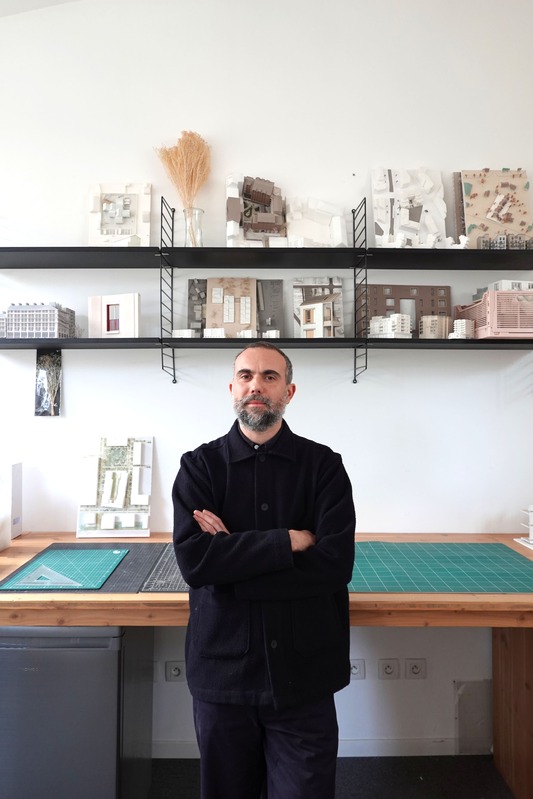
RP: Our website isn’t always up to date, but it still represents our practice well. The homepage features images of models, 3D renderings, construction site photos, finished projects, and material studies—all elements we engage with daily. Even if not perfectly current, the website conveys the hybrid and complex nature of our approach.
Over the past ten years, we have built a foundation of projects we are proud of, allowing us to apply for public competitions with confidence. Recently, we have focused heavily on housing projects. However, when I founded Echelle Office, my goal was to work across different scales. I have a strong interest in urban planning and geography, understanding how territories evolve over time, and I would love to engage in urban-scale projects in the future.
Architecture is about being a generalist—housing is fascinating because it directly impacts how people live, but I am also interested in designing schools. Schools contribute to shaping neighbourhoods, offering an opportunity to think about architecture’s role in communities. Diversifying our practice with new programs and larger-scale projects would be a great goal for the coming years.
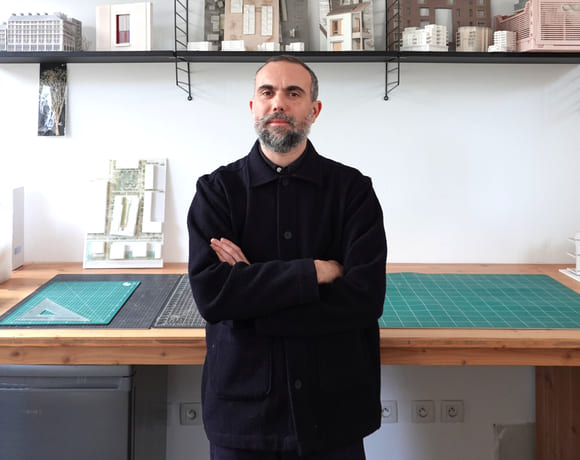
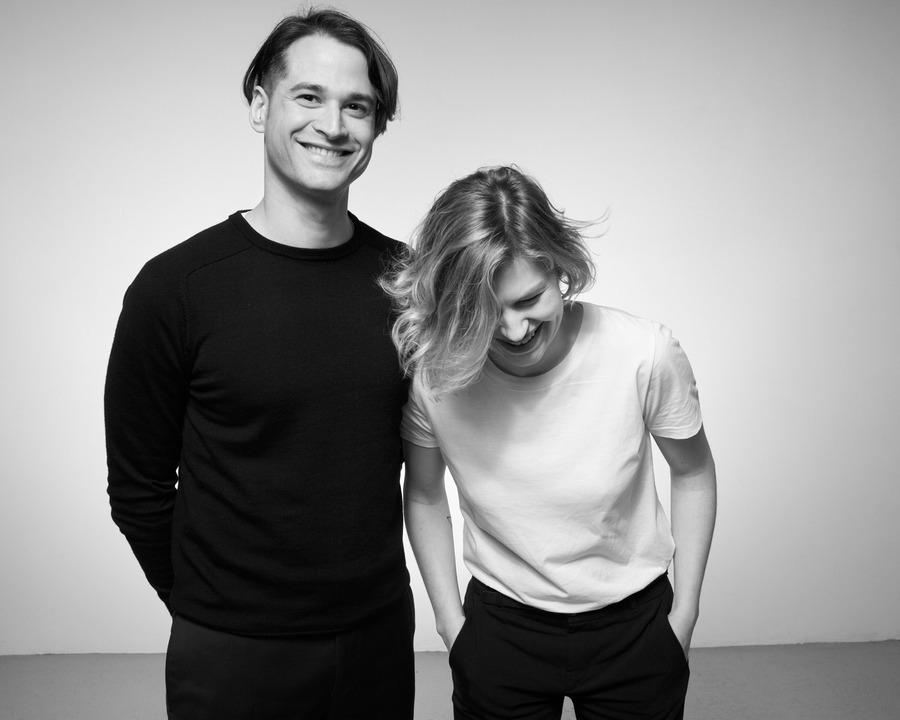
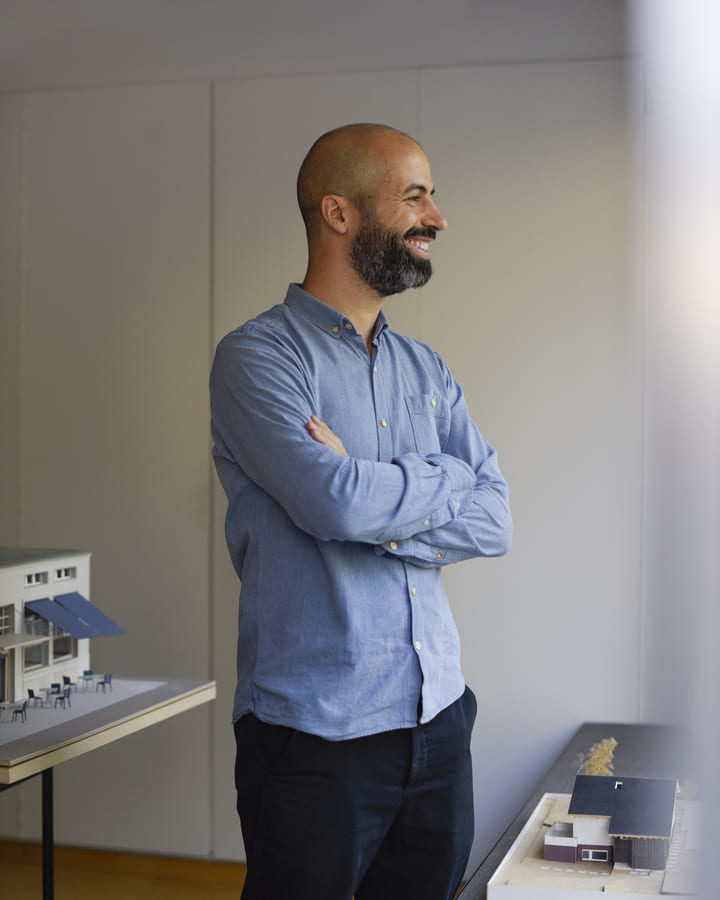
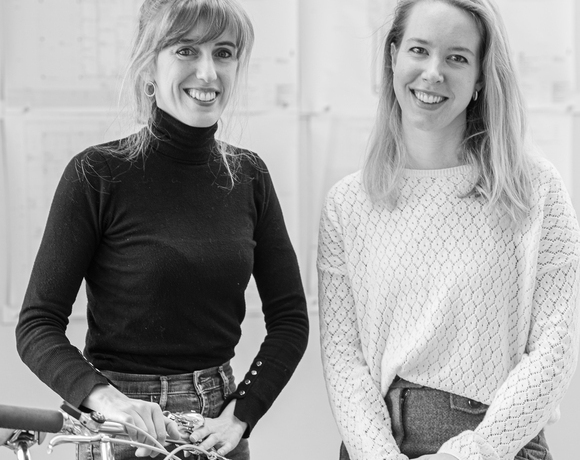
➡️ ECHELLE OFFICE. Romain Piveteau. Ph. Gianpiero Venturini
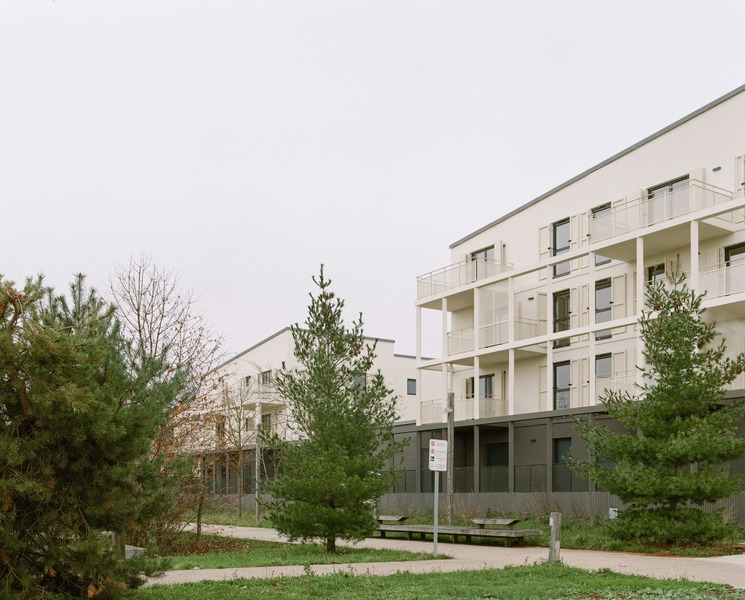
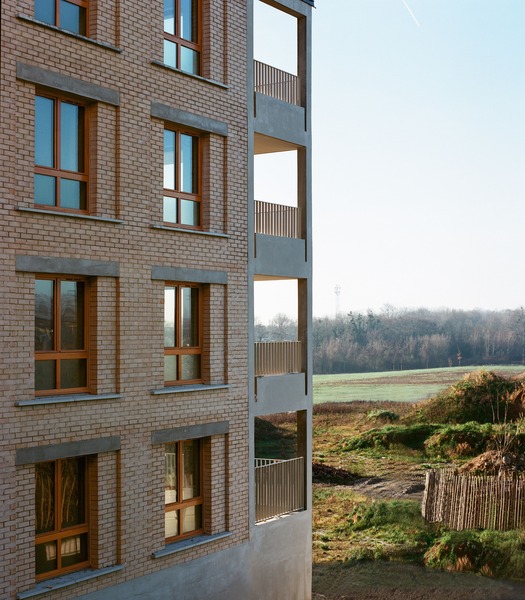
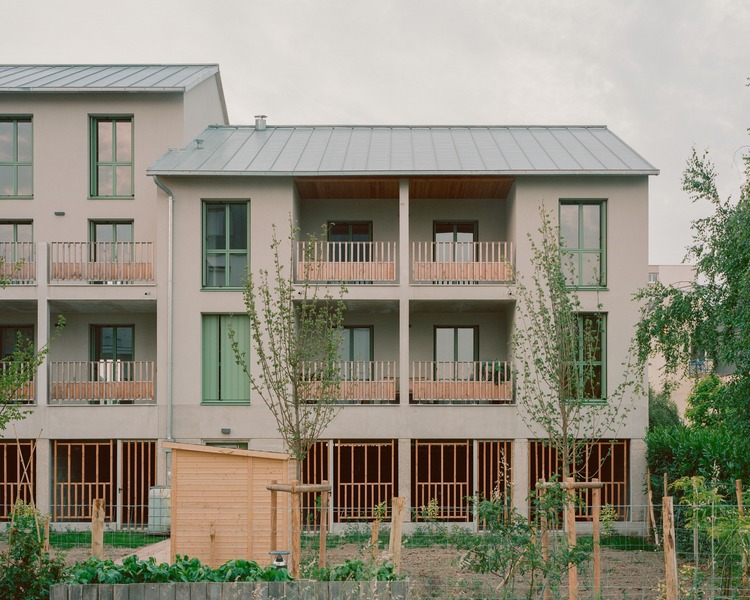
➡️ Rungis Maxi. 88 social housing units, Rungis. Ph. Antoine Seguin
➡️ La Riche. 61 social housing units, La Riche. Ph. Charles Bouchaïb
➡️ Bois d’Arcy. 35 social housing units, Rungis. Ph. Antoine Seguin
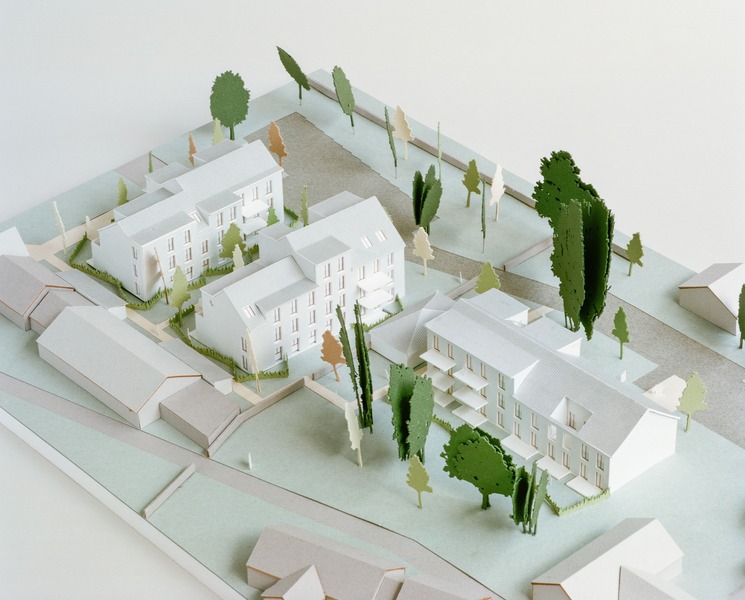
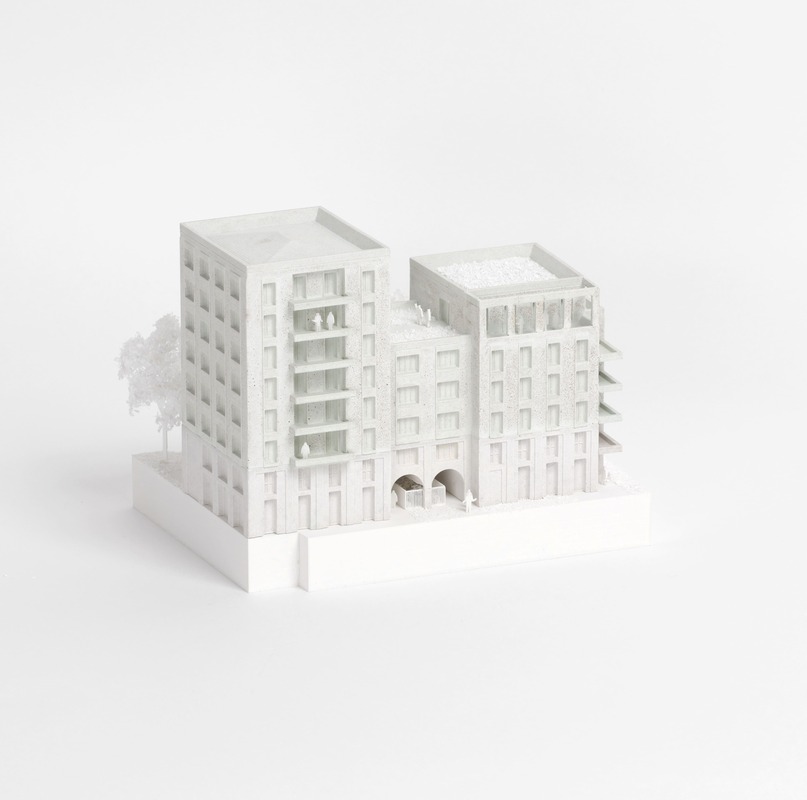
➡️ Sur Loire, model. 30 social housing units, Thouaré-sur-Loire. Ph. Echelle Office
➡️ Auber, model. 30 social housing units, Aubervilliers. Ph. Atelier PLB