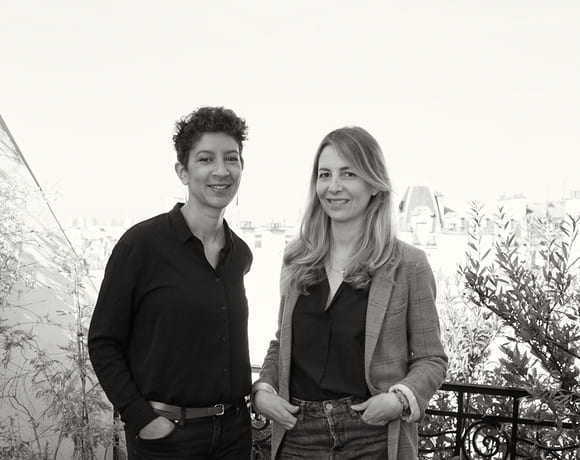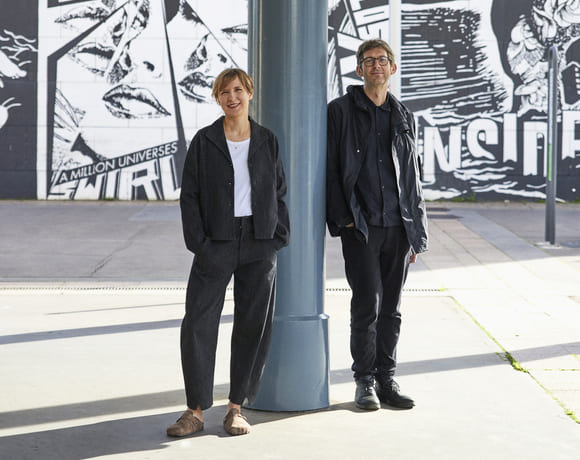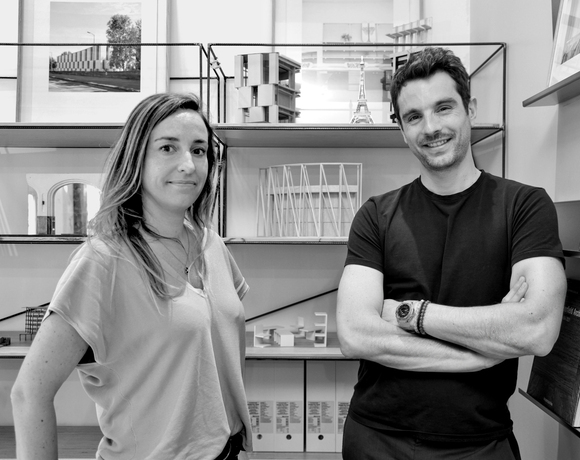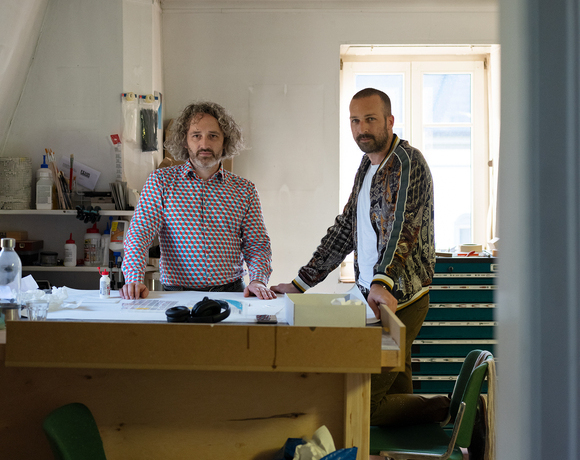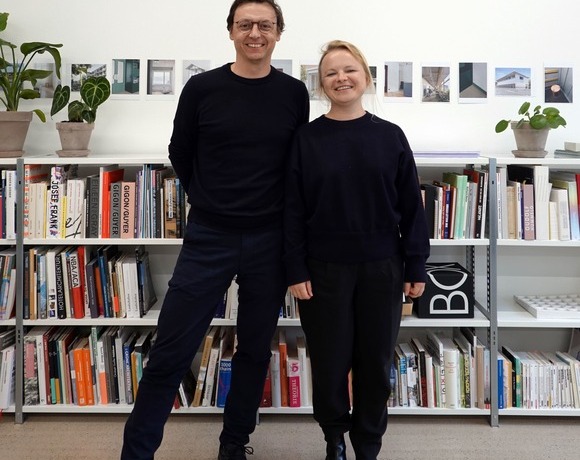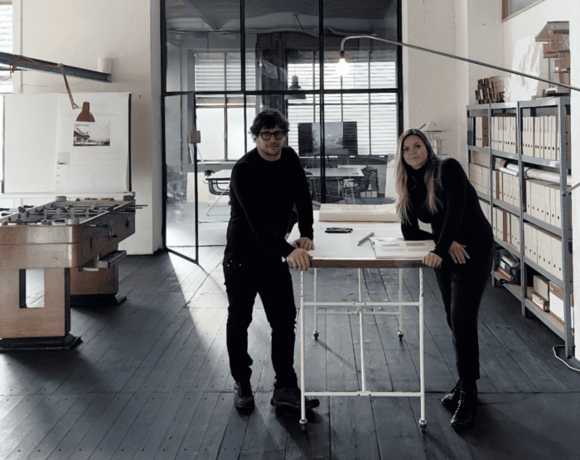



Gwendoline Eveillard Studio
Paris + Zurich

The Challenge of Reuse

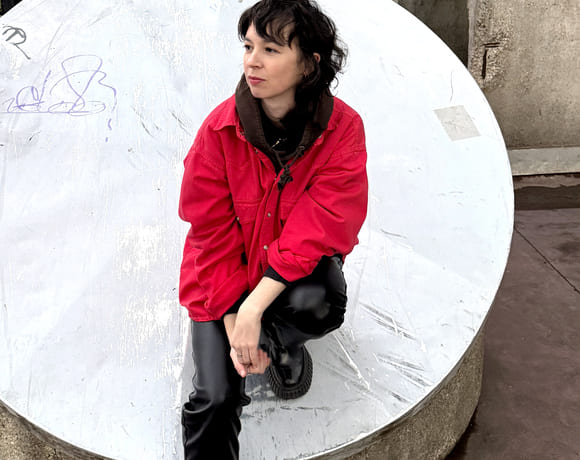
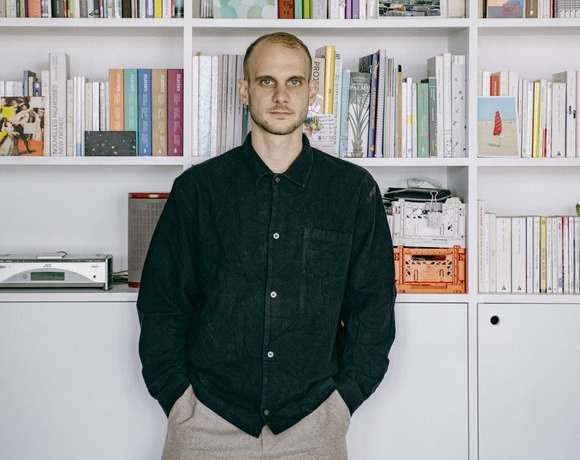
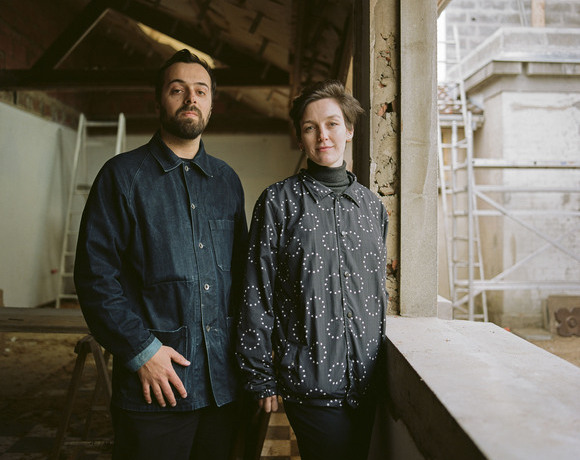
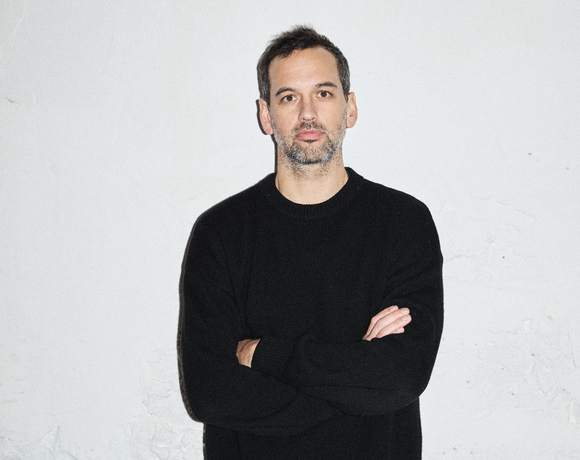
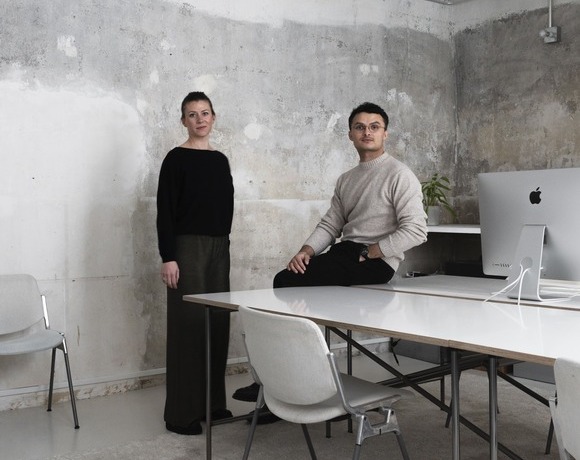
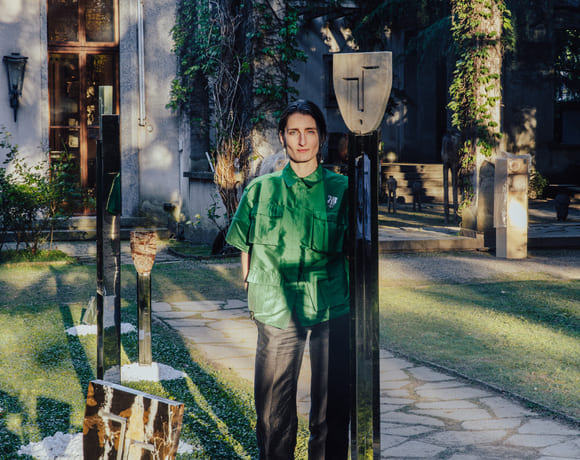
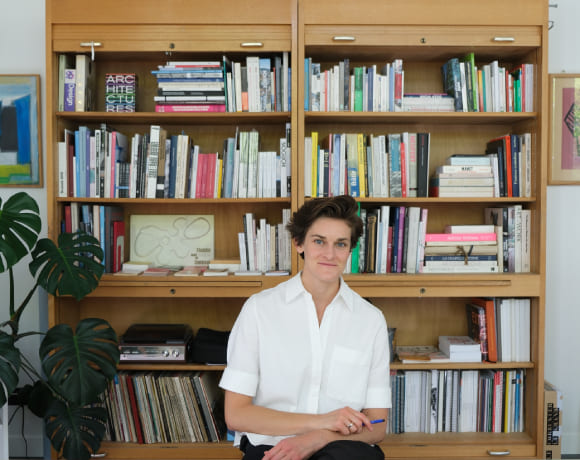
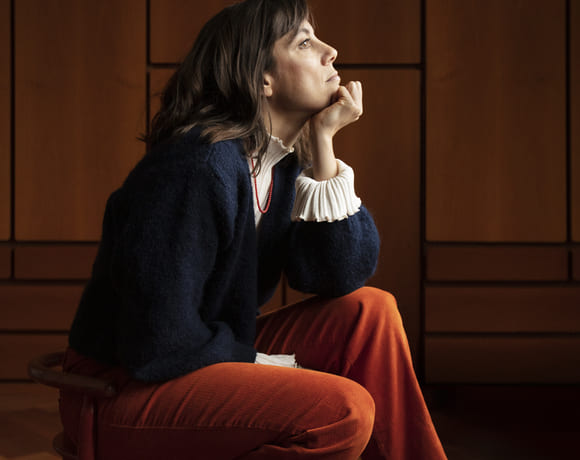
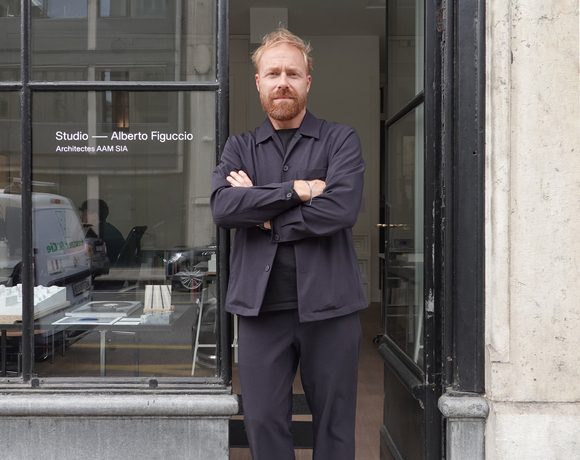
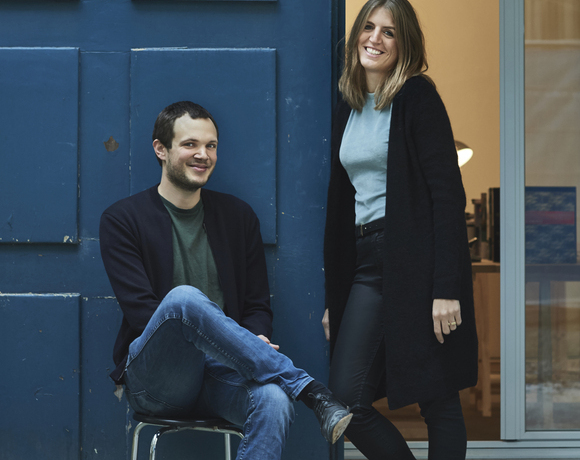
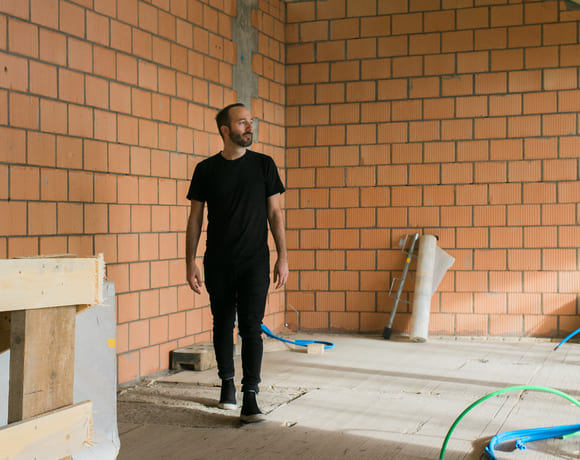
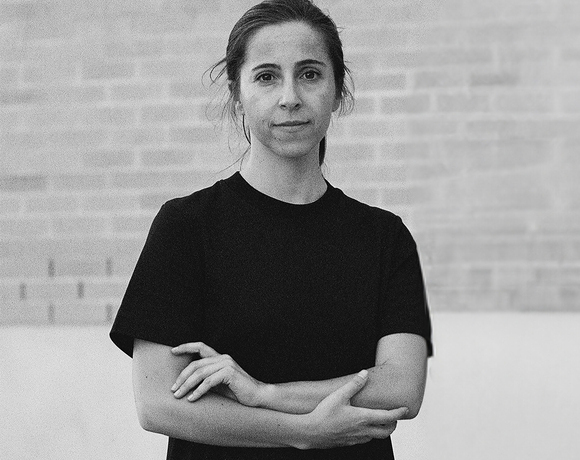
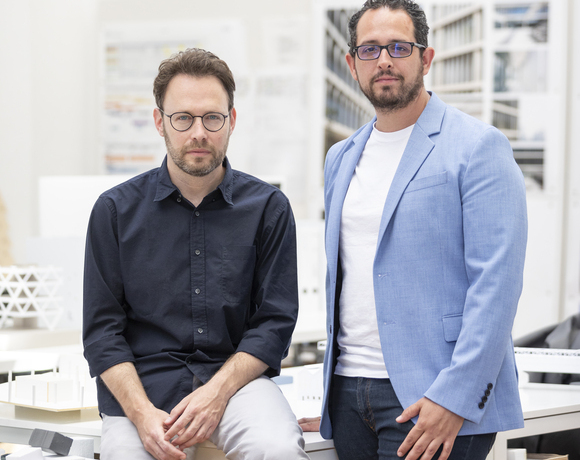
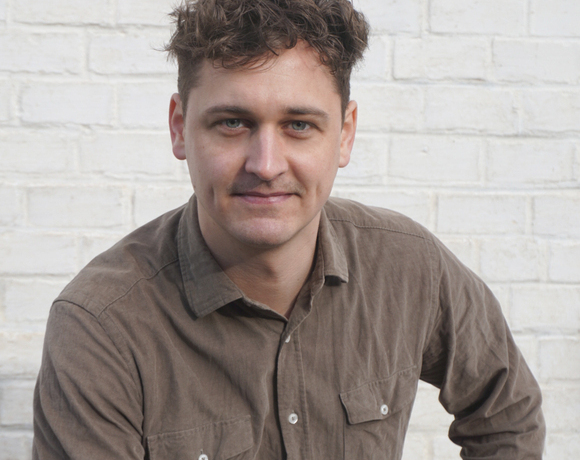
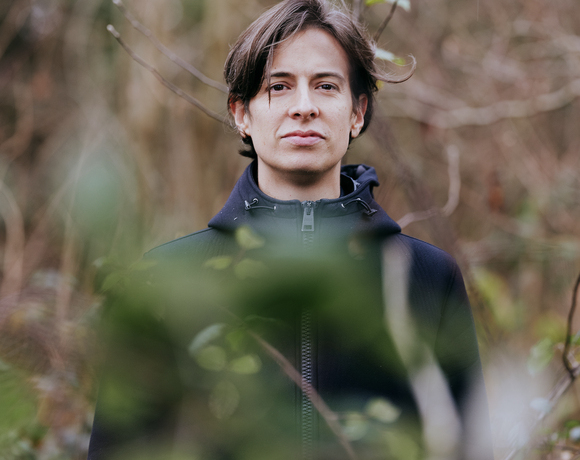
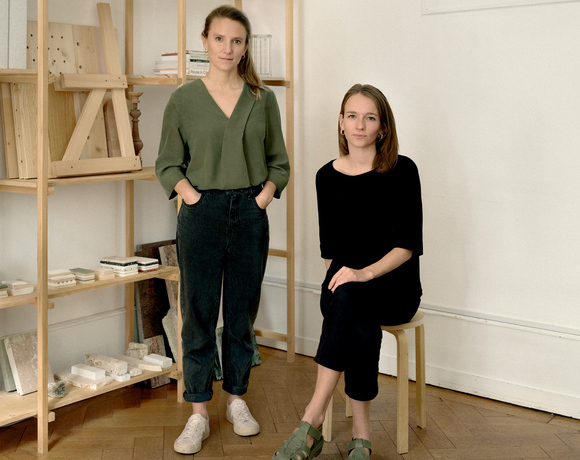
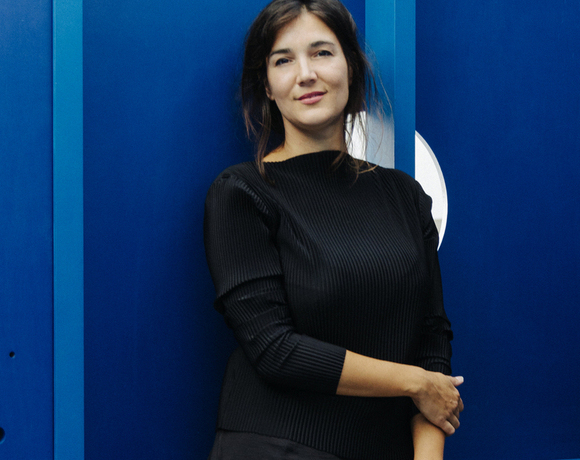
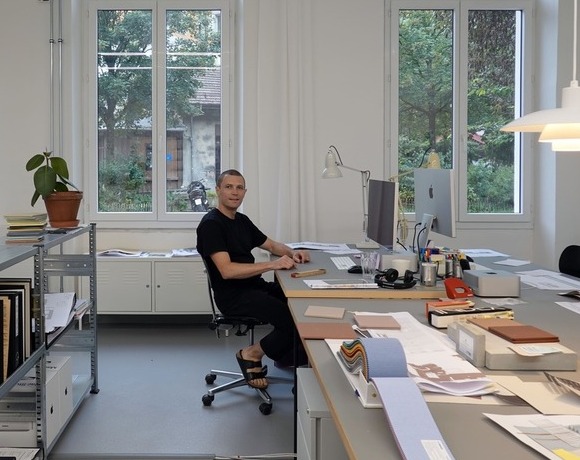
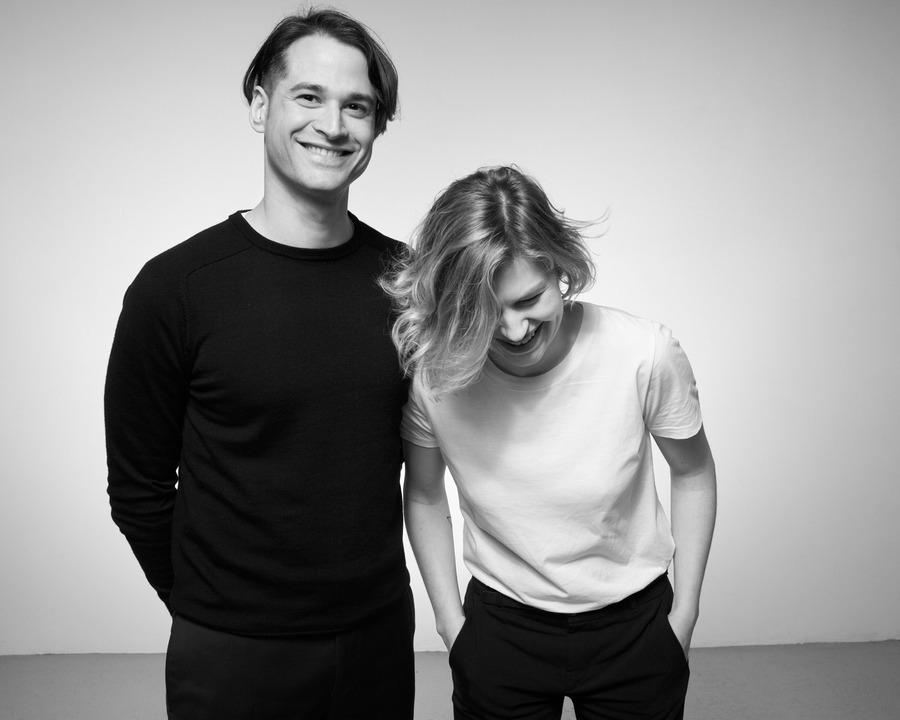
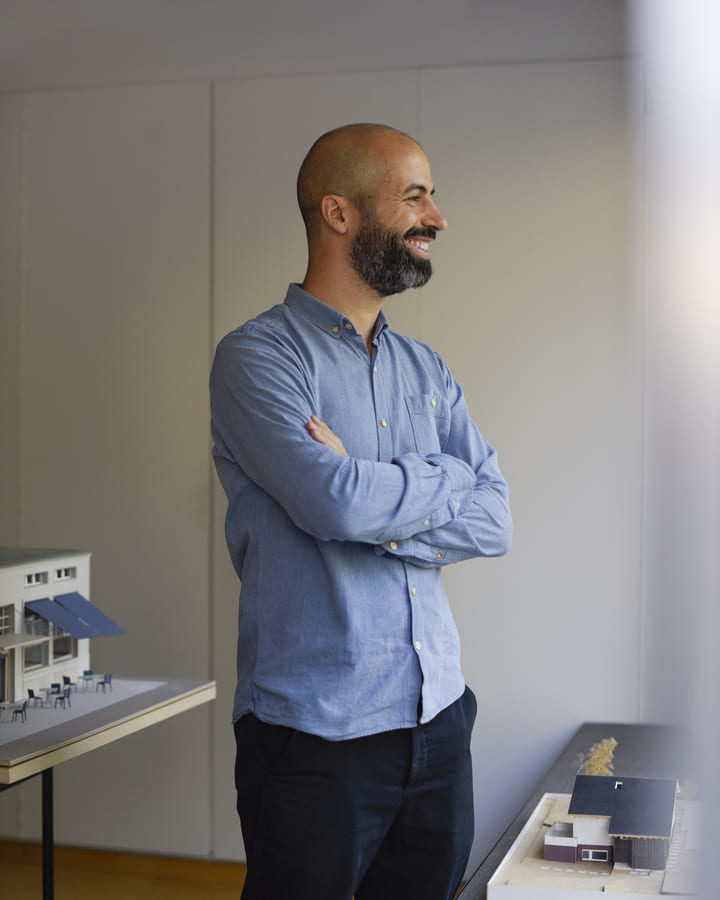
Gwendoline Eveillard graduated from ENSA Paris-Malaquais in 2015 and founded her studio in 2021 after five years at Herzog & de Meuron and experience with firms including BIG in Copenhagen. Based in Paris and Zurich, the studio works at the intersection of architecture, interior, and product design, focusing on renovation and transformation that highlights existing material and immaterial qualities. Rooted in sufficiency, it creates compact, adaptable spaces with raw and reused materials. Since 2021, Gwendoline has researched circular economy with Seconde Œuvre, taught at ESA, and served as invited juror at various architecture schools.

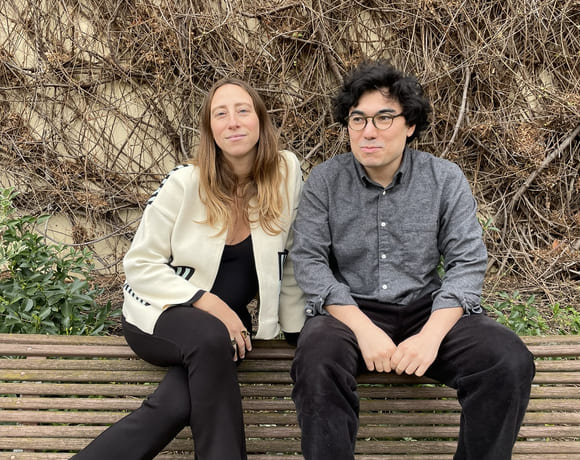
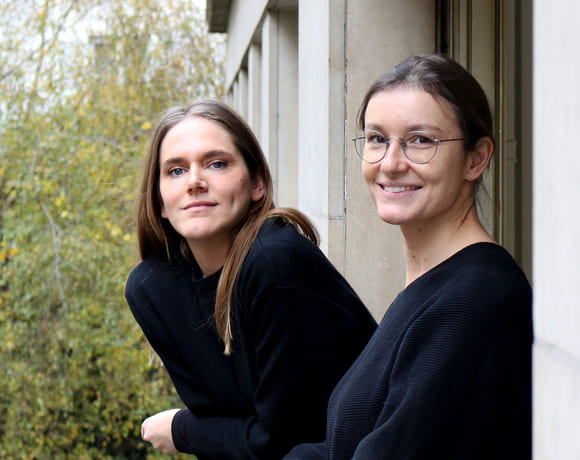
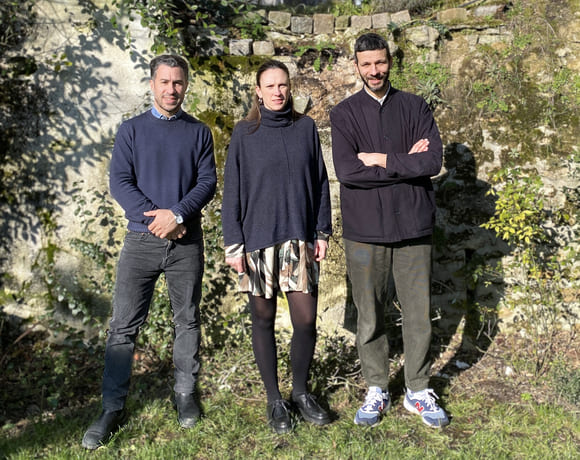
GW: Gwendoline Eveillard | CC: CĂŠcile Colas


Right time, right place

GE: I graduated in 2015 knowing I wanted to have my own office eventually, but I also understood I needed more experience first. Starting a practice wasn’t a formal or planned decision. By the time I launched my office, I had studied in France and Copenhagen, so I was accustomed to navigating between different places. While in Copenhagen, I worked for a year at BIG (Bjarke Ingels Group), which broadened my perspective. When you’re used to one country and one context, you tend to think everything works the same way. But then you realise that the culture of architecture, the public’s general understanding, construction methods, materials, and budgets—all of it varies from place to place. So I started applying to offices in Paris. I had a good CV—I did well in school, and I had BIG on my resume, which often helps. I was applying to small offices I liked—not huge ones, but ones with a particular interest in theory or functionality. I wasn’t being overly selective. I probably sent 50 portfolios. But it was really hard to get a salaried position. That’s often the case in France—many small firms don’t have a solid business model, or they’re financially stretched, so they can’t really hire people. At the same time, just as an experiment, I sent my portfolio to five of the most well-known architecture offices internationally. One of them was Herzog & de Meuron in Basel. And somehow, it was easier for me to get an offer from a major global firm than to find a salaried job in a small Paris office.

So I moved to Basel—not because I planned it—but because the opportunity came. That decision shaped my trajectory. At first, I thought I’d stay one year. Then six more months, and then six more months… and it became five years. It could have lasted even longer. But I realised: if I don’t start my own practice now, it’s going to be harder and harder to take that leap. It’s such a difficult transition for many reasons—especially when you’re working at a place surrounded by inspiring architecture, brilliant colleagues, and the comfort of Swiss life. And starting your own practice means starting from zero. 


All-in on a flat

GE: As a young architect in France, especially in Paris, if you don’t have a network, a wealthy family, or a connection to a bigger firm, what you can typically access is small flat refurbishments. There’s no magic. But once you get started that way, it's actually a viable entry point because there’s so much work needed in a city like Paris—energy-efficient renovations, improved layouts, better functionality. And young architects are often a good fit for it: they don't yet have much experience, they're not expensive, and they’re the only ones private clients can really afford.

In my case, I didn’t have a network. But I started with a friend, we did one or two small refurbishments, and when the clients were happy, they talked about it to other people—a friend, a relative, and so on. Then, later on, someone else calls to ask if you could do something similar. That’s good and bad. Good, because it brings clients. Bad, because it might not be the type of work you want to be doing long-term. I don’t think many architects dream of doing small flat renovations—it’s not economically sustainable as a main activity—but that’s how it starts for a lot of people. It was the same for me.

The other thing I did was a bit of a gamble. I had saved some money in Switzerland while working in Basel, and I used it to buy what I could afford in Paris. That turned out to be a 36-square-meter apartment—not much, but already something in a city like Paris. I thought: I can either keep that money to allow myself to work for free for a year, or I can invest it into creating a reference project. I chose the second. I became my own client and designed the project the way I wanted—something I could show people, something aligned with the kind of work I wanted to do. That decision turned out to be a good strategy. 


Between thought and matter

GE: I’m definitely someone who enjoys intellectual thinking. I love to read, think, and debate with myself. That’s a big part of architecture—but that alone doesn’t build anything. On the other hand, I’m also very drawn to materials. What I like in a space is when you feel good in it—beautiful volumes, good composition, thoughtful detailing in the joints and materials. Refurbishment projects fall somewhere in between. They allow me to work with existing buildings and layouts as case studies—small, real, and requiring simple, clever solutions—while still engaging with big questions. I really enjoy the challenge of finding those simple solutions.

I also believe refurbishment is a great space to explore sustainability. That’s my main area of interest, but I’ve developed my own way of approaching it—my own set of references and parameters. One important parameter, for me, is that sustainability is deeply connected to layout and program. Clients always come with a set of demands, based on what they think they need now. But part of our job as architects is to read between the lines—to anticipate not just their immediate needs, but also what they might need in six months, five years, even twenty years. So one key concept I work with is layout flexibility—and compactness. If you concentrate certain functions in specific zones, you can free up other areas for more open use, for imagination, or just to create a sense of calm and space.

Sustainability, to me, is also about how you actually do the refurbishment. It’s not just about low energy use—it’s about minimising the carbon impact of the construction itself. That includes the materials you choose, how much you reuse, and whether you rely on complex, resource-heavy technologies. Often, a low-tech, low-cost solution with reused materials can serve the same purpose but be far better for the planet. So, to simplify, my approach is a mix of how you draw and organise space, how you think about layout and function, how you use materials—and how it all translates into the final use. There’s also a very personal dimension to it: aesthetics. I care a lot about how a space feels—its soul. A place that feels right can bring ten times more value. That’s why I like working with reused materials not just for their environmental value but also as elements of aesthetic composition.


Theory in practice

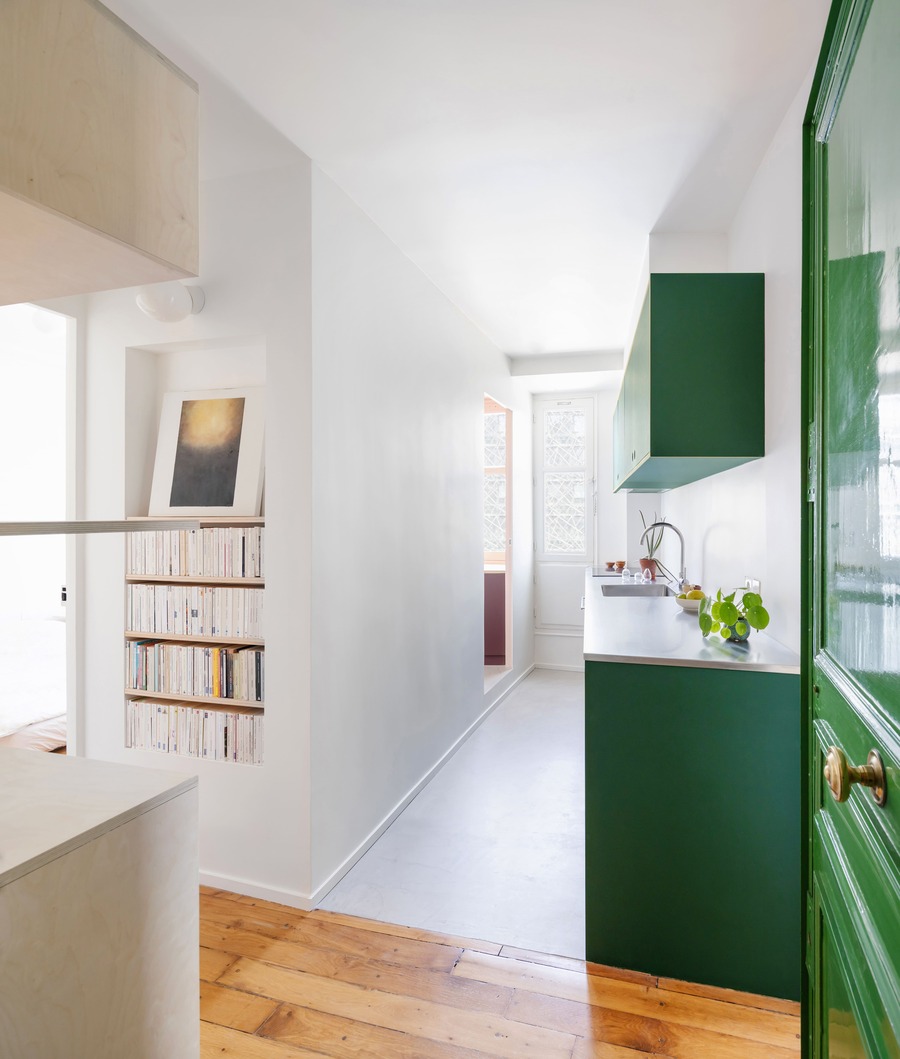
GE: A good example of this is my first project—my own flat in Paris, 36 square meters—when I bought it, there was no bathroom. It's an old flat from the early 20th century: just a toilet, no shower, no bathtub, nothing. It was a small space with a load-bearing wall in the middle, a kitchen in the centre, and rooms on either side—living room on one side, bedroom on the other.

What I did was design the new bathroom as a hybrid space—positioned at the intersection of all the flat’s uses. It has two doors, one on each side, which open opposite each other. When both are open, they recreate a wall, dividing the bathroom into two separate rooms. So it’s a normal bathroom, but also a corridor that splits the flat in two. The mirror, the sink, the nicer finishes—these make one side of the bathroom feel like an antichambre (a kind of waiting room or circulation space), while the other side hides the toilet and the shower. Because it’s a corridor, I added a worktop, so the space could serve both as a passage and a usable area.

Think of a typical bathroom—you use it maybe 15 minutes a day. But if it's centrally located, full of natural light, and pleasant to be in, it can become something more. For instance, during COVID, we used that space to work. We'd add a chair, sit by the worktop, enjoy the view, and the heated floor kept our feet warm. We ended up spending much more time there because the layout allowed it. It made the entire flat flexible. It could be used as a standard flat with a living room and bedroom—or, when people visited, it could become two bedrooms with shared access to a central kitchen and bathroom. It could also easily transform into an office space, with a meeting room on one side and offices on the other. That’s what I mean by programmatic flexibility. 


Deconstruct, not demolish

GE: Like most young and emerging practices, I want to build sustainably. But the truth is, until about two years ago, I had no idea how to actually do it. That’s what led me to Seconde Œuvre. It’s not an architecture firm, but a construction company dedicated to circularity—specifically, the reuse of second-hand materials: sanitary fixtures, plumbing components, flooring, wood, and so on. 

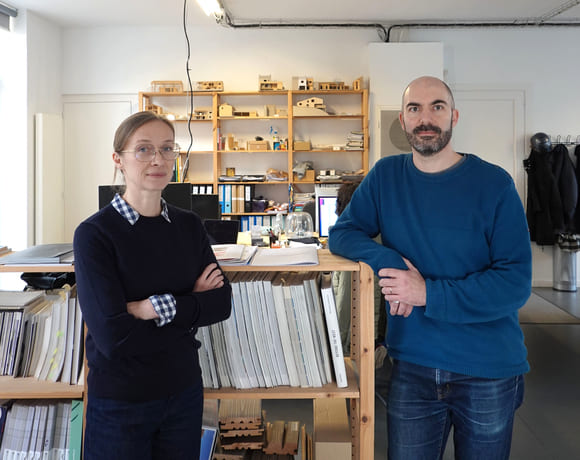
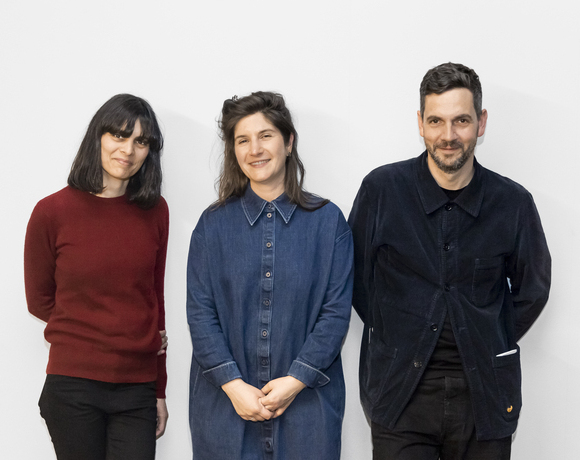
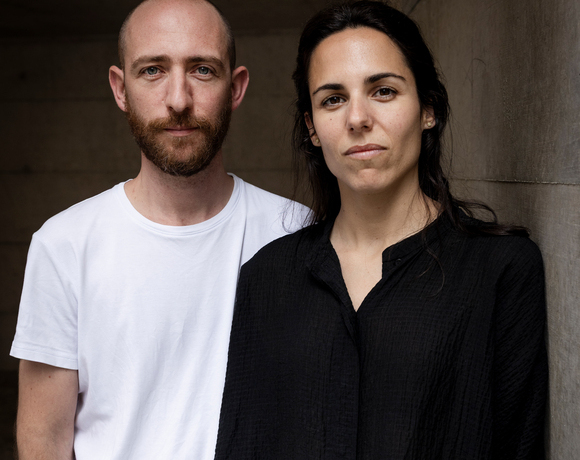
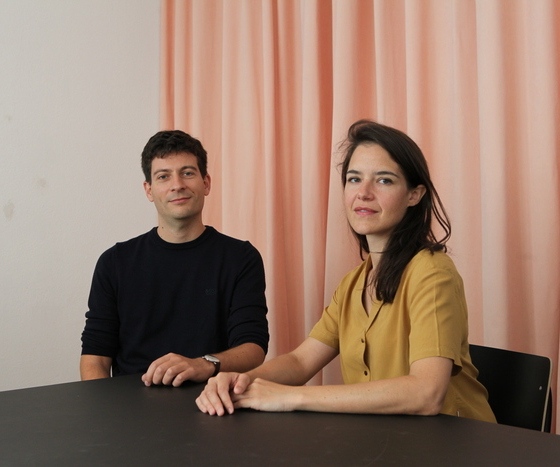
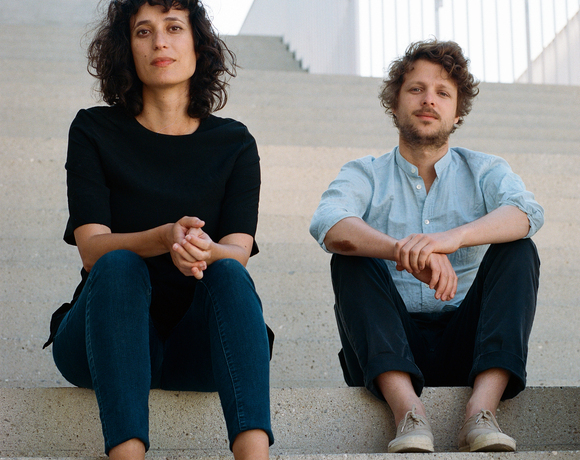
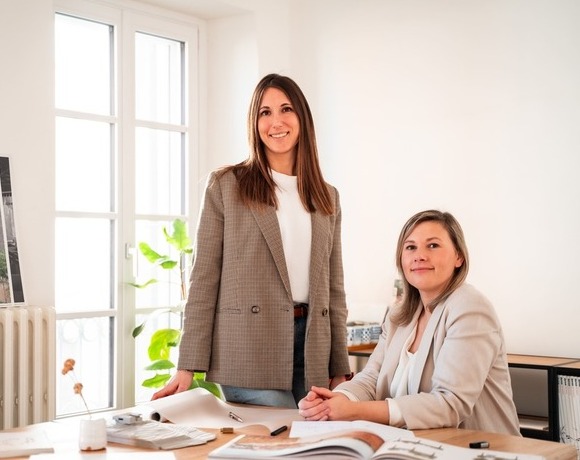
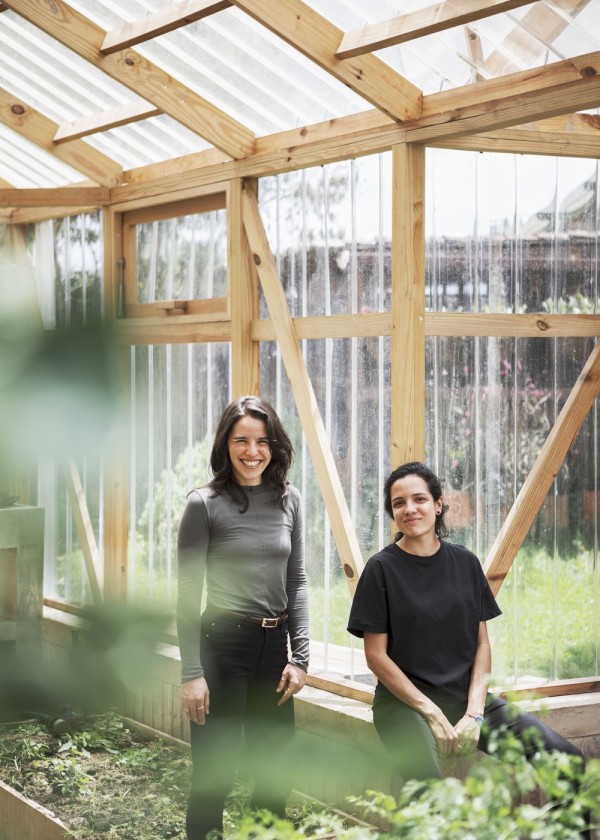
On this project I am collaborating with Cécile Colas, who came from the construction world and was already deeply involved in sustainability. She was looking to start her own company. As we talked, we quickly realised we needed each other in different ways. Sometimes I consult with them on projects that aren’t mine, when they need an architect’s perspective. And when I work on refurbishments, I bring them in for specific tasks—especially deconstruction: taking things apart carefully, piece by piece, with the goal of reusing as much as possible. Reuse is, I think, the most carbon-neutral way to requalify materials. If you reuse something as-is, that’s the best outcome. You can also transform it into something else, which is still good but more resource-intensive.

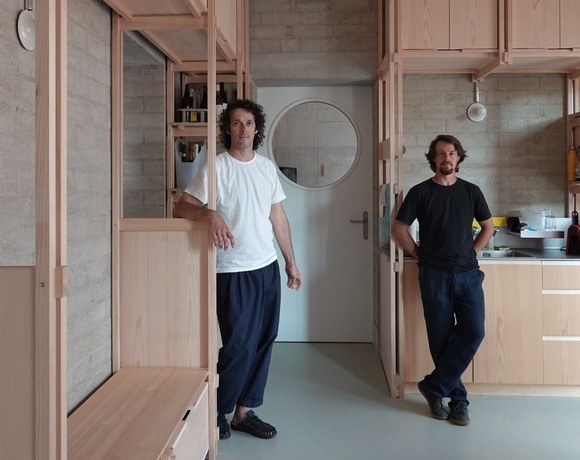
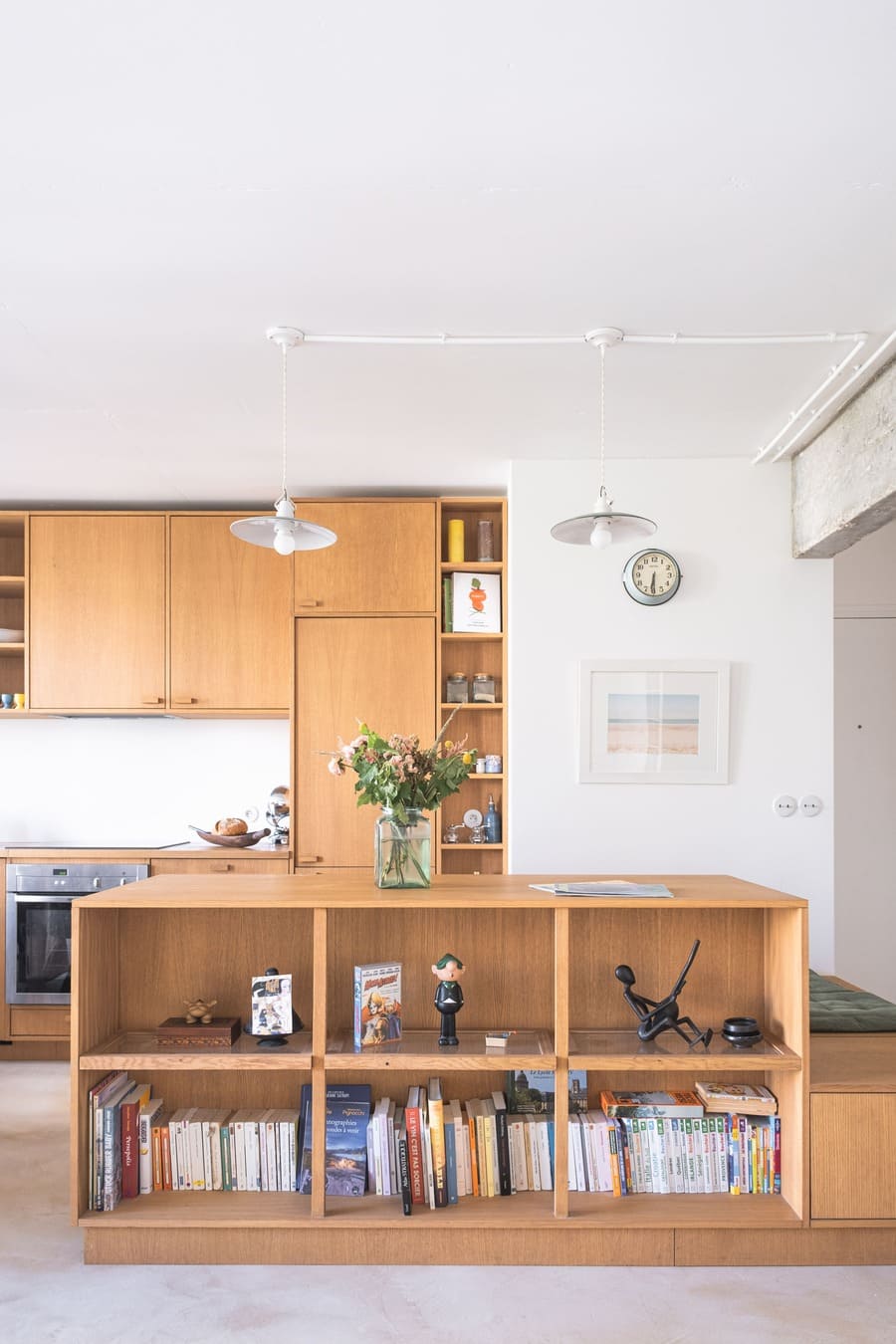
In projects, I collaborate with Seconde Œuvre not just during construction, but from the very beginning, during design. We think in advance: what materials and equipment might we be able to get second-hand? That shapes the design from the start and continues throughout the process. For example, I completed a refurbishment of a flat with Seconde Œuvre. I was the architect, and they were involved in several phases. From the beginning, I discussed the program with the clients, listed everything they wanted, and then identified which elements could come from reuse. At the time, Seconde Œuvre had several deconstruction projects happening in Paris. So we looked in real time at what could be sourced from which site. That informed the drawings. Knowing dimensions and types of available materials helped shape the aesthetics.


Circular construction in practice

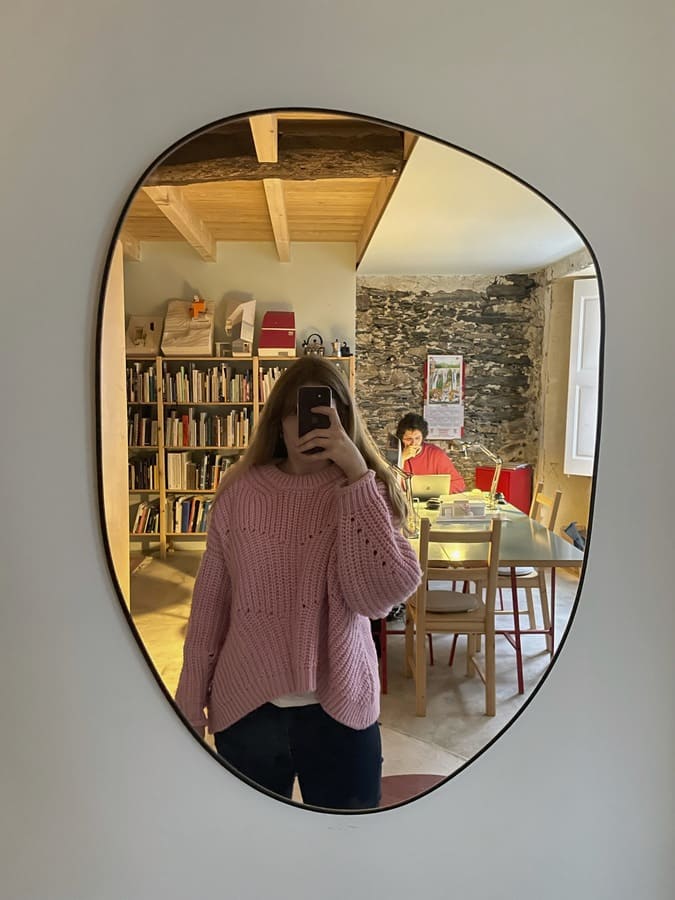
CC: Seconde Œuvre was founded to promote reuse in the construction industry. Our first client approached us with a clear goal: to reduce waste on their site. We began by identifying what could be salvaged and reused. That’s always our starting point—conducting a resource analysis. Then, we move to deconstruction. It’s not the same to demolish a door as it is to carefully remove it, preserving every part for future use. Once recovered, the materials are brought to our warehouse in Montreuil, where we catalogue and store them. From there, we connect with potential buyers—architects, individuals, or companies—who are looking for specific materials for their own projects. That’s the full cycle: from identifying value in what’s already there to giving it a second life.

GE: Regarding the materials we use: the ones you find most often aren’t necessarily the ones you sell the best. Many materials are theoretically reusable, but there’s no market for them—people just don’t want them. So, you need to be selective. 

CC: There are many hotels in the Paris region. I think the average refurbishment cycle for offices is every seven years—it’s very short compared to the residential sector, which is around 20 or even 25 years. So, the materials you find when offices are refurbished are quite new and valuable. In the residential sector, the products tend to be older and less reusable. So, that’s something we take into account. We try to source different types of material from different types of places—offices, residential, or public sector—and, of course, we select the best ones we know we can sell, for our projects, our architects, our clients.

In France now, the public sector is obligated to include up to 20% of reused materials in public projects. It’s not fully implemented yet, but it’s growing. The challenge in selling to these clients is that you need to provide warranties. You need to check the materials, ensure they meet the requirements of the architect or client, and provide a certain level of assurance. That’s one of our company’s aims: to recondition materials and then sell them with the necessary guarantees. That’s part of our development—but we’re not there yet. 

GE: There’s definitely a big market for architects interested in reuse, but it’s not always straightforward. For me, it was a learning curve to understand what someone like Cécile could offer—and then to communicate that clearly to clients. You have to explain why it’s valuable, even if it doesn’t save them money, and even if they feel uncertain. For example, when I tell clients, “This beautiful suspended toilet comes from a deconstructed office building,” they often hesitate. They think, “No, I don’t want second-hand in my home. I’m investing money; I want something new.” So, it’s essential to take the time to reassure and educate them.


Understanding construction culture

GE: Living and practicing between Paris and Zurich, I’m trying to apply similar approaches in Switzerland—but the market there is quite different. The Swiss market doesn’t have the same dynamics as in France. You don’t find the same widespread private ownership of housing stock, and therefore, small-scale flat refurbishments aren’t as common. 

What’s interesting is that if I want to do a similar type of project in Switzerland, I don’t have to approach it the same way—clients there generally have a deeper understanding and appreciation of architecture than in France. For instance, I’m finishing a project—a house extension in the canton of Aargau, between Zurich and Basel, in the Swiss-German part. What was very interesting is that they’re kind of normal clients—and when I talked to them, I didn’t need to explain all the things I usually need to explain to French clients. They already knew, for example, how much a refurbishment project might cost. They had a pragmatic understanding of the cost of building. And that’s a big shift. In France, I often get clients who come with a certain budget and think, “Wow, with all that money, I can get anything I want.” And I always have to tell them that what they’re planning for the refurbishment is clearly not enough. I end up spending a lot of time explaining why it costs what it does—not based on their savings, but on actual building costs.

There are several reasons for this, but in general, there’s a broader architectural and construction culture in Switzerland than in France. Even people who aren’t in architecture seem to have a better grasp of construction culture and craft. So when they come to you, they not only understand better what construction might cost, but also what an architect might cost. That means I can focus on other things with clients—I can actually spend my time on the project itself. 

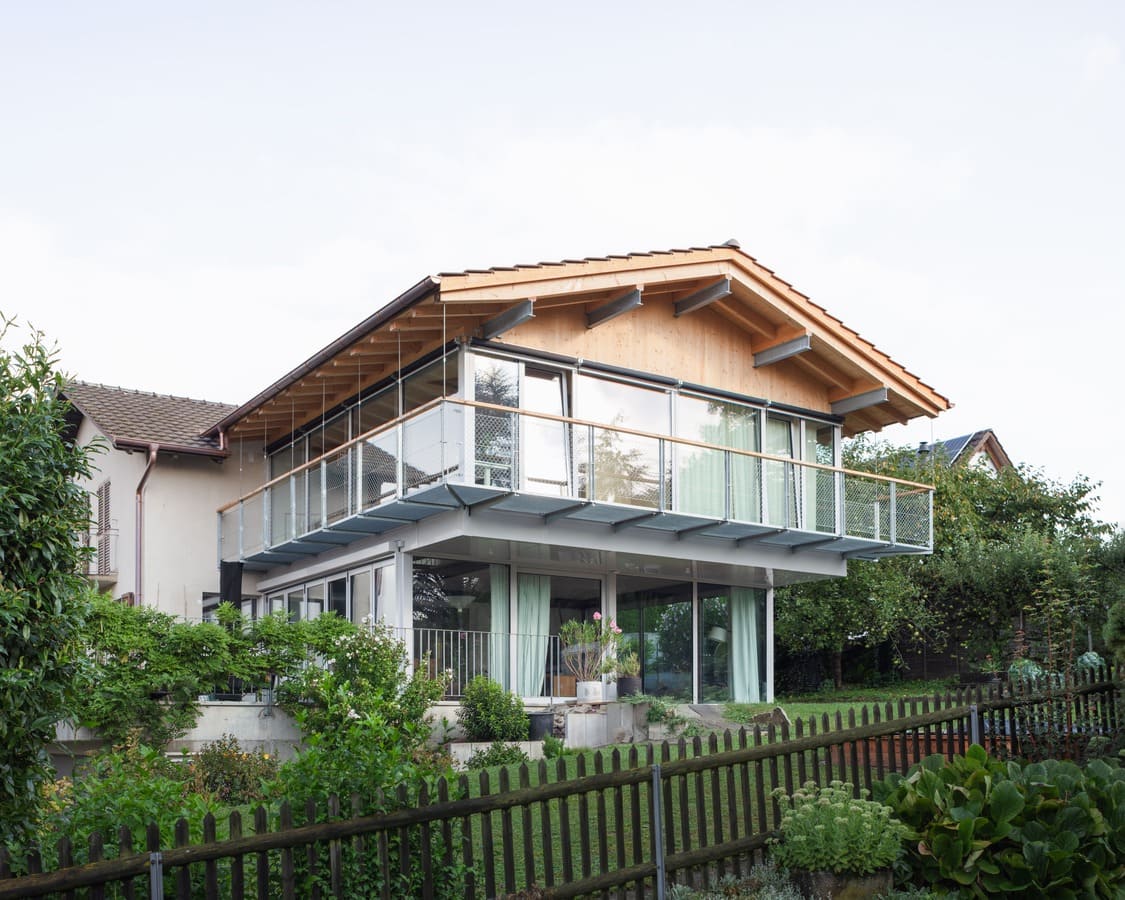
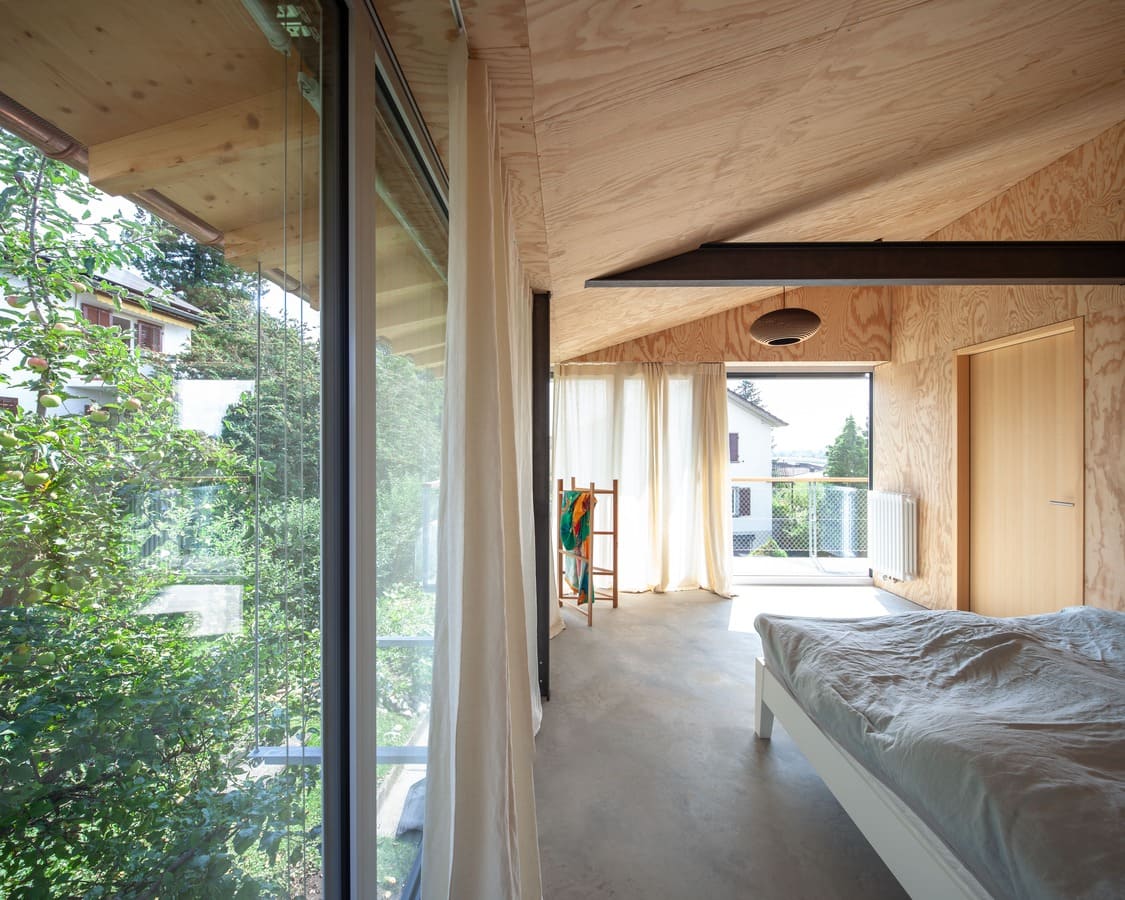
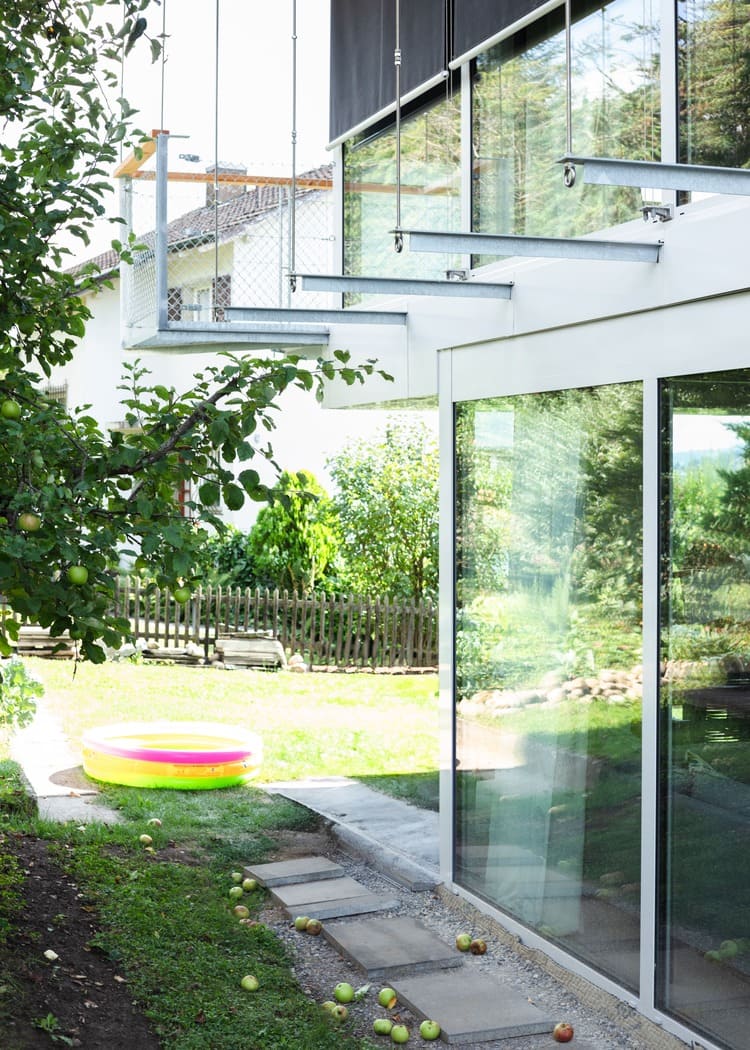
Another great thing about Switzerland is the incredible construction culture. The work you can expect from companies, workers, and craftsmen is of an incredibly high quality—higher than anywhere else, in my opinion. The level of detail and finishing on-site is generally excellent. You can be more ambitious there than in other countries. Take, for instance, a house extension I designed in Switzerland for a private client. It features a custom steel structure—every joint and column is like a study in lightness and precision. It’s similar to designing a piece of furniture, except here it’s the actual load-bearing framework. The shape is carefully calculated based on load requirements, and this structural logic shapes the space’s aesthetic. This isn’t an arbitrary form; it results from a complete structural design process. Projects like this would be difficult to realise elsewhere. The openness of clients who understand these solutions, combined with the strong constructive culture, plays a key role in making it possible.

00. Photo portrait Gwendoline Eveillard Studio Courtesy of Gwendoline Eveillard âžĄď¸ Gwendoline Eveillard. Ph. Courtesy of Gwendoline Eveillard Studio01. 004 WOL 6 âžĄď¸ WOL_6. Extension reading outward. Ph. Philipp Bosshart02. 004 WOL 13 âžĄď¸ WOL_13. Raw wood cladding upstairs. Ph. Philipp Bosshart03. 004 WOL 19 âžĄď¸ WOL_19. Balcony metal structure. Ph. Philipp Bosshart04. MENIL 2 âžĄď¸ MENIL_2, MĂŠnilmontant. Renovation using reused materials. Ph. Sarah Khodri05. TOL 01 âžĄď¸ TOL_1. Central block integrating the bathroom. Ph. Philippe Billard


a project powered by Itinerant Office

subscribe to our newsletter

follow us