Lafayette
Envisioning the City of Tomorrow
New French Architecture
An Original Idea by New Generations
Belval & Parquet Architectes
Living and Building Differently
Studio SAME
Coming Soon
127af
Redefining the Common
HEROS Architecture
From Stone to Structure
Carriere Didier Gazeau
Lessons from Heritage
a-platz
Bridging Cultures, Shaping Ideas
Rodaa
Practicing Across Contexts
Urbastudio
Interconnecting Scales, Communities, and Values
Oglo
Designing for Care
Figura
Figures of Transformation
COVE Architectes
Awakening Dormant Spaces
Graal
Understanding Economic Dynamics at the Core
ZW/A
United Voices, Stronger Impacts
A6A
Building a Reference Practice for All
BERENICE CURT ARCHITECTURE
Crossing Design Boundaries
studio mäc
Bridging Theory and Practice
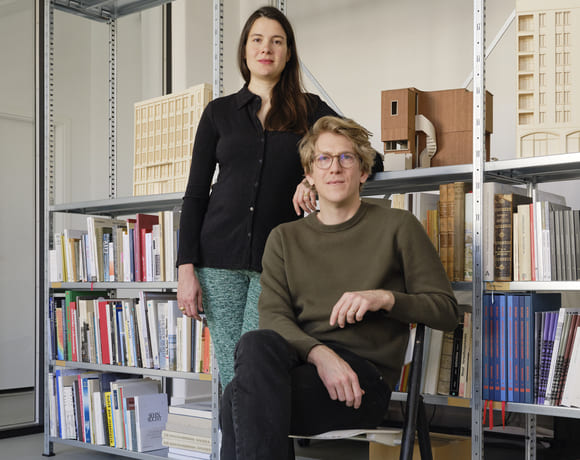
studio mäc
Bridging Theory and Practice
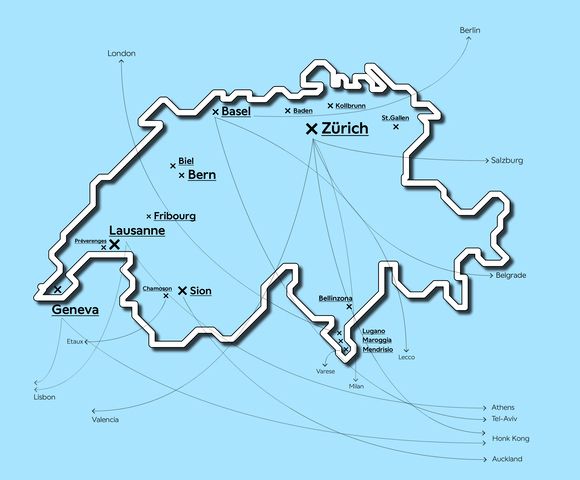
New Swiss Architecture
An Original Idea by New Generations
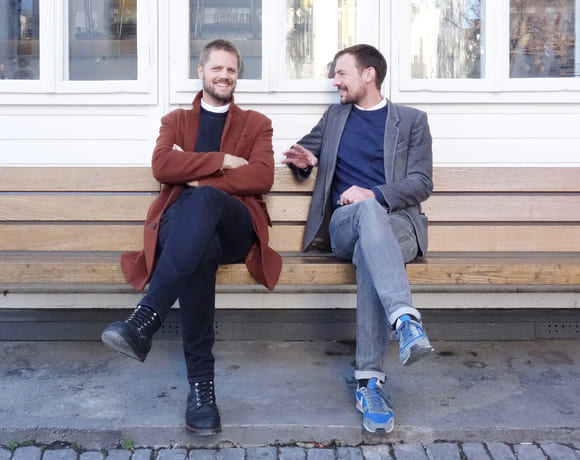
KUMMER/SCHIESS
Compete, Explore, Experiment
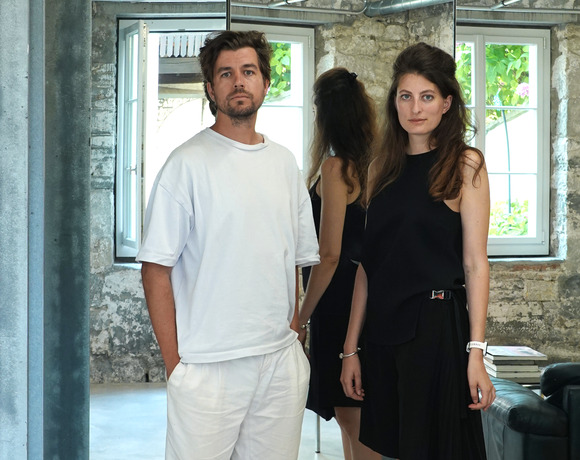
ALIAS
Stories Beyond the Surface
sumcrap.
Connected to Place
BUREAU/D
From Observation to Action
STUDIO ROMANO TIEDJE
Lessons in Transformation
Ruumfabrigg Architekten
From Countryside to Lasting Heritage
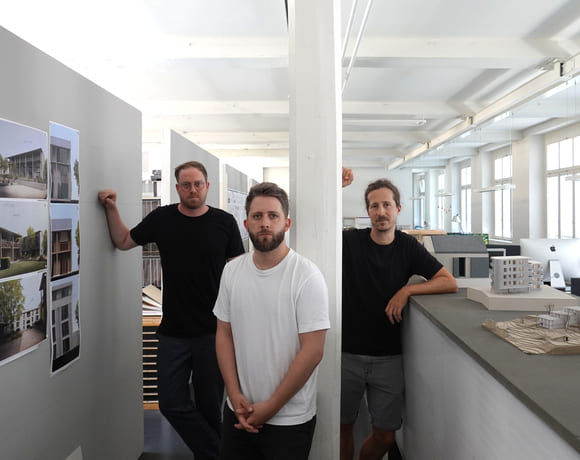
Kollektiv Marudo
Negotiating Built Realities
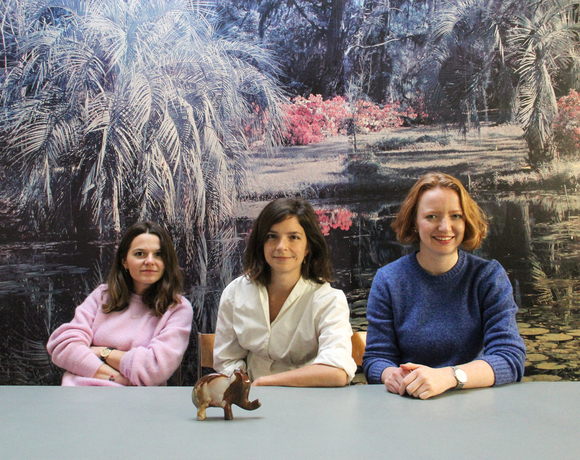
Studio Barrus
Starting byChance,Growing Through Principles
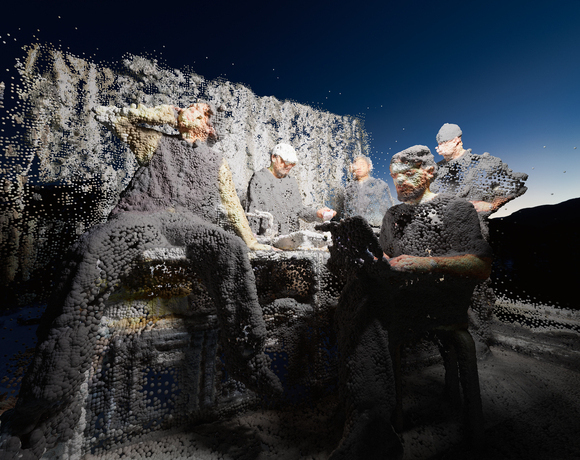
dorsa + 820
Between Fiction and Reality
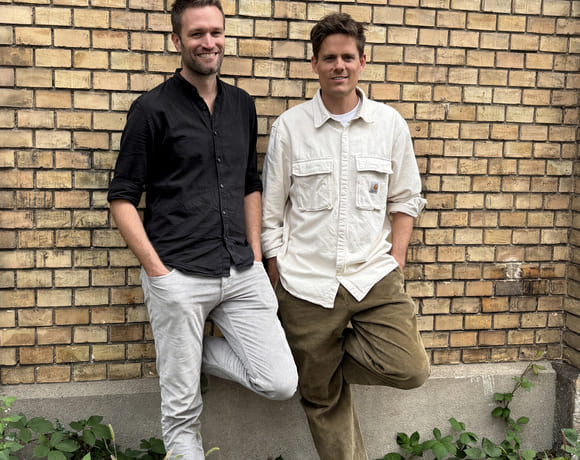
S2L Landschaftsarchitektur
Public Spaces That Transform
DER
Designing Within Local Realities
Marginalia
Change from the Margins
En-Dehors
Shaping a Living and Flexible Ecosystem
lablab
A Lab for Growing Ideas
Soares Jaquier
Daring to Experiment
Sara Gelibter Architecte
Journey to Belonging
TEN (X)
A New Kind of Design Institute
DF_DC
Synergy in Practice: Evolving Together
GRILLO VASIU
Exploring Living, Embracing Cultures
Studio â Alberto Figuccio
From Competitions to Realised Visions
Mentha Walther Architekten
Carefully Constructed
Stefan Wuelser +
Optimistic Rationalism: Design Beyond the Expected
BUREAU
A Practice Built on Questions
camponovo baumgartner
Flexible Frameworks, Unique Results
MAR ATELIER
Exploring the Fringes of Architecture
bach muĚhle fuchs
Constantly Aiming To Improve the Environment
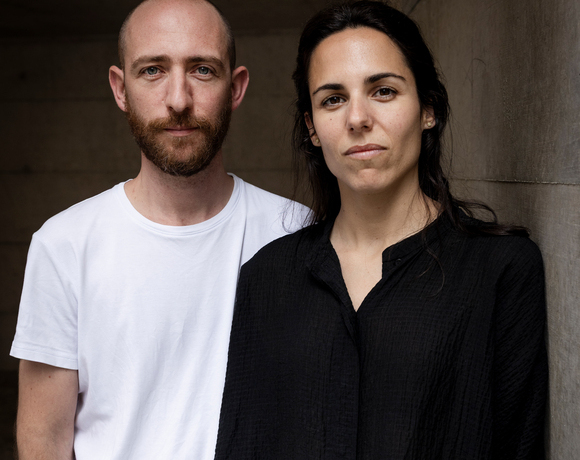
NOSU Architekten GmbH
Building an Office from Competitions
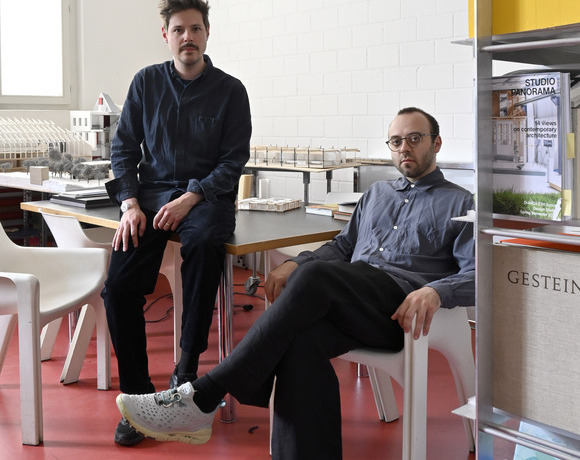
BALISSAT KAĂANI
Challenging Typologies, Embracing Realities
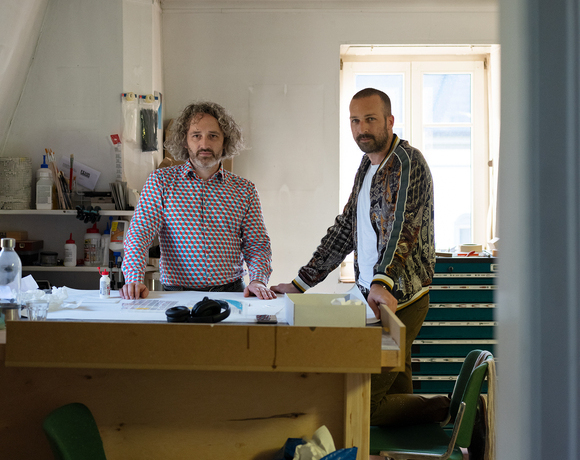
Piertzovanis Toews
Crafted by Conception, Tailored to Measure
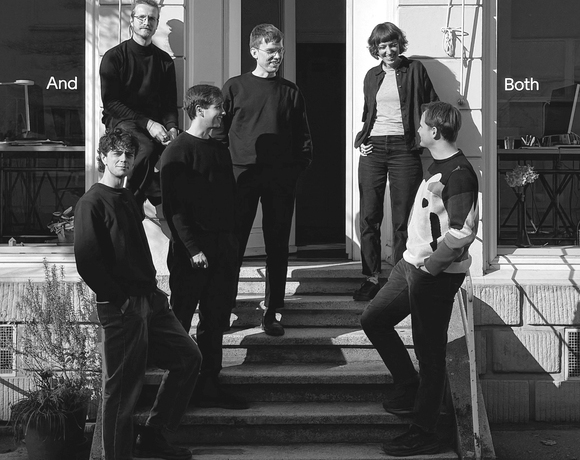
BothAnd
Fostering Collaboration and Openness
Atelier ORA
Building with Passion and Purpose
Atelier Hobiger Feichtner
Building with Sustainability in Mind
CAMPOPIANO.architetti
Architecture That Stays True to Itself
STUDIO PEZ
The Power of Evolving Ideas
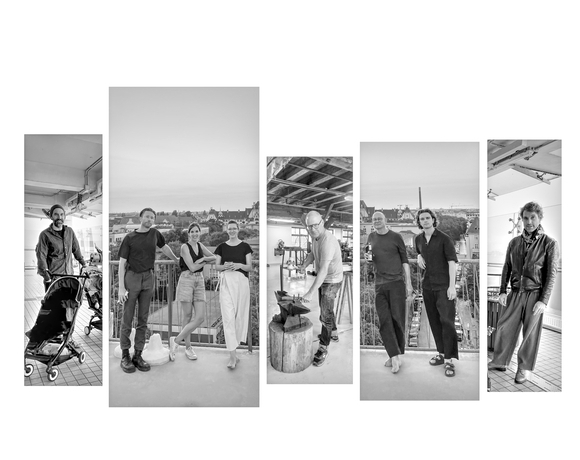
Architecture Land Initiative
Architecture Across Scales
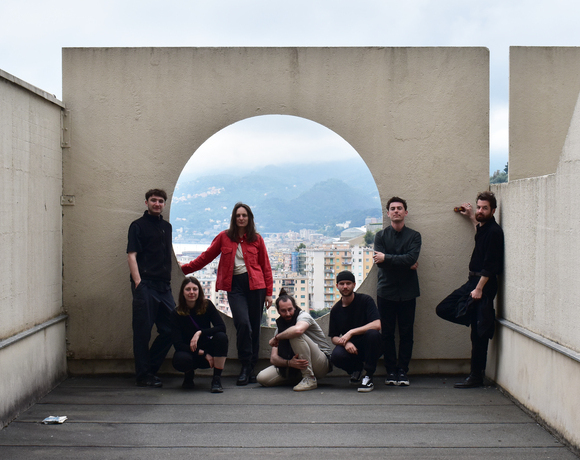
ellipsearchitecture
Humble Leanings, Cyclical Processes
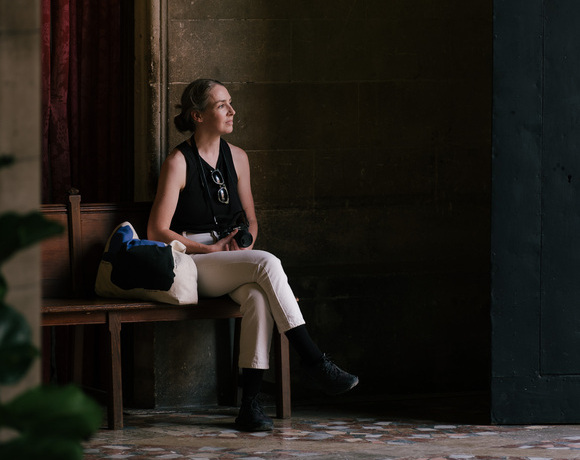
Sophie Hamer Architect
Balancing History and Innovation
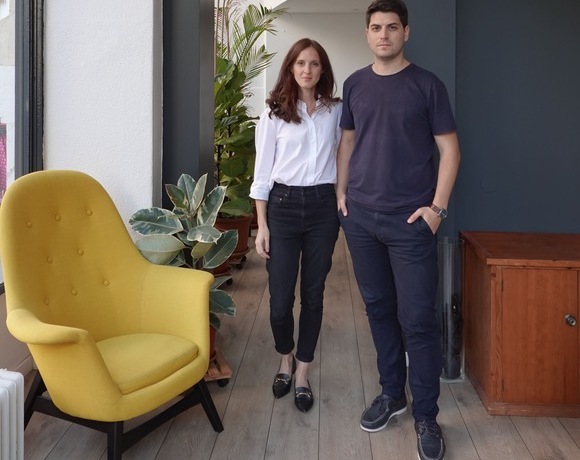
ArgemĂ Bufano Architectes
Competitions as a Catalyst for Innovation
continentale
A Polychrome Revival
valsangiacomoboschetti
Building With What Remains
Oliver Christen Architekten
Framework for an Evolving Practice
MMXVI
Synergy in Practice
Balancing Roles and Ideas
studio 812
A Reflective Approach to
Fast-Growing Opportunities
STUDIO4
The Journey of STUDIO4
Holzhausen Zweifel Architekten
Shaping the Everyday
berset bruggisser
Architecture Rooted in Place
JBA - Joud Beaudoin Architectes
New Frontiers in Materiality
vizo Architekten
From Questions to Vision
Atelier NU
Prototypes of Practice
Atelier Tau
Architecture as a Form of Questioning
alexandro fotakis architecture
Embracing Context and Continuity
Atelier Anachron
Engaging with Complexity
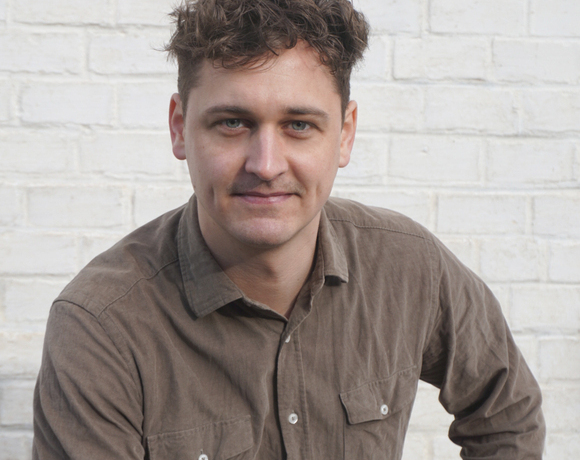
studio jo.na
Transforming Rural Switzerland
guy barreto architects
Designing for Others, Answers Over Uniqueness
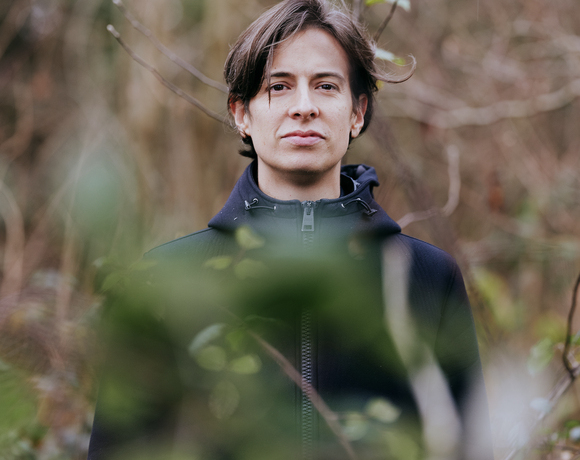
Concrete and the Woods
Building on Planet Earth
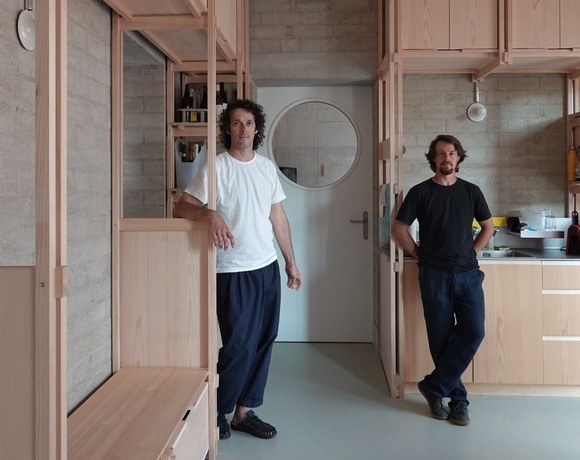
bureaumilieux
What is innovation?
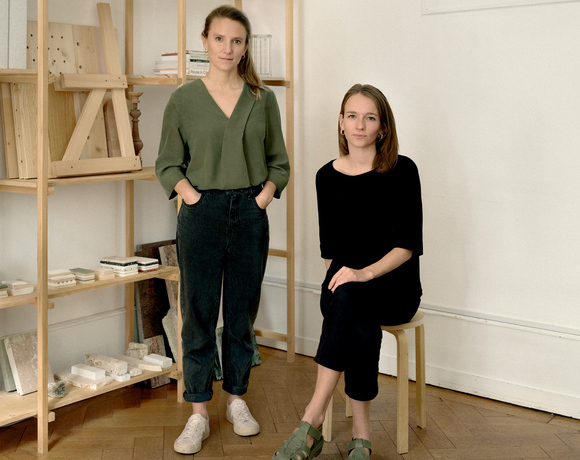
apropaĚ
A Sustainable and Frugal Practice
Massimo Frasson Architetto
Finding Clarity in Complex Projects
Studio David Klemmer
Binary Operations
Caterina Viguera Studio
Immersing in New Forms of Architecture
r2a architectes
Local Insights, Fresh Perspectives
HertelTan
Timeless Perspectives in Architecture
That Belongs
Nicolas de Courten
A Pragmatic Vision for Change
Atelier OLOS
Balance Between Nature and Built Environment
Associati
âCheap but intenseâ: The Associati Way
emixi architectes
Reconnecting Architecture with Craft
baraki architects&engineers
From Leftovers to Opportunities
DARE Architects
Material Matters: from Earth to Innovation
KOMPIS ARCHITECTES
Building from the Ground Up
Fill this form to have the opportunity to join the New Generations platform: submissions will be reviewed on a daily-basis, and the most innovative practices will have the chance to be part of the media's coverage and participate in our cultural agenda, including events, research projects, workshops, exhibitions and publications.
New Generations is a European platform that investigates the changes in the architectural profession ever since the economic crisis of 2008. We analyse the most innovative emerging practices at the European level, providing a new space for the exchange of knowledge and confrontation, theory, and production.
Since 2013, we have involved more than 3.000 practices from more than 50 countries in our cultural agenda, such as festivals, exhibitions, open calls, video-interviews, workshops, and experimental formats. We aim to offer a unique space where emerging architects could meet, exchange ideas, get inspired, and collaborate.
A project by Itinerant Office
Within the cultural agenda of New Generations
Editor in chief Gianpiero Venturini
Team Akshid Rajendran, Ilaria Donadel, Bianca Grilli
If you have any questions, need further information, if you'd like to share with us a job offer, or just want to say hello please, don't hesitate to contact us by filling up this form. If you are interested in becoming part of the New Generations network, please fill in the specific survey at the 'join the platform' section.
Envisioning the City of Tomorrow
Lafayette is an urban planning and architecture practice specialised in addressing the complex challenges inherited from 20th-century urbanisation. Based in Paris but active throughout France, they focus on transforming existing urban areas, repurposing outdated infrastructures, and supporting the ecological transition of cities. Their approach is systemic, multi-scalar, and deeply rooted in local contexts, engaging with the cultural, spatial, and environmental complexities of urban life. The practice works across architecture, public space, and both operational and prospective urban planning initiatives.
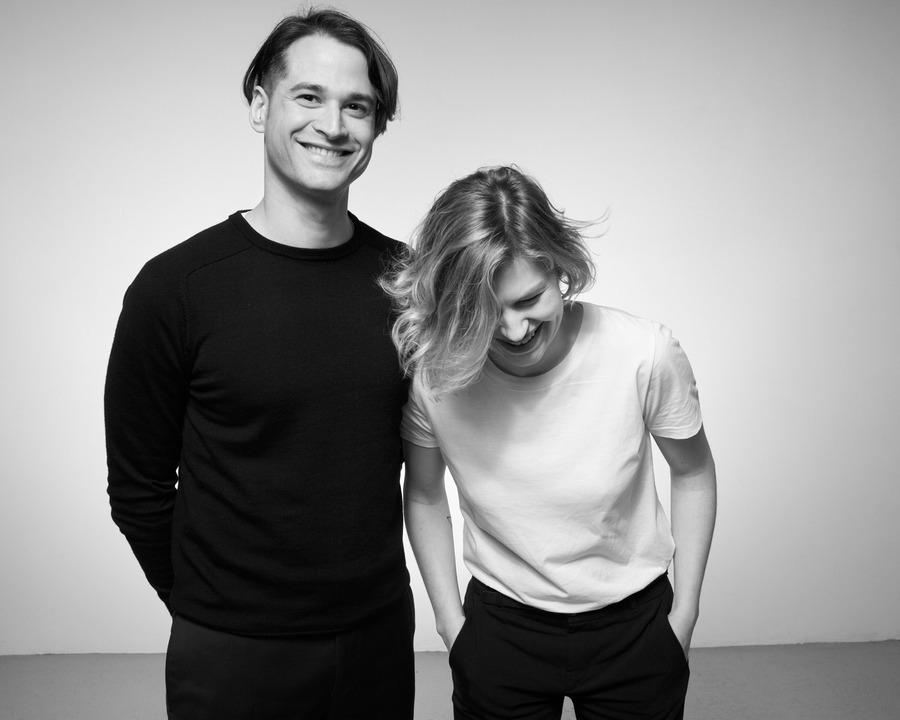
OL: Olivier Lacombe | CM: Charles Mariambourg
Public tenders and strategic collaborations
OL: The French market has this particularity where there are public tendersâsometimes not entirely open, but still publicâwhere you apply, and then a selection is made. Typically, three or four offices are chosen to take part in the tender process. Often, youâre not paid for submitting a proposal (for the competitive part), but the application process doesnât take up too much time. You do need to have reference projects to be selected, but you can share the consortium with other companies, which helps build your portfolio.
CM: Over the last decade, public entities have been trying to give younger firms more opportunities. Sometimes they even ask for a consortium that includes both a well-established office and a younger oneâby âyoungâ, I mean around 35. Itâs a good way to offer a chance to new firms.
OL: And in Paris, everything is centralised, so from here, you can work anywhere in France because itâs all connected. Our work primarily focuses on urban planning and large-scale projects, often situated in various regions of the country. Staying connected to other cities is crucial in our field. Initially, most of our projects were concentrated in the east and southeast of France, particularly around Lyon, near the Swiss border.
CM: We focus heavily on public tenders and usually choose the ones where weâre familiar with the territory and the city because weâve had previous projects there. We know how things work and how the political network operates. It's always easier when you know the context. We know the questions we are trying to respond to, the direction they want to take, and we are interested in working on projects with a more progressive, ecological approach. We also try to apply for very large projects by forming consortiums with established offices, including foreign ones. For example, weâve worked with 51N4E in Brussels and KCAP in Rotterdam for large-scale projects, but we also look for opportunities where we can take the lead. Itâs about finding the right balance between different types of commissions and scales.
Setting the basis for Lafayette
OL: We both graduated from the Versailles School of Architecture. Our thesis advisor was Djamel Klouche, who was one of the founders of lâAUC, a well-known urban planning company in Paris. After graduation, we worked with him for about six years, and thatâs where we really learned a lot about methodology. Before that, I spent some time in Asia. I did an internship with Kengo Kuma in Japan, worked for a large British company in Hong Kong, and then worked with a small research-focused company in Beijing. Thatâs when I started getting really interested in urban planning and design.
CM: After the experience at lâAUC in Paris, I continued to work for about two years in London at John Robertson Architects. It was a very technical firm, which provided a completely different experience compared to the previous one. I wanted to see what it was like to work in a large Anglo-Saxon office and learn from another context. After a couple of years, I realised it wasnât exactly what I was looking for, so I moved back to Paris. Thatâs when we decided to start Lafayette.
OL: When Charles moved back to Paris, we had the chance to do a large competition together with one of the big French companies. They wanted to subcontract a competition in China, and we decided to take it on and do it our way, focusing on environmental design. We lost the competition, but it was a good way to kick off our office. We also started putting together some of the methodologies we still use today. For example, we involved Etablissementâa landscape practice that today shares the office space with usâin this competition. We had worked with Annabelle Blin, the founding partner of Etablissement, beforeâand she had just started her own office. We were starting ours, so we decided to collaborate. It became our first commission under our own names.
CM: It was also a fun time because, at that point, everyone in our generation was trying to start their own companies, which led to multiple collaborations with our peers. After the competition, we worked with Zefco, an environmental office that was also an emerging practice at the time. It was a dynamic period, with everyone trying to get their own office off the ground. It was an exciting moment.
The ethics of place-making
OL: We are not tied to a fixed methodology. We try to be specific to each place and its people, taking into account the social issues connected to that location. Itâs very different working in places like French Guiana, Lyon, or Annecy. You have to understand not only the issues, but also what triggers a project in each specific location. That doesnât mean you can't make ethical statements, like âthis is how it will be in 2050â, but to make the project happen, you need to find the right vision, the right way to express it, and take small, concrete steps. In urban planning, you're typically addressing societal issues like ecology, economic development, and housing. We try to understand the key issues and build a consortium to address them. For example, weâre working on a master plan for the city centre of Cayenne, French Guiana. We learned a lot from this experience. You have to figure out how to make things happen. When we started, we didnât know the area, but we found local people who could help. Cayenne is a melting pot of people from all over the worldâBrazilians, Surinamese, Caribbean, European, Lebanese, and even Southeast Asians working in agriculture and fishing. To work on an urban project there, you need people who speak these different languages and understand the mix of cultures. Planning from afar and saying, âthis is whatâs going to happenâ, just doesnât work.
CM: We also try not to just solve problems, but to start by looking at whatâs good about the siteâwhatâs rich and interestingâand reveal that. We always start from the site itself, and that's why we work with a very specific team. They help us stay precise and true to the site. It's not about solving small problems but revealing the qualities of the site. This is the general approach, and it varies depending on the context. Everyone in the team adds value to the project, and we want to give everyone a chance to contribute. I think previous generations of urbanists followed a more top-down approach, but our generationâarchitects, landscape designers, urbanistsâwe focus on collaboration, where everyone brings something to the table.
OL: Itâs a long process. It takes time to get everyone on the same page, but itâs the only way to achieve meaningful results. One advantage we have is that we started working in the 2010s and saw the societal issues of the time. Big projects were often about large metropolisesâcities with over a million peopleâtrying to structure the territory, provide housing, and create jobs. This was after the financial crisis, so unemployment and housing were major concerns. These cities also had more power than before, with more competencies to shape their territories. Then, in the late 2010s and early 2020s, with the COVID crisis and growing awareness of ecological issues, we saw a political shift in how metropolises approached development. It went from just addressing unemployment and economic growth to focusing on making territories liveableâwhat we call habitabilitĂŠ in French. We witnessed this shift in local policies, and I think our generation is responding to itâplanning for the next 30 years.
Strategic alliances
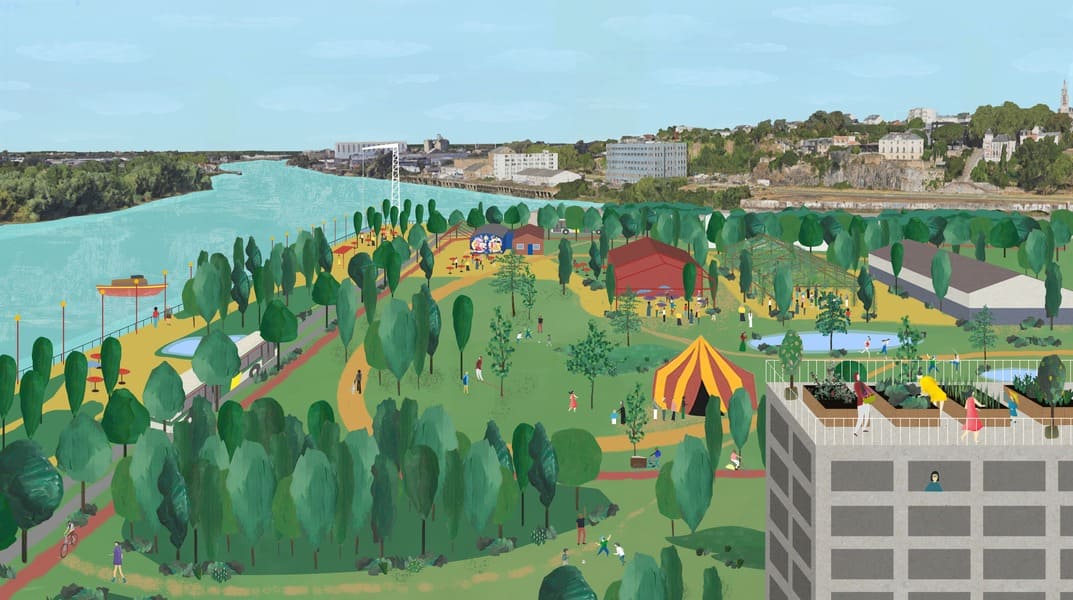
CM: After selecting a public tender, one of the first steps in moving forward with the process is to build a consortium of partners. For example, we recently collaborated with 51N4E for the LâĂle de Nantes public tender competition, where we were one of the finalists. We chose to work with them because of their expertise in transforming existing buildings and creating value from sites. Our relationship with 51N4E came from us leading one of the teams in the international consultation for the Grand Porte des Alpes territory in Lyon, while 51N4E was leading another consortium. LâĂle de Nantes is a former shipyard island at the heart of the city, undergoing major regeneration since the early 2000s, with several planners shaping its evolution over time. Initially driven by the idea of a creative cluster inspired by Richard Floridaâs âcreative classâ theory, the project helped transform Nantes into a cultural hub. Today, a new generation of planners is continuing the work with a shift in focus: achieving carbon neutrality by 2040.
OL: For a project with such ambitions, assembling the right team is essential. Alongside 51N4E, the consortium included several other partners, such as Carbone 4, the consulting firm we collaborated with on the ecological transition. From our side, we then involved Etablissement: we often collaborate on these kinds of proposals, so we brought them in directly. 51N4E have worked with Plant en Houtgoed, who are botanical engineers, so they brought them in too. We put together this core team and then involved other experts who might provide added value to the consortium. Weâve worked with Atmos Lab, a small environmental engineering team based in London. Theyâre technically excellent, so they were a great fit for the project. We also needed bigger engineering teams to deliver the work, so we joined forces with Setec.
CM: We have also involved Cuesta, a cooperative of urban designers based in Rennes. They take a more artistic approach to the project by involving artists to engage the community and facilitate dialogue around the project. Itâs a unique way of getting people involved in the process. We knew Nantes had a strong cultural scene, but their approach to culture wasnât really tourist-driven. They used culture differently, and we wanted to do the same.
OL: Coordinating within a consortium is also very time-consuming. For the Ăle de Nantes public tender, I calculated that we had around 150 meetings. With multiple people in the consortium, the time and cost add up. Building the consortium evolves through ongoing discussions and is one of the most important parts of large-scale project proposals, which require a wide range of expertise to cover all aspects of long-term planning.
CM: Although we did not win that project, our collaboration with 51N4E continues to this day. For example, we were recently selected with them for a competition to renovate and transform a 1970s residential tower designed by architect Jean Dubuisson in Pessac. The project is part of a larger state program called "Quartiers de Demain" (QDD), launched by the government in 2025, aimed at promoting ambitious and innovative architectural projects in priority neighbourhoods.
On multiple scales at once
CM: When working on master plans, we know these projects will last at least 20 years, so we need to approach them with a long-term view. That's why we form consortiums and bring in people from different fieldsânot just architects or landscape designersâto help us develop this vision. Itâs an important part of the process.
OL: Sometimes, though, itâs interesting to do the opposite. With the Cayenne project, for instance, the process was hectic. We initially planned a typical approach: start with a large master plan and zoom into operational sites, then focus on implementing those. But due to staffing issues in the community, they had to prioritise and asked us to focus on a few key aspects instead of the full scope. So we had to adapt and think, âOkay, letâs zoom in rather than out.â This way, we could really explore the cultural aspects of urban planning, not just focus on big structures and societal issues, but also on the smaller details that make Cayenne unique. We dove into the details early on, and after a few months, we managed to keep the project moving by showing how the first building would work. This allowed us to continue developing the urban plan. Now, by zooming out, we have a deeper understanding of the complexities that developers, architects, and public developers face in the region. We also learned more about the local characterâlike the beautiful metal grids and raw earth bricks typical of French Guiana. Itâs a way of working thatâs both operational and radical in the end.
CM: Besides this project, in the past couple of years, we were involved in several urban and architectural proposals in France, such as in Lyon and Paris. For example, we are currently developing 75 housing units in the 15th arrondissement of Paris with JBMN architects, and we have just been selected to lead the development of the ZAC Canal neighbourhood in Aubervilliers. Last year, we also entered a major competition in Lyon. The goal was to refurbish the banks, which are currently a highway, and transform them into a greener, car-free area.
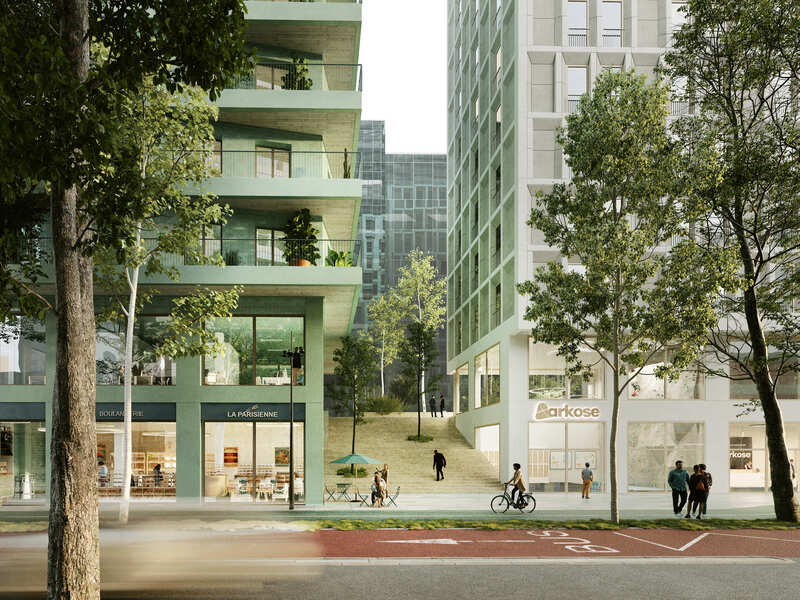
OL: We also worked on an exciting competition in La DĂŠfense in Paris with private developers. La DĂŠfense wanted to sell part of its infrastructure to developers, specifically an area with just a road cutting through the heart of the district, a very unwelcoming space with lots of concrete. The idea was to see if developers could transform this into something better, with both new infrastructure and attractive programs. The developers reached out to us to do the master planning, and they also brought in the American company Studio Gong. So, we did the master plan and coordinated with other architects to ensure the overall project made sense.
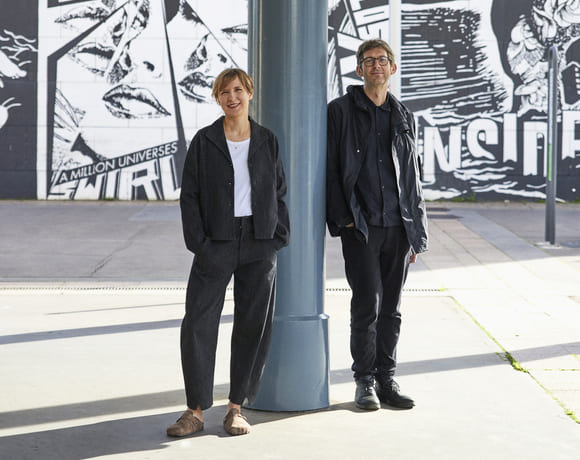
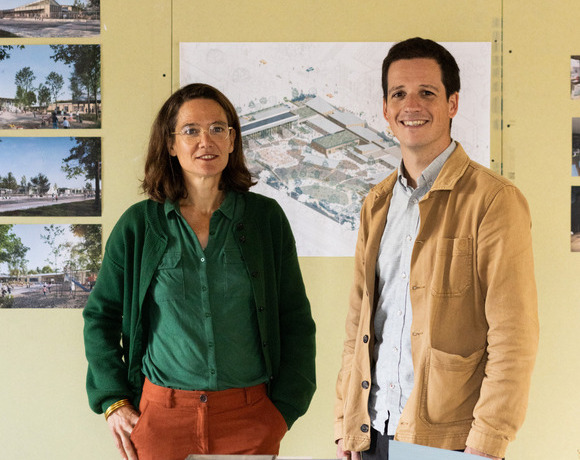
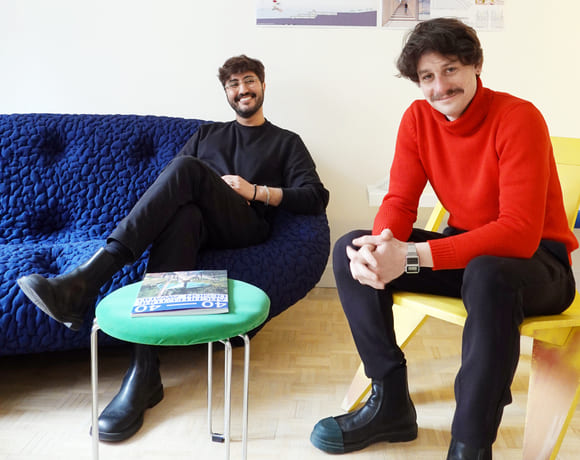
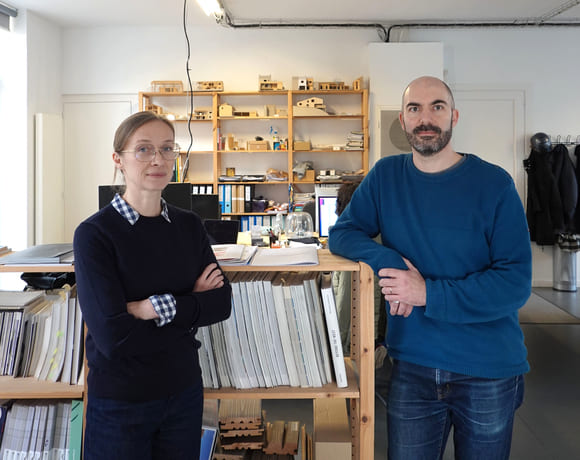
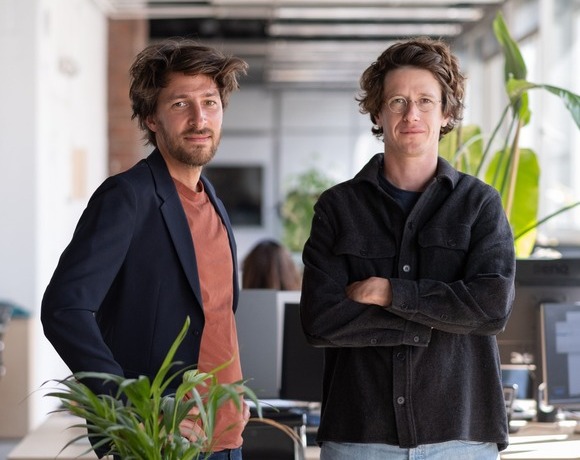
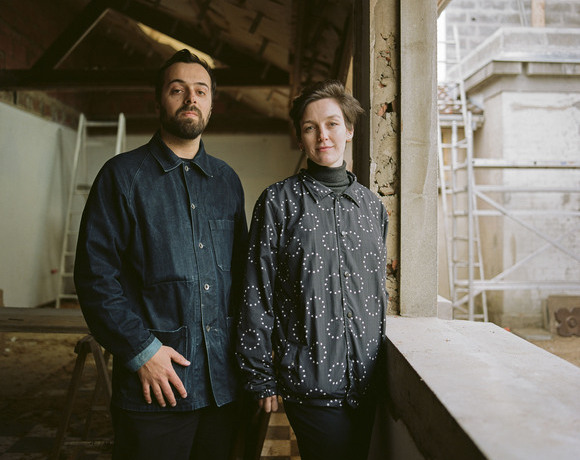
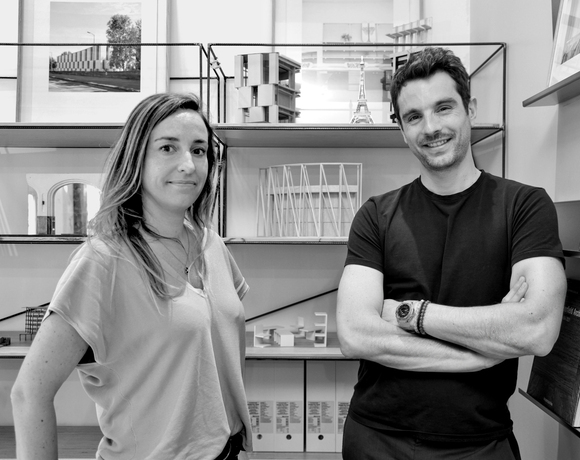
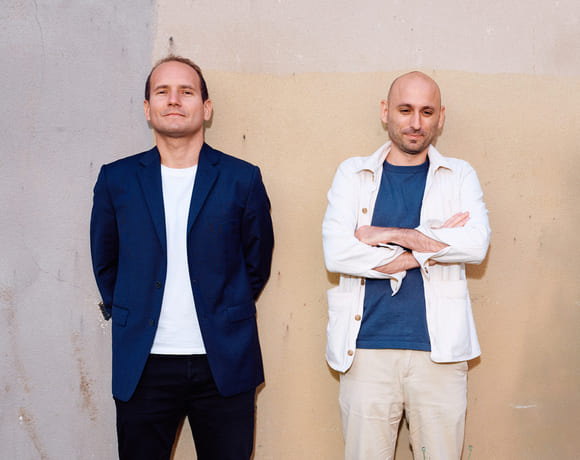
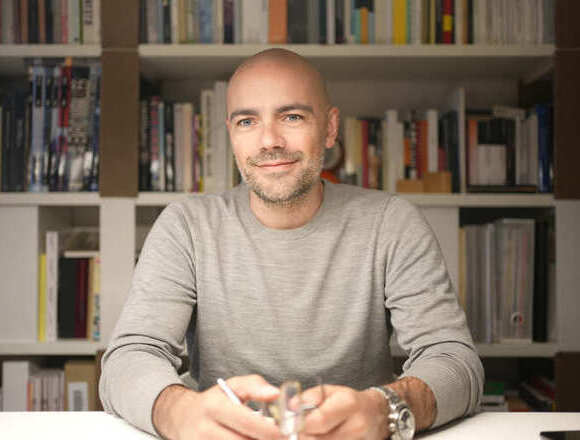
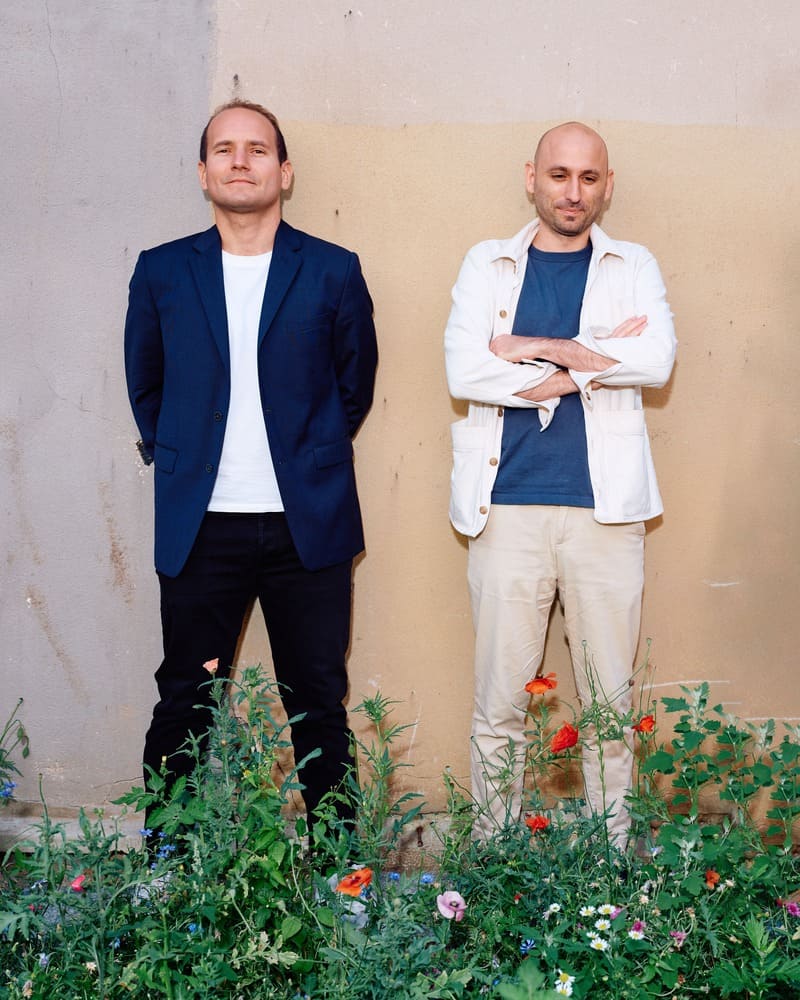
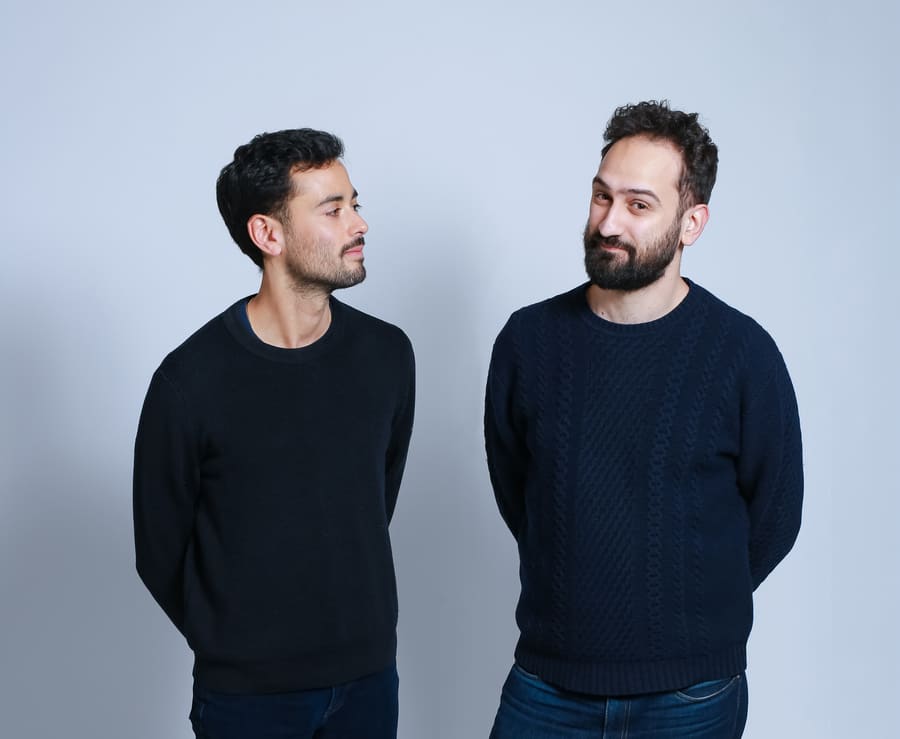
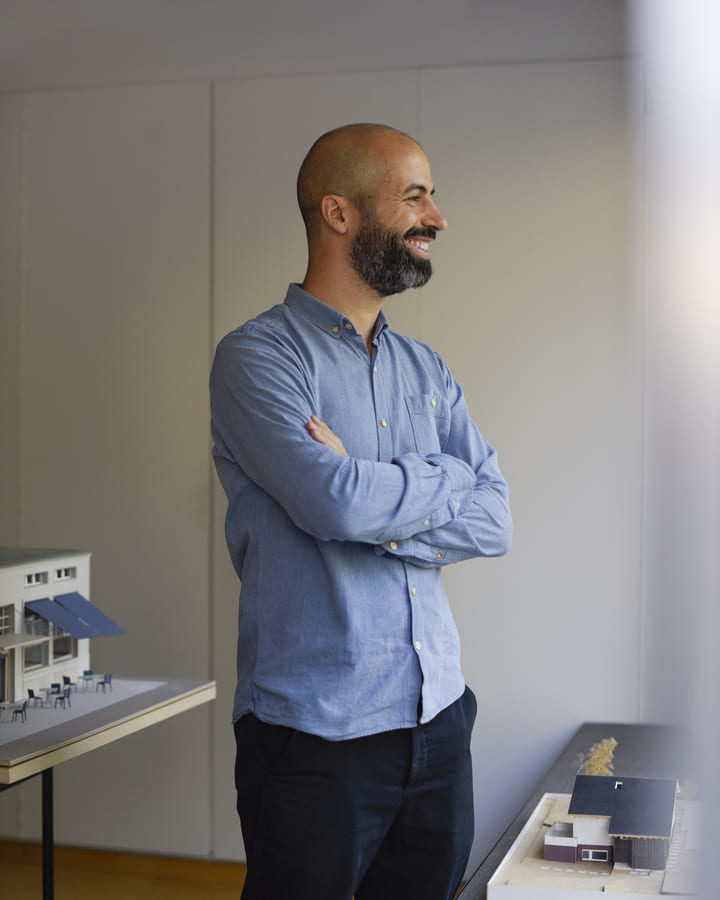
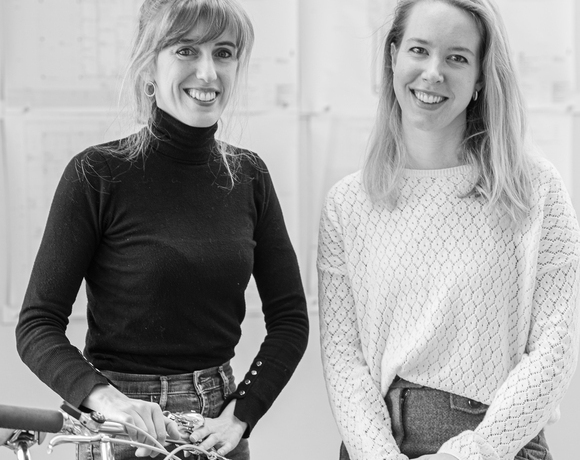
âĄď¸ Lafayette. Olivier Lacombe, Charles Mariambourg. Ph. Guillaume Belvèze
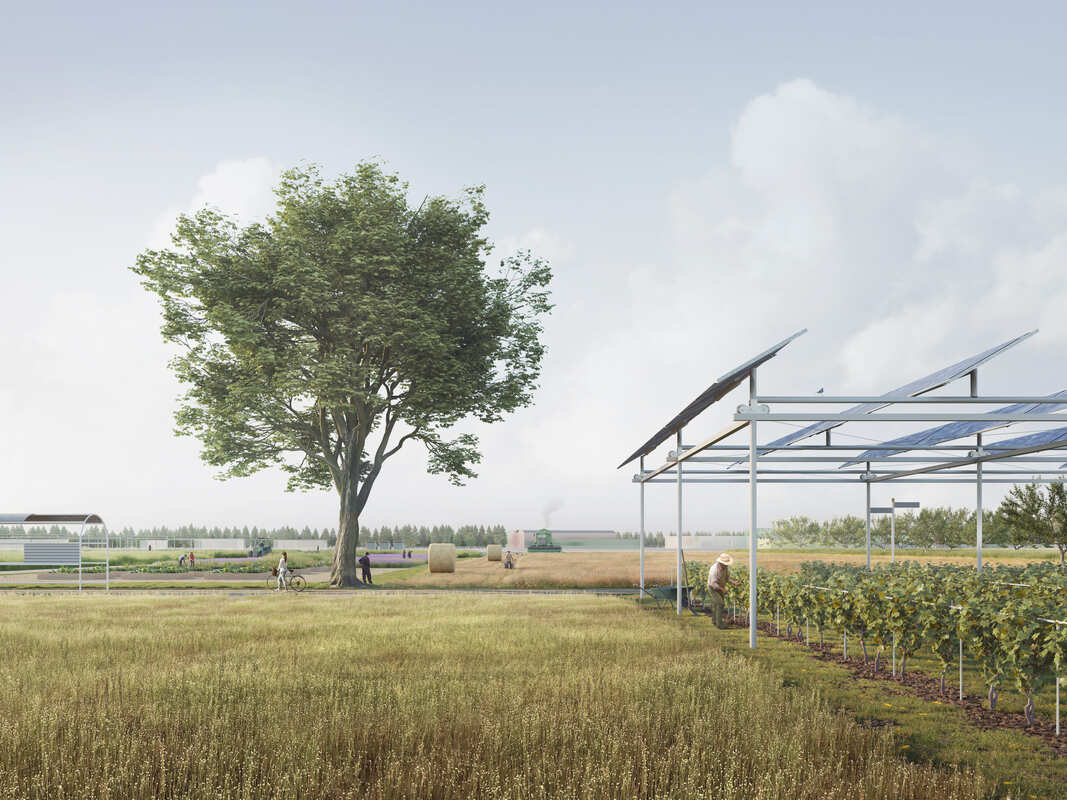
âĄď¸ Masterplan, Tours Val De Loire Airport. Img. Filippo Bolognese
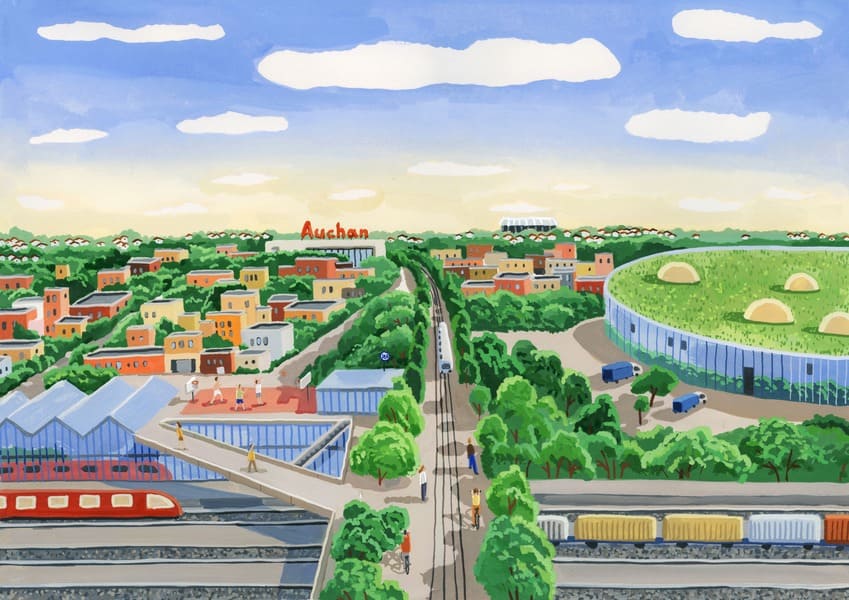
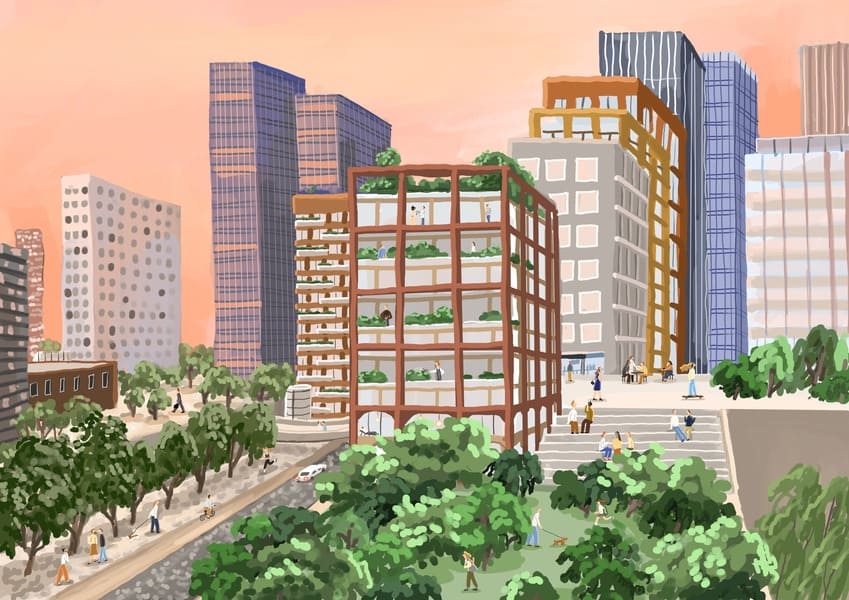
âĄď¸ Urban design consultation, Grande Porte des Alpes. Img. Yi Seula
âĄď¸ La DĂŠfense Empreintes competition, Puteaux. Img. Yi Seula
âĄď¸ La DĂŠfense Empreintes competition, Puteaux. Img. Loto ArchiLab 3D
âĄď¸ Urban design competition Ăle de Nantes. Img. Aya Akbib