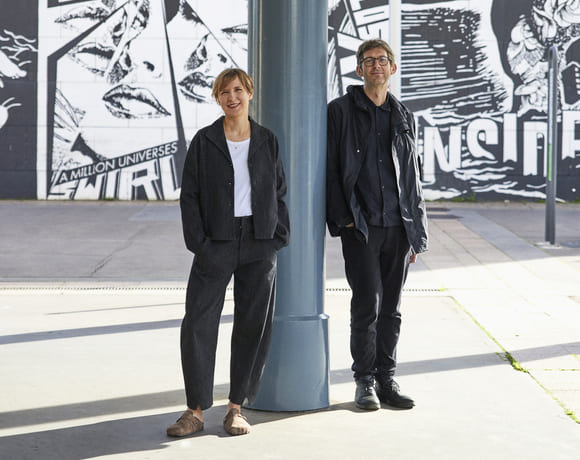
LDA Architectes
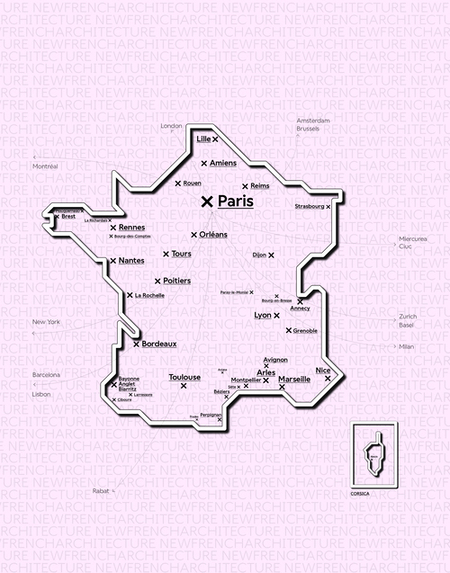
Strasbourg

Practising Responsiveness

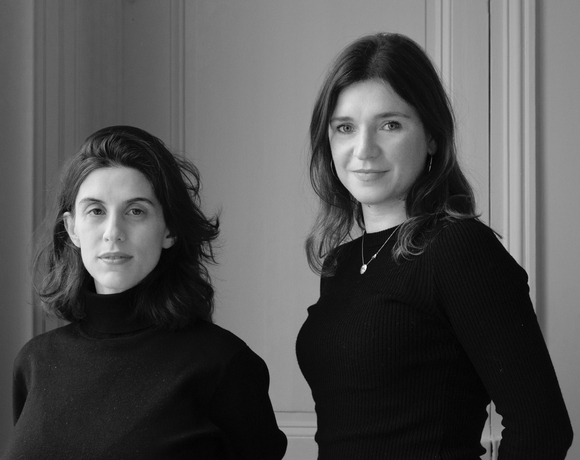
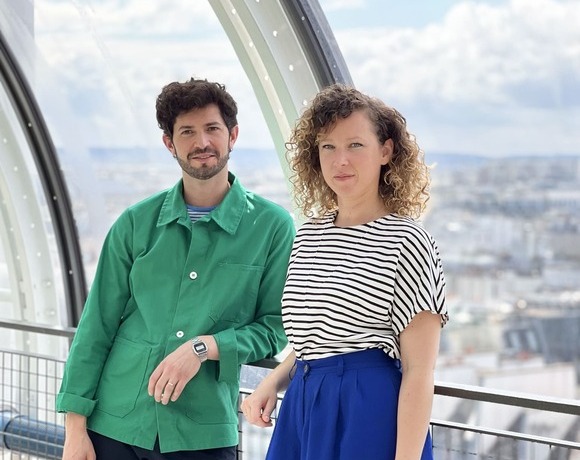
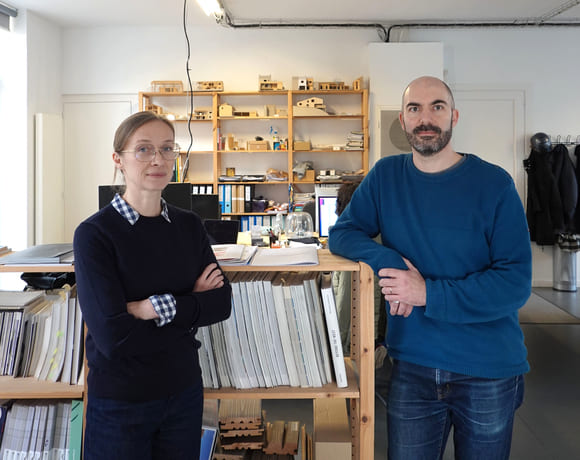
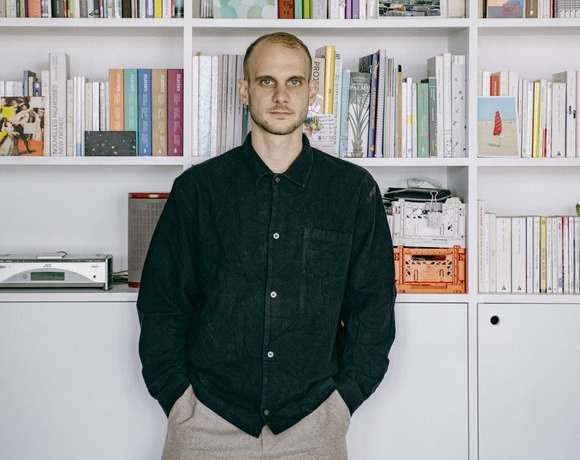
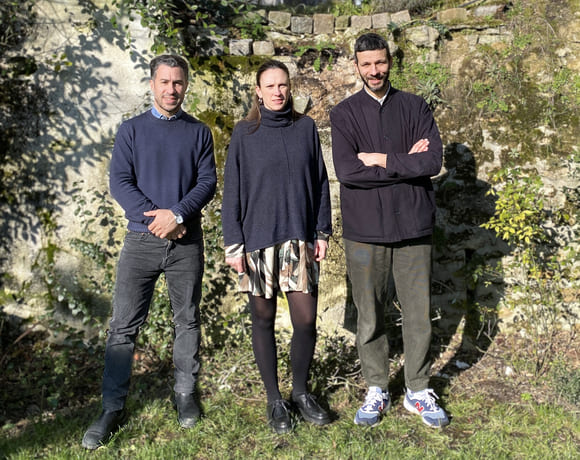
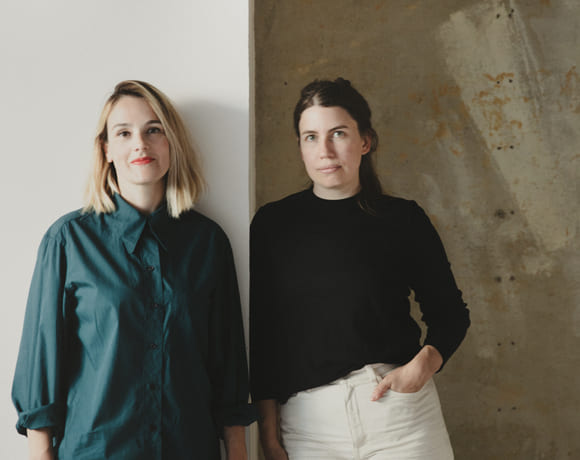
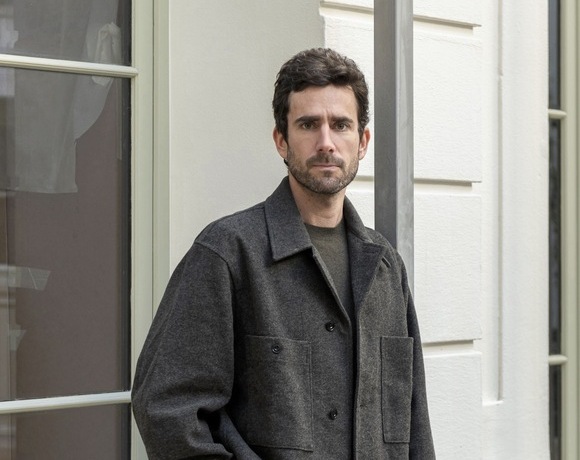
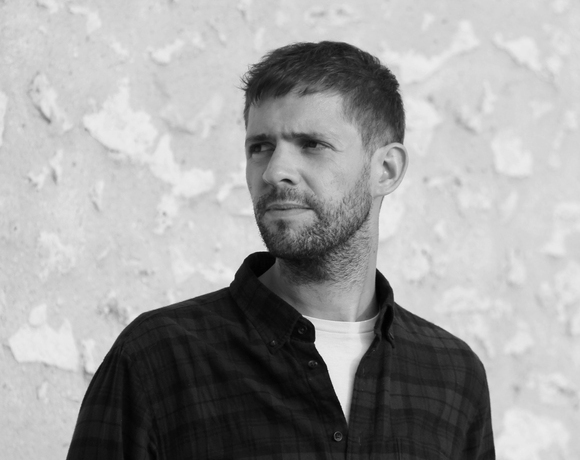
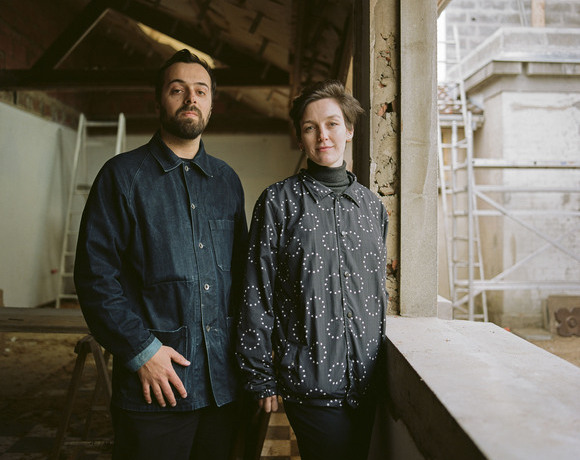
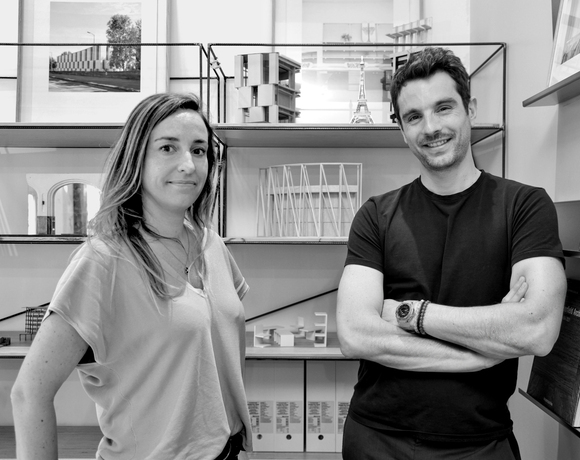
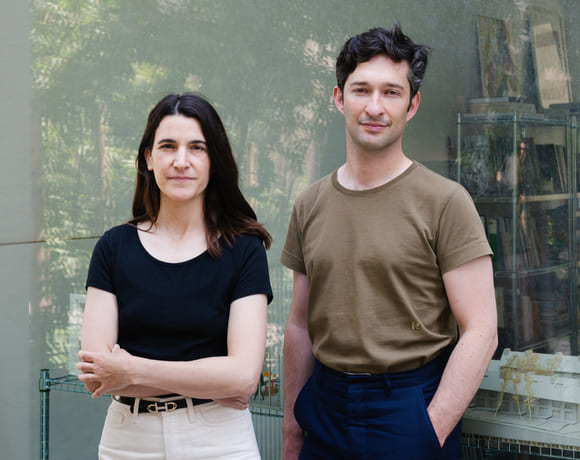
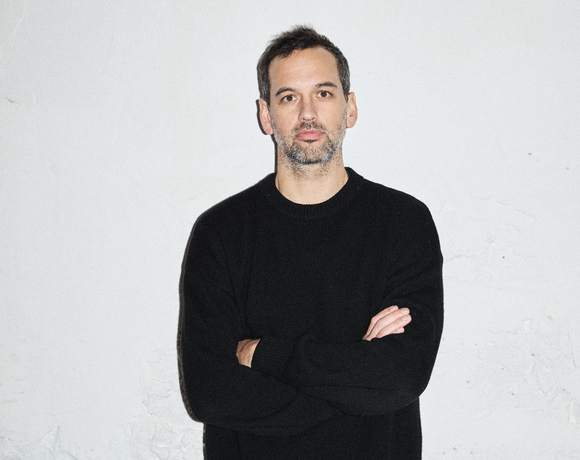
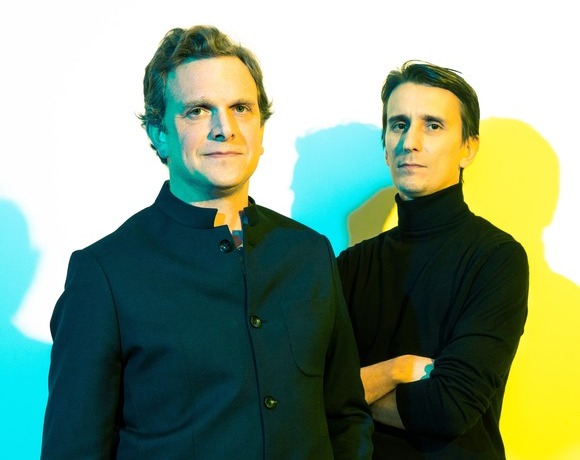
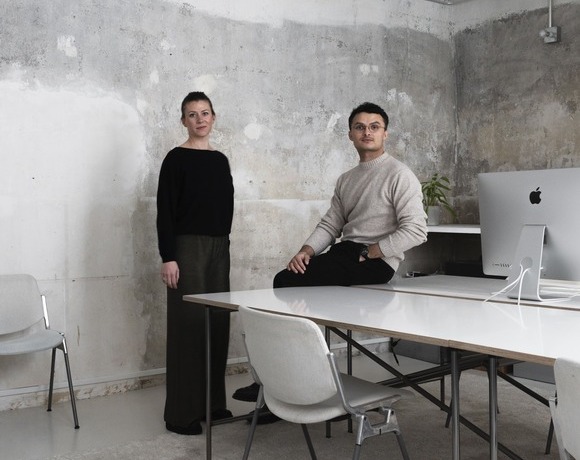
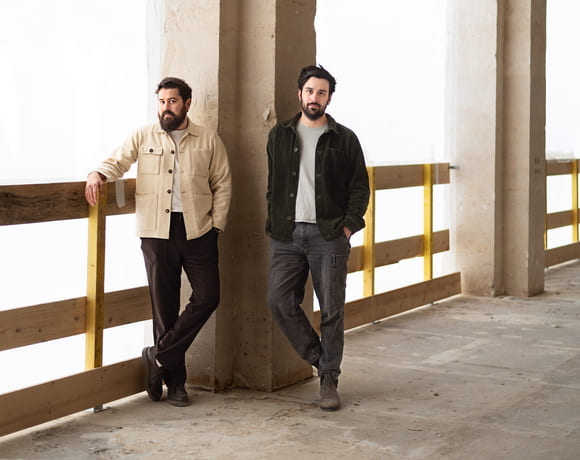
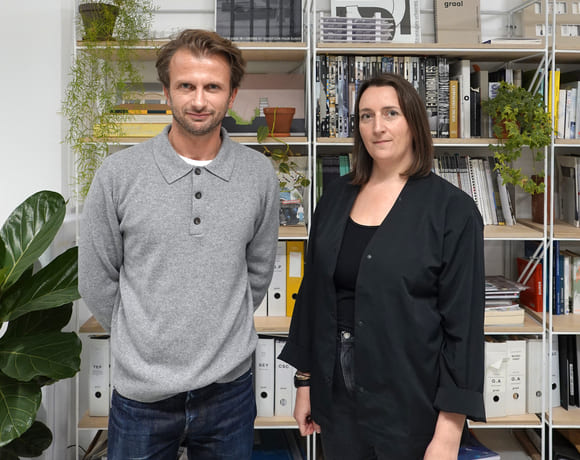
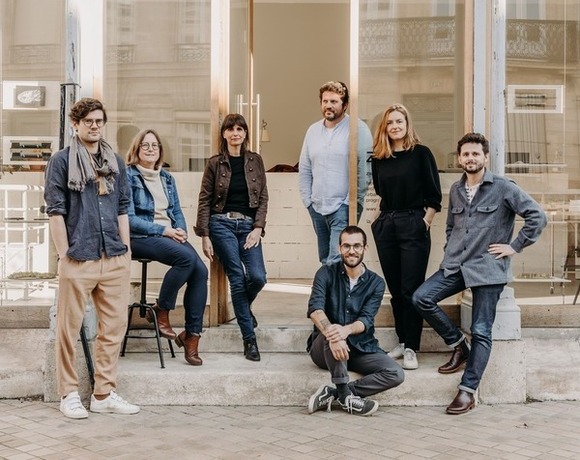
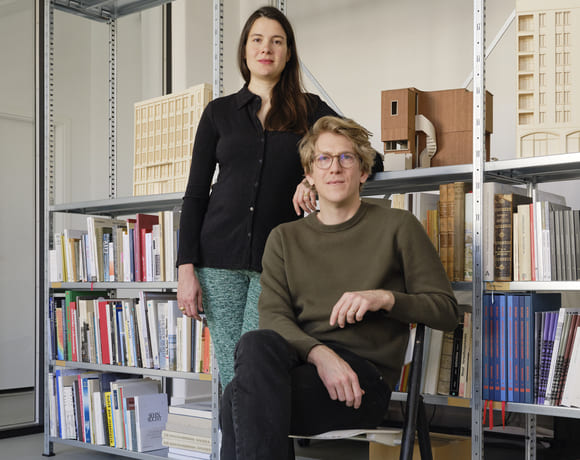
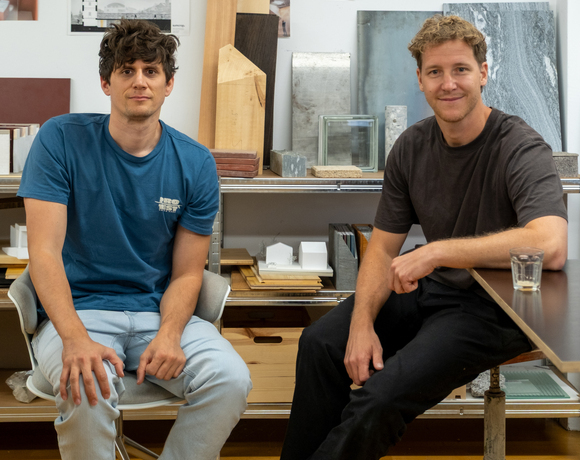
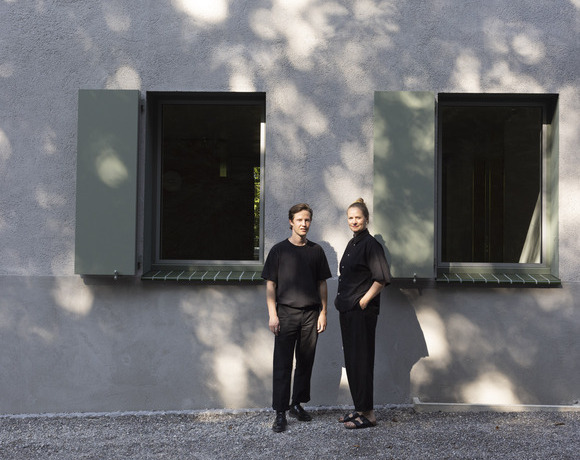
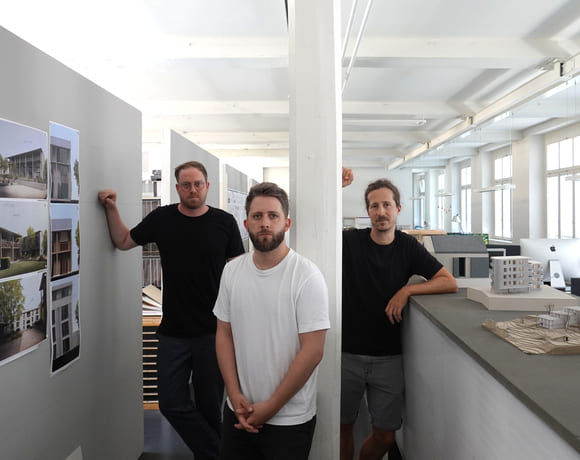
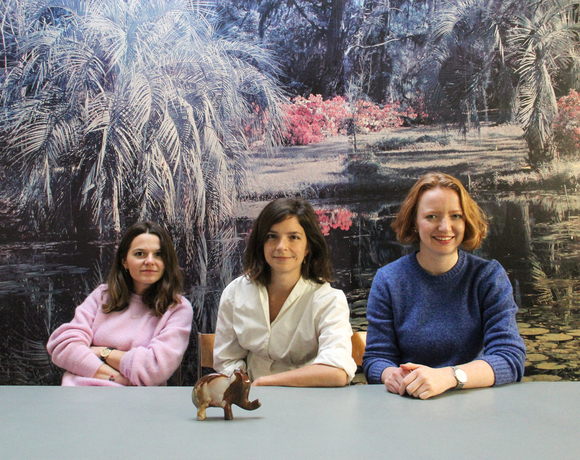
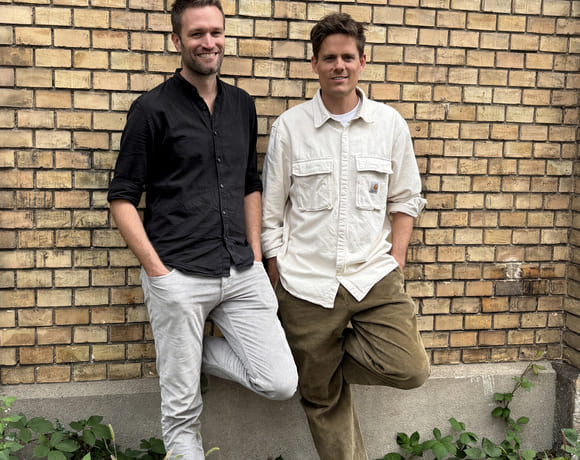
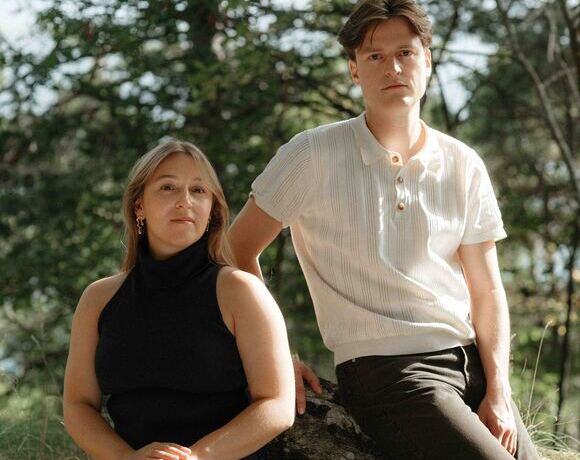
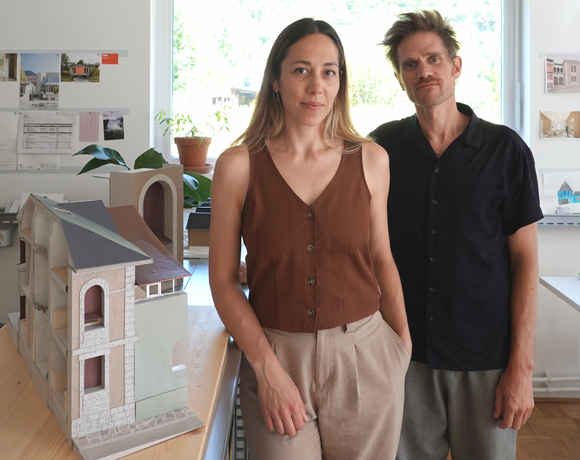
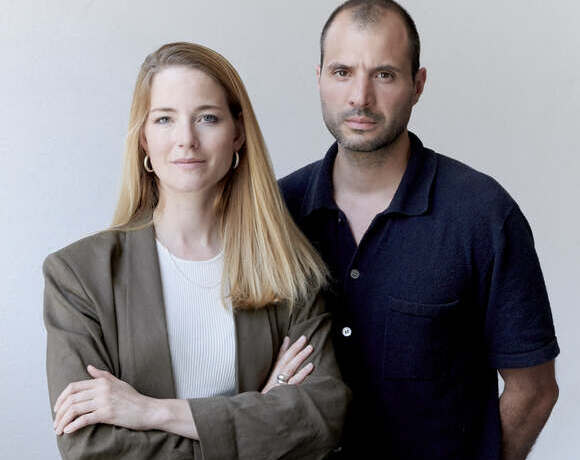
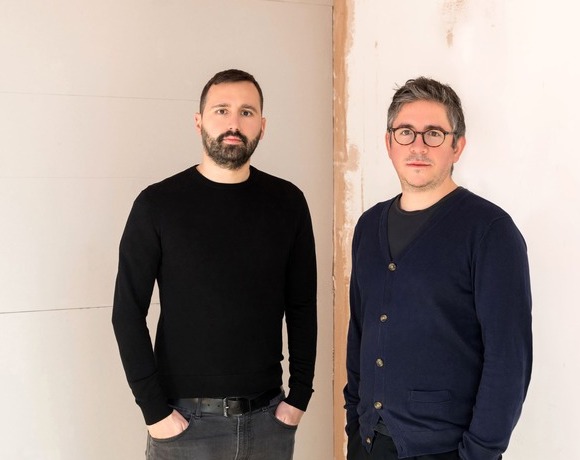
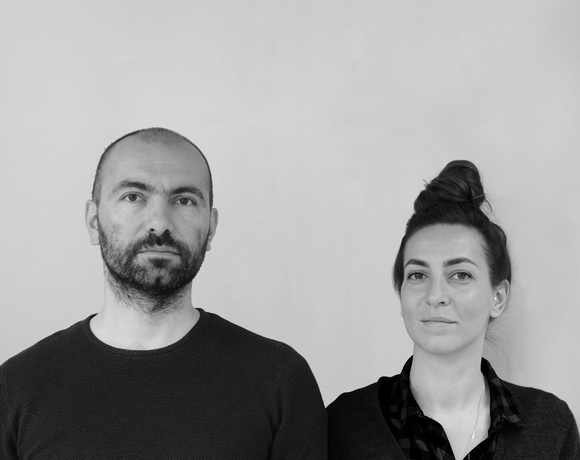
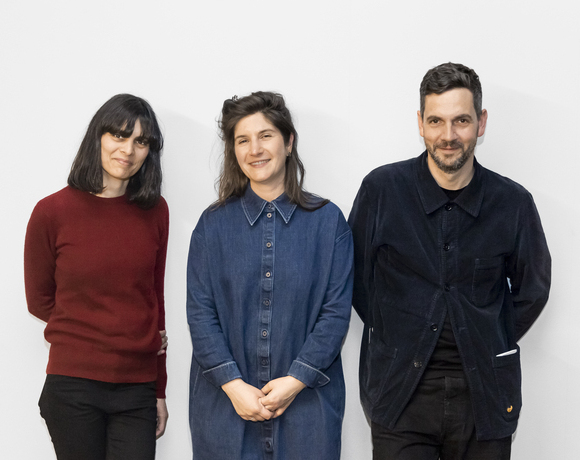
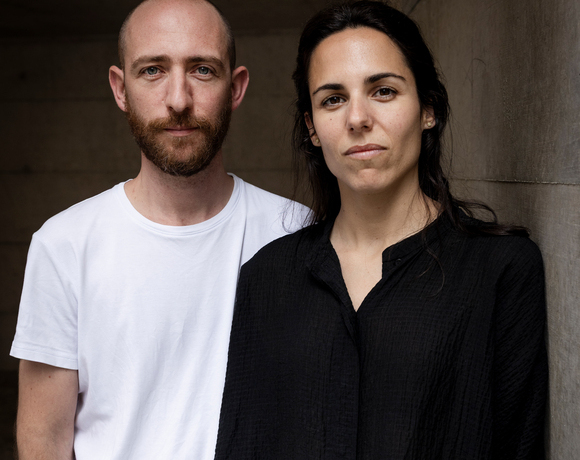
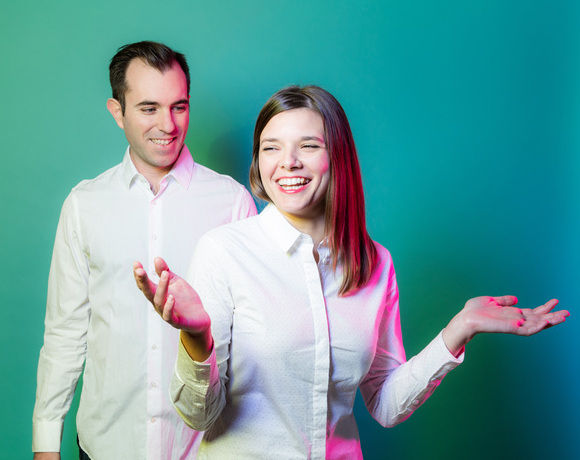
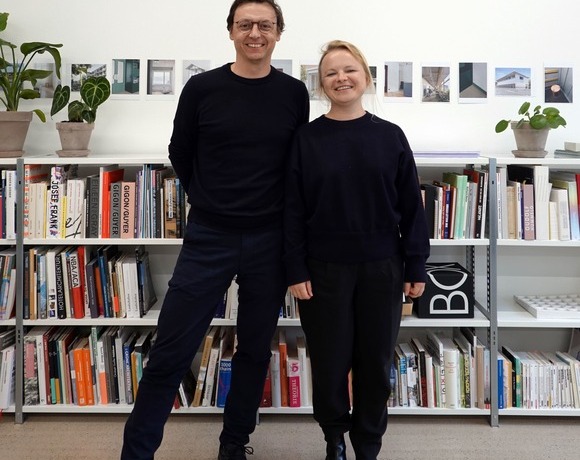
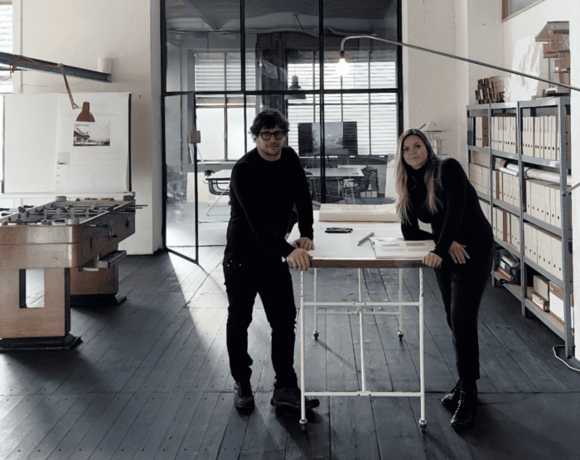
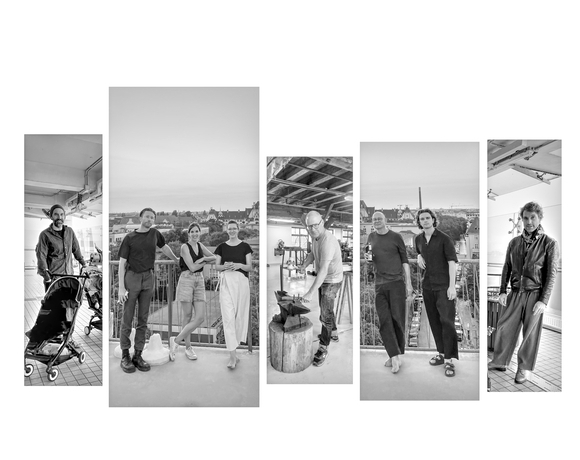
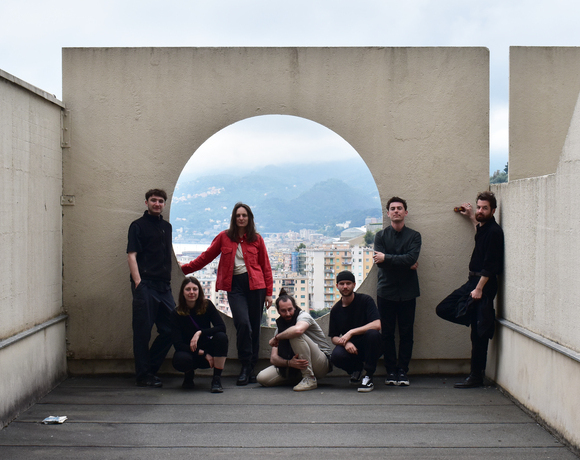
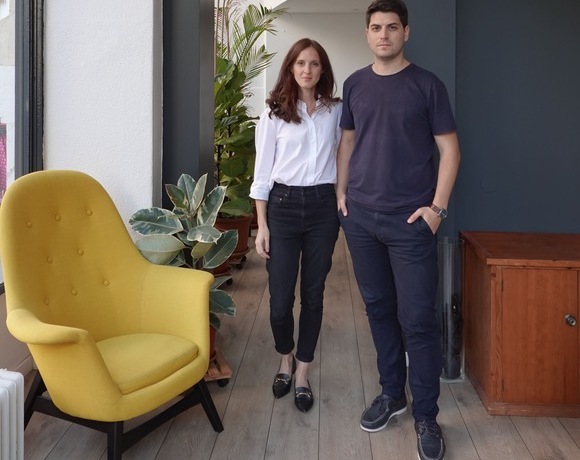
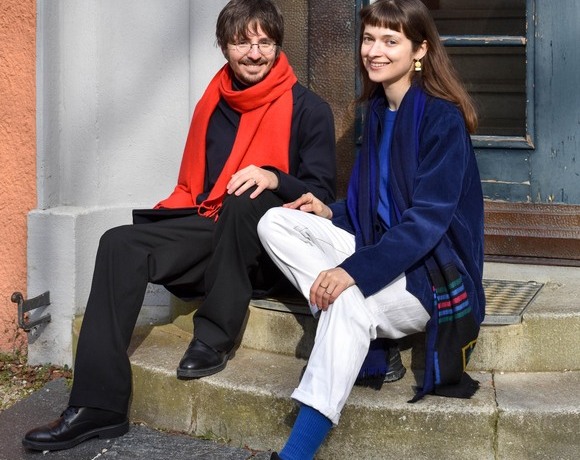
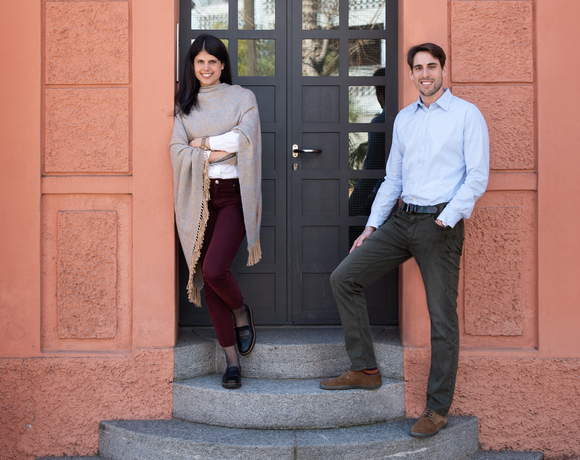
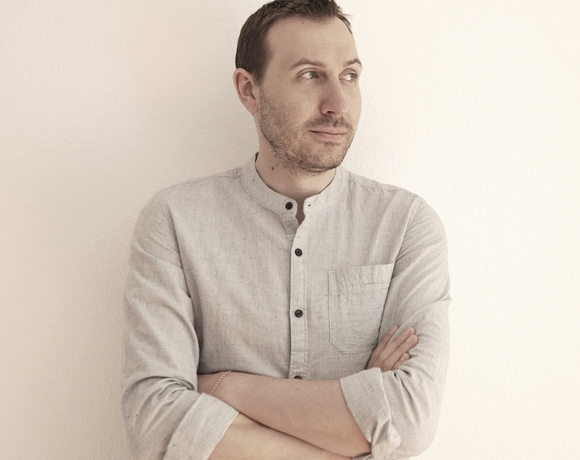
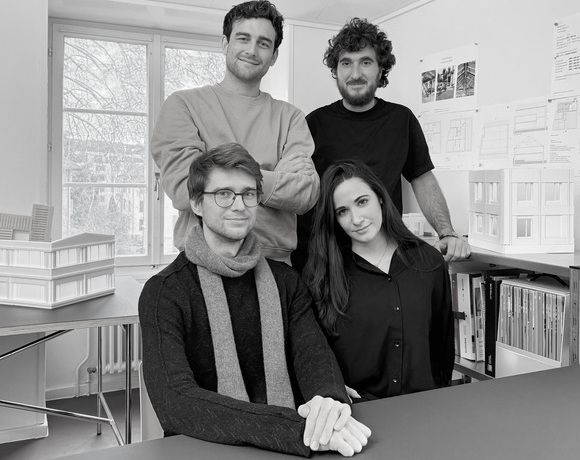
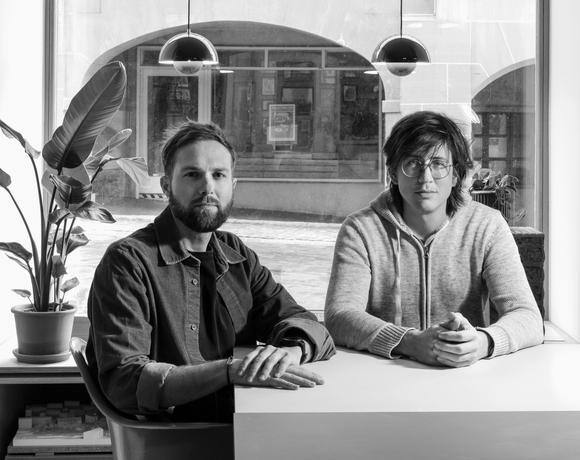
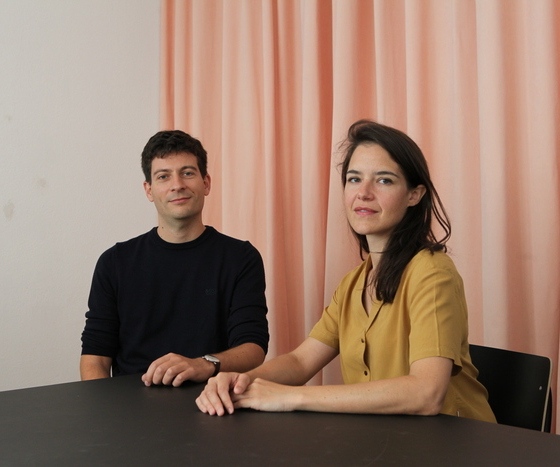
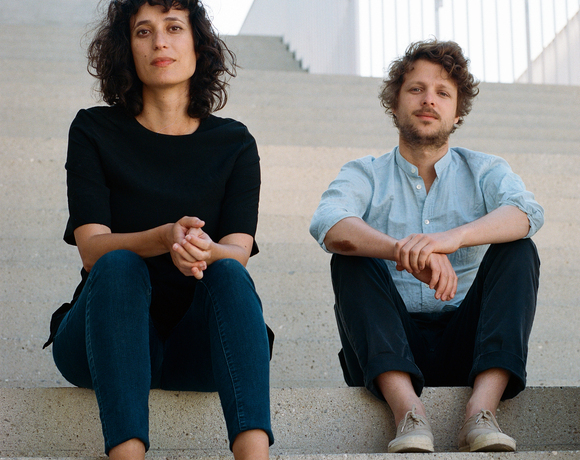
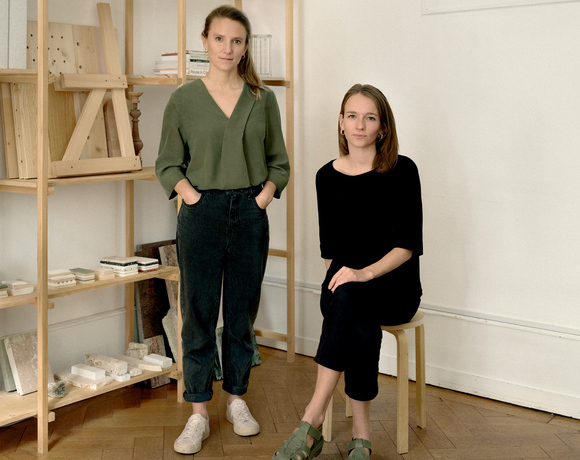
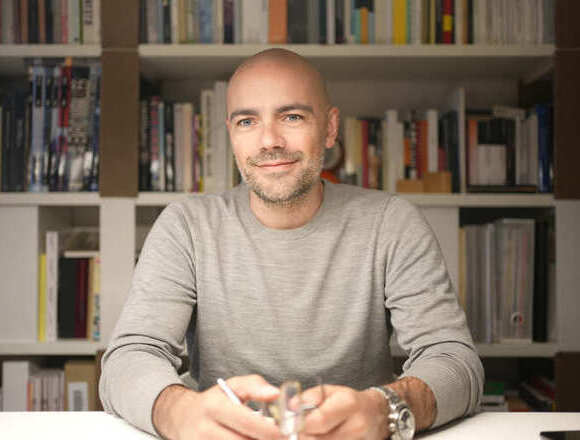
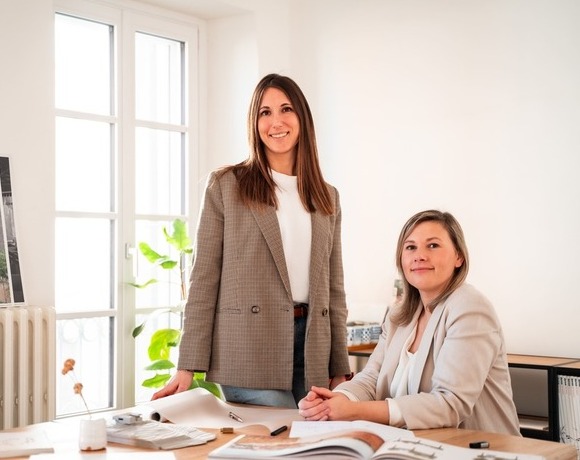
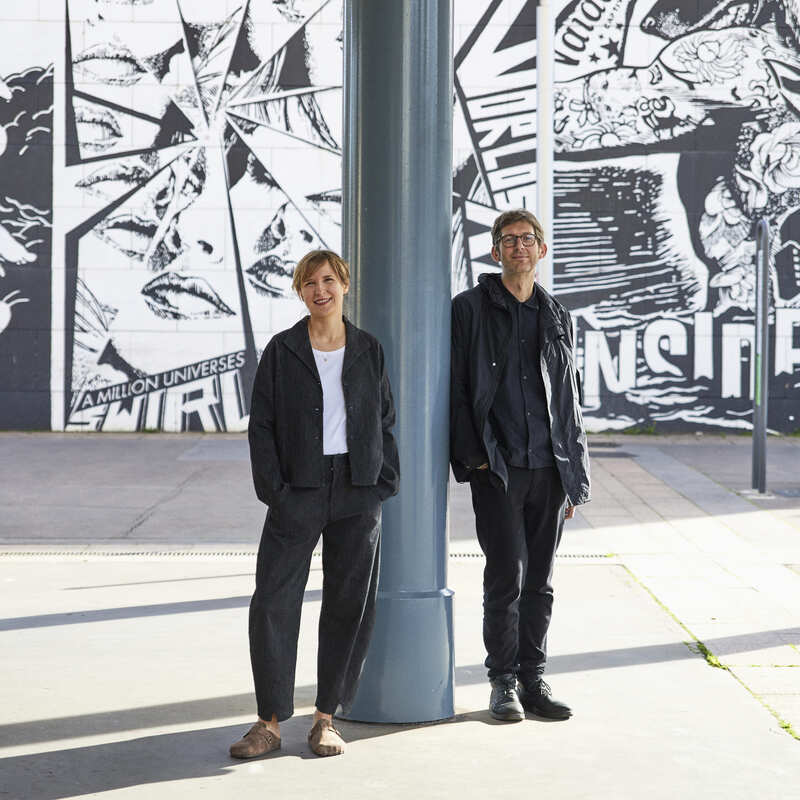
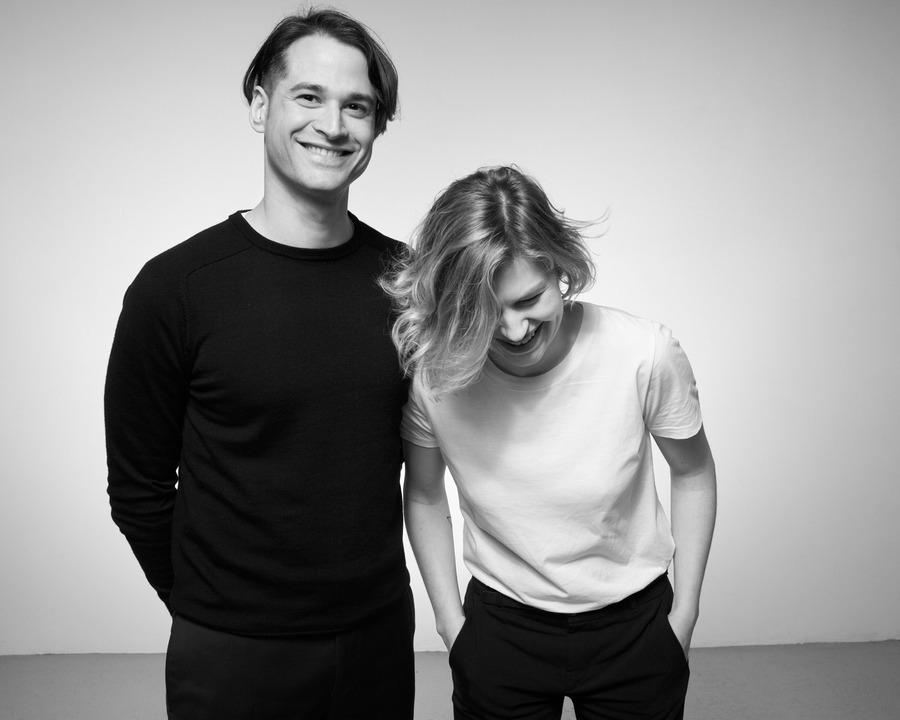
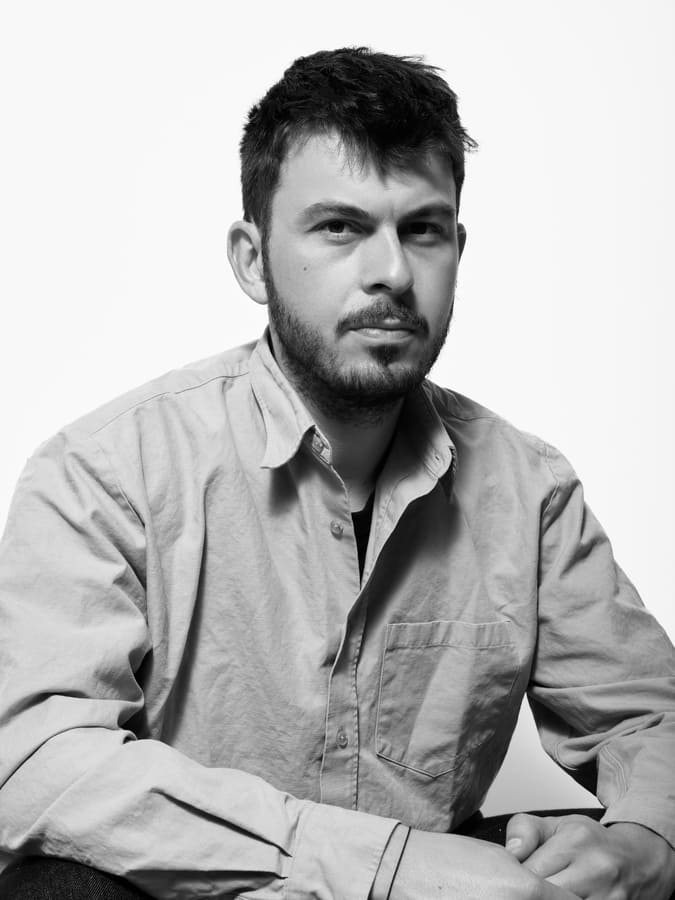
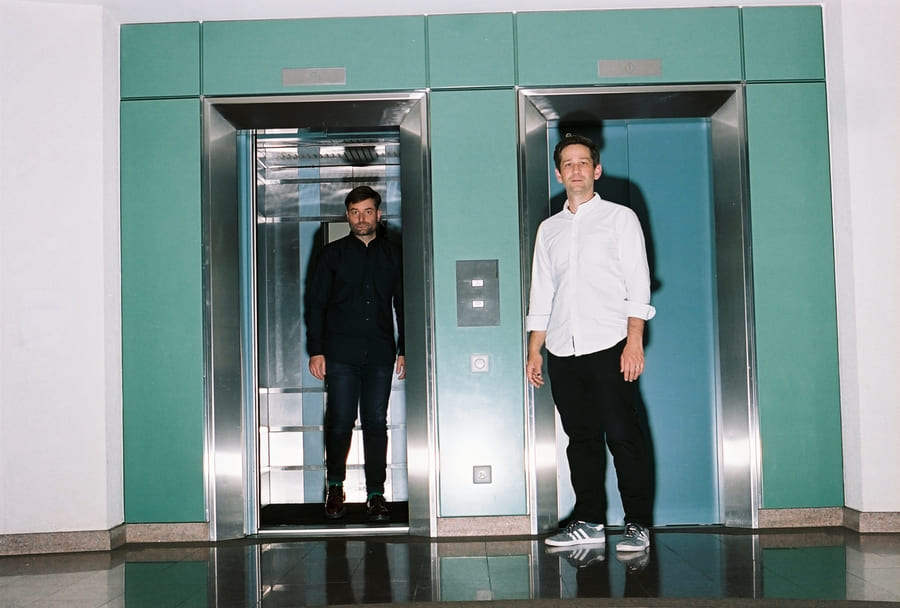
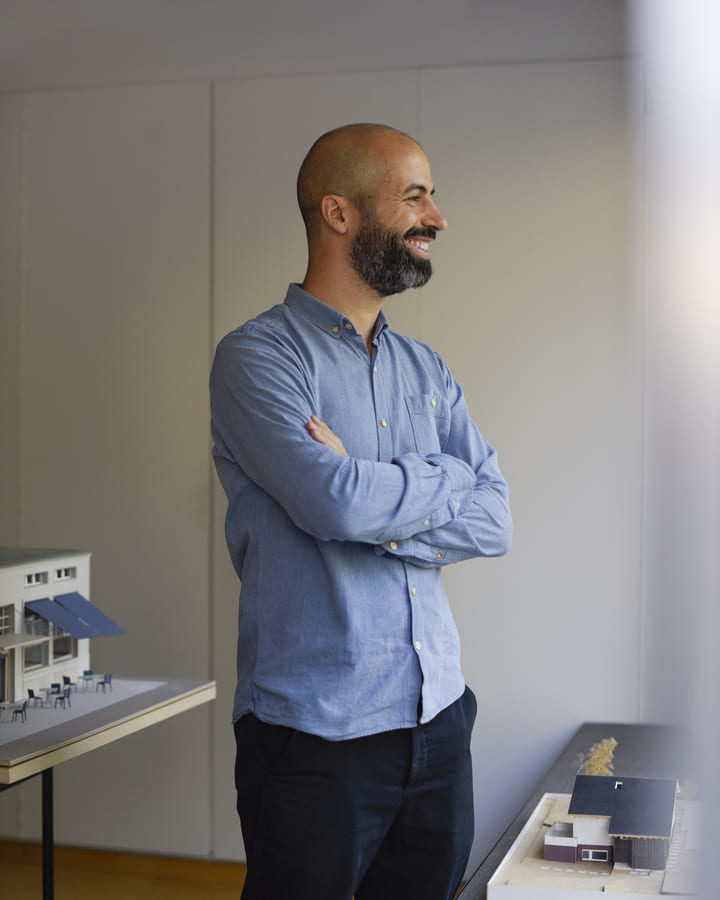
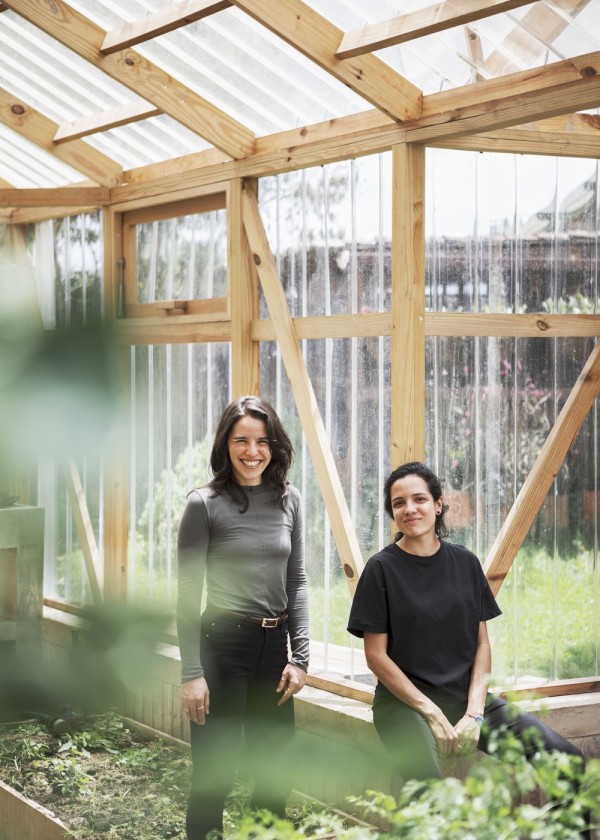
With LDA Architectes, Lionel Debs and Caroline Ziajka imagine an alive architecture open to its surroundings, and attentive to those who inhabit it. Their diverse experiences nurture a design approach where light, material, and context interact with clarity. The practice seeks to create durable, welcoming, and distinctive spaces, able to evolve over time. A central concern is the careful management of building footprint and the restoration of natural ground through de-sealing, enhancing biodiversity and ecological balance. LDA embraces an architecture that is simple, human, and contemporary, rooted in place and responsive to its human and non-human living users.

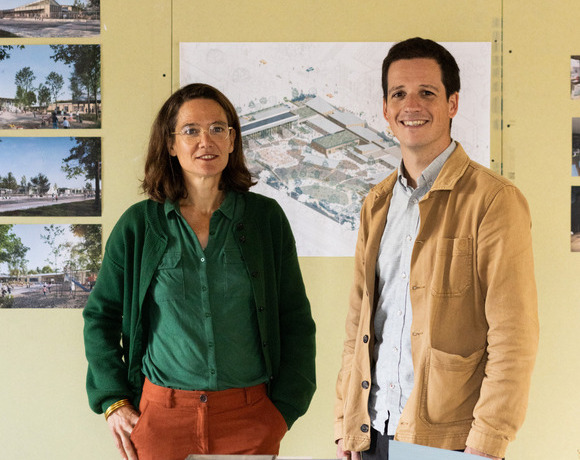
LD: Lionel Debs | CZ: Caroline Ziajka


The importance of ecology now

LD: In France and across Europe, policies are increasingly shifting toward ecology, to the point where it’s almost becoming synonymous with architecture. This isn’t entirely new, but it’s a relatively recent development. When we started the office 12 years ago, it wasn’t such a central issue—it rarely appeared in program briefs or competition guidelines. Of course, I think architects have always cared about ecological ways of building—it’s something we’ve always considered important—but it wasn’t really expected or required by clients until policies began asking for it clearly. I think this shift really started during the lockdown. Before that, it wasn’t so present. We had already been proposing ecological insulation or special materials—bioclimatic strategies were always part of our approach—but it wasn’t something you had to talk about or that was strictly necessary for the climate.

But after 2020, during lockdown, everyone was at home and started thinking differently—fewer cars, more time. Especially here in France, and particularly in Strasbourg, which is a very ecologically engaged city. They are very attentive to the projects. Now, all buildings must be passive—especially in Strasbourg but also in the surrounding region. It’s a bit strange, because ten years ago, if you didn’t already have an ecological background as an architect, you weren’t allowed to build that way. Today, clients and juries ask for references—like passive buildings—but if you couldn’t propose those back then, you simply don’t have those references now. Strasbourg has also always been a cycling city. People stopped using cars a long time ago. We don’t even have a car—we do everything by bike and travel by train. The region’s policies support this lifestyle. Transportation is easy—bike, foot, tram. And the train network means you can reach most places within 10 kilometres of a station. 

This is all linked to Strasbourg’s long-standing commitment to ecological policy. Since COVID, we even have a new mayor from an ecological party. It’s been positive: now, all public projects are expected to be efficient, low-tech, and use materials with a low carbon footprint. We see this as a great response by the city.


Lessons from experience

LD: One central aspect I’ve carried with me from past experiences is the importance of understanding the complexity of each project—especially in relation to who it’s for and how to care for its users. That commitment to user‑centred design is really important to us. I started with major public buildings in Strasbourg, and then, when we moved to Rotterdam, I worked on very large projects that felt somewhat disconnected from actual use, unlike the public buildings, which felt more relatable. That contrast is what made me realise I wanted to stay close to work where I could truly make a difference. 

There’s also the vital lesson of understanding context, which translates into our interest in on‑site construction—something I really learned here in Strasbourg. Before then, I didn’t know how to build a wall, place a column, or install a window. That hands-on experience became a cornerstone of our practice: paying attention to detail, knowing how assemblies come together, and speaking the same language as contractors, rather than being “the architect who says ‘flat’ and expects someone else to figure it out.” 

CZ: As for me, I come from a different background. I spent ten years working at an agency in Strasbourg called SAAR, where I mainly focused on social housing, often in collaboration with large developers. I worked on many competitions for large-scale housing and student residences. But after a decade, it became difficult for me to keep working at that scale—it lacked a human dimension. It was all about business: square meters and nothing else. I became more interested in lived-in housing. Student housing, for example—there are always issues that come up.

LD: Caroline’s experience in housing was something we didn’t have in the office at first—but soon, clients started asking for it. We were always interested in housing, but those projects aren’t easy to get. With so many large firms in Strasbourg already established in that field, we weren’t the obvious choice. When we started, we had no references. And in France, it’s really hard to get public projects without them. Even if you worked deeply on a project, if you don’t have official references, you can’t apply. So we entered open competitions. One of our first was a tiny ice cream shop. We decided to make it really clean, really well-finished—to create a kind of reference. Even though it wasn’t public, it was a commercial space that the public could enter. We used that, and two or three other open competitions, to apply for public projects. 

Even though it was a very small project, that first public commission opened the door for us. After that, we won a competition for a school in Benfeld. We had to fully renovate and extend an existing school, adding three new classrooms and a sports hall. That was in 2012. Even back then, we were already asking: how do we work with existing buildings? That question has become increasingly relevant in our work today. They kept eight or nine classrooms in the old building and added three new ones. So we didn’t demolish it, which we were proud of. Even today, buildings still get destroyed for no reason. We’re happy we could do both: keep the existing and add something. That became our first public reference and a major turning point for our practice.


Principles in practise

LD: That first public project—a primary school in Benfeld—was an existing building from the 1950s. During construction, the children continued to use the school for their daily activities. This was a crucial aspect, and it was the first time we had to work on-site with people present—it wasn’t an empty building. First, we built an extension to meet the brief, and some of the children moved into it. Then we renovated the existing building part by part, with the other children still inside. Afterward, the hall opened to welcome everyone.

What’s interesting—and something that appears in many of our projects—is the way we approached the extension. We’re very focused on the footprint. If we can avoid demolishing, we do. And if we can build on already-altered ground—like concrete or paved surfaces—rather than a green space, that’s even better. So that was the first time we proposed this way of working: not building on grass or cutting down trees, but only building where the ground was already paved. That way, you don’t reduce the soil’s ability to absorb water. Building without adding new surfaces, building with the existing, and reusing—those are some of the recurring principles in our work. 


Managing complexity

LD: Dealing with occupied sites is a common challenge in our practice. For example, we worked on an energy renovation of 100 housing units in Strasbourg. Then we won another competition for the city—a school located in the city centre, with very difficult access. Once again, the children will remain on-site during construction. Occupied sites are really part of our way of working.

At the beginning, it’s already a design question: how to minimise the impact, how to make something super compact and well-placed. And then, on the construction side, we have to coordinate closely with both clients and users: explaining what’s going to happen, when the noise starts, when there’s a hole, when they’ll move, etc. It has to be impeccably clean—no dust allowed. These constraints strongly shape how we approach construction. 

CZ: When you're on an occupied site, materials matter even more. That pushes us to use dry construction—wood, for example—which is quicker and aligns with our ecological principles: low-impact, dry materials, and less concrete. Even the insulation is dry, installed in small panels and so on. You have to be silent, clean, and organised. And follow all the steps very closely.

LD: And you can’t be too stressed—we need to manage the stress for others. That’s important too. You have to plan everything. For example, at a school, holidays are holidays, Wednesdays are off, and you can’t work on weekends because of the neighbourhood. Even in the mornings, from 7:30 to 8:30, you can’t work because of parents dropping off kids. At 12, they leave again. So security takes a break. That’s why we need to communicate very well with contractors and create a good environment for everyone. Everyone has to be calm and cooperative to make it work. You end up with so many constraints that you have to rethink everything about how you work on-site. It’s totally different from an empty site.


Adapting to challenges

CZ: One recent challenge we—and likely many architects and industries—have had to face is the need to adapt designs during the process. This flexibility became crucial due to the uncertain conditions of the past few years, such as the pandemic, which affected material availability, costs, and other factors. A good example is Cube, an office building we won through a city competition. The site was previously a car park and a concrete playground. We won because we were the only team that chose to preserve the playground, which was heavily used by the community. We decided to build compactly on the parking area and introduced trees—not required by regulations, but essential for the quality of life. After preserving the playground, a medical association raised concerns about soil pollution affecting the sports users. We had to conduct soil tests, which confirmed some contamination. Consequently, the project was delayed and has only just recently restarted.

Now, we have to work on something we designed seven years ago, with a budget that no longer fits. Not because we changed the materials, but because everything costs more now. The developer still wants the project, and we want to make it, so we had to redesign all the details to reduce costs—but without changing the design, because the permit was so difficult to get. Maybe the details are more direct, more efficient, with fewer materials. Not low-cost, but more elementary in the way we drew and built it.

The positive outcome is that we preserved all the essential aspects of the project. For example, it’s the first seven-story office building made of wood in Strasbourg—and we successfully maintained that feature. The simplifications mainly affect other parts of the building and primarily involve using fewer materials. For instance, the original façade featured deep columns and recessed windows. There were several options for insulating and finishing the exterior of the columns, but after reworking the details with the contractors, the windows are now positioned on the outside instead of recessed. That makes the façade look flatter, but it doesn’t change the overall appearance—just simplifies it. And maybe it’s better for the building’s future use.

This competition was a particular one. The developer was the team lead. The city chose five or six developers, and we worked for over six months, with workshops in between. It wasn’t an open competition; we worked directly with the developer and the city. The city wanted to sell the land but also have a say in the design and the ecological approach—which was already in the brief. It was super stressful for us, because with each workshop, we didn’t know what the other teams were doing or what information they had. So it was intense. We started in 2017, won in 2018, and worked on it nonstop for six months.


Building beyond the brief

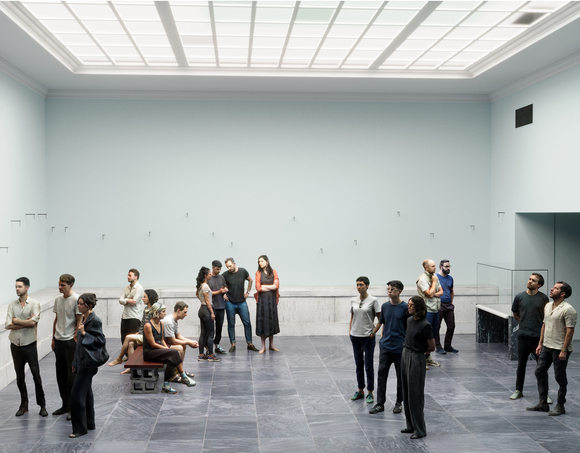
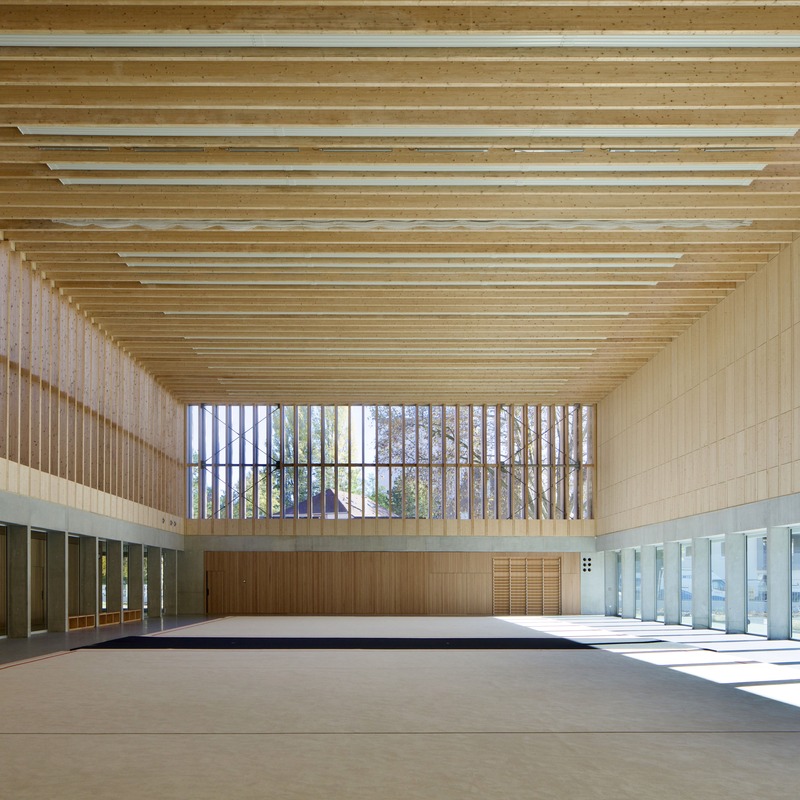
LD: Questioning the brief can be challenging, but it often helps push architectural solutions further. I’m thinking of a project in Strasbourg, the Gymnase Albert Legrand. It was an existing building—a sports hall—and the brief asked us to renovate it and make an extension. Next to it, there was a large outdoor playground. According to the brief, the extension was supposed to go close to the street, keeping the big playground where it was. To allow for this, the client had declassified a green area with several large trees, including one plane tree that was 25 metres high.

The competition wasn’t open; it was anonymous, and we were one of five candidates. We proposed something different: not to build where the brief had requested, but to keep the green space and build on the playground instead. That way, we could preserve all the trees and the soil. It was a risk because the brief was very precise about the implantation next to the street. This was in 2019, and at the time, we didn’t have a lot of work. But in the end, we told ourselves: better to lose with a project we believe in—one that’s better for the environment, the neighbourhood, and the ground—than to win with something we can’t get behind. We’re really happy we made that choice.

We kept the existing building and also a small one next to it, which had the restrooms and locker rooms. We didn’t demolish anything—we stitched it all together. That was new for us. We wanted a project with no front and no back, something continuous. Sports halls are usually tall and out of human scale—you feel small. But here, we added this element that creates a more human space, something that protects the link to the city. Parents can wait there before going in with their kids, or park their bikes. On the other side, there’s a medical office, and this space works as a waiting area. It also protects the playground from the sun and helps shield the windows. It becomes a gathering place—a continuous environment with no front and no back.

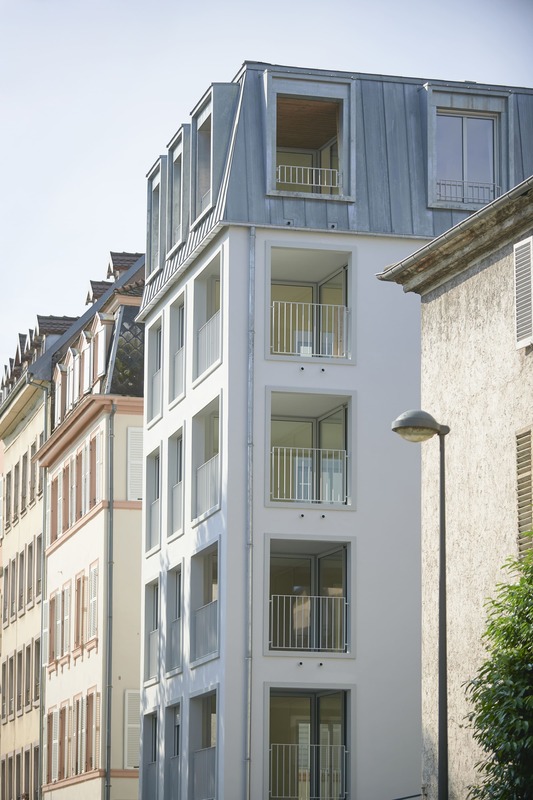
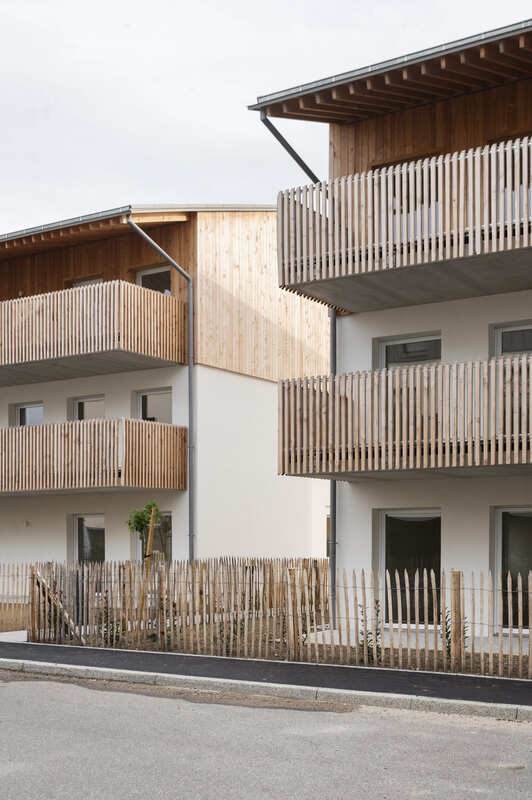
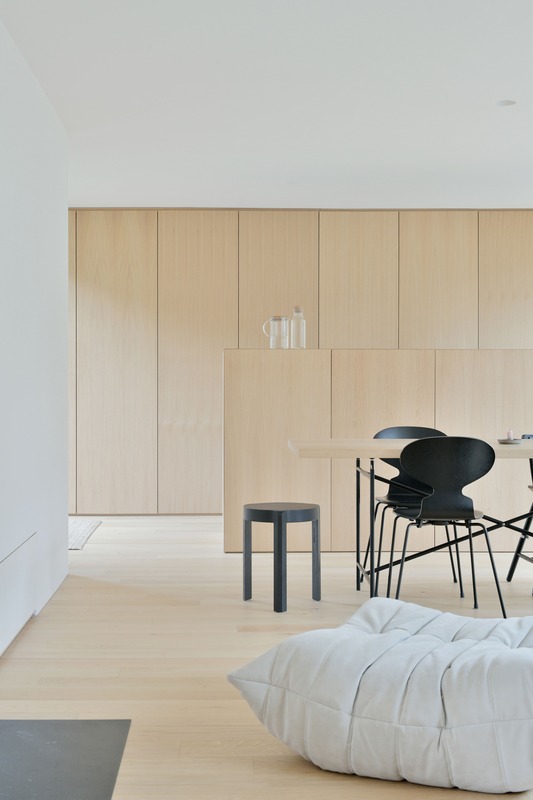
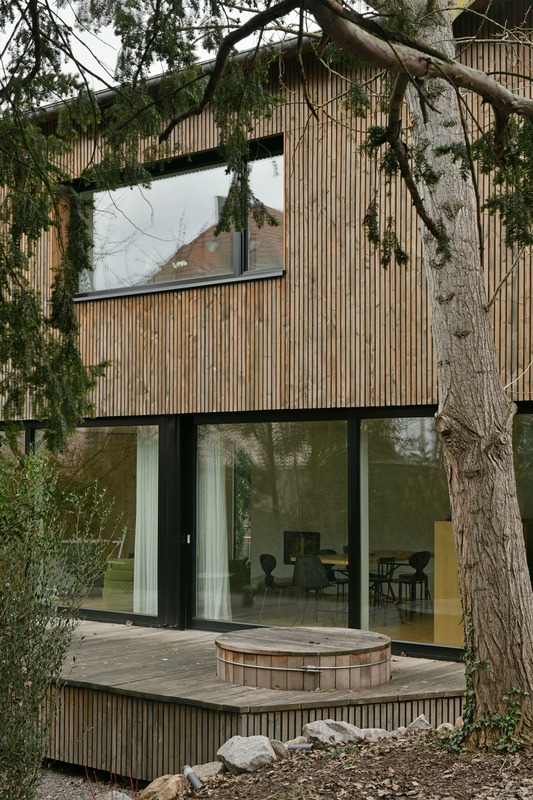
00. LDA 01 Photo William Henrion Artwork From the Air We Share from Artist Faile âžĄď¸ LDA Architects. Lionel Debs, Caroline Ziajka. Ph. William HenrionLDA 01 Sport Hall Albert Le Grand in Strasbourg   Photo Philippe Ruault âžĄď¸ Sport Hall Albert Le Grand, Strasbourg. Ph. Philippe RuaultLDA 03 Triple orientation housings in Strasbourg   Photo William Henrion âžĄď¸ Housing in historical city centre, Strasbourg. Ph. William HenrionLDA 08 Social Housings in Mundolsheim Photo Guillaume Greff Emilie Viallet âžĄď¸ Social housing, Mundolsheim. Ph. Guillaume Gredd & Émilie VialetLDA 09 House Fridolin Photo Studio vingt septembre âžĄď¸ House Fridolin, Strasbourg. Ph. Studio Vingt SeptembreLDA 10 House Fridolin Photo Studio vingt septembre âžĄď¸ House Fridolin, Strasbourg. Ph. Studio Vingt Septembre


a project powered by Itinerant Office

subscribe to our newsletter

follow us