Oblò
Dialogue with the Built World
New French Architecture
An Original Idea by New Generations
HYPER
Coming Soon
Augure Studio
Revealing, Simplifying, Adapting
Cent15 Architecture
A Process of Learning and Reinvention
Pierre-Arnaud Descôtes
Composing Spaces, Revealing Landscapes
BUREAUPERRET
What Remains, What Becomes
ECHELLE OFFICE
In Between Scales
Atelier
Rooted in Context, Situated at the Centre
AJAM
Systemic Shifts, Local Gestures
Mallet Morales
Stories in Structure
Studio SAME
Charting Change with Ambition
Lafayette
Envisioning the City of Tomorrow
Belval & Parquet Architectes
Living and Building Differently
127af
Redefining the Common
HEROS Architecture
From Stone to Structure
Carriere Didier Gazeau
Lessons from Heritage
a-platz
Bridging Cultures, Shaping Ideas
Rodaa
Practicing Across Contexts
Urbastudio
Interconnecting Scales, Communities, and Values
Oglo
Designing for Care
Figura
Figures of Transformation
COVE Architectes
Awakening Dormant Spaces
Graal
Understanding Economic Dynamics at the Core
ZW/A
United Voices, Stronger Impacts
A6A
Building a Reference Practice for All
BERENICE CURT ARCHITECTURE
Crossing Design Boundaries
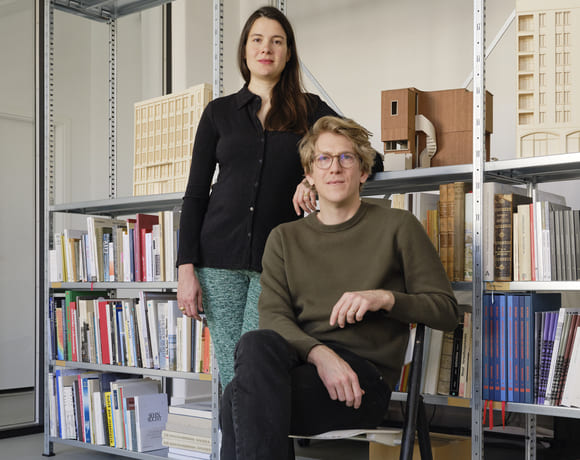
studio mäc
Bridging Theory and Practice
studio mäc
Bridging Theory and Practice
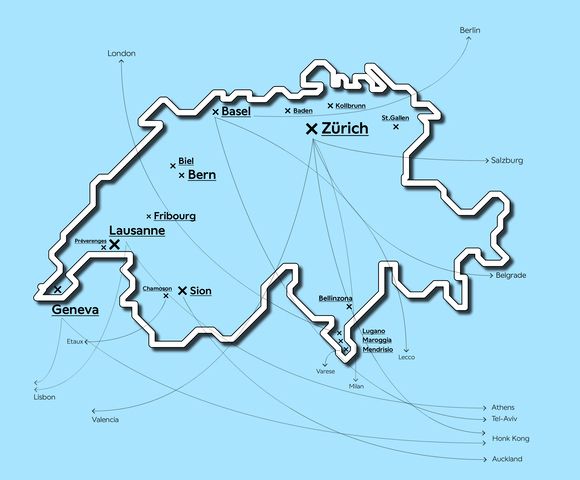
New Swiss Architecture
An Original Idea by New Generations
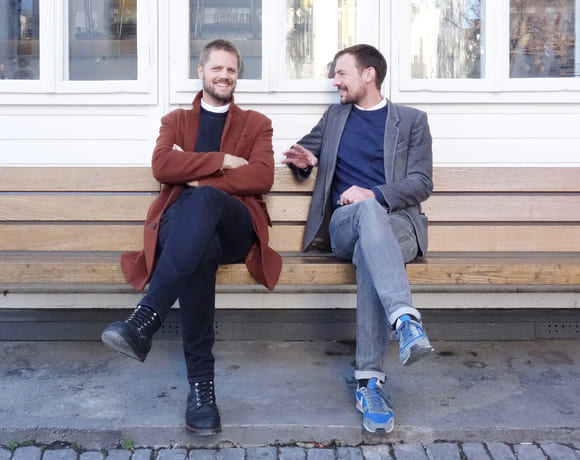
KUMMER/SCHIESS
Compete, Explore, Experiment
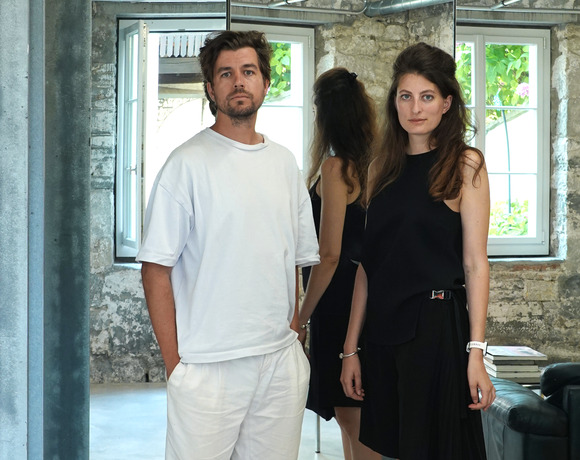
ALIAS
Stories Beyond the Surface
sumcrap.
Connected to Place
BUREAU/D
From Observation to Action
STUDIO ROMANO TIEDJE
Lessons in Transformation
Ruumfabrigg Architekten
From Countryside to Lasting Heritage
Kollektiv Marudo
Negotiating Built Realities
Studio Barrus
Starting byChance,Growing Through Principles
dorsa + 820
Between Fiction and Reality
S2L Landschaftsarchitektur
Public Spaces That Transform
DER
Designing Within Local Realities
Marginalia
Change from the Margins
En-Dehors
Shaping a Living and Flexible Ecosystem
lablab
A Lab for Growing Ideas
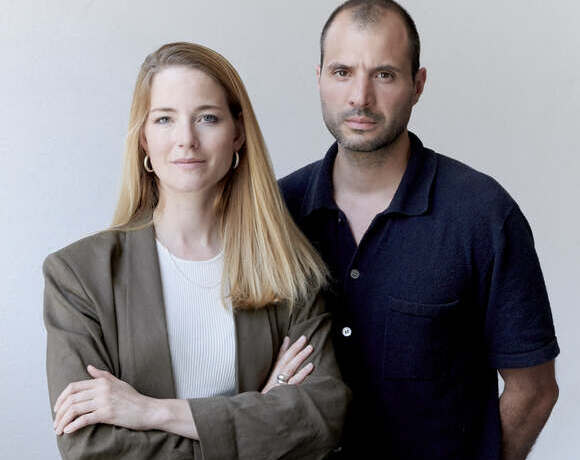
Soares Jaquier
Daring to Experiment
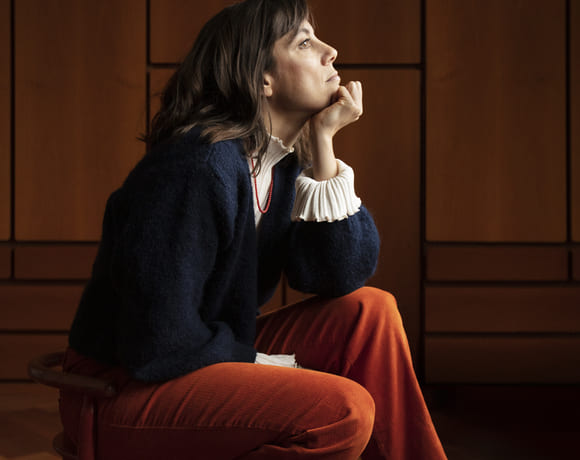
Sara Gelibter Architecte
Journey to Belonging
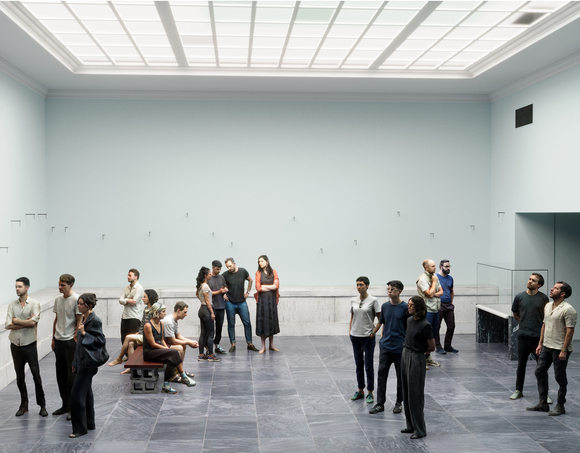
TEN (X)
A New Kind of Design Institute
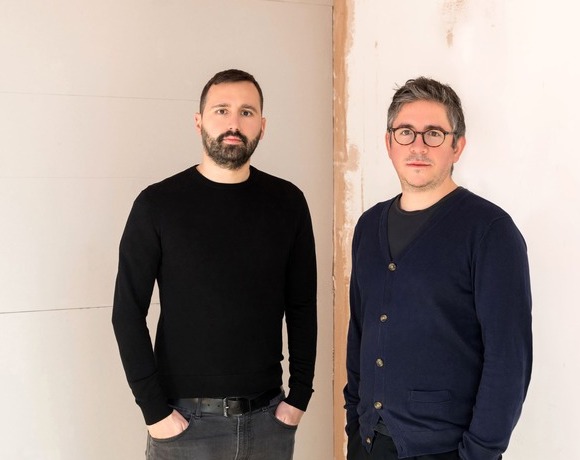
DF_DC
Synergy in Practice: Evolving Together
GRILLO VASIU
Exploring Living, Embracing Cultures
Studio — Alberto Figuccio
From Competitions to Realised Visions
Mentha Walther Architekten
Carefully Constructed
Stefan Wuelser +
Optimistic Rationalism: Design Beyond the Expected
BUREAU
A Practice Built on Questions
camponovo baumgartner
Flexible Frameworks, Unique Results
MAR ATELIER
Exploring the Fringes of Architecture
bach mühle fuchs
Constantly Aiming To Improve the Environment
NOSU Architekten GmbH
Building an Office from Competitions
BALISSAT KAÇANI
Challenging Typologies, Embracing Realities
Piertzovanis Toews
Crafted by Conception, Tailored to Measure
BothAnd
Fostering Collaboration and Openness
Atelier ORA
Building with Passion and Purpose
Atelier Hobiger Feichtner
Building with Sustainability in Mind
CAMPOPIANO.architetti
Architecture That Stays True to Itself
STUDIO PEZ
The Power of Evolving Ideas
Architecture Land Initiative
Architecture Across Scales
ellipsearchitecture
Humble Leanings, Cyclical Processes
Sophie Hamer Architect
Balancing History and Innovation
Argemí Bufano Architectes
Competitions as a Catalyst for Innovation
continentale
A Polychrome Revival
valsangiacomoboschetti
Building With What Remains
Oliver Christen Architekten
Framework for an Evolving Practice
MMXVI
Synergy in Practice
Balancing Roles and Ideas
studio 812
A Reflective Approach to
Fast-Growing Opportunities
STUDIO4
The Journey of STUDIO4
Holzhausen Zweifel Architekten
Shaping the Everyday
berset bruggisser
Architecture Rooted in Place
JBA - Joud Beaudoin Architectes
New Frontiers in Materiality
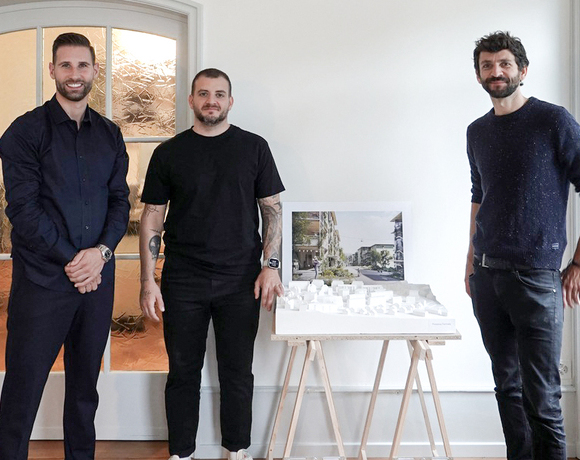
vizo Architekten
From Questions to Vision
Atelier NU
Prototypes of Practice
Atelier Tau
Architecture as a Form of Questioning
alexandro fotakis architecture
Embracing Context and Continuity
Atelier Anachron
Engaging with Complexity
studio jo.na
Transforming Rural Switzerland
guy barreto architects
Designing for Others, Answers Over Uniqueness
Concrete and the Woods
Building on Planet Earth
bureaumilieux
What is innovation?
apropå
A Sustainable and Frugal Practice
Massimo Frasson Architetto
Finding Clarity in Complex Projects
Studio David Klemmer
Binary Operations
Caterina Viguera Studio
Immersing in New Forms of Architecture
r2a architectes
Local Insights, Fresh Perspectives
HertelTan
Timeless Perspectives in Architecture
That Belongs
Nicolas de Courten
A Pragmatic Vision for Change
Atelier OLOS
Balance Between Nature and Built Environment
Associati
‘Cheap but intense’: The Associati Way
emixi architectes
Reconnecting Architecture with Craft
baraki architects&engineers
From Leftovers to Opportunities
DARE Architects
Material Matters: from Earth to Innovation
KOMPIS ARCHITECTES
Building from the Ground Up
Fill this form to have the opportunity to join the New Generations platform: submissions will be reviewed on a daily-basis, and the most innovative practices will have the chance to be part of the media's coverage and participate in our cultural agenda, including events, research projects, workshops, exhibitions and publications.
New Generations is a European platform that investigates the changes in the architectural profession ever since the economic crisis of 2008. We analyse the most innovative emerging practices at the European level, providing a new space for the exchange of knowledge and confrontation, theory, and production.
Since 2013, we have involved more than 3.000 practices from more than 50 countries in our cultural agenda, such as festivals, exhibitions, open calls, video-interviews, workshops, and experimental formats. We aim to offer a unique space where emerging architects could meet, exchange ideas, get inspired, and collaborate.
An original idea of New Generations
Team & collaborators: Gianpiero Venturini, Marta Hervás Oroza, Elisa Montani, Giuliana Capitelli, Kimberly Kruge, Canyang Cheng
If you have any questions, need further information, if you'd like to share with us a job offer, or just want to say hello please, don't hesitate to contact us by filling up this form. If you are interested in becoming part of the New Generations network, please fill in the specific survey at the 'join the platform' section.
Dialogue with the Built World
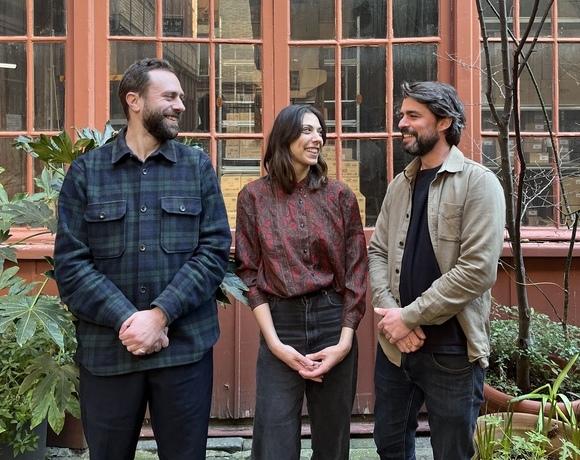
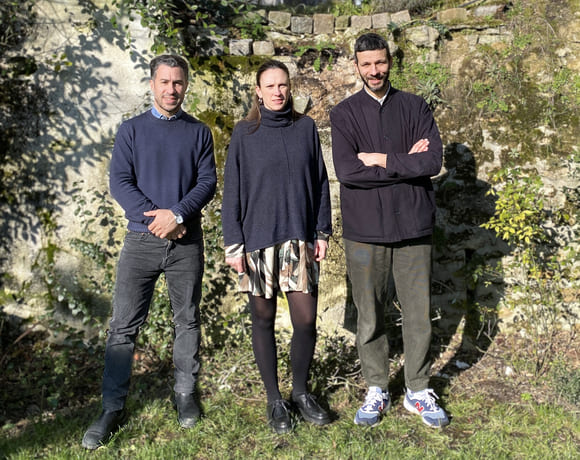
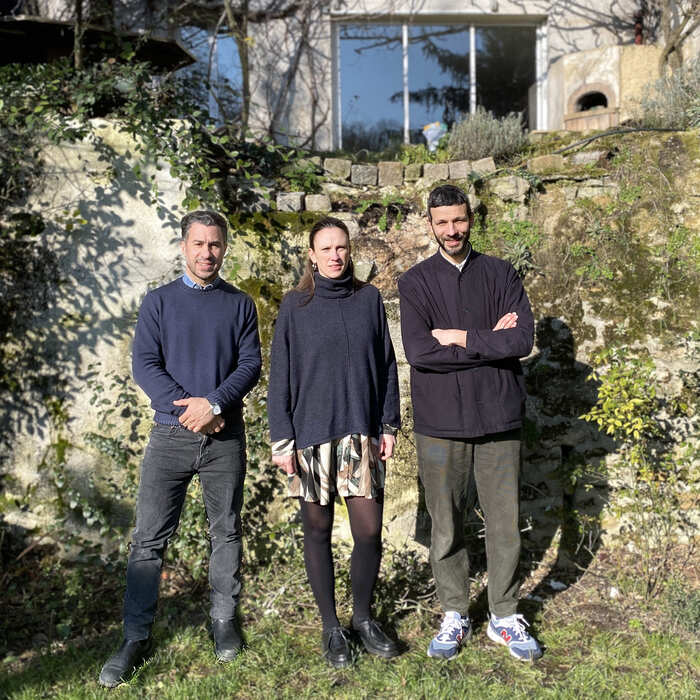
Founded in 2021, Oblò brings together the complementary skills of Francesca Coden, Emanuele Romani, and Lorenzo Santosuosso, working alongside a team of four collaborators. Based between Paris, Pruniers (France), and Scandiano (Italy), Oblò approaches each project through dialogue and the careful transformation of existing resources, embracing a frugal and responsible attitude. Rooted in Italian architectural culture, Oblò begins from what is already there, interpreting each site with respect and an “urban” sensibility that fosters familiarity with its context. At the core of their work lies a simple ambition: to make things last.
ER: Emanuele Romani | LS: Lorenzo Santosuosso
Through the “Oblò”
ER: Our collaboration began around 14 years ago, in the aftermath of the 2007–2008 financial crisis—a moment that pushed us to explore architectural competitions as a way to establish ourselves, eventually leading to a few early successes. At that point, we didn’t have a name for our practice, so we came up with something simple, something round, bold, and safe—Oblò. It felt like a way of looking at the world from a perspective that was more contained and secure compared to what was happening outside. The shape of the name was important to us as architects, but it also symbolised a more personal and safe view of reality, something we wanted to protect.
LS: I think it also reflects a broader trend of new, smaller practices emerging within the contemporary architectural landscape. As Emanuele said, the need for safety in how we see the world is really about intimacy—something very personal to architects. The bigger the practice, the more that intimacy gets lost. Instead of seeing reality through your own eyes, it becomes the collective perspective of a large organisation. Over the past few years, there’s been a push to reclaim a more personal, intimate view of the world, which has gone hand in hand with the desire for more freedom and autonomy. This shift really took off during the pandemic, when everyone was forced to be alone and found refuge in quieter, more remote places—rediscovering a connection to realities that had been overlooked. In some way, I think this search for intimacy and freedom explains why we’re seeing so many smaller practices today.
A response to contextual opportunities
ER: The decision to move to France wasn’t initially a conscious one. I studied architecture at Politecnico di Milano and then at the Universidade Técnica de Lisboa. After graduation, I met people who brought me to Paris, where I started working for established practices. The idea of working more autonomously came soon after. I think it’s linked to how I studied and the practices I encountered in Milan, where there was a strong sense of autonomy in smaller offices.
LS: As for me, I began my career working in well-established practices. Around 10 or 12 years ago, I met Emanuele and Francesca, and we collaborated on a competition together. Since then, the idea of joining them had always been in the air, and I officially became part of the group at the beginning of 2024.
ER: Oblò officially started in 2020 and is now led by three partners: Lorenzo Santosuosso, Francesca Coden, and me, Emanuele Romani. Since moving to Paris 12 years ago, I’ve always felt that the public market here works quite well, which was a big draw for me. France offers more opportunities to start an independent career, especially when it comes to public clients and projects.
LS: Indeed, the public client exists in France, and that’s something that sets it apart. There’s a public market where the construction costs are more manageable, which means small offices can take on projects. If you have a good proposal, you have a fair chance of passing through the selection process. In other places, you often need extensive networking before even getting a shot at a project.
ER: Besides the competition system, France has become a model for the ecological transition. The term Transition Ecologique is now being used elsewhere in Europe, especially in terms of heritage and sustainability. There’s a strong public push here to address these issues, which is not without its challenges. The risk is that everything might become too uniform under a shared vision. Nonetheless, these initiatives often receive official support and funding, which frequently leads to new public commissions. So, in a way, these were also the conditions that shaped the founding of Oblò: a strong competition system, a societal push to challenge the boundaries of sustainability in construction, and the availability of public resources to support and achieve these standards.
Conversations in context
ER: Our practice is grounded in a shared belief: the importance of making things last. This connects with what we were saying earlier about the crisis. From an etymological point of view, a crisis always brings two possible outcomes—either you move forward or you go another way. A crisis is a turning point, and inside it, there are ways to move past it. I truly believe this concept has defined our practice. Oblò was born out of a crisis in the traditional model of the architect—the ‘big guy’, the orchestra conductor who swoops in with all the answers. This approach can be particularly problematic when working with existing structures, which is one of the central focuses in this field today. As we began sketching together and answering competitions, we witnessed the crisis of that model, and a new role for the architect began to emerge. Our role became about adapting to a situation, making the best out of it, and addressing the program and the client's sometimes vague objectives. Our role is to interpret, to understand the context, and to make the most of what’s available—working with fewer resources, tighter constraints, and limited budgets.
The three of us really aligned around the idea of making things last—taking a situation and projecting it into the future. This can apply to the environment, ecology, heritage, or large-scale projects. The key is analysing an existing situation and making it last longer, whether that’s from an ecological, physical, or urban perspective. We want to create something that will continue to evolve, even after we hand over the keys.
LS: The common ground between the three of us can be summed up through the concept of dialogue—a dialogue that involves three parties: the clients, the builders, and the context. We often help clients reformulate their questions because sometimes the issue they raise isn’t the right one. The dialogue allows us to take a step back and focus on answering the right questions. The other side of the dialogue is with the builders, which involves—in a process that necessarily deals with economic constraints—merging with the skills that the constructing partners are able to address, aiming to achieve the best possible solution while keeping up the deep meaning of our architectural project. And then, there’s a third counterpart: the situation itself, the context. The goal is not to come with a fixed, personal gesture from the architect, but to let the project emerge from its environment—from an ecological point of view, from a material and human perspective, and of course, architecturally. There’s been a tendency to say architects don’t matter as much any more because architectural form can be generated through algorithms and computer systems. Not only do we disagree with this, but we will never abandon this constant dialogue with architecture.
ER: When you’re working on a rehabilitation project, like many of ours, it’s very sensitive work. We work a lot on-site, analysing the situation, materials, and their potential. With AI or parametrics, a project might not align with the reality of the existing site. It’s our role to test and analyse these problems and figure out how best to incorporate them into the site in a way that makes sense with the project’s resources, time, and budget. This requires sensitivity, being present, and constantly engaging with the site and the project. It’s a permanent exchange. We might go back and say, ‘This doesn’t work, let’s try this instead.’ It’s a real dialogue, also with the human beings involved.
Managing with proximity
LS: Many of our projects are located in small cities not far from Paris, such as Auvers-sur-Oise, Viarmes or Vernon, less than an hour by train from the city centre, or sometimes even closer, like Romainville. We are interested in these projects because they are often the most important buildings for those cities, and the outcomes are crucial for the quality of life of the inhabitants. Plus, where the teams are smaller, relationships develop quickly and you can have a direct dialogue with your team and all the people involved.
ER: For each project, we begin by researching the local traditions, materials, and the history of the site. This results in internal reference folders where we document the materials, construction techniques, and the climatic or technical reasons behind local building methods. Since we always conduct this research at the start of each project, we’re never starting from scratch and have a deep understanding of the concept. This enables us to better address the client’s needs and also encourages them to reflect on their own goals.
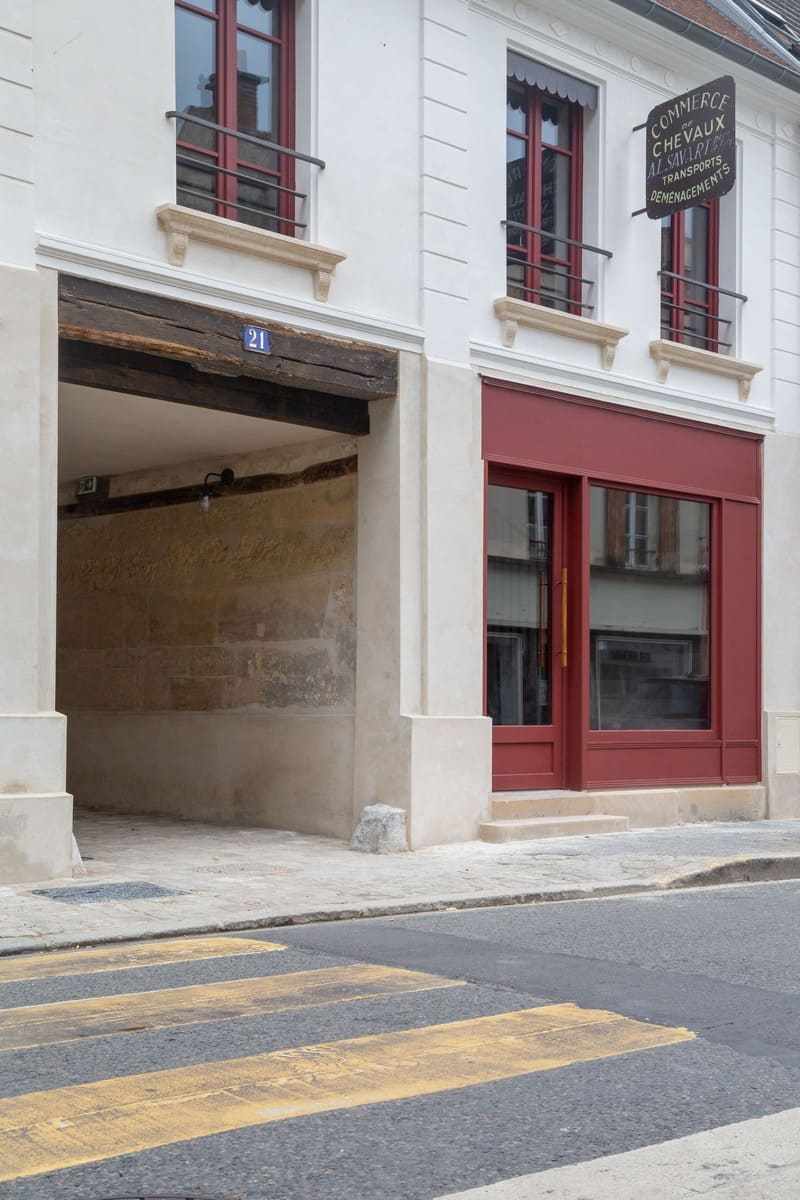
LS: We have been working on the Maison de l’Isle cultural centre in Auvers-sur-Oise, which was our first major project and came after a more diffuse work on the public spaces of the same city. We are now working on the Charcot-Barbusse school in Romainville. The project involves the ecological renovation of a building from 1935 and its extension. The original building is a very generous one, with large windows that make it feel uncomfortable in winter and summer times. The city wants to reuse and convert some of the existing buildings within the site and create a new kitchen. While currently meals are cooked elsewhere and simply reheated at the school, our project will contribute to controlling the entire food preparation process, from the supply of organic food to table service. The goal is to make the building more comfortable and efficient, reducing energy consumption while also proposing better food to students, as a part of a larger health and pedagogical outcome.
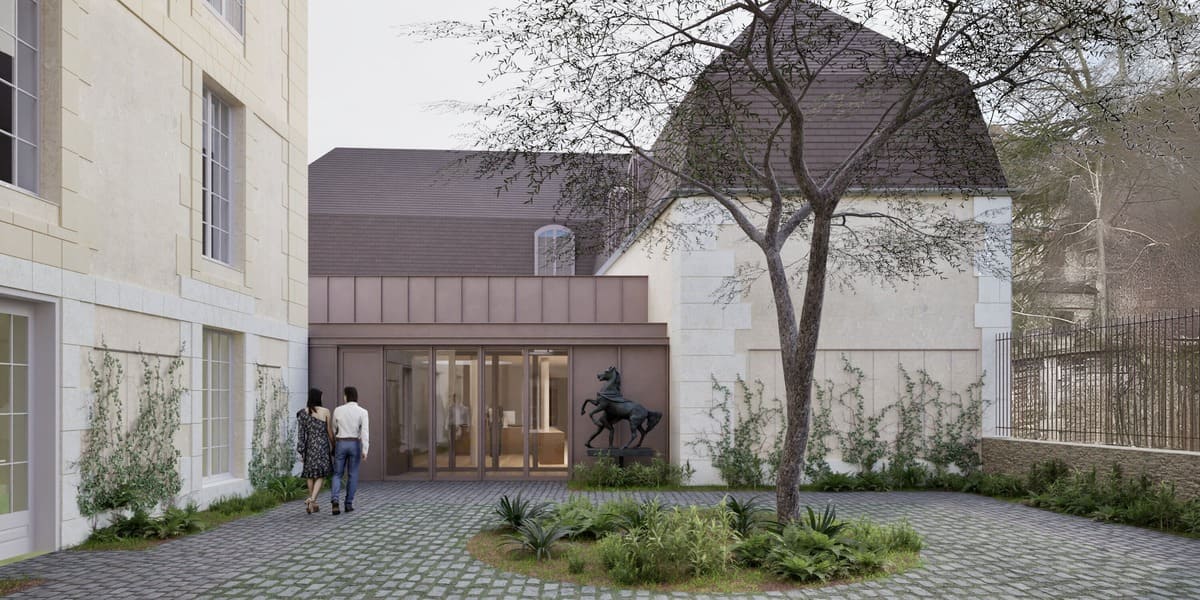
ER: We really connect with this project. One of the reasons we were chosen was that we could propose a deep understanding of the history of the site while being close to the site and respond quickly to the construction process. We’re involved in every part of the process, not just the design. It's about resolving the programme and being attached to what we’re building. Another project we’re working on is the ecological renovation of a sports facility in Villeneuve-le-Comte, a village deeply founded on its urban and architectural heritage. The project involves the rehabilitation of a small, quite simple sport—an opportunity to improve thermal and architectural comfort—and the construction of a new clubhouse building that aims to familiarise with the existing site. We could apply the same approach to a private art centre in Auvers-sur-Oise or to the Museum of Vernon, two projects where the understanding of the existing sites deeply contributed to the architectural outcome. A few examples of how the architect’s role is changing. It’s less about the ‘aura’ of the artist making something conceptually beautiful.
LS: The idea of being involved throughout the whole process requires us to manage the scale of the site. In larger interventions, architects often step away when construction begins, but with smaller projects like ours, we remain involved from the sketches to construction. This gives us control and keeps the dialogue alive, even through the building phase.
Research nurtures practice
ER: I have been teaching at the Belleville School of Architecture since 2017, starting with the heritage program, which is a two-year diploma in France. Research, while not always financially compensated, is an essential part of our practice. It helps us understand the project in greater depth and address the challenges more effectively. On the other hand, my teaching also contributes to our practice, providing it with tools that help us understand and interpret the contexts we are working with. I started my research focusing on materials and techniques, particularly those employed in construction between the 19th and early 20th centuries. In France, this period is quite varied and somewhat “heroic” pioneering, with everything from stone buildings to the rise of metal and concrete architecture. My involvement with heritage buildings in France allowed me to learn the technical aspects of these structures and share that knowledge. Additionally, I've been teaching project studios with Philippe Prost. Our studio class, Memory, Context, and Creation, focuses on projects in existing contexts, not just the refurbishment or conversion of existing structures. We firmly believe that a building needs a program to remain relevant; restoring it without a use will lead to it becoming obsolete again in a few years.
In teaching, I emphasise how to create a project based on the history and technical realities of a site. We're always working with a program, considering how to integrate it into an existing building, and how the history of the site informs the project. We often uncover interesting historical aspects that can help solve design challenges. This work of synthesising the history we discover is an important part of what we do.
Lately, I’ve been teaching the rehabilitation of buildings for public housing together with Patrick de Jean. The need for housing is growing, especially as we have a huge post-WWII housing stock, and many office or monolithic buildings must be transformed instead of demolished. We can’t afford to start from scratch any more; the planet is telling us this. Transforming and adapting existing buildings for living is, I believe, one of the major challenges for our field in the future. Teaching this aspect provides us with fresh perspectives on where to focus our efforts moving forward.
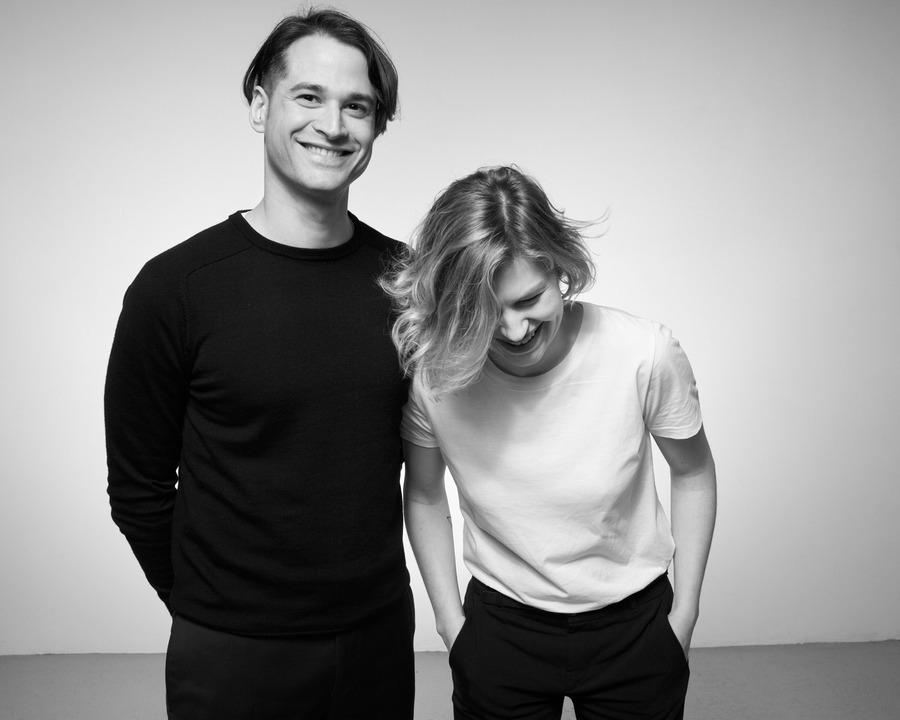
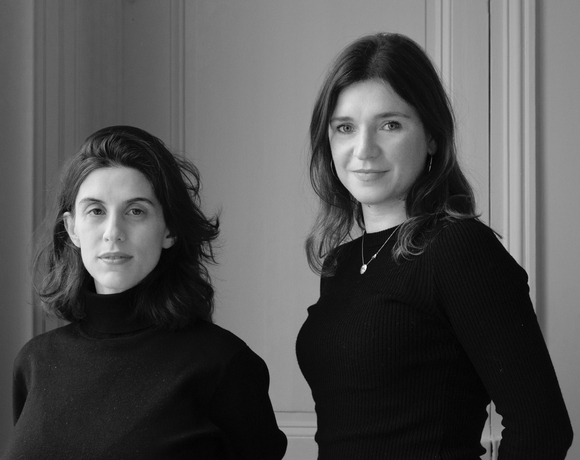
➡️ Oblò. Emanuele Romani, Lorenzo Santosuosso, Francesca Coden. Ph. Courtesy of Oblò
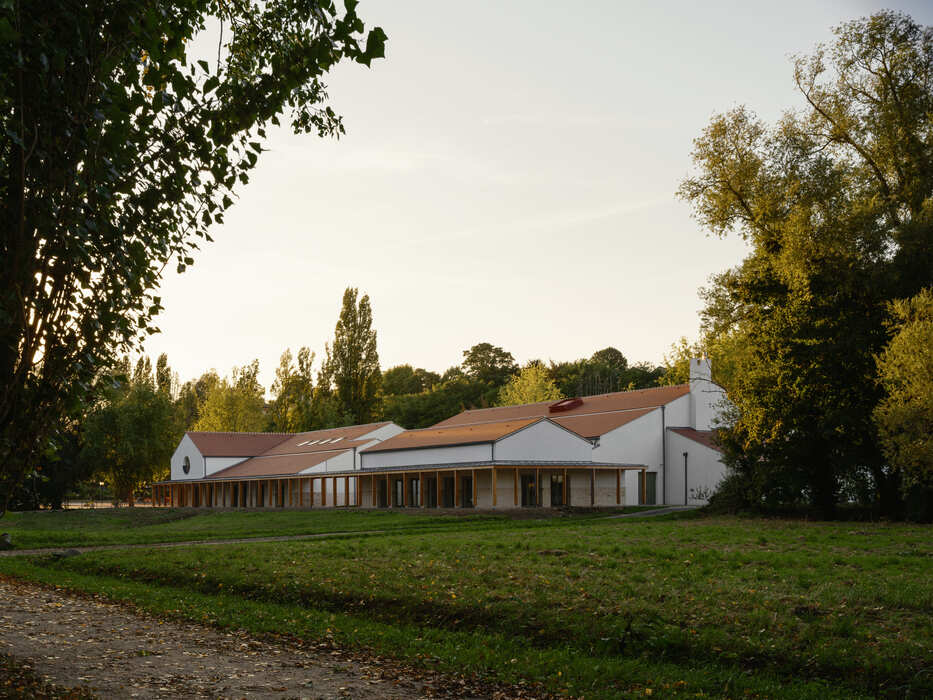
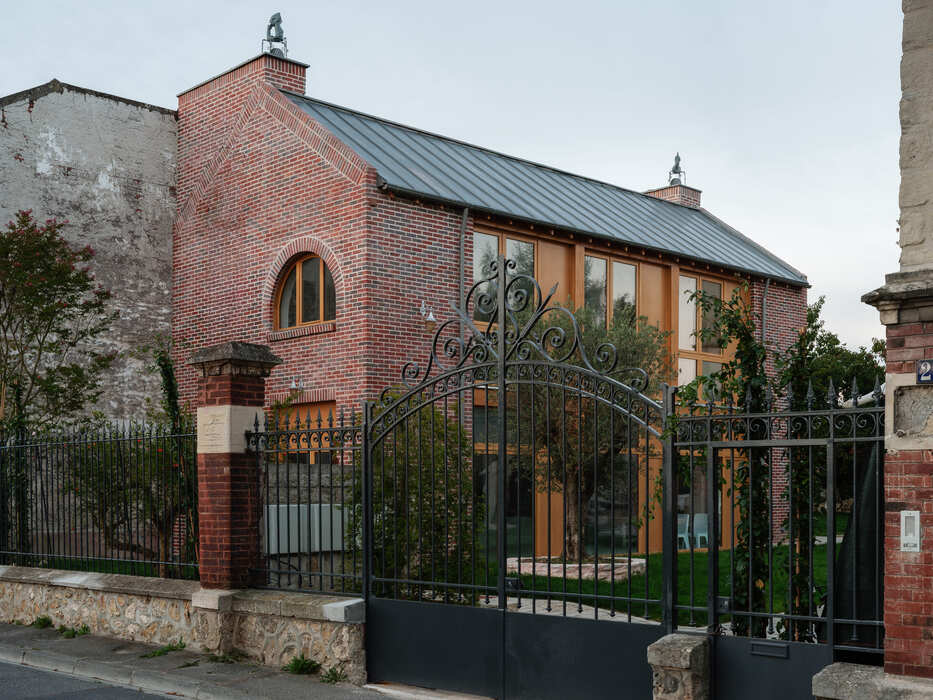
➡️ Maison de l’Isle, Auvers-sur-Oise. Ph. Giaime Meloni
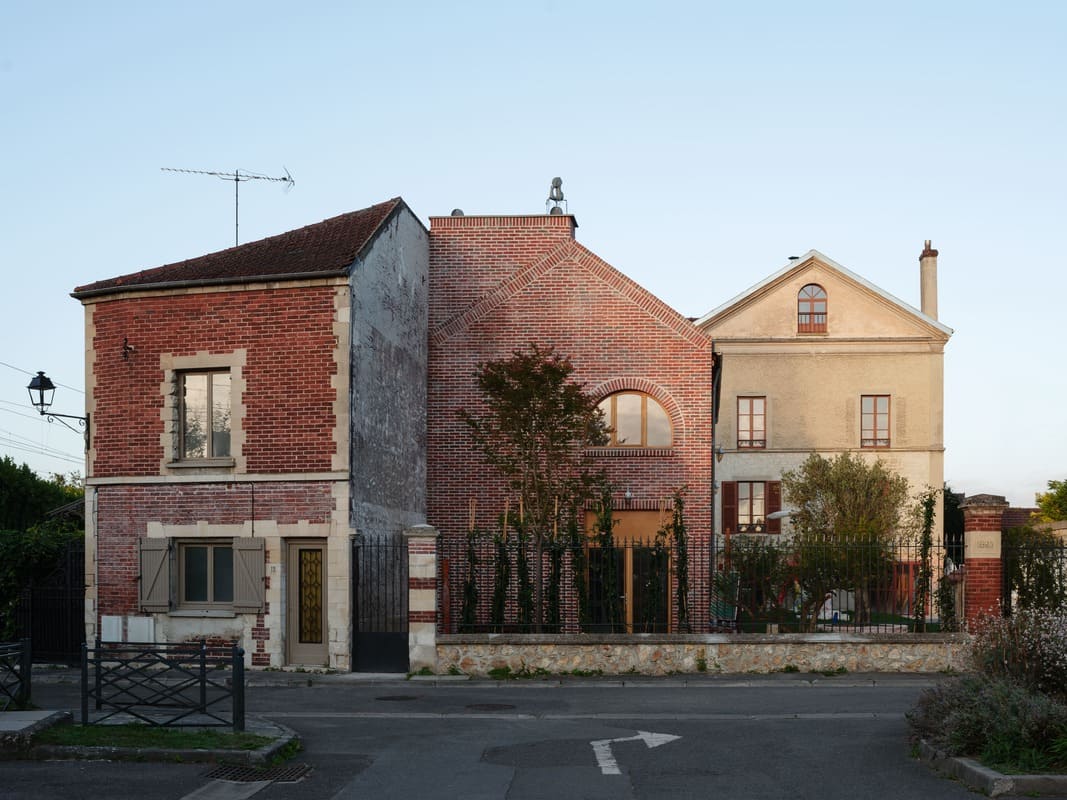
➡️ Co(e)ur commun(e), Viarmes. Ph. Alex Zynkar
➡️ Conversion of a manor into a collector’s gallery-residence, Auvers-sur-Oise. Ph. Giaime Meloni
➡️ Revitalisation of the Musée Blanche Hoschedé-Monet site, Vernon. Img. Oblò