Pierre-Arnaud Descôtes
Paris + Hautvillers

Composing Spaces, Revealing Landscapes
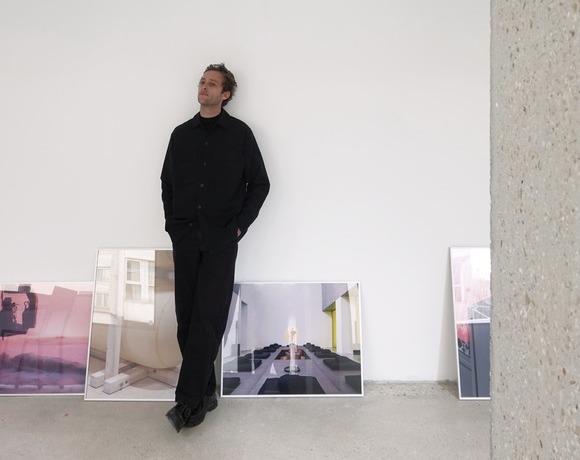
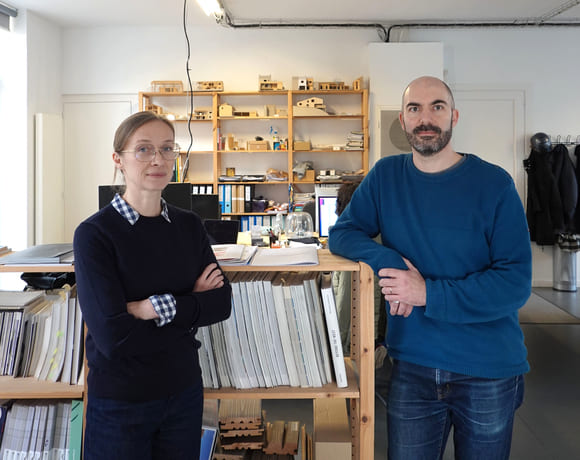
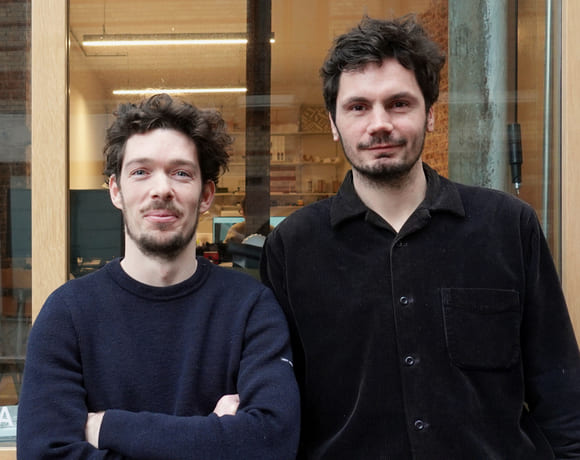
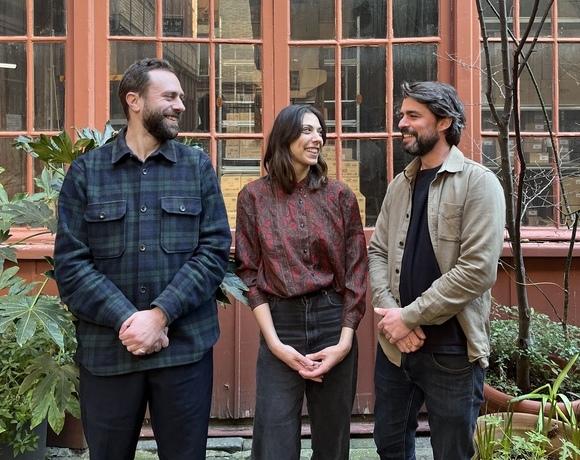
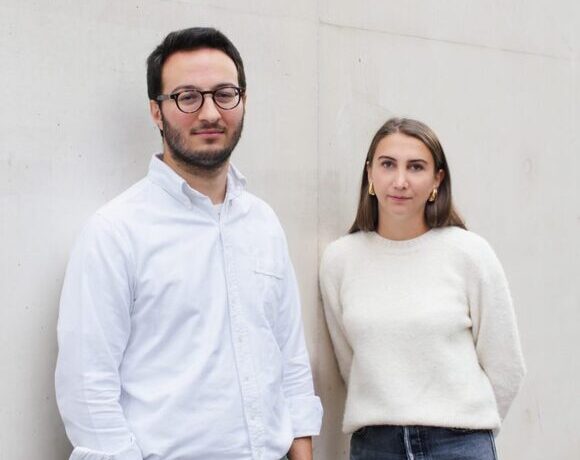
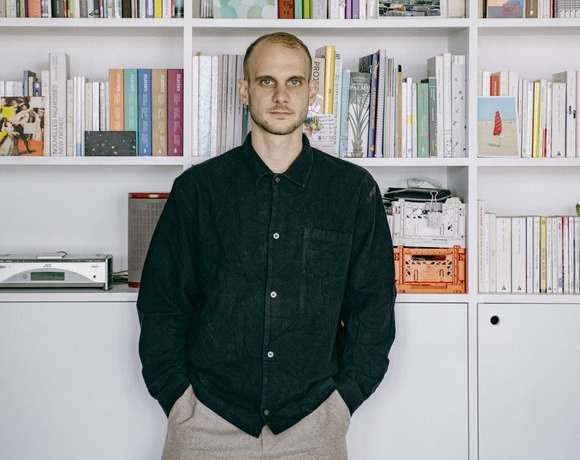
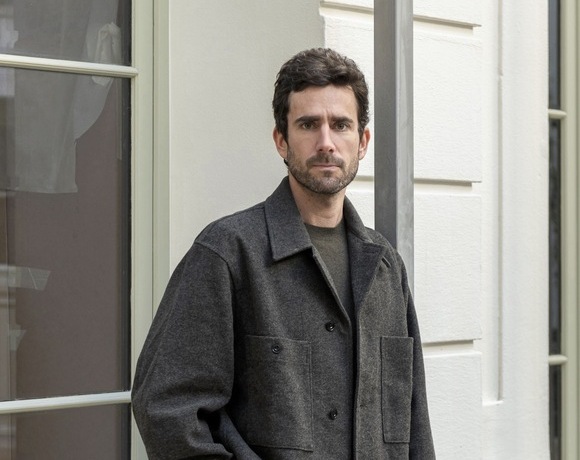
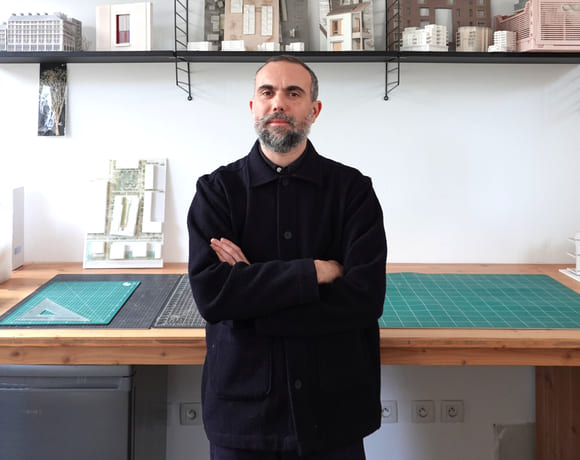
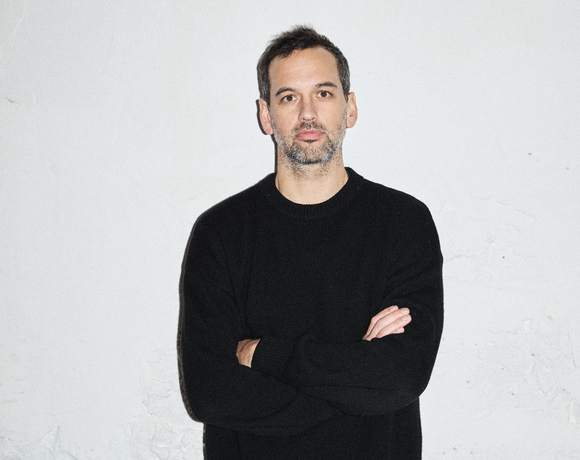
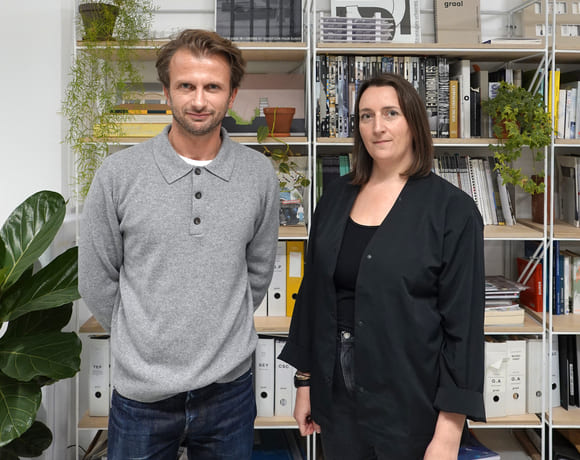
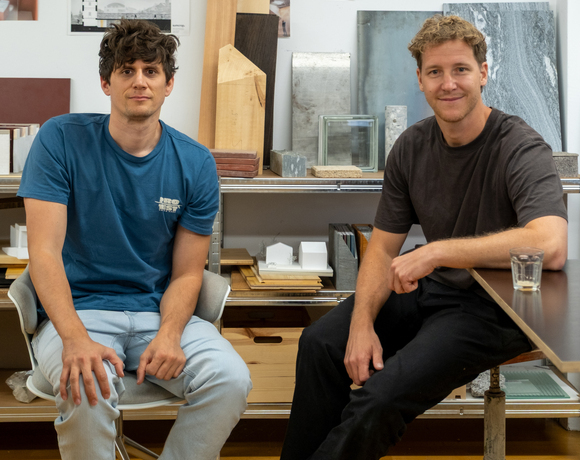
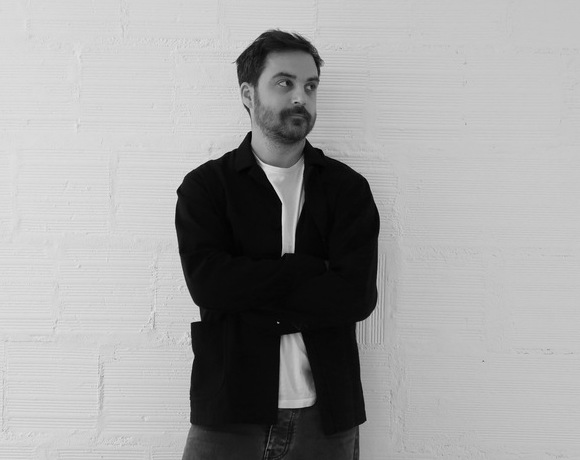
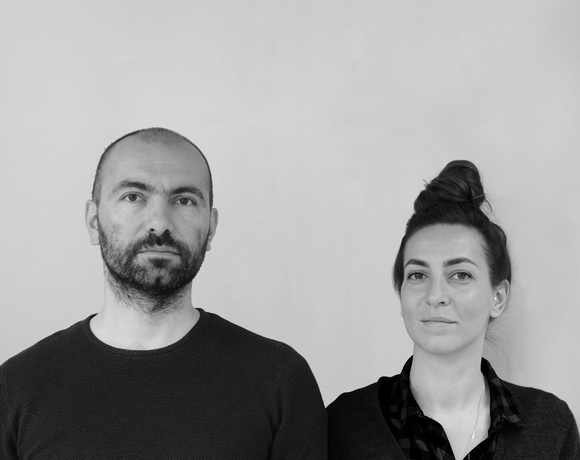
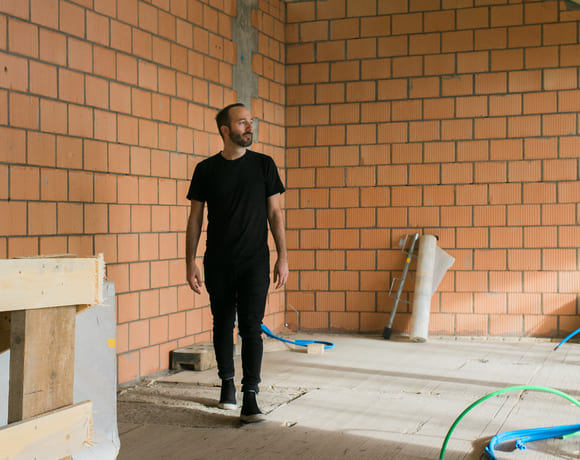
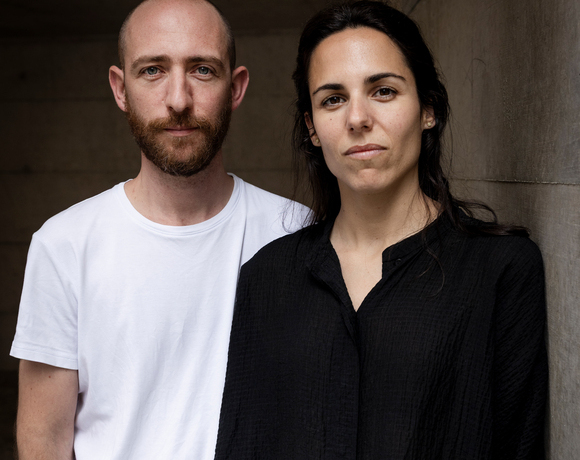
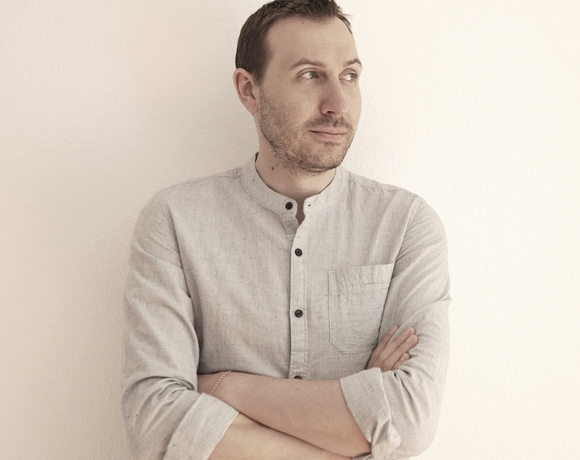
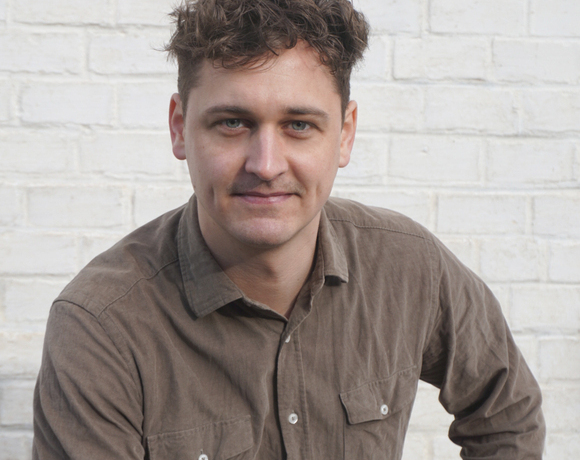
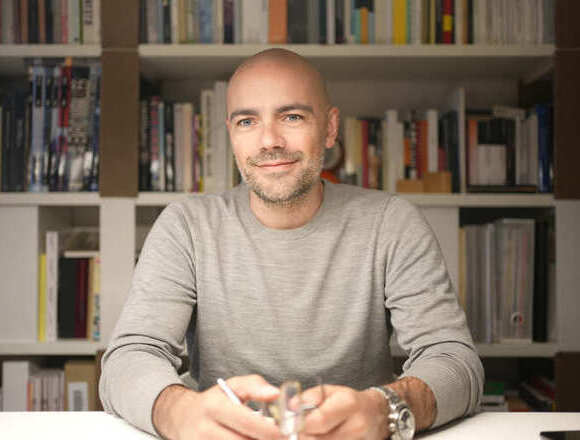
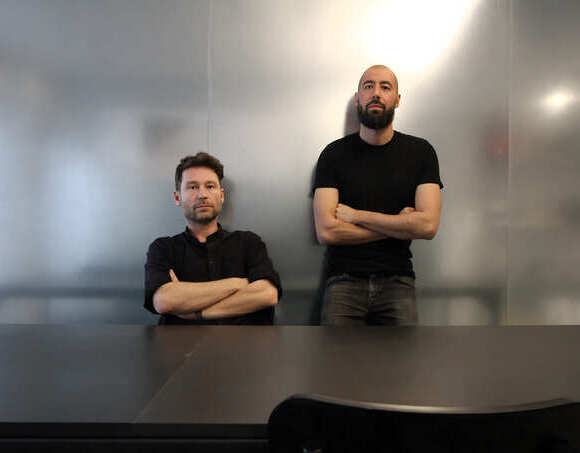
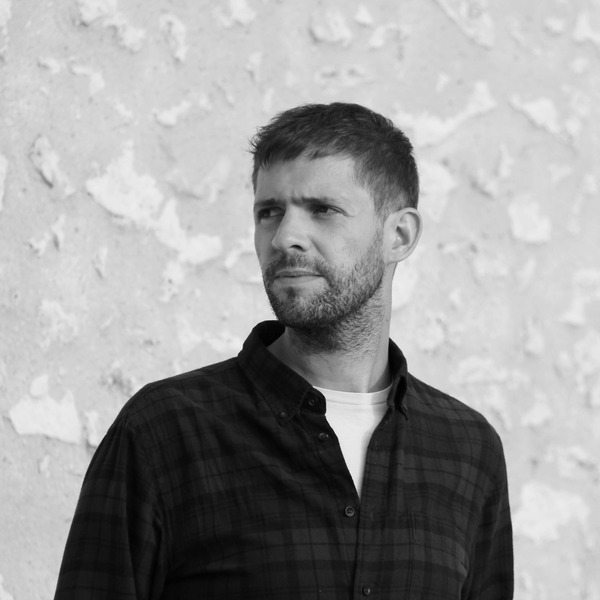
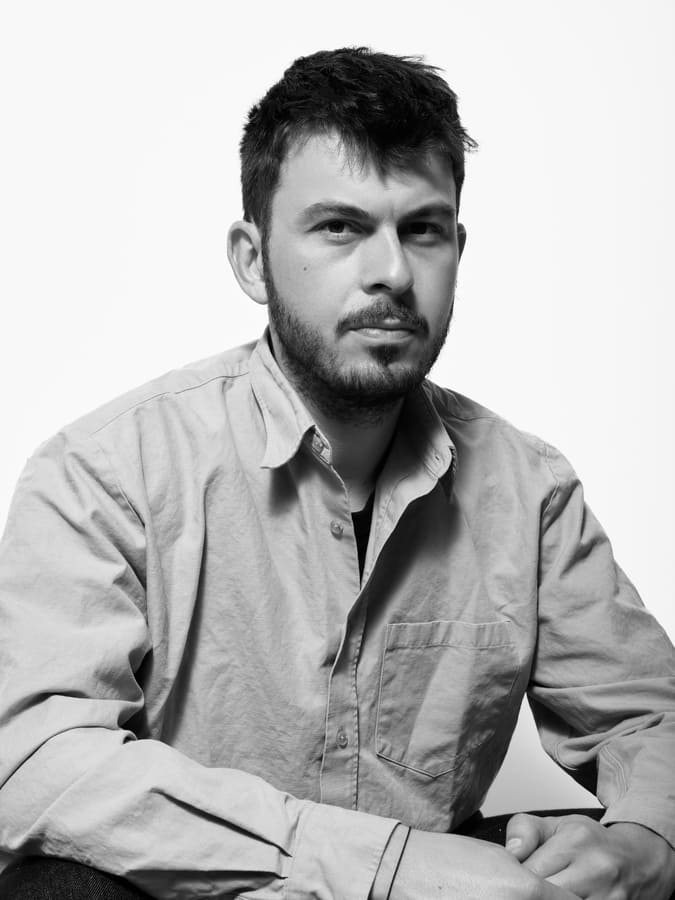
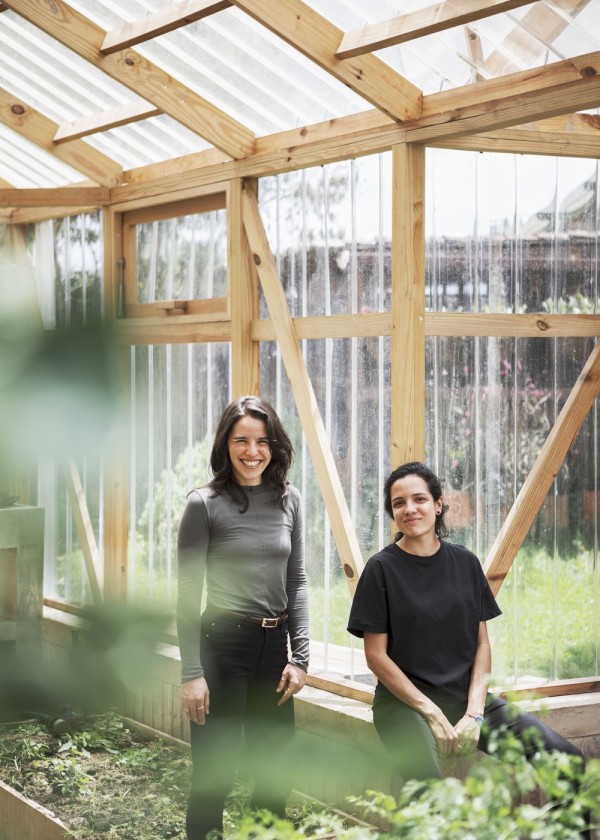
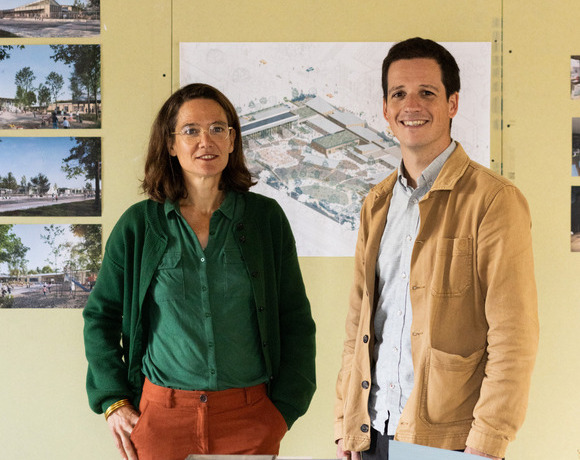
Pierre-Arnaud Descôtes is a French architect. He divides his time between Paris and Hautvillers, in the Champagne countryside. His practice weaves together architecture, landscape, interior design and craft, with a focus on transforming existing structures and working with natural materials and construction know-how. His projects seek balance and restraint, guided by light, simplicity and care for place — in an approach where matter becomes memory and time itself a material for design. He works across multiple scales, with the same attention to materials, to those who build, and to the living.

PAD: Pierre-Arnaud Descotes


Countryside calling

PAD: Emerging practices have always existed, but what has changed in recent decades is the widening gap between studios operating with smaller traditional structures and those focusing on more corporate practices. Now, many emerging practices come from smaller studios, often working on rural projects, and are less centralised to Paris. A lot of young architects are now interested in working on projects connected to the countryside, rehabilitations, and repurposing existing materials. This is different from 20 years ago, when the focus was mainly on new buildings and new construction. Now, there’s a shift toward refurbishing and repurposing, with more interest in working with what already exists. The dream of becoming an architect in a large firm in a big city has evolved. Today, many aspire to contribute to shared spaces by reusing materials and working with existing structures. This approach lies at the heart of the younger generation's agenda. Starting your own firm is easier with smaller-scale projects and a more rural setting, rather than in big cities. That’s why we’re seeing so many emerging practices in the countryside across France. Ten years ago, this wasn’t the case—it’s a changing phenomenon.

I personally like a mix, as I have one foot in the countryside and the other in Paris. The topics in the countryside are usually focused on refurbishing homes or transforming old farm structures into polyvalent spaces or community buildings. In Paris, the projects are often larger, more collaborative, and involve different scales. Originally from a small village in Champagne, eastern France, I am particularly sensitive to small-scale projects. I’m balancing smaller refurbishment projects with public competitions. I think these topics are complementary and are very interesting for newer practices like mine.


Tracing a personal route

PAD: I spent a year in Venice for my Erasmus, and it was the first time I realised how architecture can connect with so many other fields—arts and crafts, history, landscape, environment, nature, music, ways of living. Venice is a magical place where you can experience all these subjects. It had a strong impact on my formation. Furthermore, the Venice Architecture Biennale brings in a lot of art events, and there’s always something to study, visit, or see. Living there for a year was inspiring—it really made me decide to continue in architecture because it felt like it was tied to so many topics I’m passionate about. That’s when I understood that architecture can be whatever you want, depending on what you’re interested in. 

After that, I studied in Paris at La Villette for my diploma, then worked in small offices to get a sense of what architecture is like in practice. Later, I returned to school at École d'Architecture Marne-la-Vallée, Paris-Est, to complete a post-master’s program focused on architecture, public space and landscape, along with my professional certification allowing me to practice project management under my own name. After finishing my studies, I worked in Paris for a while and even moved to London to experience how architecture is practiced differently there. I worked at Duggan Morris Architects and, after that, I came back to France. While working at larger firms was interesting, I realised I wasn’t feeling the materials or the connection to the sites. I wanted to work more closely with the materiality of architecture, with builders, and get hands-on. This is why, in 2016, I decided to start my own practice. At first, it was tough because I didn’t know much, but I was eager to learn. While working on small refurbishment projects, I asked the construction teams to teach me. It wasn’t the most conventional approach, but in the countryside, I learned a great deal from the builders. I believe it's essential to collaborate with them early in the design process. For me, it's about combining the knowledge of both architects and builders to create the best possible outcome. 


Building from Memory

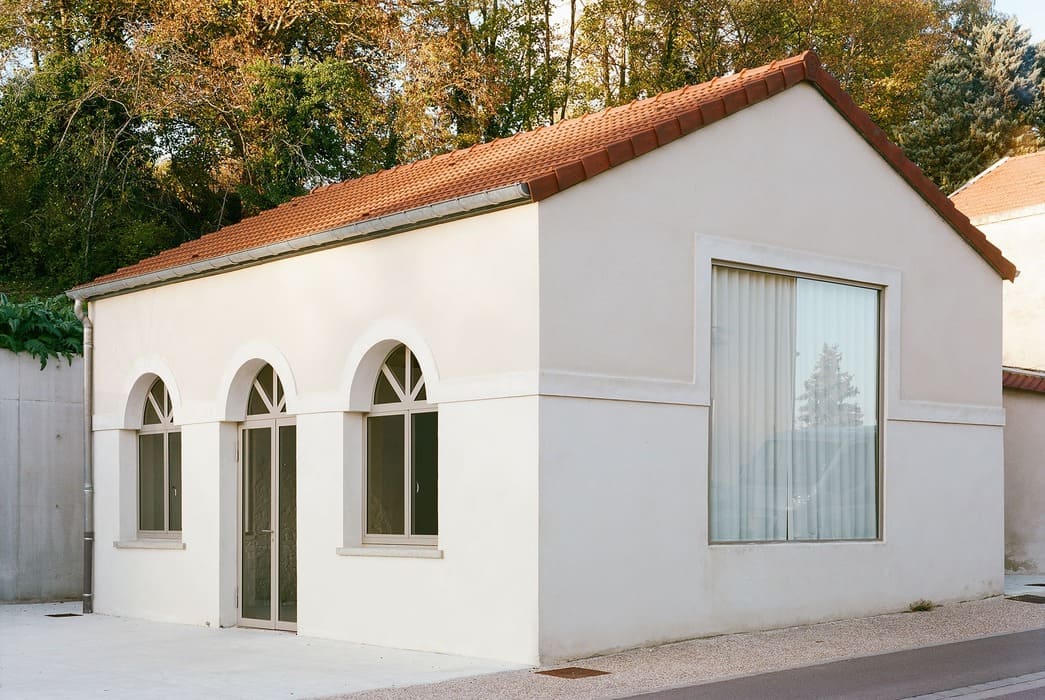
PAD: My first public project, Domaine Pierre Cheval Cultural Center, came through the mayor of my village in the Champagne area, where I grew up. He had known me since childhood and contacted me for advice. The municipality had purchased a plot of land with a ruined house and an old chapel but had no clear idea of how to use it. I worked alongside them to develop a proposal. After a year of studies, we decided to demolish the house that no longer exists to create space for the garden and public areas and transform the old chapel into a multipurpose community space. Then I developed the project with my friends Jean-Benoît Vetillard (architect) and Léa Muller (landscape architect). It was a significant project for me as it was my first public commission, and it was also a great experience in collaborative work. 

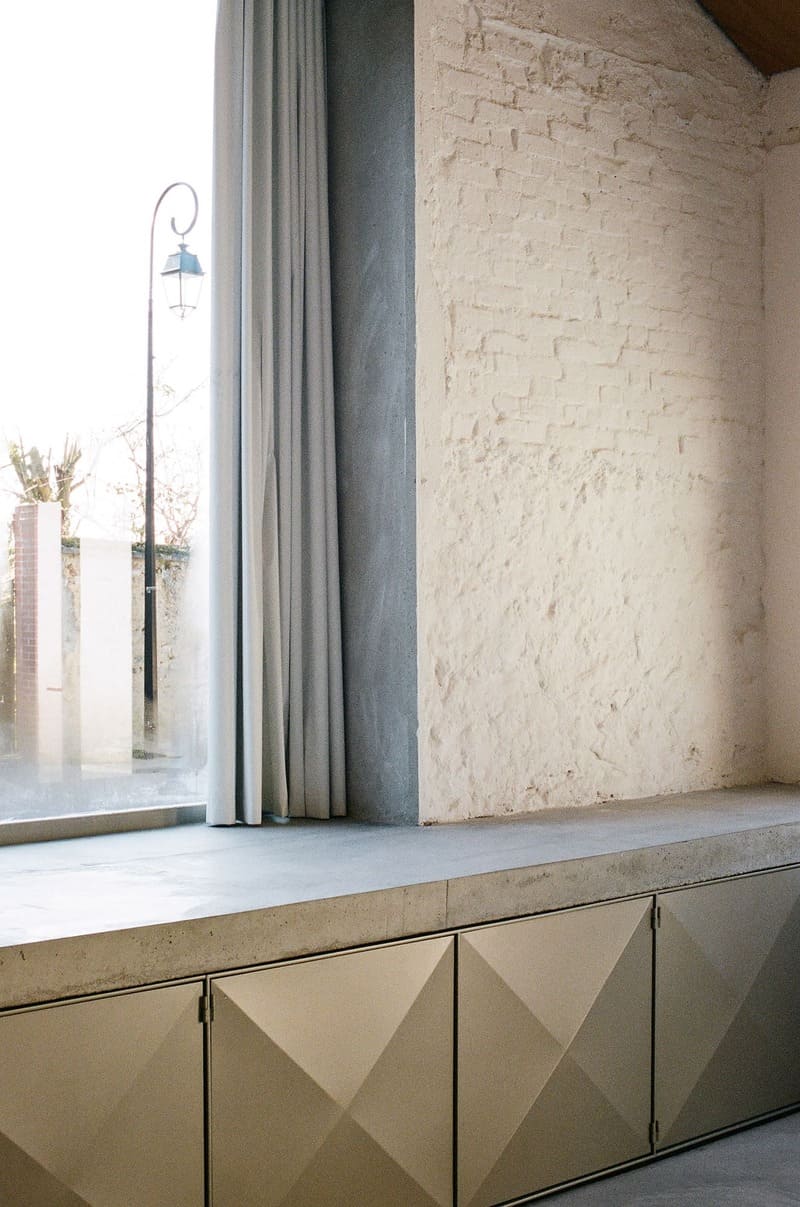
Drawing on the site's existing memory, our proposal aims to restore clarity and a structuring role to the elements already present, through a restrained intervention. The chapel regains its autonomy, with discreet extensions set back from the original volume. These additions open up new possibilities of use: exhibition space, banquet hall, kitchen, storage, sanitary facilities, and a winter garden. The existing cellar has been rehabilitated, with its new floor extended towards the square to create a continuity between interior and exterior. The edge of the square is redefined by a series of concrete benches, marking its boundary, guiding visitors into the heart of the site, and framing views of the entire composition.

For us, these modest interventions are an opportunity to enrich and enhance the village over time. This focus on careful, understated design—ordinary yet rigorous, and generous in the long term—has shaped our entire approach to the project. I really enjoyed the collaborative approach, and it reinforced my desire to work this way—sharing the process with others who have similar interests and from whom I can learn. I was younger at the time—we completed the project in 2019, and it marked the beginning of my practice. That’s also why I felt it was better to involve others rather than work alone. In fact, after that experience, I continued collaborating with friends, and we eventually shared the same space in Paris. 

Then came the pandemic, which halted a lot of projects for a while. It was a time of pause, where I had to go back to working for other studios as a freelancer. From 2022 to 2024, I was notably commissioned by ChartierDalix Office in Paris to help them with the research and development of their Interior & Design department. This insightful experience allowed me to deepen my approach to architecture through interior design, applied to large-scale projects. During this time, I had the opportunity to work on several major rehabilitation projects in Paris and around, focusing on the transformation of industrial and heritage spaces into cultural venues, housing, and office facilities. These projects required adapting existing structures while preserving their architectural character, allowing me to strengthen my expertise in adaptive reuse and large-scale renovation.


Crafting architecture from the existing

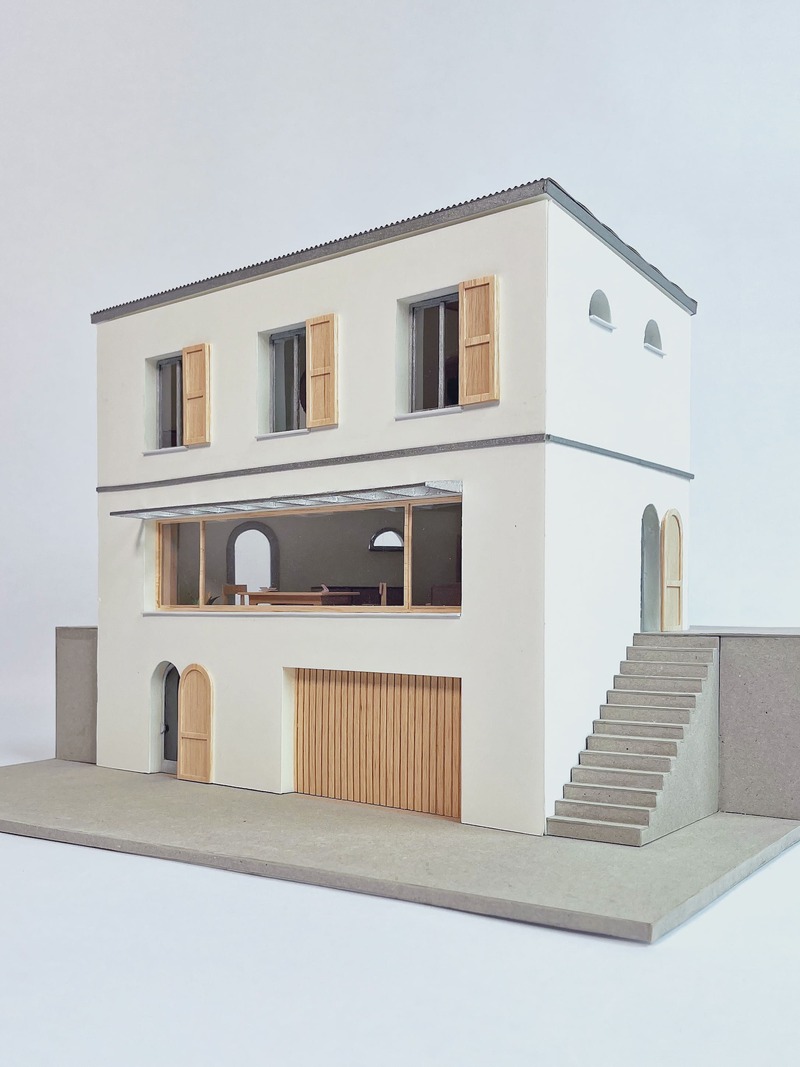
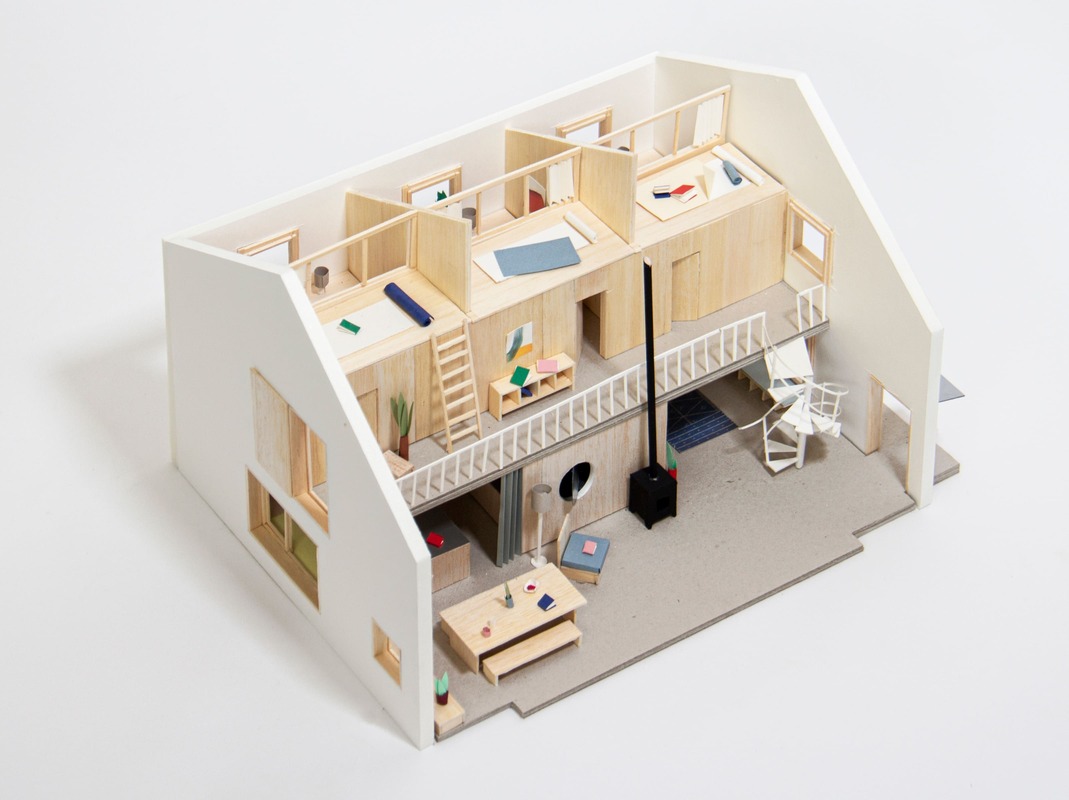
PAD: Right now, I have ongoing projects both in Paris and the countryside, in the Champagne region. One of these is a refurbishment project called (extra)ordinaire, a family house in the vineyard. Sometimes it stalls, sometimes it progresses. That’s why I find it important to work with models—they reveal so much about space and the sensibility of architecture, while also helping to keep the process open. (extra)ordinaire is a mix of old and new. Our proposal retains the base of the existing house while modifying the upper part. Each room is designed to connect with the surrounding landscape, with a strong focus on views and context. It’s a project for a family, and I’m excited to see it come to life.

In Champagne, I also have other refurbishment projects underway. La Maison d’André is an extension of an old viticulture farm building, which recently received the building permit. The project involves converting a former winegrower’s outbuilding into a reception and tasting space that opens onto the sweeping vineyard landscape. Upstairs, two guest rooms and a small spa are designed to accommodate visitors coming to explore the region and tour the Champagne estates. The building is scheduled for completion in early 2026.

Maison Gilles is the restructuring and refurbishment of an old winegrower’s house, which started at the beginning of 2025. These three projects share themes that are particularly important to me: an environmentally conscious design approach using bio-based materials; a sober and frugal form of rehabilitation, working with what already exists; introducing vegetation and creating breathable spaces; designing flexible, multipurpose buildings that can adapt to future needs and evolving uses. Above all, I aim to create timeless, enduring architecture—buildings capable of standing the test of time.

These are smaller-scale projects, but very technical because they involve working with existing structures. It’s a lengthy process, with a lot of studies to ensure everything works with the foundations and structures. Despite their smaller size, they are very detailed and require a high level of technical involvement. This type of technical focus is a key aspect of emerging architecture practices. For me, it’s really important to involve companies and craftsmen as early as possible in the process, especially when you have your first sketches. It helps secure the project and minimise risks. I want to understand how things will be built and work with the companies on the details—like how they’ll create windows or execute specific elements. I prefer to have these conversations early on, so everyone is aligned from the start. A few years ago, it was more common to finalise everything before presenting it to the contractors. But today, especially when working with existing structures, you need to stay flexible and approach the process as a kind of ping-pong with the construction teams—continuing to design and refine details throughout the building phase. I believe the process should remain open and evolve until the project is complete.

Today, I see construction as a space for innovation, and rehabilitation as a meaningful response to the challenges of tomorrow. Restoring what already exists means embracing ecological transition, pursuing practical solutions for energy efficiency, and breathing new life into materials that carry their own stories. I try to ensure that my work is guided by respect—for resources, for life, and for the landscape—within a holistic and thoughtful approach. Each action is an opportunity to seek precision and care, in a continuous pursuit of balance and harmony. I believe in projects that unite, that draw strength from traditional craftsmanship, and that rely on the sincere commitment of those working together in an atmosphere of trust and mutual respect. For me, the culture of building well is not optional—it’s an essential value, inseparable from the quality of life we create.


Composing spaces, revealing landscapes

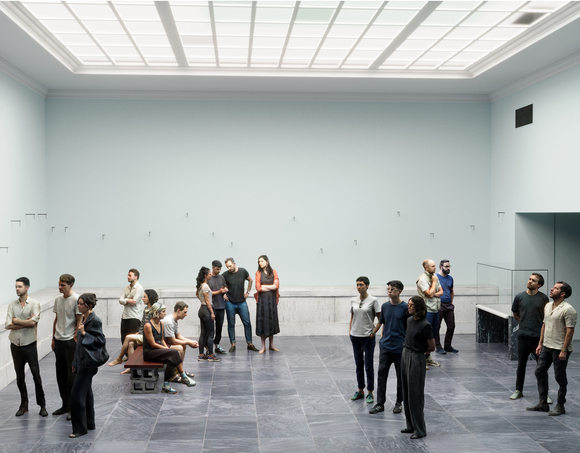
PAD: In 2023 I was invited by Barrault Pressacco to take part in an exhibition at La Cité d'Architecture, focused on the theme of the form of reuse. Forty young architects were asked to explore and illustrate ideas around this subject. It was both a creative exercise and a chance to reflect on key issues like material reuse. For my proposal, I designed a shade structure for a permaculture garden, using reused giant curved Coca-Cola glass. I was interested in the contrast between an industrial, mass-produced material and a more organic, sustainable context. The shape of the structure was directly inspired by the curve of the glass itself. It was also fascinating to see how other participants responded to the theme. This experience reinforced how much I value collective and experimental work—whether through exhibitions, drawings, or model-making—and I’m eager to continue exploring these collaborative formats in the future.

In the context of emerging architecture in France, many young architects are turning towards the use of raw, vernacular materials—stone, earth, wood—seeking a more grounded and essential approach to building. This attitude resonates with the philosophy of Arte Povera, which I’m particularly drawn to: building with minimal means and cultivating subtle, almost silent architectural gestures. I believe these approaches reflect a deeper shift towards working with what already exists, embracing reuse, local resources, and the poetry of everyday life. For me, architecture today is less about creating objects than about composing spaces—placing elements in relation to one another to create atmospheres that speak quietly, yet powerfully, to their surroundings.

This way of thinking is closely tied to my interest in landscape and forms of understated intervention. I often look to artists and designers such as Gio Ponti, Mario Merz, Luigi Ghirri, Charlotte Perriand, or Constantin Brancusi. Despite their different disciplines and eras, they are united by a search for the essential and the poetry of everyday life, through a humanist approach—a way of engaging with the landscape as a space to inhabit or reveal, and a certain sobriety within the creative gesture. Their work helps me think of architecture not as the production of objects, but as the composition of situations—spaces where something subtle can take place. In the same way, one of the most meaningful artistic experiences I’ve had was at Dia Beacon in New York, where I discovered works by Arte Povera artists such as Donald Judd, alongside Richard Serra’s Land Art installations at the Storm King Art Center. The minimal, monumental presence of those sculptures in the landscape left a lasting impression on me. I’ve felt a similar resonance walking through the landscapes shaped by Frederick Law Olmsted in New York’s parks, or in the gardens designed by Gilles Clément in the south of France. These are places where art, nature, and landscape merge into spaces that feel both simple and profound—spaces that speak to a sensitivity I try to cultivate in my own work.

Finally, music is an essential art form for me—a constant source of inspiration that accompanies my design work every day. As a musician, I see strong connections with architecture: the pursuit of the essential, the economy of means, the idea that a simple composition can evoke deep emotion. Whether it’s a shoegaze rock track, a few sparse jazz piano notes, or a minimalist techno set, music inspires me through its ability to create space, to leave room for silence, for breathing. For me, music and architecture are guided by the same principles. This is the spirit I try to bring into my architectural projects—designing spaces that are open, understated, and flexible, but above all, conceived as gestures of generosity and quiet attention within the creative act itself.

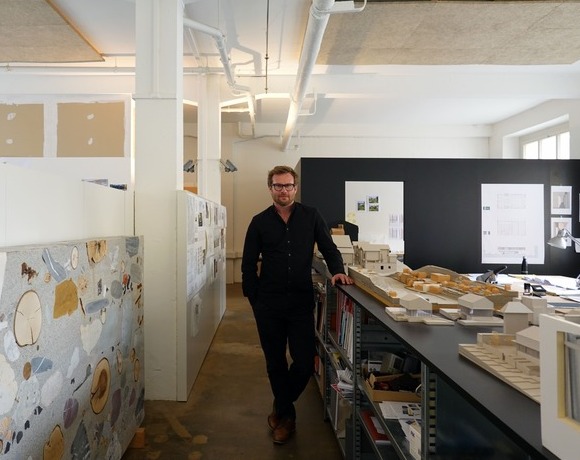
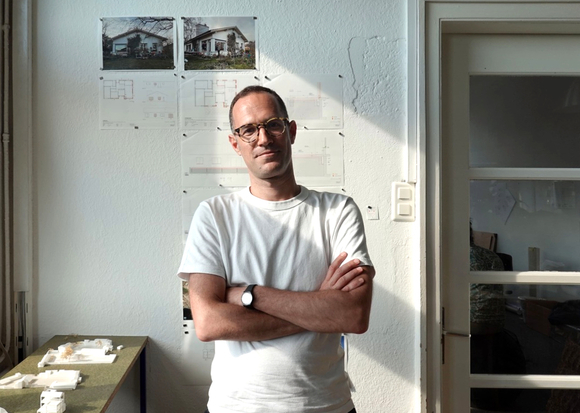
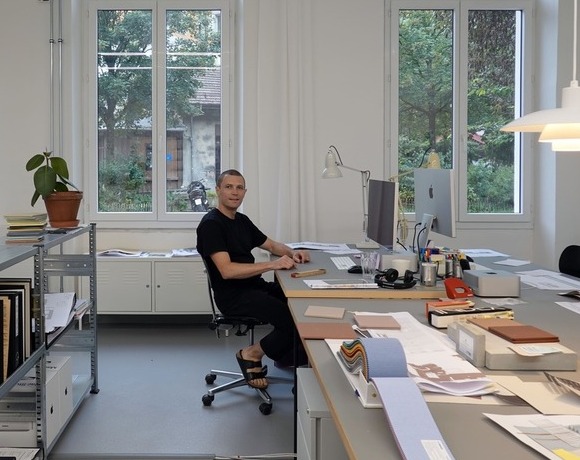
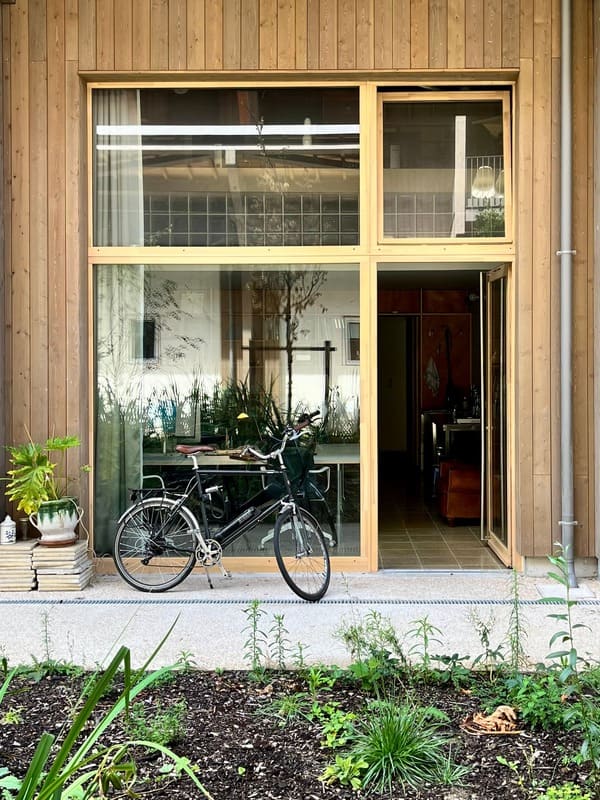
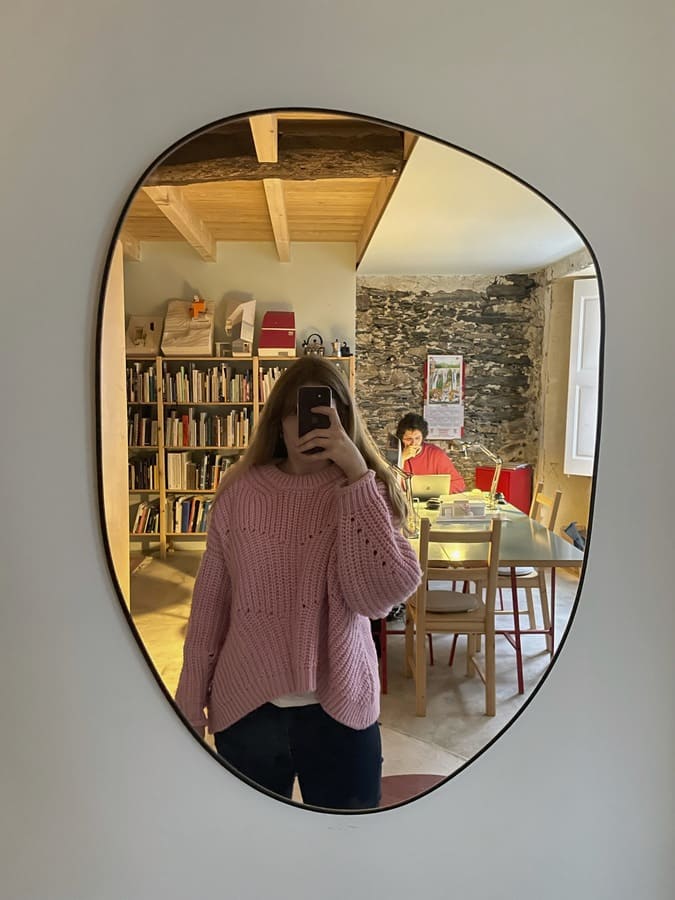
01. Portrait temporary document ➡️ Pierre-Arnaud Descôtes. Ph. Courtesy of Pierre-Arnaud Descôtes02. Work and research studio in Montreuil ➡️ Work and research studio, Montreuil, Paris. Ph. Courtesy of Pierre-Arnaud Descôtes04. Domaine Pierre Cheval ➡️ Domaine Pierre Cheval, Hautvillers. Ph. Giaime Meloni05. Domaine Pierre Cheval ➡️ Domaine Pierre Cheval, Hautvillers. Ph. Giaime Meloni06. La Maison dAndre ➡️ La Maison d’André, Haurtvillers. Ph. Pierre-Arnaud Descôtes10. extraordinaire ➡️ (extra)ordinaire: Restructuring and renovation of a family house, Oeuilly. Ph. Pierre-Arnaud Descôtes


a project powered by Itinerant Office

subscribe to our newsletter

follow us