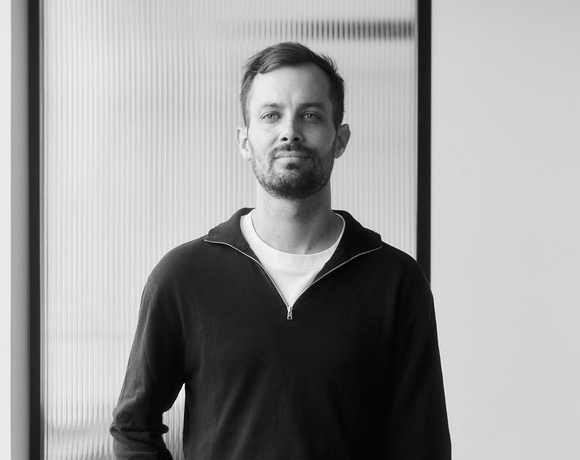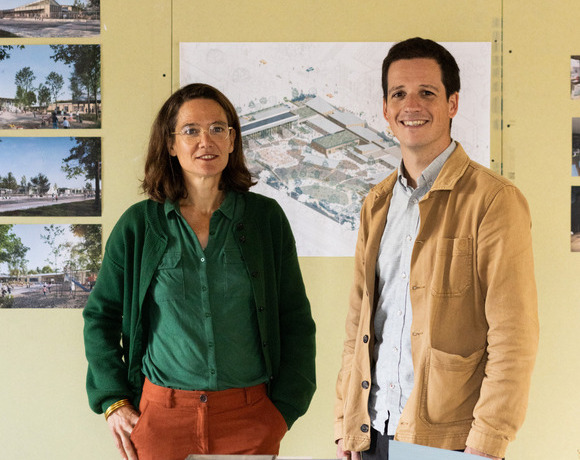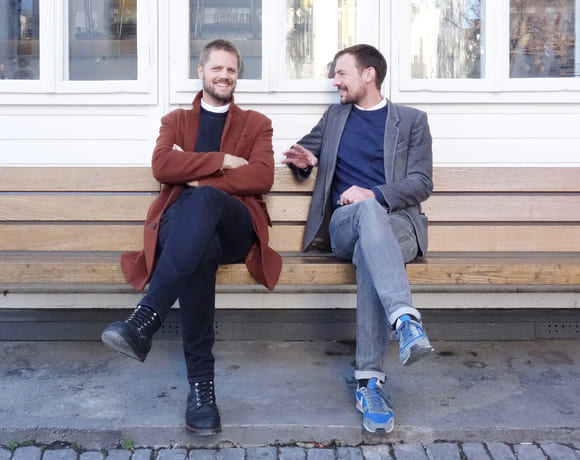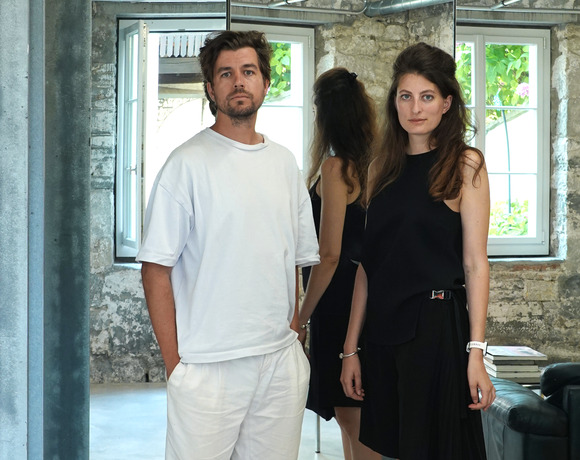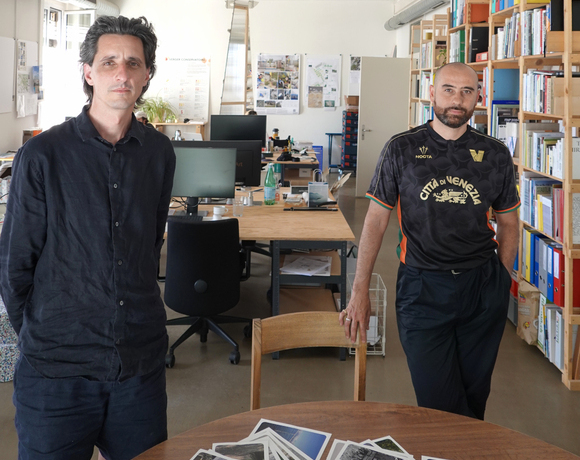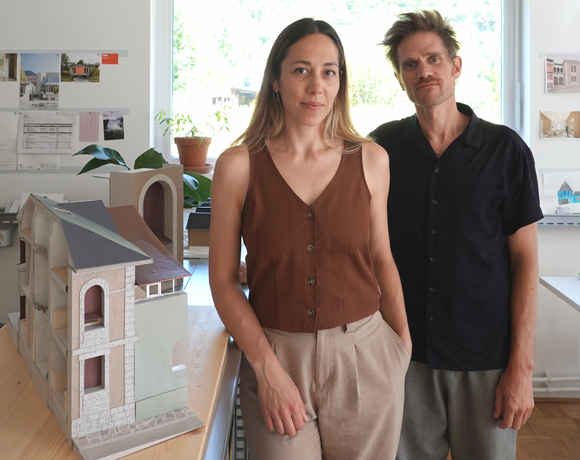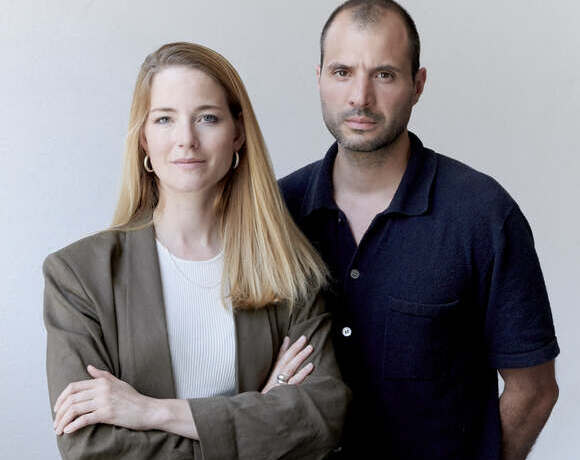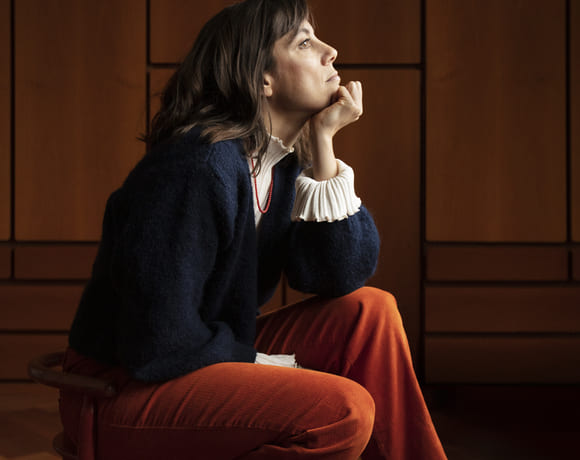
Le Studio Sanna Baldé
Paris

Bodies and Communities, First

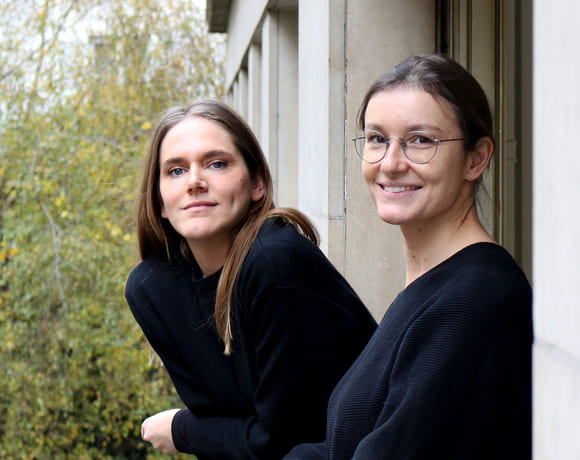
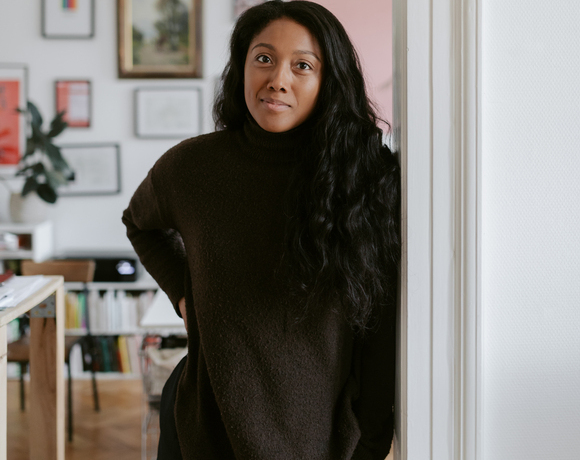
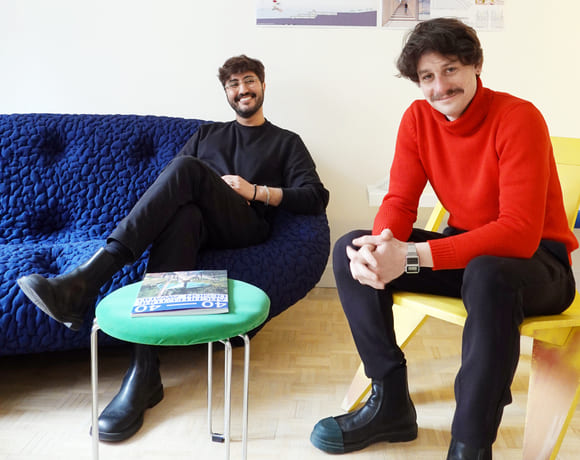
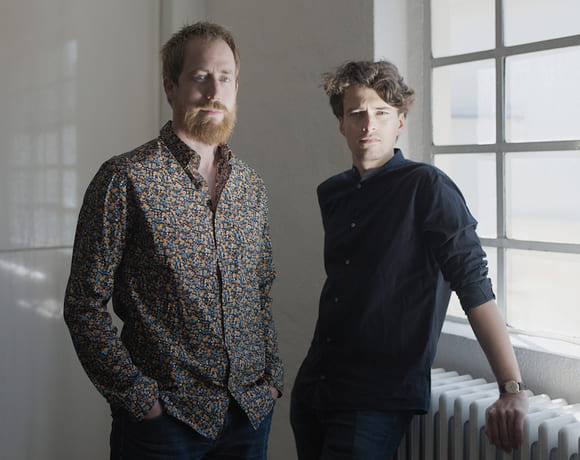
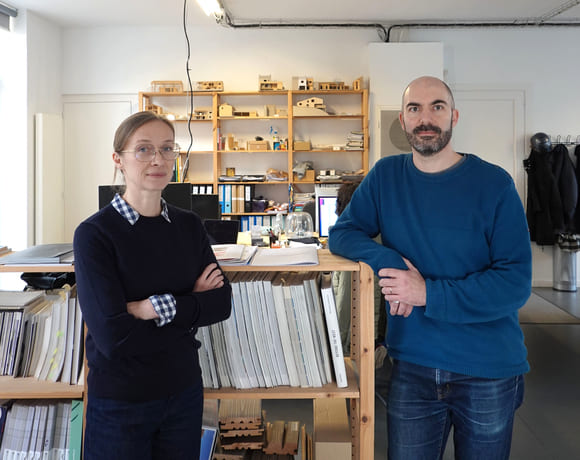
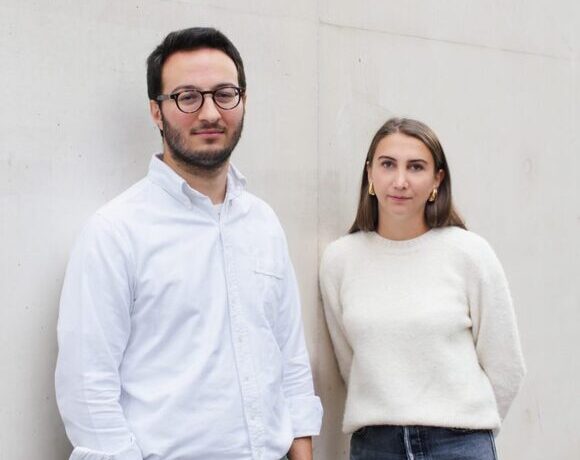
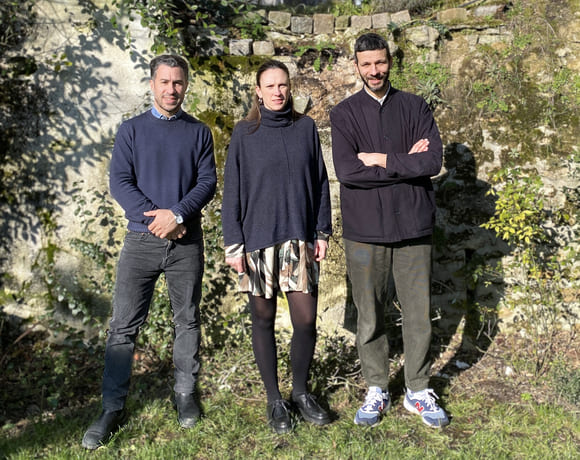
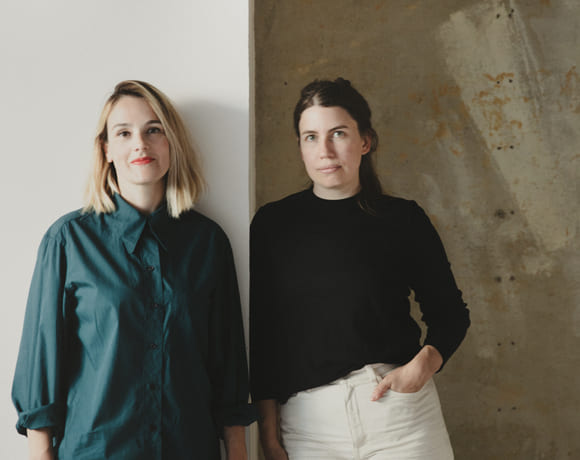
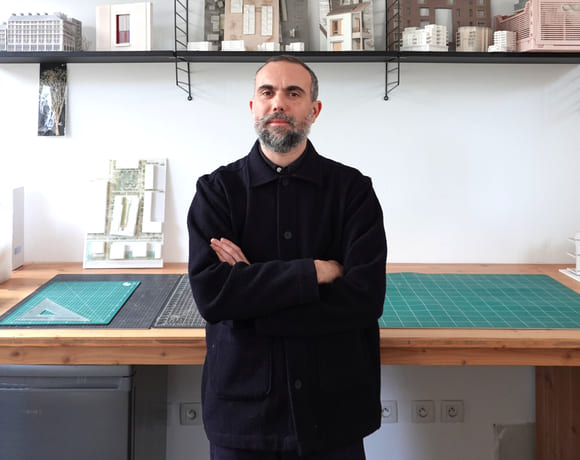
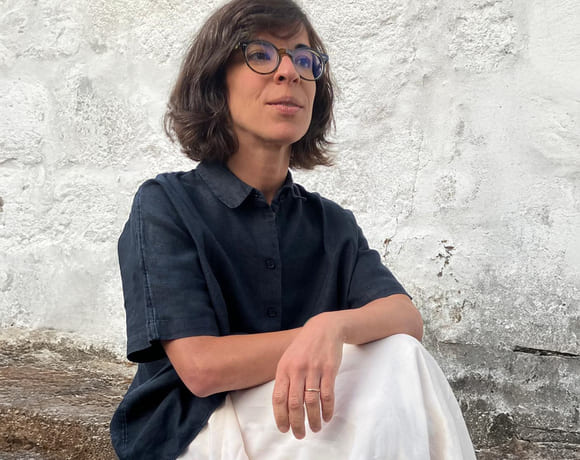
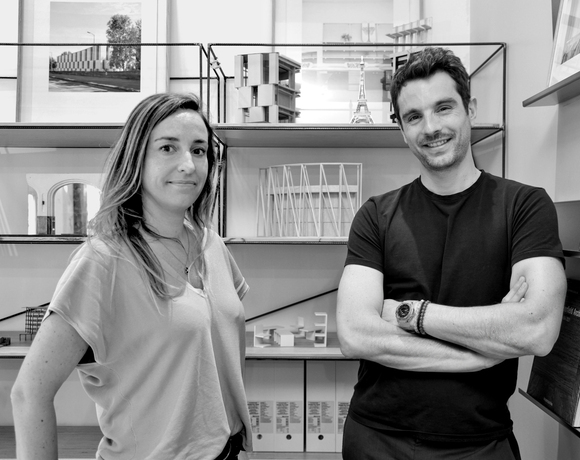
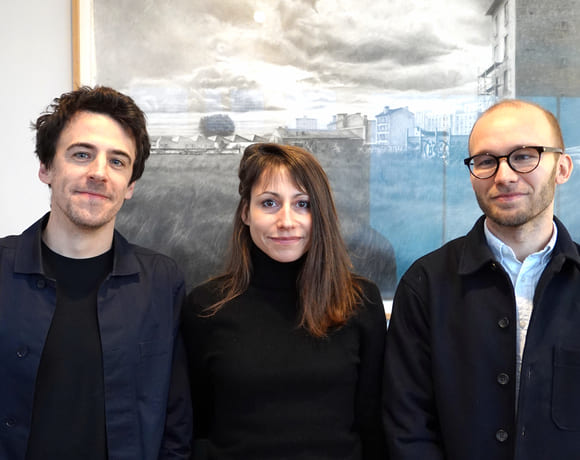
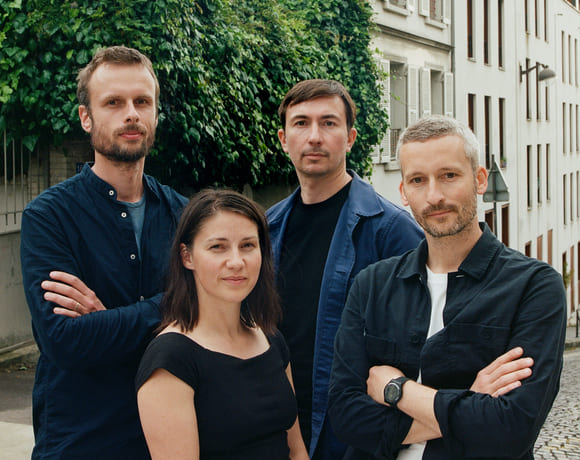
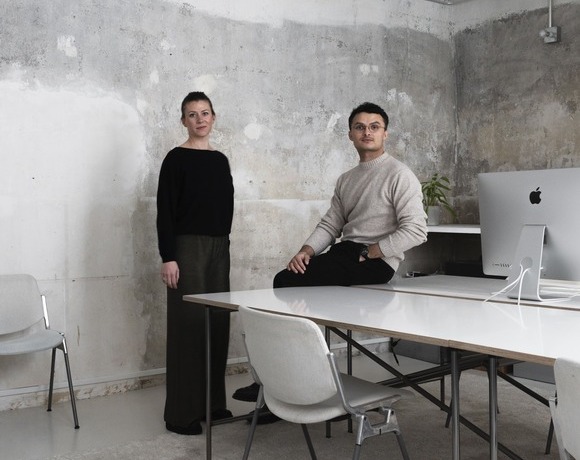
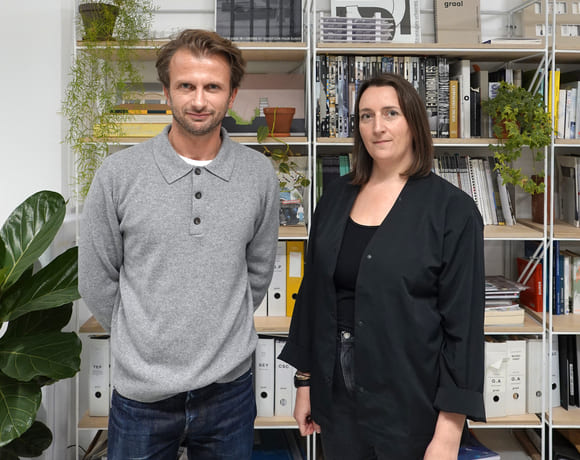
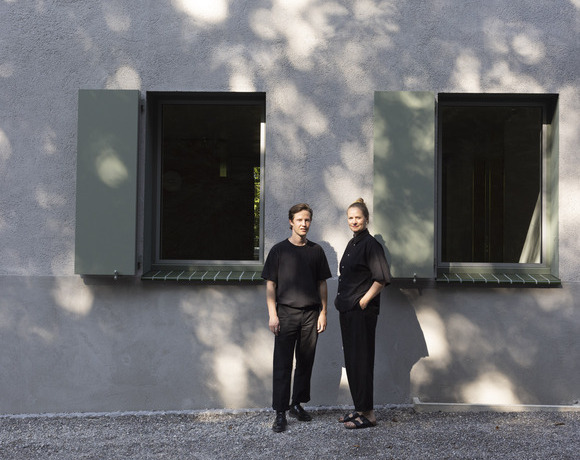
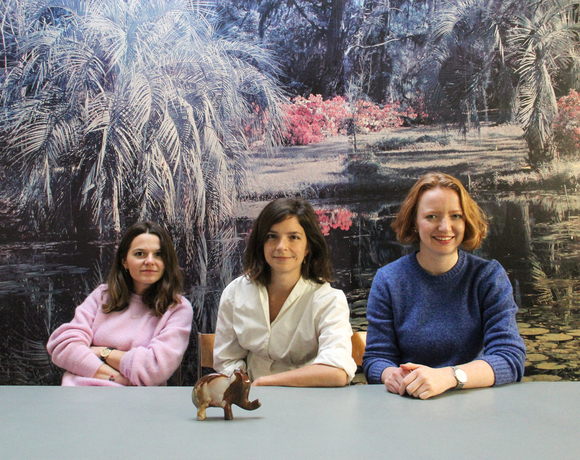
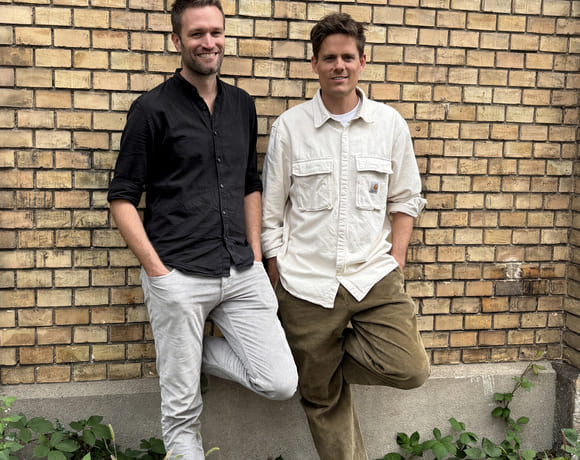
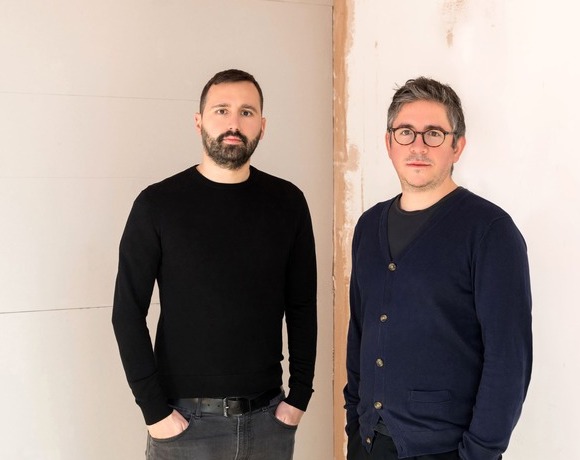
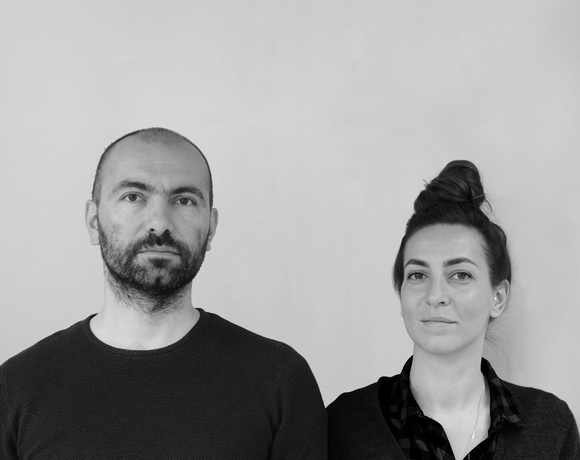
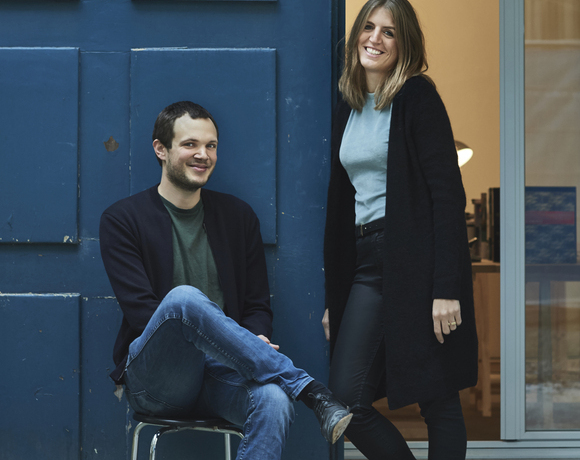
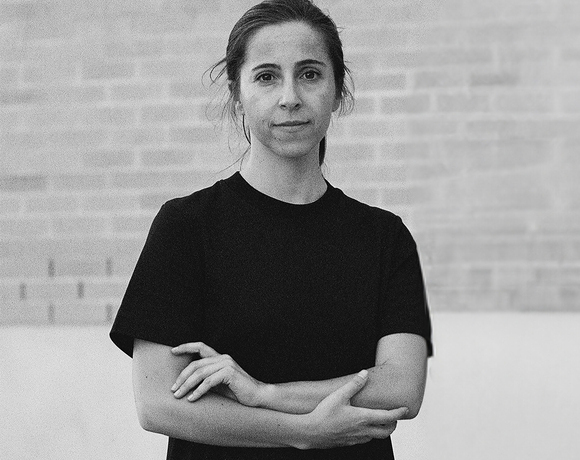
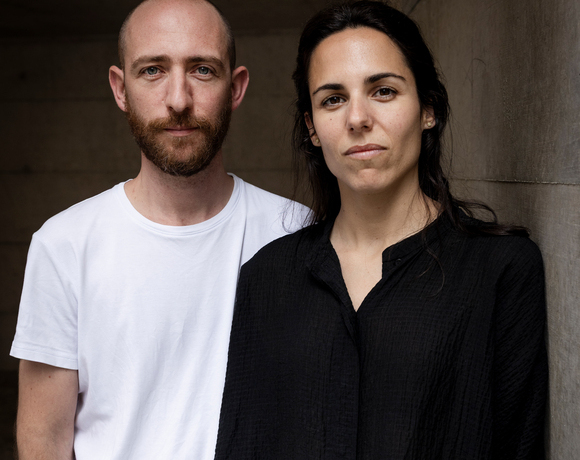
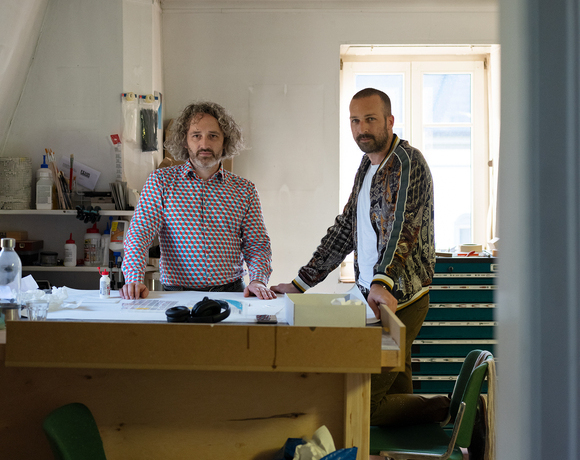
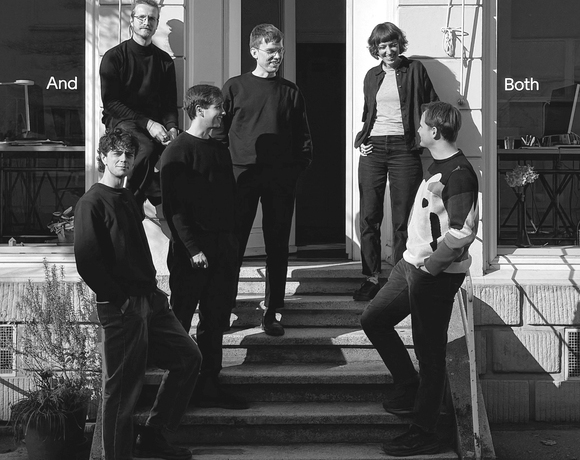
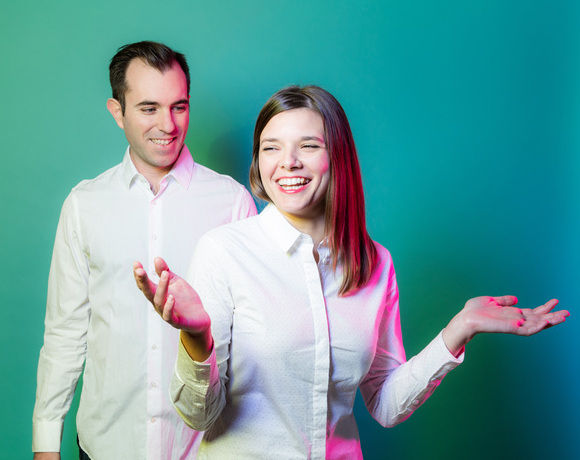
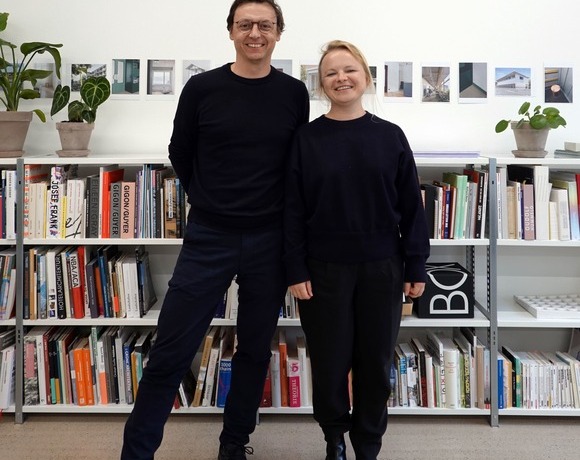
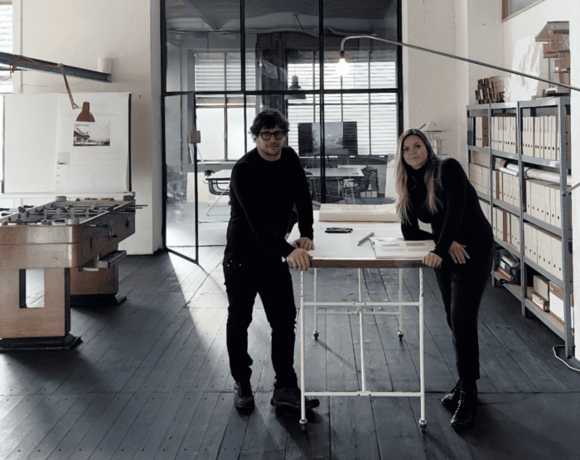
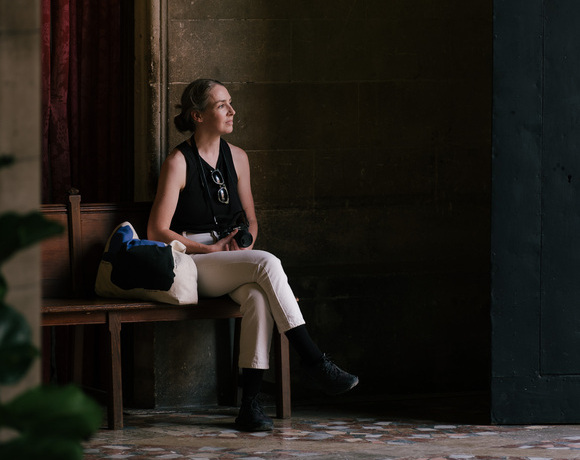
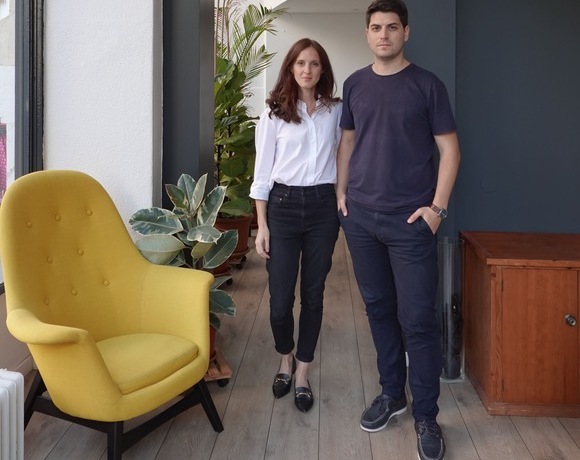
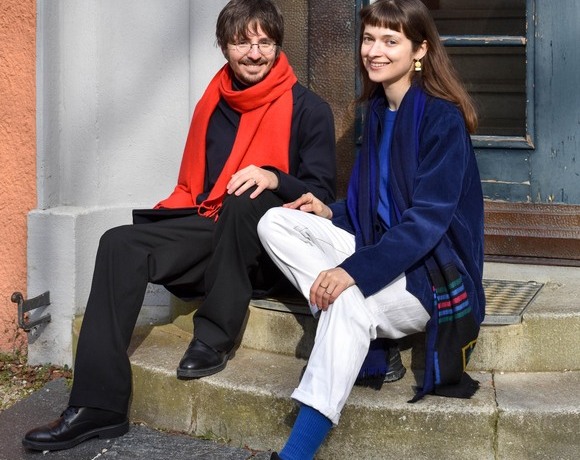
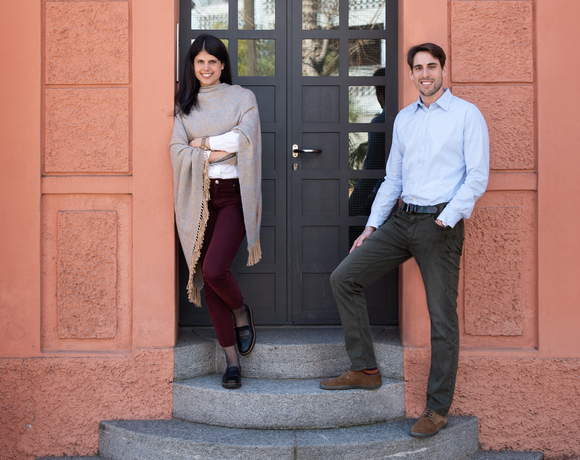
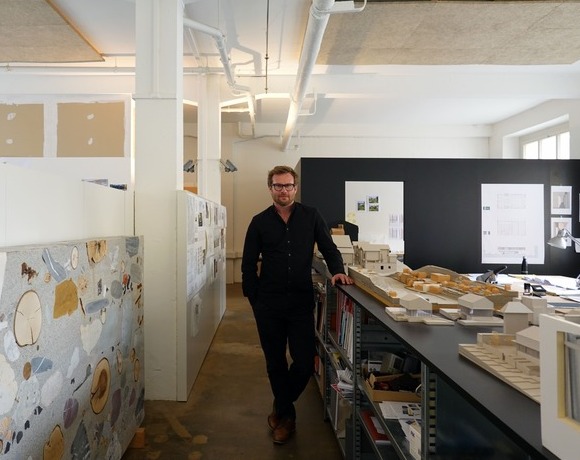
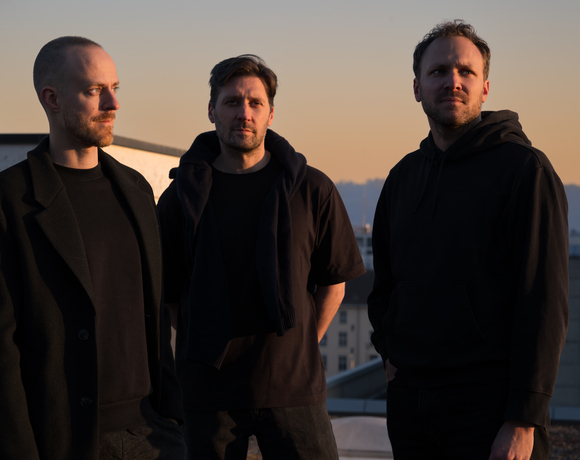
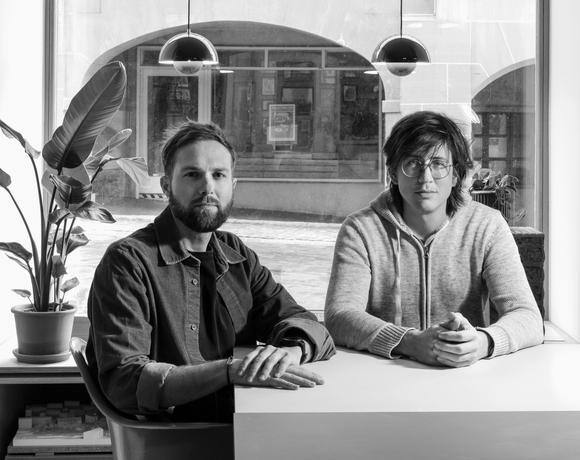
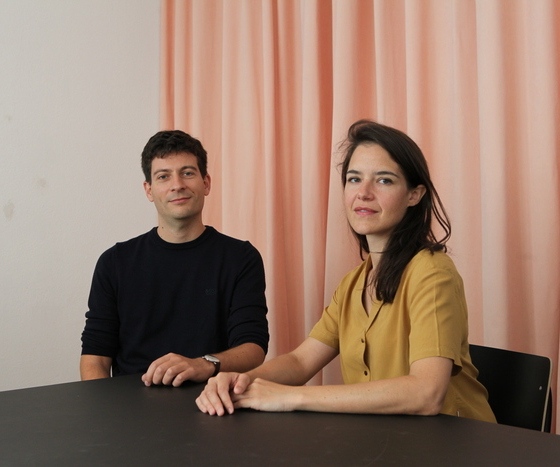
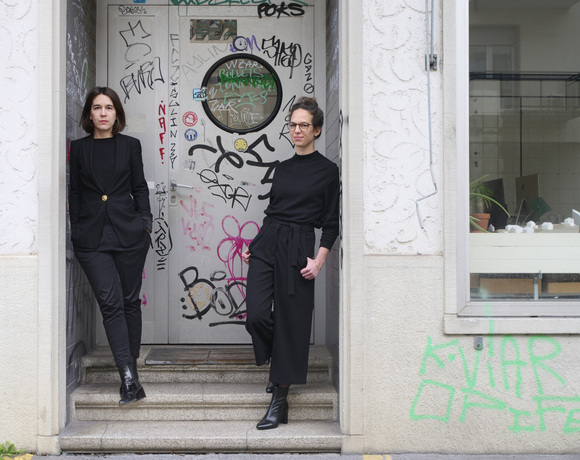
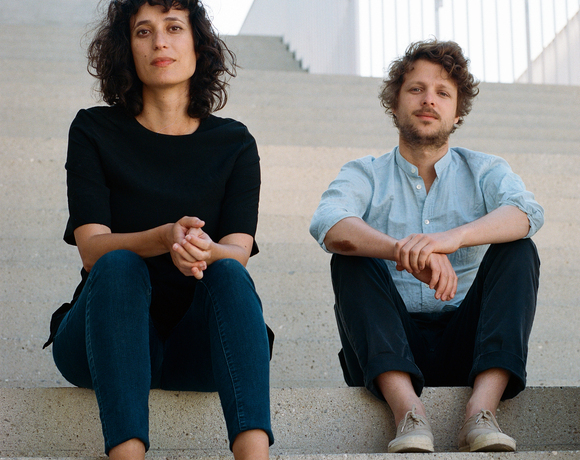
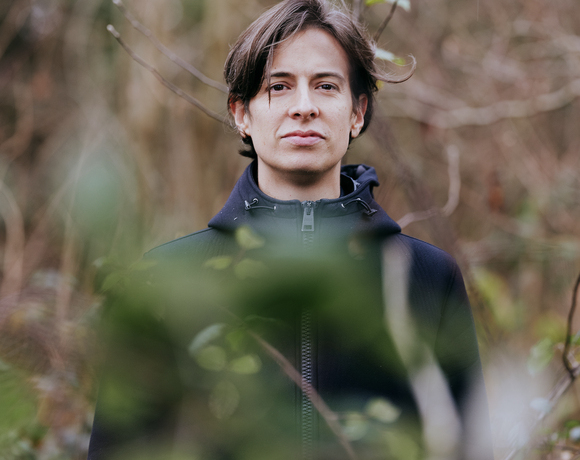
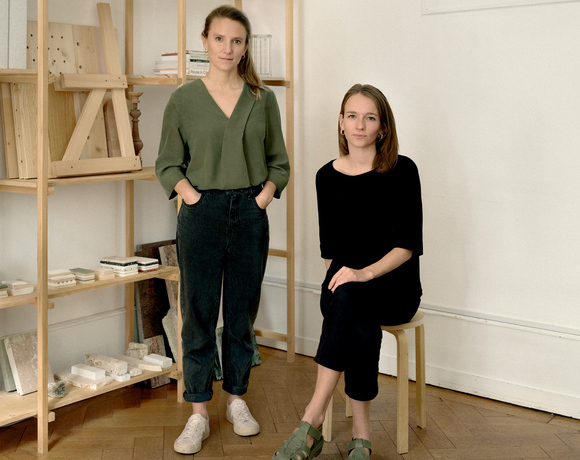
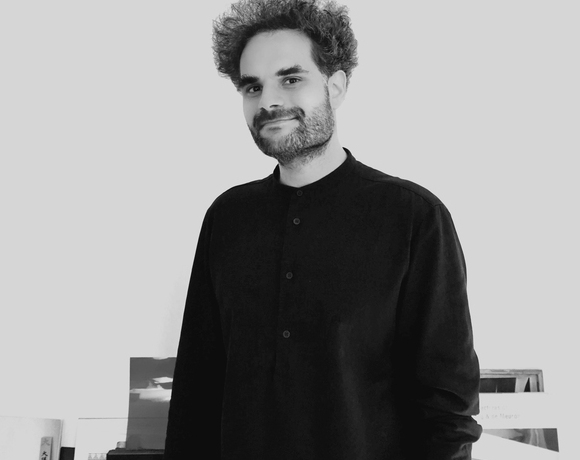
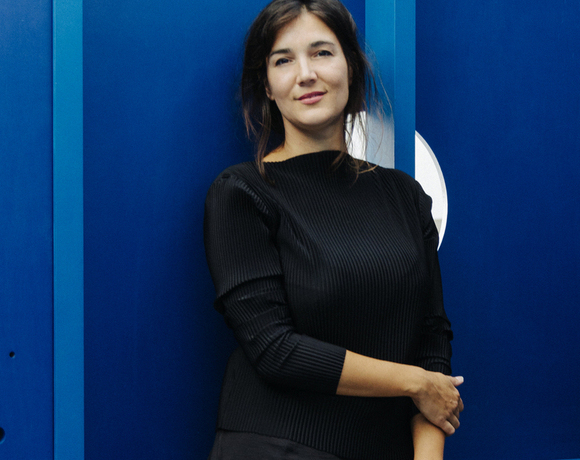
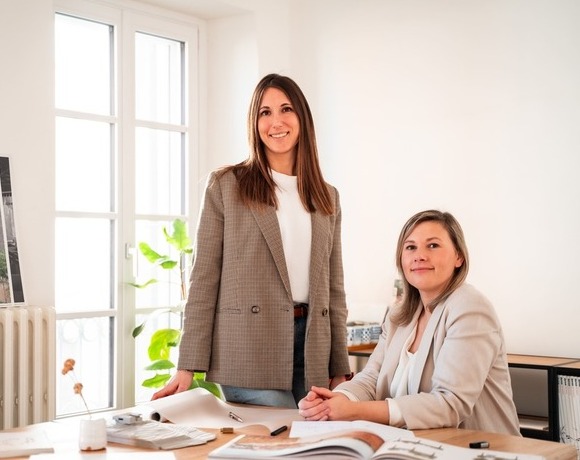
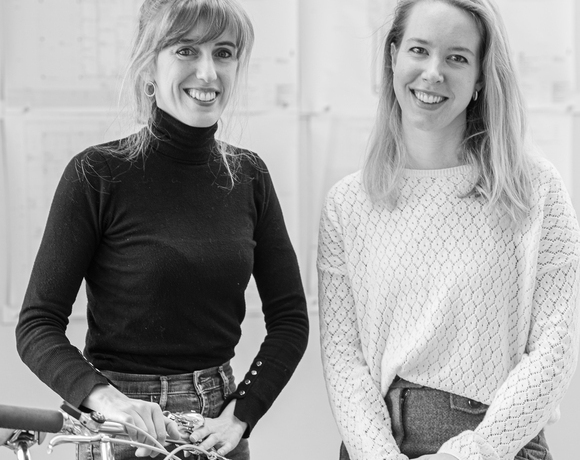
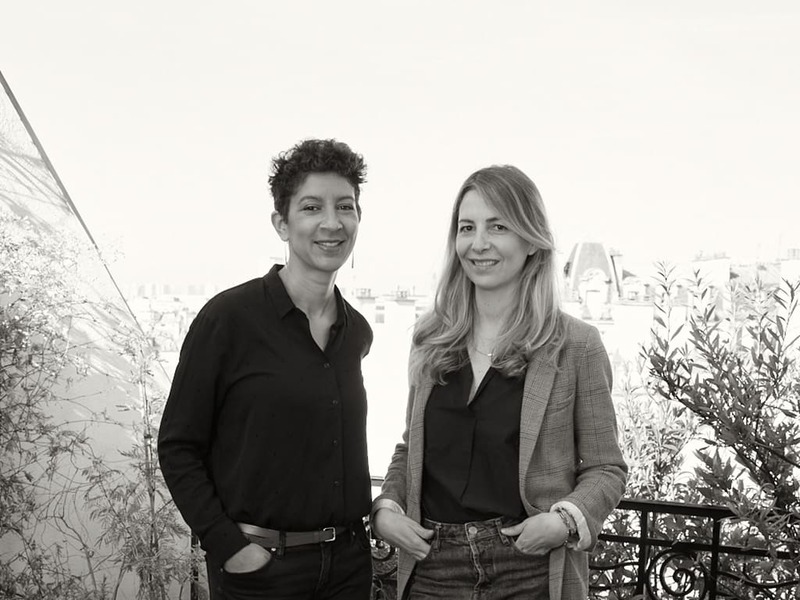
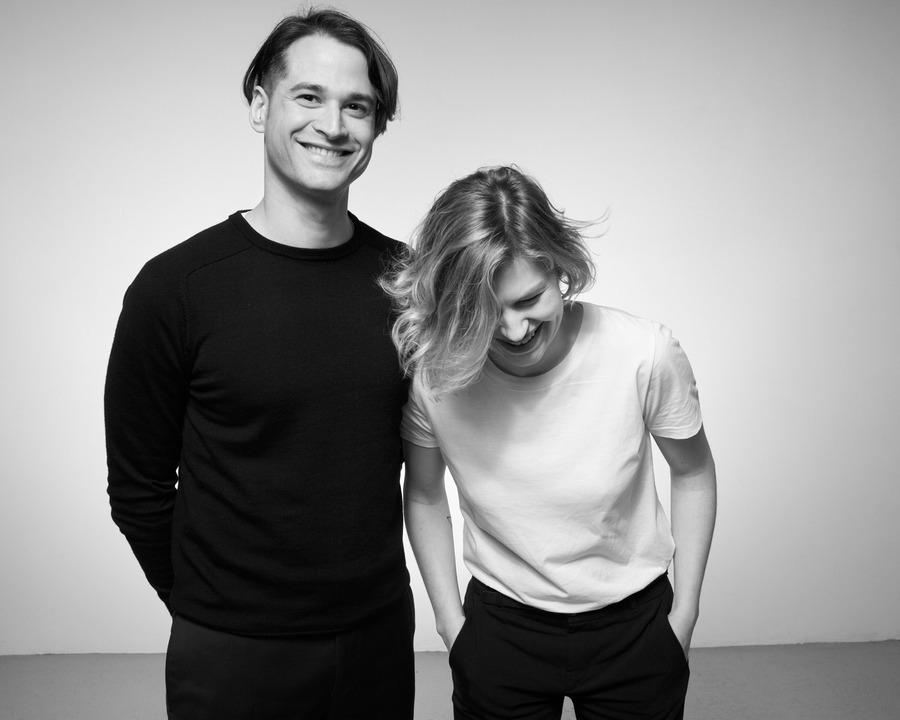
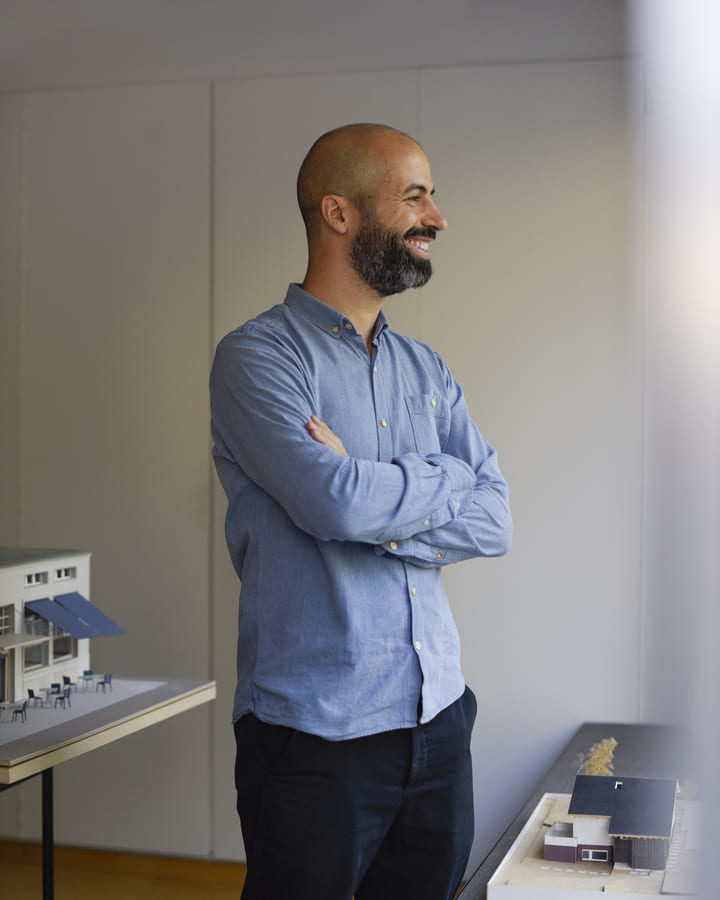
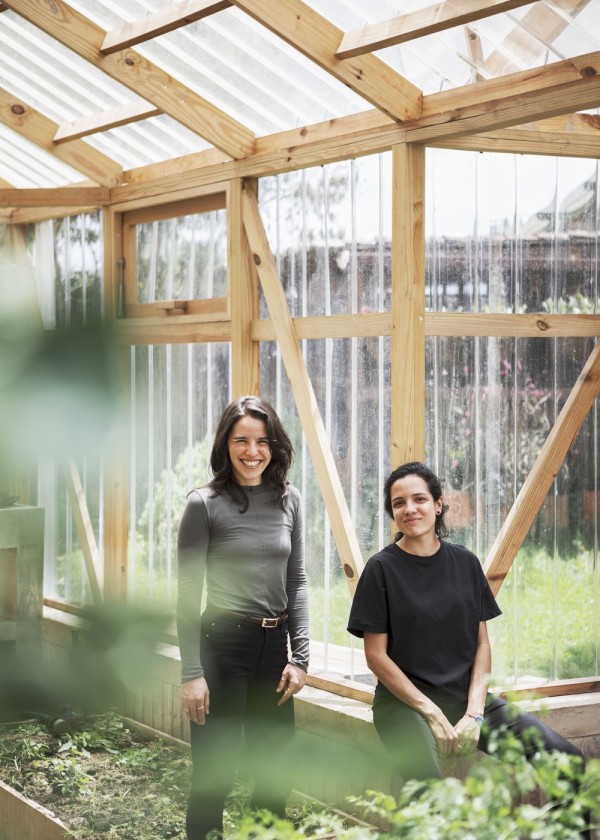
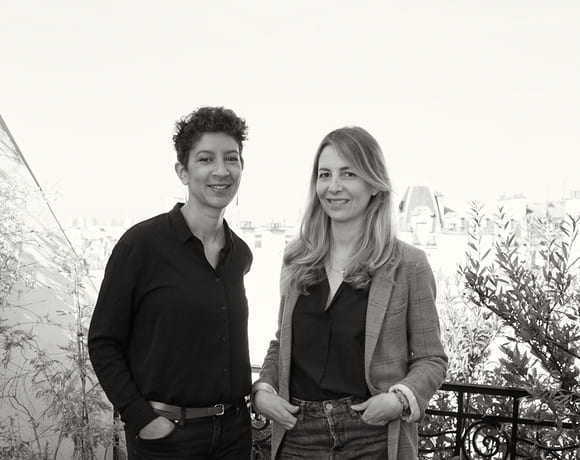
LE STUDIO SANNA BALDÉ was founded in 2019 by architects Anna Sanna and Delphine Baldé after independent careers in France and abroad. Their practice bridges architecture, urban design, and landscape, driven by a commitment to inclusivity, sustainability, and adaptability. They focus on transforming existing environments, designing reversible buildings with bio- and geo-sourced materials, and addressing new uses for better housing quality. With complementary expertise—Anna in residential architecture and project management, Delphine in urban strategy and planning—the studio develops projects that reveal the spirit of place and foster resilient, desirable cities.

AS: Anna Sanna | DB: Delphine Baldé


From tabula rasa to transformation

AS: These days, emerging architecture in France is navigating a space between tradition and innovation, with a strong focus on sustainability and a new way of practising. The younger generation of architects is redefining the discipline through socially engaged, environmentally conscious, and often experimental approaches. In response to climate change and increasingly strict regulations, many emerging practices are adopting more frugal construction methods and focusing on the reuse of existing buildings, aiming to extend their life cycle rather than prioritise new construction. In France, this approach takes on particular significance, given the weight and presence of architectural heritage.

DB: Heritage is central. For many years, the state and the ministry were giving money to demolish certain buildings. This was part of the transformation of what we call the buildings from the ‘70s and ‘80s, which came from the housing crisis. At that time, the idea of “repairing” was often done through demolition. Today, things are changing. A lot of new practices have decided that these post-war industrial buildings are actually interesting. They’re built in concrete, and that concrete is already there. So maybe it’s not a good idea to demolish it and replace it with something new. It’s better to use what we have. But for politicians or mayors, this idea is still hard to understand.

AS: Politicians often seek to reshape the image of their city directly and immediately. And sometimes they think they can’t make that change without demolition. The idea of tabula rasa—they say, “If we don’t demolish, we can’t change this area.” But some major cities are starting to understand.

DB: The issue is, even if they start to understand, they may not have the funds to actually transform the city. You have to shift the mindset—not just of politicians, but of investors, developers, and also the inhabitants. But sometimes the inhabitants are easier to convince. It’s their housing, and they’ll say, “Yes, I love it.”

AS: For example, in a district near Paris, we had an urban project around the station. Delphine worked with the community, and we managed to convince people to keep a building that they originally planned to demolish. The inhabitants asked, “Why do you want to demolish this building?” It felt strange. One of them had just bought a flat there. Through consultation, we managed to convince everyone to keep it.

DB: It’s important to recognise that our recent history is valuable too. We shouldn’t always be looking 200 years back. We need to find a way to deal with what already exists. And that’s one of our main focuses.  


Le Studio, a collective story

AS: When we decided to start our own practice, Le Studio Sanna Balde, we didn’t actually have a project together at first. Delphine had been working for several years at Leclercq Associés, leading a large urban project. In the beginning, not much was happening on that front, so they agreed she could continue developing it independently. 

DB: And when we announced that we were starting our own office, the mayors of the cities involved asked us to design a building. That commission—housing—was what allowed us to officially launch the studio.

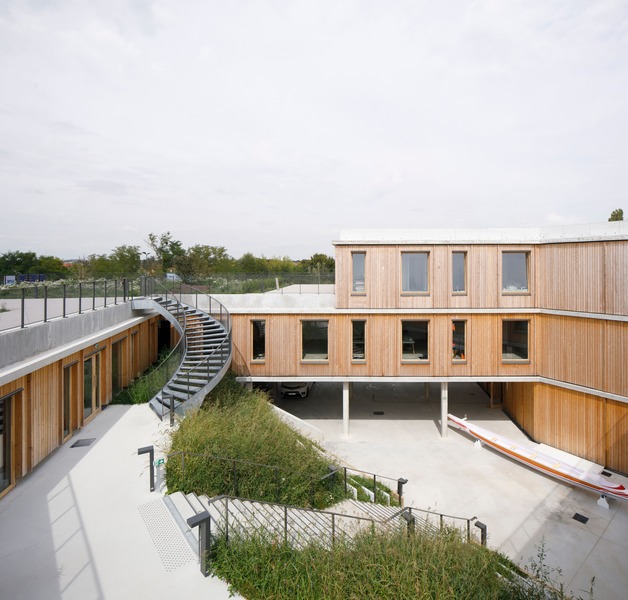
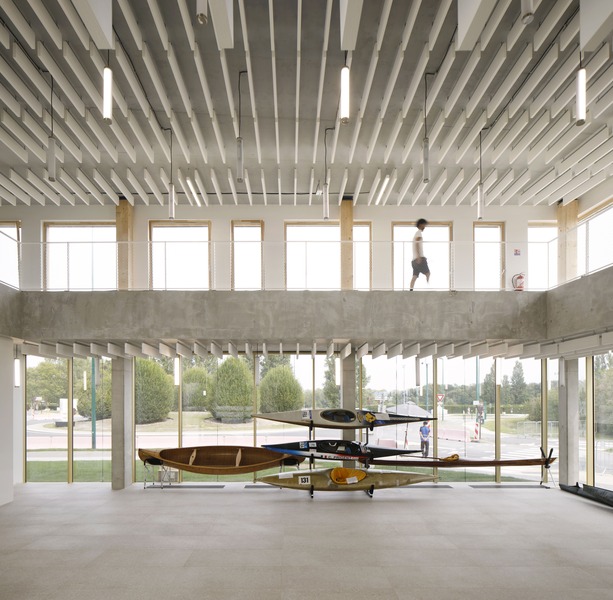
AS: Then in 2020, we took part in a competition for the Canoe and Kayak Federation headquarters for the Olympic Games. It was an open, unpaid competition with ten teams. It was summer, we were hesitant—but we said, “Okay, let’s do it.” And we won. It was a major opportunity for us. Not a huge project—around 2,000 square metres—but it gave us visibility. The programme was also very interesting: beyond the headquarters itself, we had to design a public facility for the city of Vaires-sur-Marne. The building is open to the public and used for events and various activities. It became the first building officially signed under the name of our new studio.

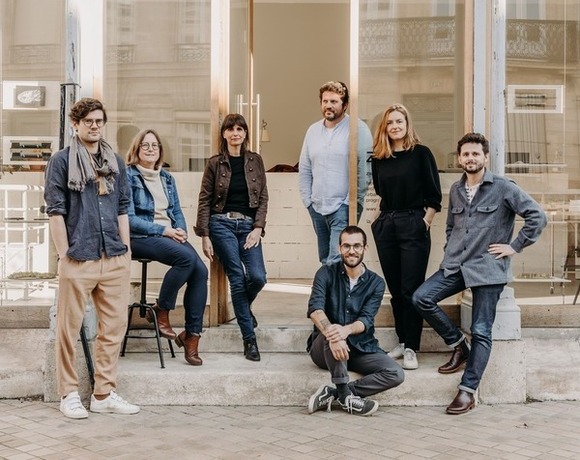
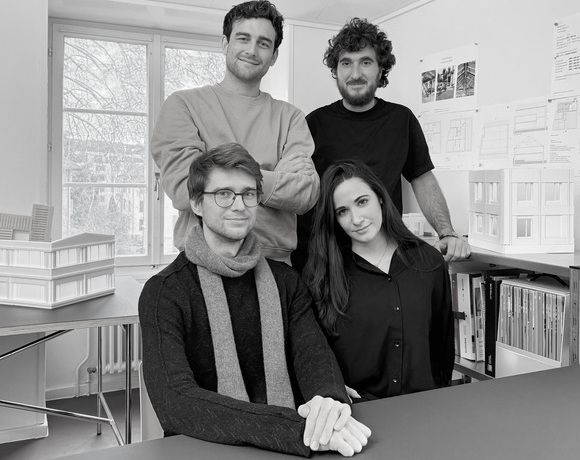
Since then, we’ve been shaping the kind of practice we want to become. We see the studio as a workshop—that’s why we chose the name “Le Studio”—a place where everyone can contribute and discuss the project together. We listen to what the younger generation has to say; it’s important to share our vision while also hearing their perspectives.

DB: We used to work in a large office in Paris with 80 people. We handled a lot of public architecture, housing, and urban planning projects. I was in charge of the urban planning department, as an associate. The projects were interesting, and we had a lot of freedom in design. But with so many people, it felt heavy—like steering a large boat. We wanted something more sensitive. We don’t want to build a company with 100 people. Maybe 15 or 20—that feels like the right scale for what we want to do. We could have stayed in our previous office without any problem. But we wanted new challenges and new positions from which to develop projects differently.


Dance, bodies, cities

DB: We like to say that we do everything from furniture to the city. It’s a broad spectrum. We really like to mix architecture with use, with the city, the landscape. Sometimes it’s just a bench that becomes part of a landscape. Sometimes it’s a structure that’s not exactly a building but still creates atmosphere. Anna has strong experience in complex buildings, and I come more from an urbanism background. So, we wanted to mix our approaches, but we also needed a clear narrative. 

It might seem a bit unrelated at first glance, but it’s quite the opposite: dance plays a key role for us. It’s part of our lives—not just as a practice, but as a way of thinking about the body in space: the body in the city, and the role of women in public space. Dance has helped us connect all of these different subjects.

We believe the architecture should be rooted in its context—its geography, its water systems, climate, wind. That’s why we talk with dancers and choreographers. Many of them want to get out of the theatre and use the city as their stage. One dancer said they want to work with “invisible people”—people who don’t have equal access to public space. For you, a young man, it’s easy to walk through the city, sit on a bench. But what about older people, or very young children? It’s about inclusion. For us, dance can be as simple as walking in the city.

AS: When we approach a new site, the first step is to walk. It’s the same in dance—the first movement is to walk, to run. Contemporary dance was about freeing the body, and we try to bring that same spirit into our projects. It’s still a work in progress. In 2022, we explored this idea through the FAIRE Accelerator Program. We passed the first selection and the audition, but ultimately weren’t chosen. Still, it was an important moment. We formed a collective around this idea and used the opportunity to discuss it further, even though it was still in an embryonic phase at the time, and maybe our approach was too theoretical. We were developing a kind of shared grammar between dance and architecture—a vocabulary for designing a city in motion: falling, wandering, rolling, resting, sliding. These are movements you can also use when designing public space.

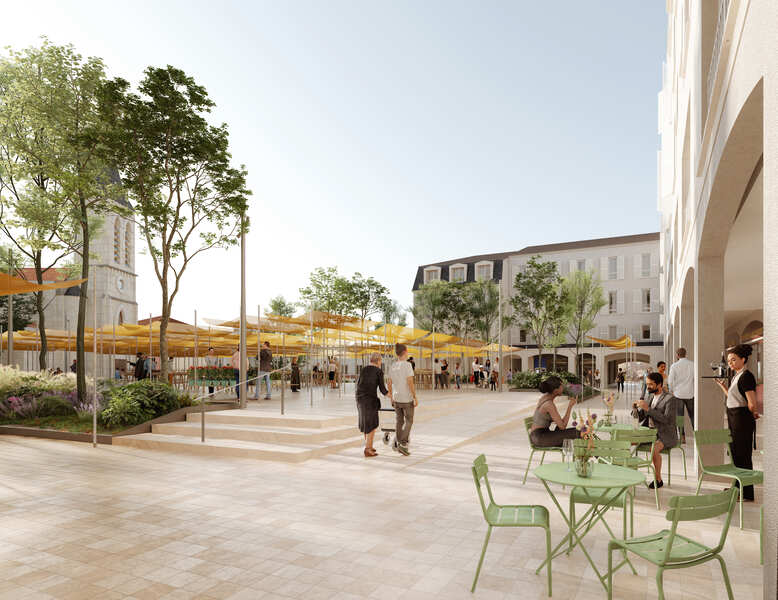
We ran a week-long workshop in a small town in the south of France with locals and used dance to engage people and rethink the car-dominated town square, drawing proposals on the ground to visualise change.

DB: It was an informal project, requiring time and trust. Some locals were sceptical about issues like parking, making ongoing dialogue essential. It was also an opportunity to incorporate and test dance in our approach. We’re now trying to apply this method early in projects with open clients. This is just the beginning of our ongoing research.


Layers of transformation  

AS: Two years ago, we won a project through IMGP—Inventons la Métropole du Grand Paris. The goal was to reinvent the city through nature. It’s part of a larger initiative: Reinventing Paris. The competition was for a single plot that you had to develop with a private company. There’s no public funding. It’s all private investment—you have to find your partners and build your own team. We carried out the project with a private investor, Woodeum (now part of Altarea), a company specialised in timber construction.

DB: The competition required a strong ecological approach and the use of bio-sourced materials. We won over another team that proposed demolishing everything. There was a strong debate in the jury—between political figures who wanted a brand-new image and others who valued preserving the existing heritage. We convinced the mayor to be proud of his territory and its existing buildings. Our proposal for the transformation was intentionally not radical, out of respect for the original architect, Jean Dubuisson. 

AS: We decided to preserve most of the structure—only removing the roof. We kept the car park and ground floor, and built two blocks of wooden flats on top. The architecture is very typical of the 1970s. We also kept the existing office building and transformed it. Around a large garden, we added one block with five levels and another with eight levels. We kept the structure and replaced the entire façade and interior systems.

DB: It’s easier to demolish and start fresh. But transforming is more complex—and more costly. These buildings often have pollution issues. Technically, it’s harder. But still, it's better economically in the long run. You invest more upfront but avoid future reinvestments.

AS: The project is located in Cergy-Pontoise, a ville nouvelle—a town from the 1970s—with a clear division between pedestrian and car traffic. Now there’s a shift: cities are trying to reconnect the slabs with street-level public spaces. Our project aligns with that transformation. For us, it was about reconciling the old and the new. Demolishing isn’t always the solution.


Choreographing the city

DB: As part of the Grand Paris Express development, a new station is being built at Thiais-Orly, Secteur Gare. Located near Orly airport, this area is undergoing a major transformation. Once primarily an industrial zone, it is now being redeveloped into a vibrant mixed-use district, combining housing, offices, public facilities, and more.

This is where we brought in dance—as a way to reintroduce art into the city. We proposed designing part of the garden in our block using an approach inspired by Anne Teresa De Keersmaeker’s dance sculptures. We also proposed an event with the inhabitants—a kind of "let’s dance in the city" moment.

AS: It was a great occasion to try integrating our approach into the project. When we design, we think about the body in the building and in the city, but it’s not always obvious how to include that. For us, dance is an inclusive way to speak about architecture and urban planning. It’s a way of thinking, of designing.

DB: We proposed two buildings—one more folded, one more curved. The first phase is really about suggesting the idea. It’s part of our signature: we like to bring in colour, textures, and materials with a certain sensibility. This gives us a base we can later develop, or not.


The sustainable approach

AS: One example is our 93-unit housing project in Villejuif, part of the Grand Paris development near future metro stations. Located between a park and public facilities, the project combines urban density with ecological ambition.

We designed two hexagonal buildings to maximize dual orientations, natural light, and ventilation. At the heart of the site, a dense green courtyard acts as an urban micro-forest, enhancing biodiversity and managing stormwater naturally.

From the first floor up, the façades are prefabricated off-site using a timber frame filled with hempcrete — a bio-sourced material produced locally in Île-de-France. This ensures thermal comfort, reduces waste, and supports a low-carbon construction approach.

Each flat has a generous outdoor space, and the entire building promotes adaptability, comfort, and typological diversity.

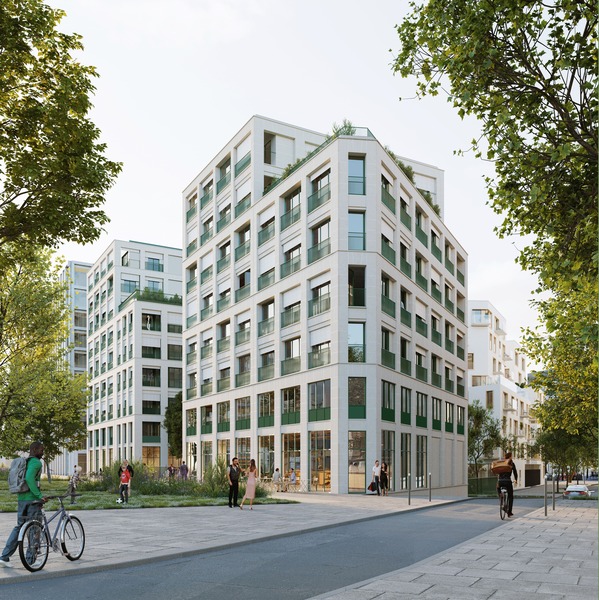
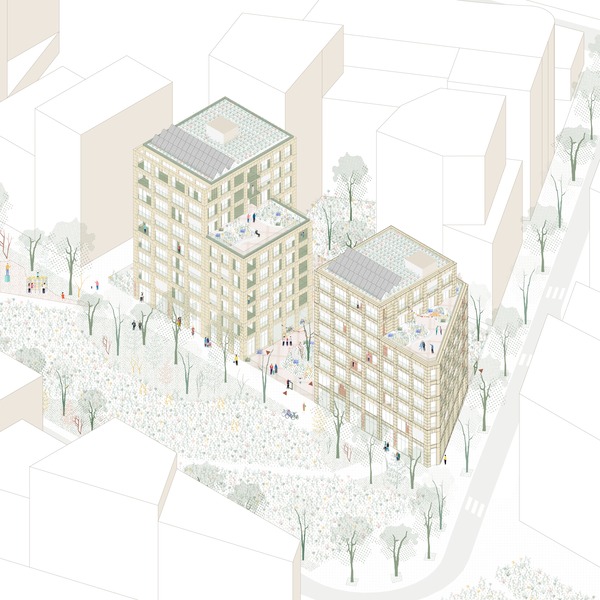
DB: And we worked with stone in the Pierres vivantes project in the Les Messageries district, Paris. The buildings feature load-bearing stone façades, insulated with wood fibre, and mixed wood-concrete floor slabs. The loggias use timber frames with wooden cladding.

Working with stone is both a cultural and environmental choice — it’s a geo-sourced material with low embodied carbon and strong local identity.

We also designed thick south façades with winter gardens acting as thermal buffers, reducing energy use. On the ground floor, active spaces like shops ensure connection to urban life. It’s a simple, resilient architecture that values local resources, long-term comfort, and quality of life.


Non-negotiable principles

AS: We talk a lot about architecture. But for us, really, 50% of our production is urban planning, and 50% is architecture. And this scale is really important. We work in many areas where our projects are key to transforming the city—for the inhabitants. It’s really important. In French, we call it ANRU—areas where the government provides funding to improve public space, to transform social housing, to create a mixed city with different uses. 

We’re working in peripheral areas that really need support from urbanists and political commitment to create a more inclusive city, where people can simply live better. These are places with high unemployment, people who’ve dropped out of school, and very difficult situations.

DB: At Le Studio we really want to be helpful where there’s a real need. This kind of social approach is essential to us. We love building in real stone in Paris—it’s a great city for that. But we also want to work in places that don’t usually have access to the architectural story, where we can talk with the inhabitants and co-create with them. That’s very important for us.

That’s why we speak about diversity. It’s also a way for us to find balance. A lot of these projects aren’t very well paid, so we try to balance them with other parts of our practice where there is more funding. But we consciously choose to invest time and energy in these more difficult projects. It’s part of our commitment. Sometimes, when we talk to developers, they say things like, “Oh, you’re a woman architect? That’s great! Women are good at designing kitchens.” They say it very seriously. Of course, now it sounds ridiculous—but the point is, we’re proud of the office we’ve built together. We're fully committed to promoting gender equality and inclusivity, and we refuse to work within those kinds of stereotypes. It’s important to actively fight against them. We also try to use our projects—urban and architectural—to create more space and visibility for women, and to improve access. For example, something as simple as learning how to ride a bicycle. In some of these neighbourhoods, it’s not easy. Not everyone knows how or feels safe doing it. And so even a small step like that—a tiny victory—can be meaningful for us.

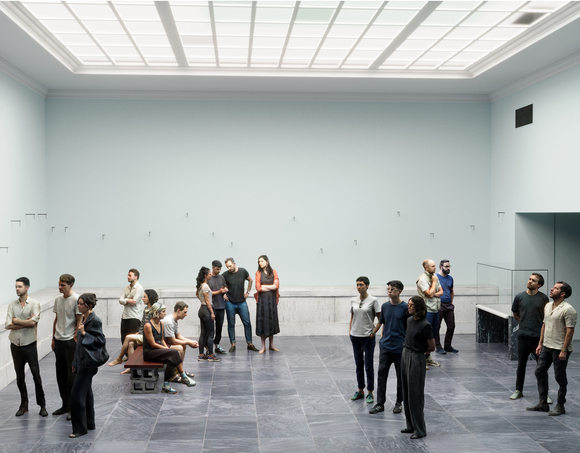
00. Photo ANNA SANNA DELPHINE BALDE gianpiero venturini ➡️ Le Studio Sanna Baldé. Anna Sanna, Delphine Baldé. Ph. Gianpiero Venturini1 French Canoe Kayak Federation Headquarters ➡️ French Canoe Kayak Federation Headquarters, Vaires-sur-Mame. Ph. Clément Guillaume2 French Canoe Kayak Federation Headquarters inside hall ➡️ French Canoe Kayak Federation Headquarters, Vaires-sur.Mame. Ph. Clément Guillaume6 Social Housing Messageries district in Paris 12 ➡️ Social Housing Messageries, Paris. Img. Jeudi Wang7 Messageries Axonometric view ➡️ Messageries, Paris. Axonometric. Img. Le Studio Sanna Baldé10 Redesign of Garches town center with green landscapes ➡️ Redesign Of Garches town centre, Garches. Img. Loto ArchiLab


a project powered by Itinerant Office

subscribe to our newsletter

follow us