Upsilon
Material Intelligence as Practice
New French Architecture
An Original Idea by New Generations
UR
Integrated, Multiscalar Thinking
AspaĂŻ Architectes
Balancing Heritage and Innovation
OAR / OFFICE ABRAMI ROJAS
Starting Small, Thinking Deep
eluaÂź
Cinematic Practice
asné achitecture
Material Roots, Precise Vision
Studio Classico
Breaking conventions with Studio Classico
Gwendoline Eveillard Studio
The Challenge of Reuse
KIDA
From Playground to Practice
atelier mura scala
Aiming at Peripheral Futures
rerum
A Laboratory for Urban Transformation
Le Studio Sanna Baldé
Bodies and Communities, First
QSA
A Journey of Reinvention and Adaptation
LDA Architectes
Practising Responsiveness
Atelier Sierra
Geographies of Practice
nicolas bossard architecture
Evolution: Flat by Flat
Compagnie architecture
Culture on Site
Studio Albédo
Strategic Acts of Architecture
Fabricaré
Simplicity and Singularity In the Making
Renode
Renovation as Quiet Resistance
Kapt Studio
Pushing Boundaries Across Scales
Room Architecture
Between Theory, Activism, and Practice
AVOIR
Structural Unknowing
DRATLER DUTHOIT architectes
Crafting Local Language
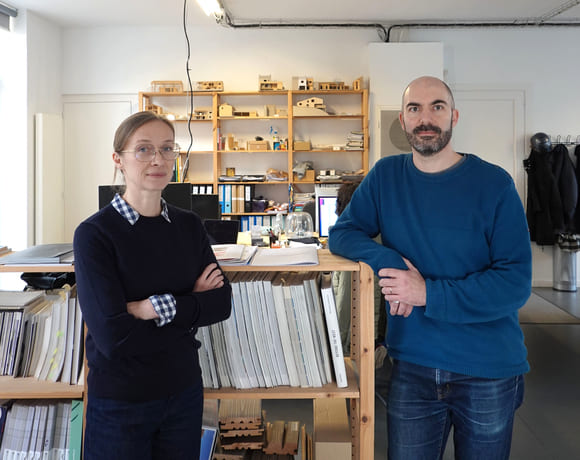
Claas Architectes
Building with the Region in Mind
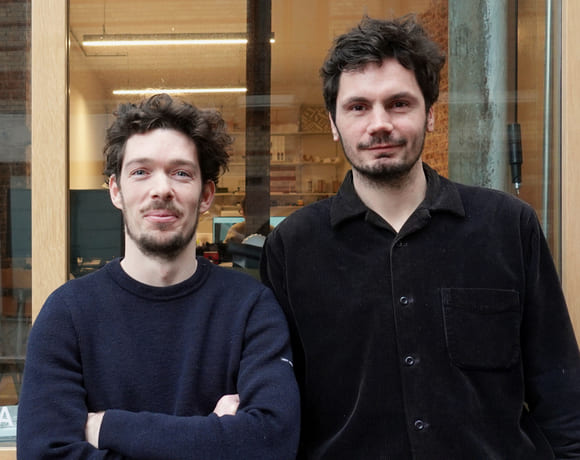
B2A - barre bouchetard architecture
Embracing Uncertainty in Architecture
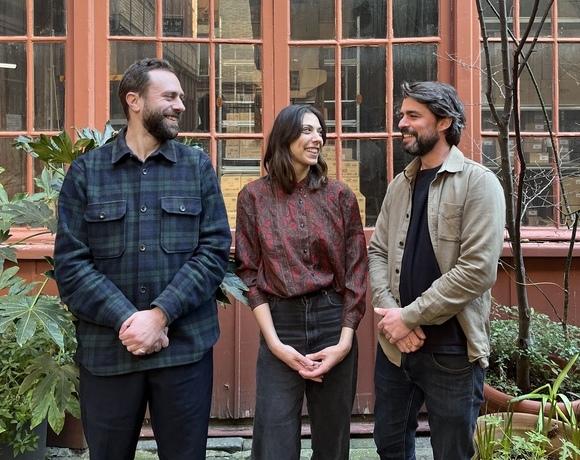
Acmé Paysage
Nurturing Ecosystems
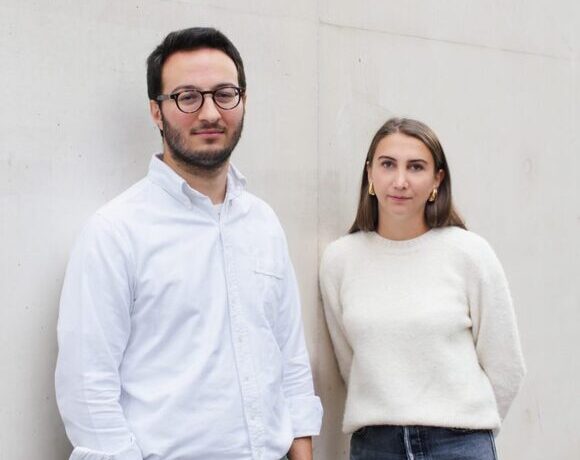
Atelier Apara
Architecture Through a Pedagogical Lens
HEMAA
Designing for Ecological Change
HYPER
Hyperlinked Scales
Between Utopia and Pragmatism
OblĂČ
Dialogue with the Built World
Augure Studio
Revealing, Simplifying, Adapting
Cent15 Architecture
A Process of Learning and Reinvention
Pierre-Arnaud DescĂŽtes
Composing Spaces, Revealing Landscapes
BUREAUPERRET
What Remains, What Becomes
ECHELLE OFFICE
In Between Scales
Atelier
Rooted in Context, Situated at the Centre
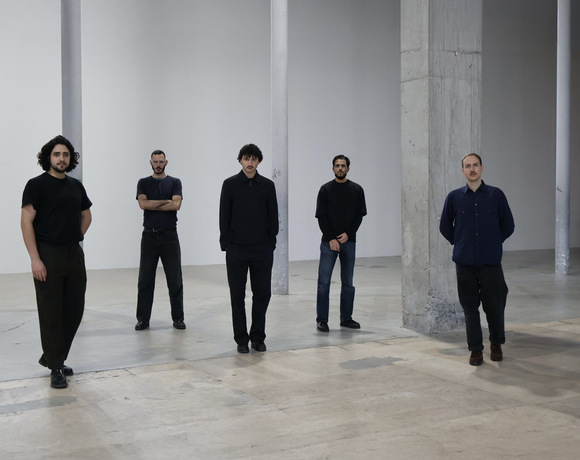
AJAM
Systemic Shifts, Local Gestures
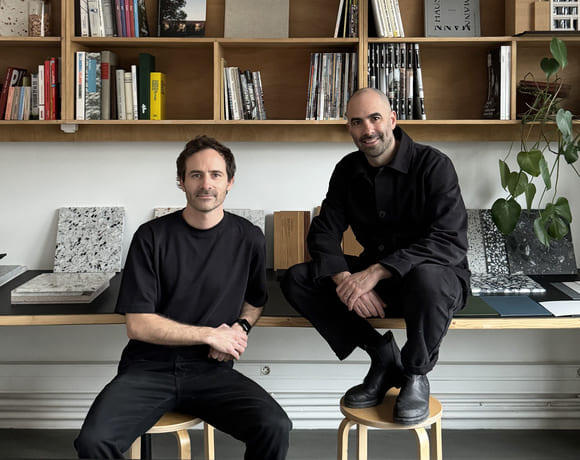
Mallet Morales
Stories in Structure
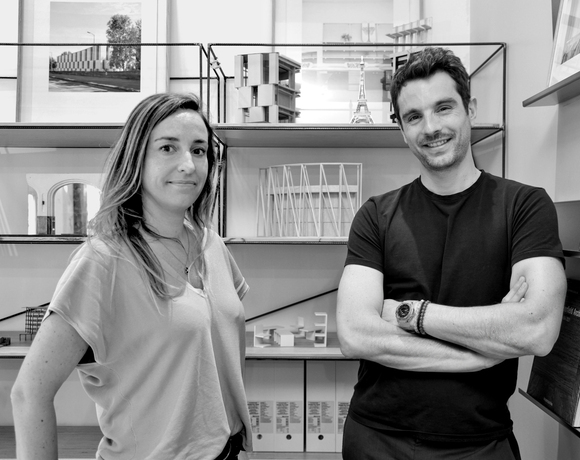
Studio SAME
Charting Change with Ambition
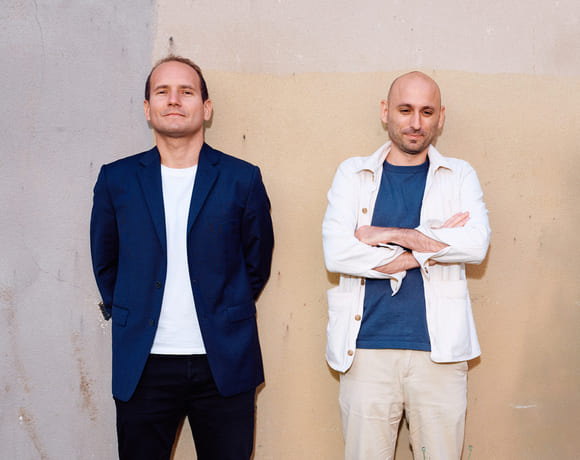
Lafayette
Envisioning the City of Tomorrow
Belval & Parquet Architectes
Living and Building Differently
127af
Redefining the Common
HEROS Architecture
From Stone to Structure
Carriere Didier Gazeau
Lessons from Heritage
a-platz
Bridging Cultures, Shaping Ideas
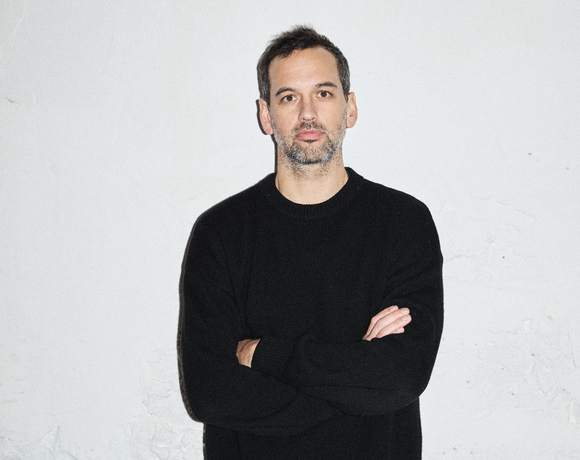
Rodaa
Practicing Across Contexts
Urbastudio
Interconnecting Scales, Communities, and Values
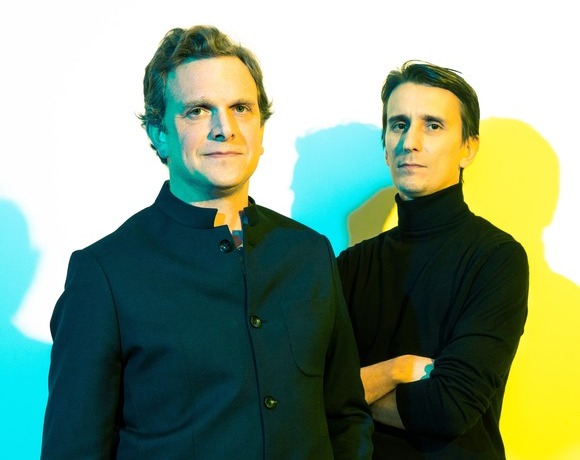
Oglo
Designing for Care
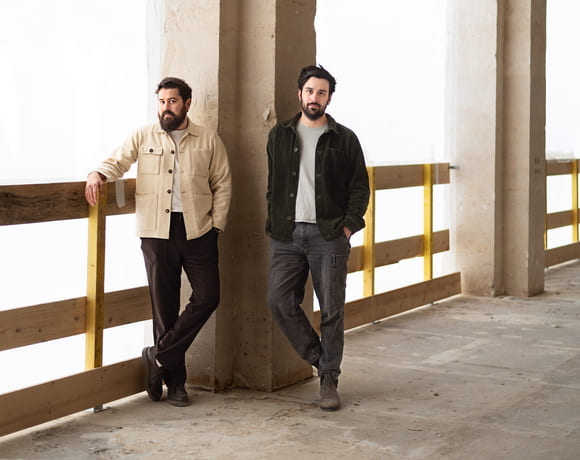
Figura
Figures of Transformation
COVE Architectes
Awakening Dormant Spaces
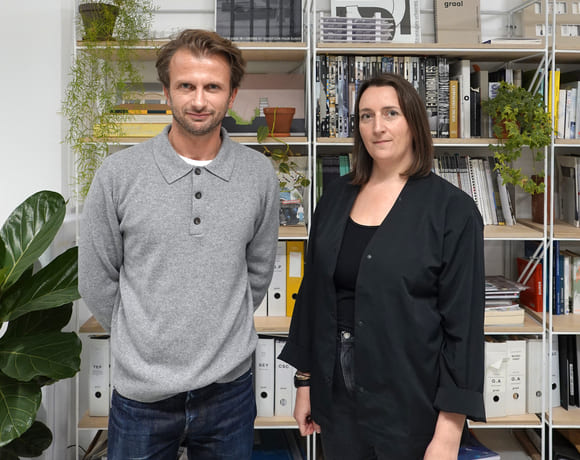
Graal
Understanding Economic Dynamics at the Core
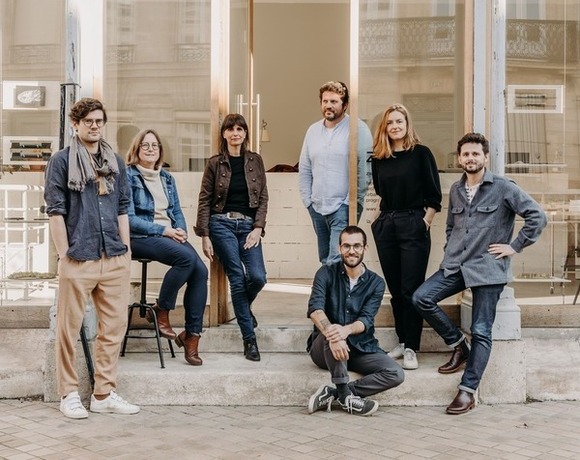
ZW/A
United Voices, Stronger Impacts
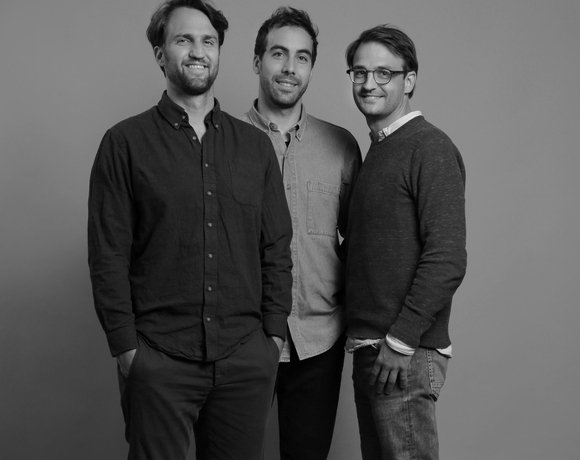
A6A
Building a Reference Practice for All
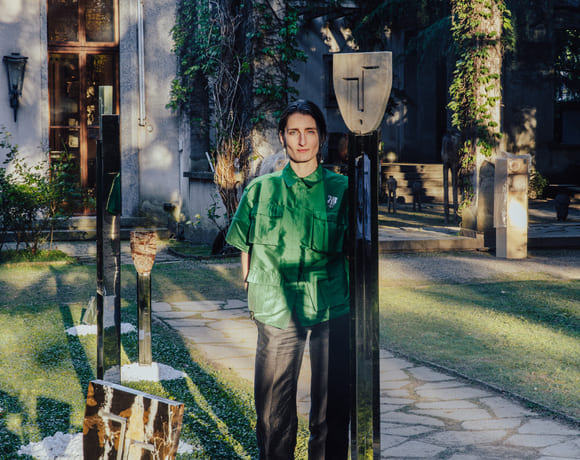
BERENICE CURT ARCHITECTURE
Crossing Design Boundaries
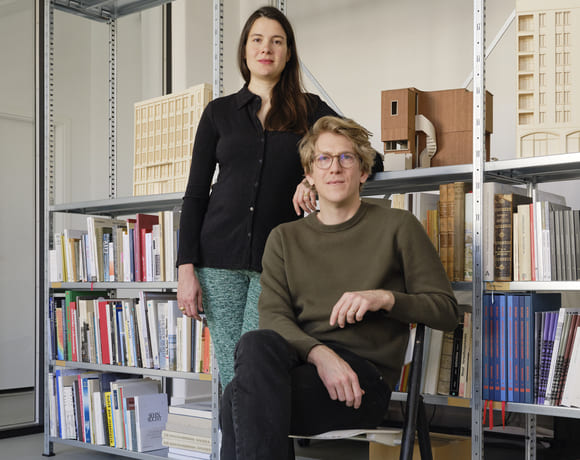
studio mÀc
Bridging Theory and Practice
studio mÀc
Bridging Theory and Practice
New Swiss Architecture
An Original Idea by New Generations
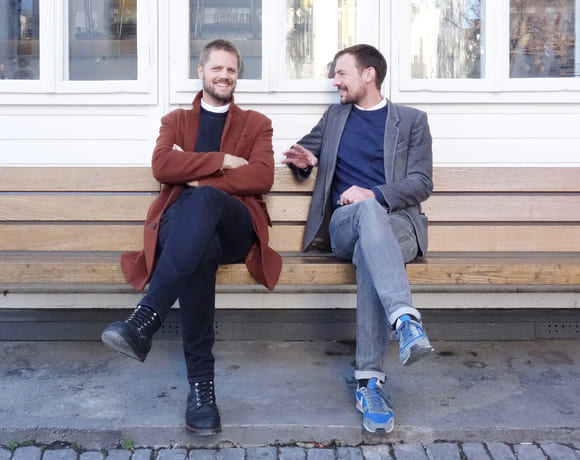
KUMMER/SCHIESS
Compete, Explore, Experiment
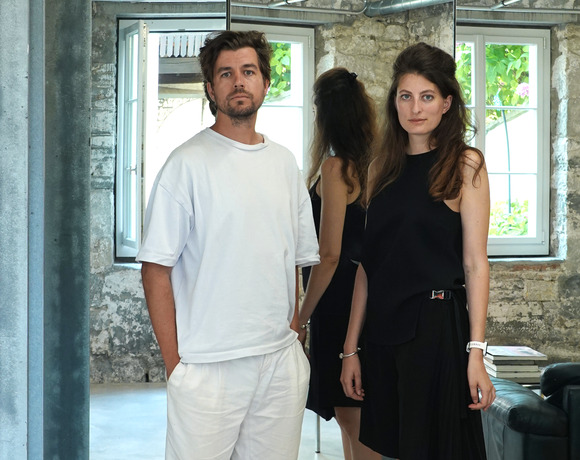
ALIAS
Stories Beyond the Surface
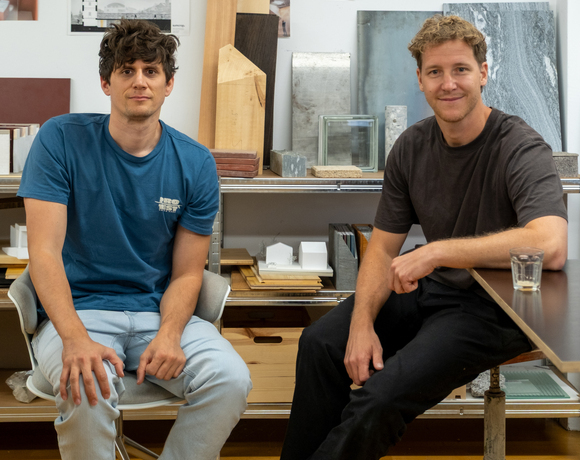
sumcrap.
Connected to Place
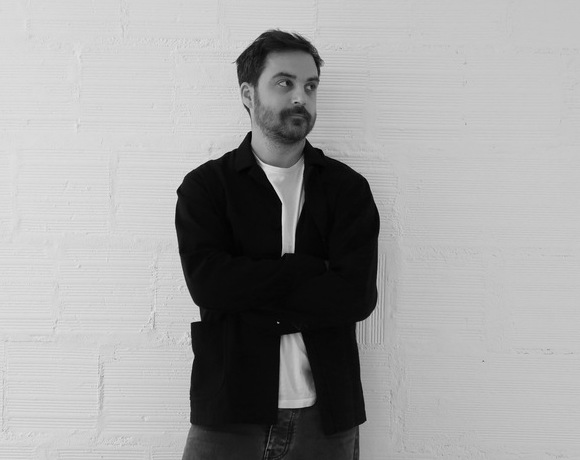
BUREAU/D
From Observation to Action
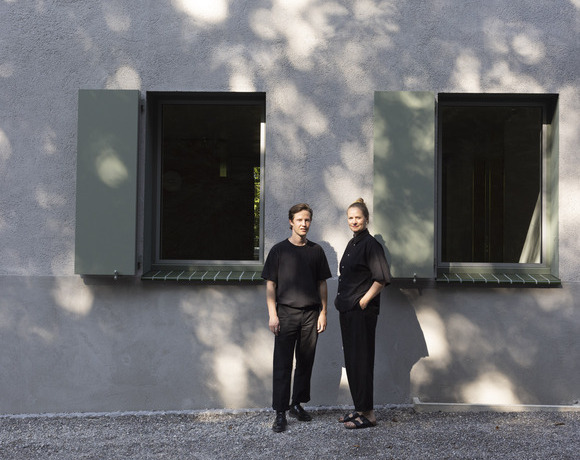
STUDIO ROMANO TIEDJE
Lessons in Transformation
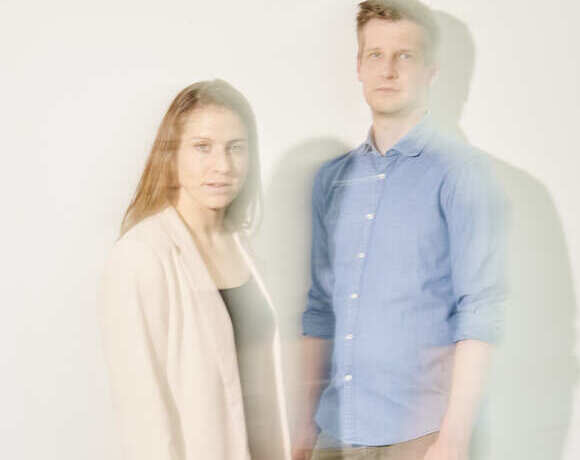
Ruumfabrigg Architekten
From Countryside to Lasting Heritage
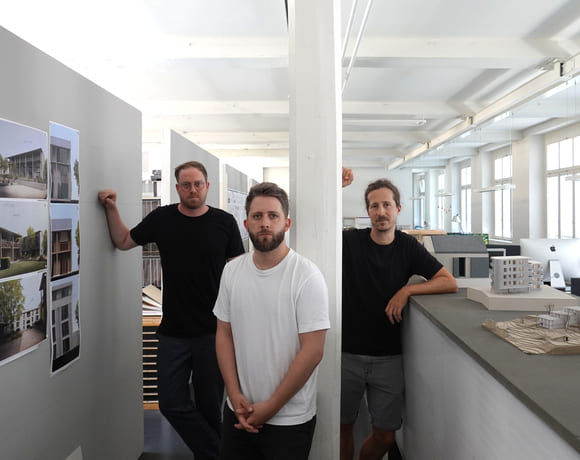
Kollektiv Marudo
Negotiating Built Realities
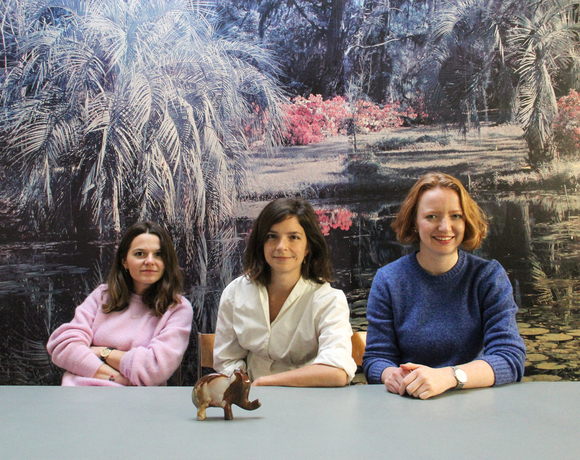
Studio Barrus
Starting byChance,Growing Through Principles
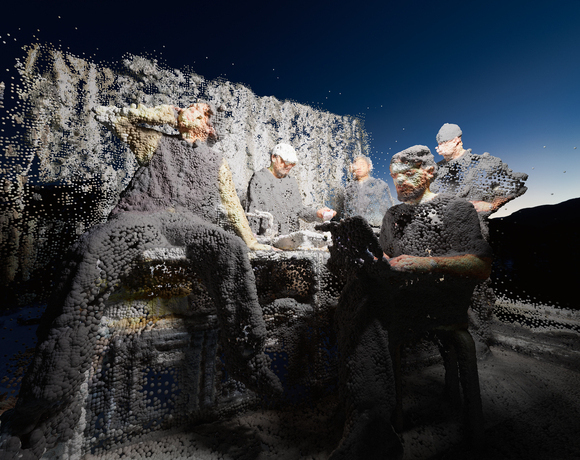
dorsa + 820
Between Fiction and Reality
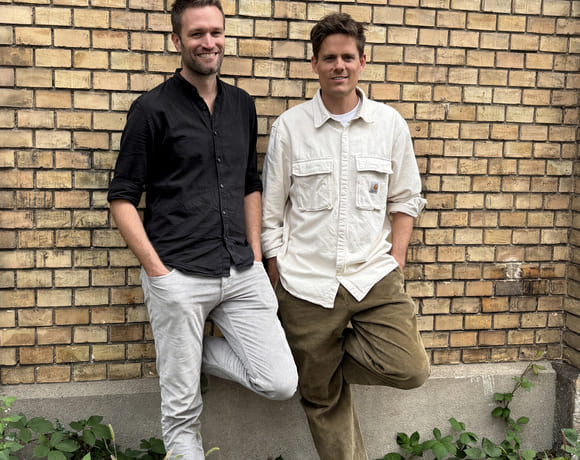
S2L Landschaftsarchitektur
Public Spaces That Transform
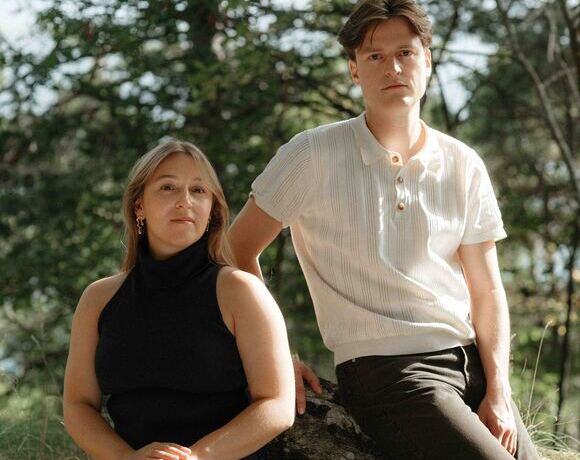
DER
Designing Within Local Realities
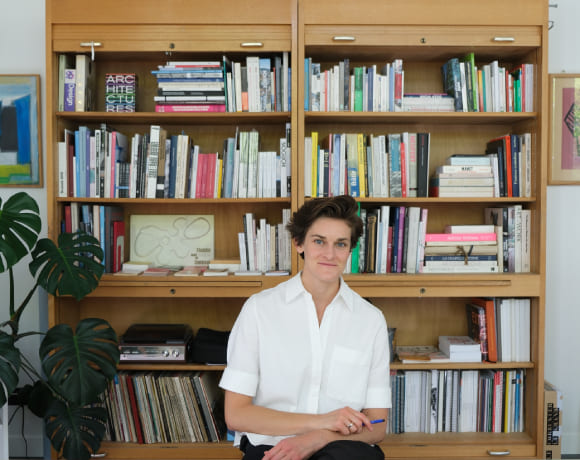
Marginalia
Change from the Margins
En-Dehors
Shaping a Living and Flexible Ecosystem
lablab
A Lab for Growing Ideas
Soares Jaquier
Daring to Experiment
Sara Gelibter Architecte
Journey to Belonging
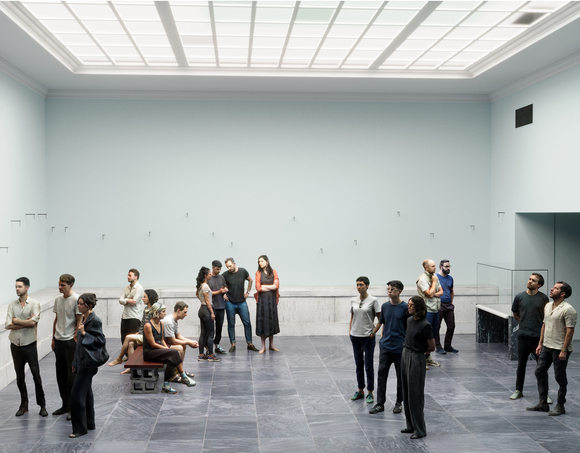
TEN (X)
A New Kind of Design Institute
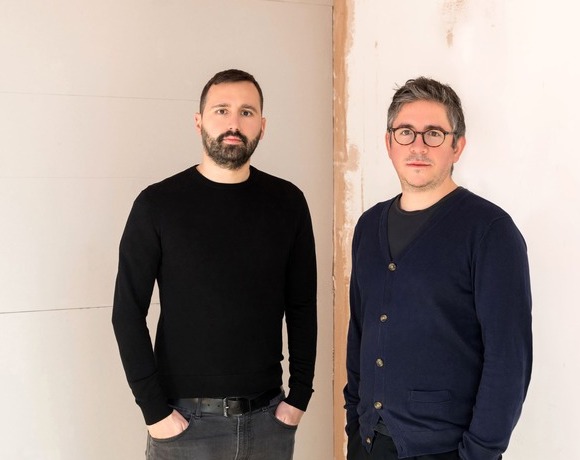
DF_DC
Synergy in Practice: Evolving Together
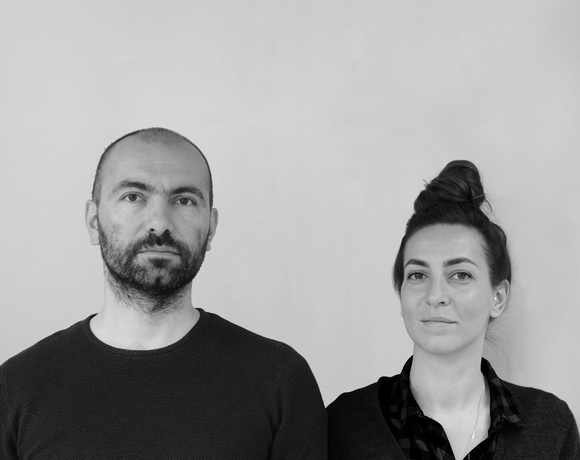
GRILLO VASIU
Exploring Living, Embracing Cultures
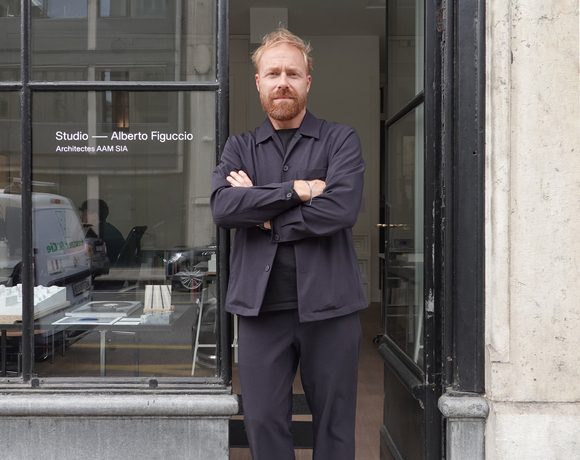
Studio â Alberto Figuccio
From Competitions to Realised Visions
Mentha Walther Architekten
Carefully Constructed
Stefan Wuelser +
Optimistic Rationalism: Design Beyond the Expected
BUREAU
A Practice Built on Questions
camponovo baumgartner
Flexible Frameworks, Unique Results
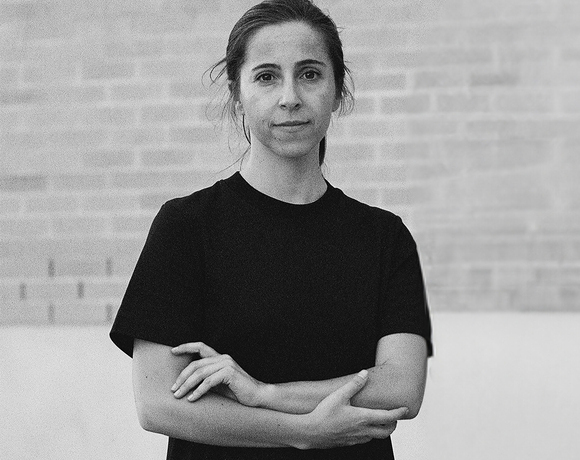
MAR ATELIER
Exploring the Fringes of Architecture
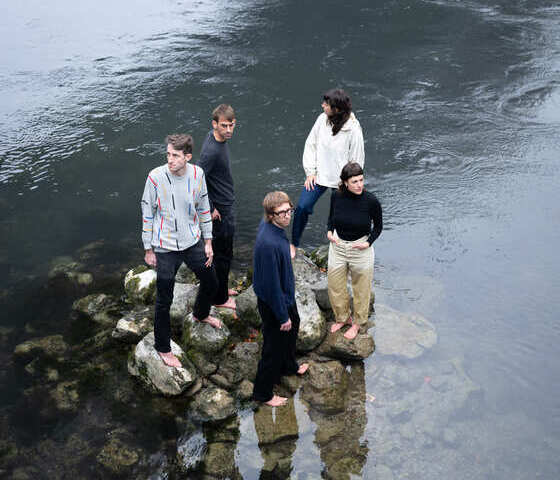
bach muÌhle fuchs
Constantly Aiming To Improve the Environment
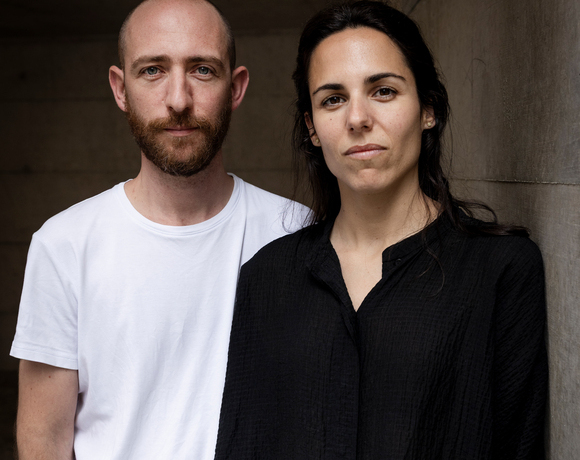
NOSU Architekten GmbH
Building an Office from Competitions
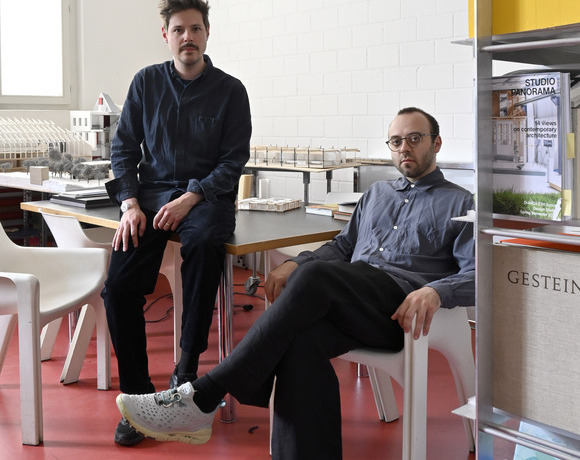
BALISSAT KAĂANI
Challenging Typologies, Embracing Realities
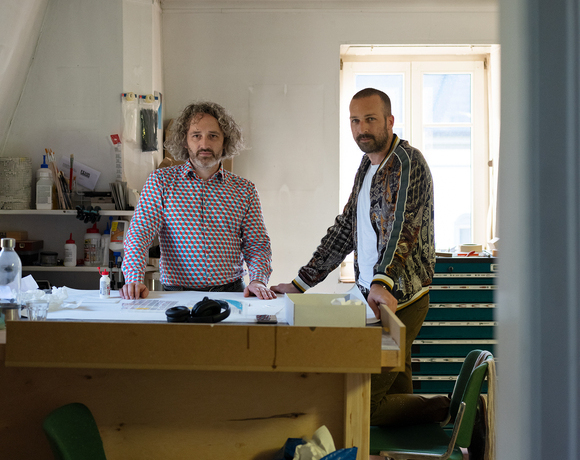
Piertzovanis Toews
Crafted by Conception, Tailored to Measure
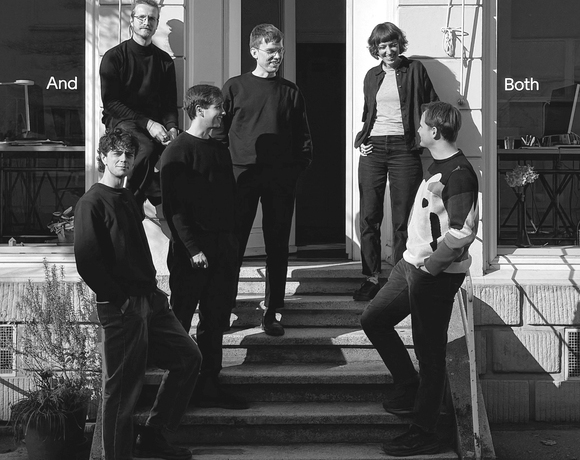
BothAnd
Fostering Collaboration and Openness
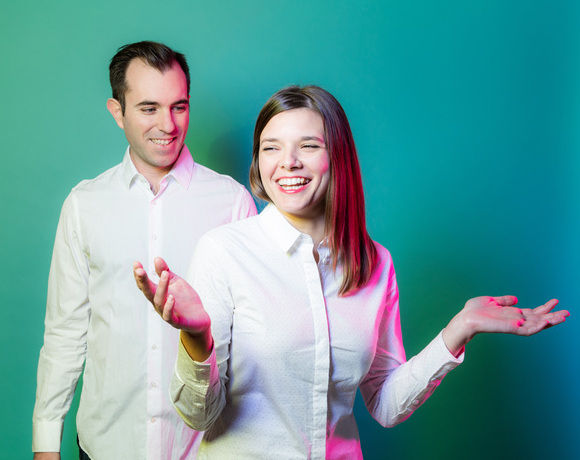
Atelier ORA
Building with Passion and Purpose
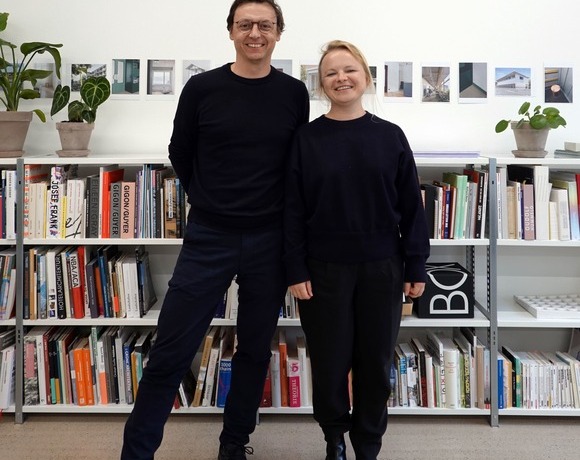
Atelier Hobiger Feichtner
Building with Sustainability in Mind
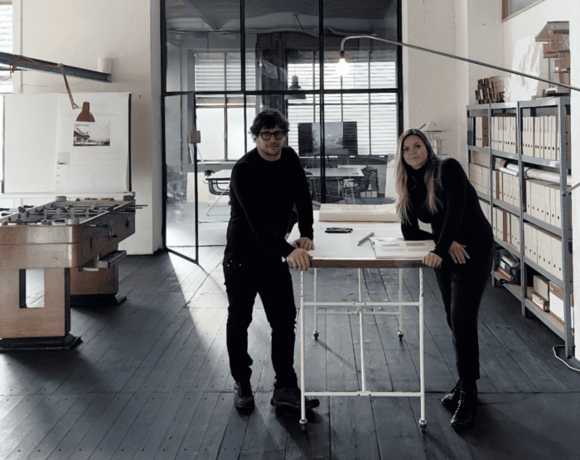
CAMPOPIANO.architetti
Architecture That Stays True to Itself
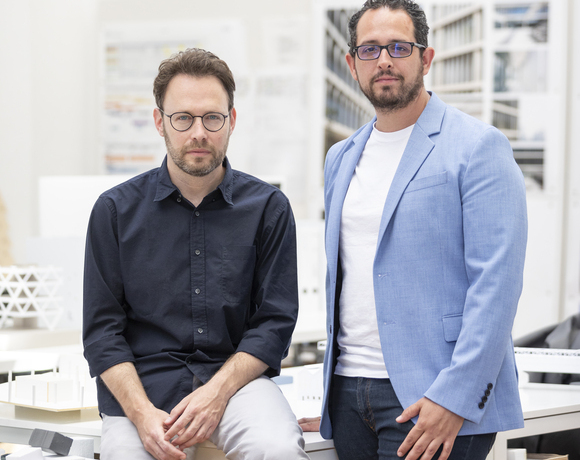
STUDIO PEZ
The Power of Evolving Ideas
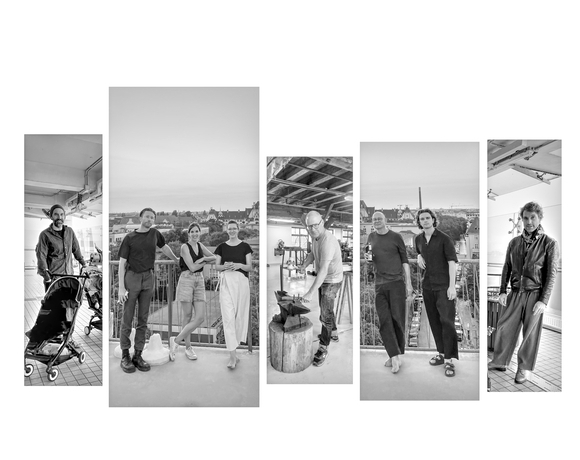
Architecture Land Initiative
Architecture Across Scales
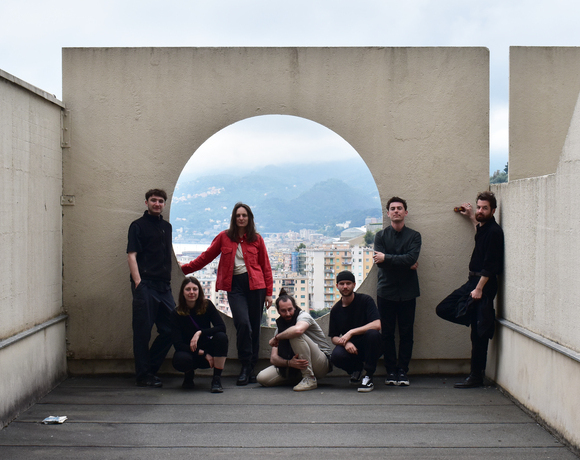
ellipsearchitecture
Humble Leanings, Cyclical Processes
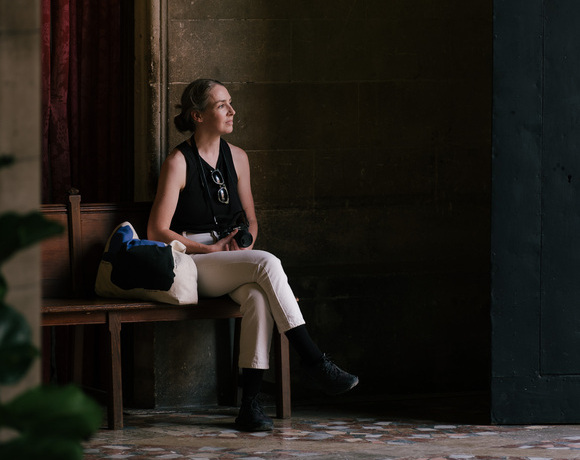
Sophie Hamer Architect
Balancing History and Innovation
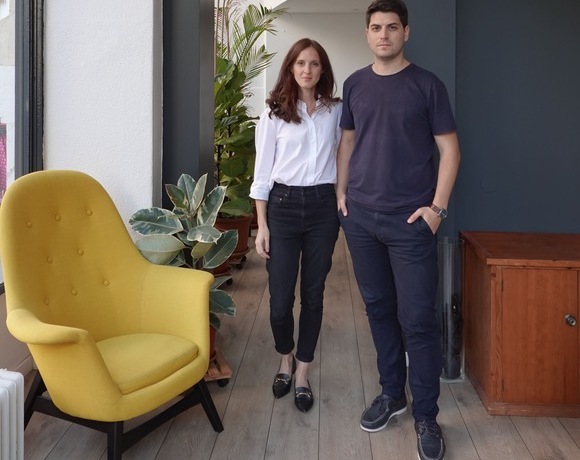
ArgemĂ Bufano Architectes
Competitions as a Catalyst for Innovation
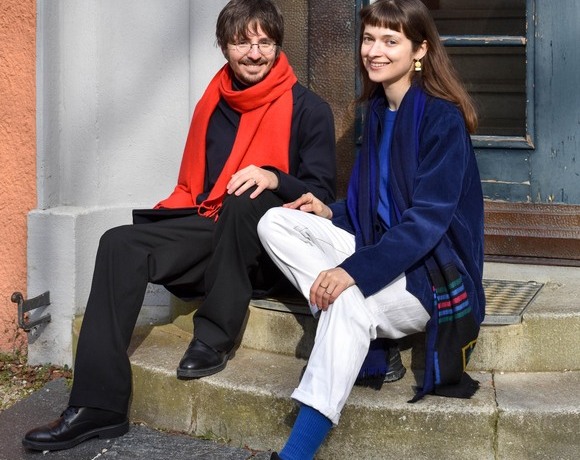
continentale
A Polychrome Revival
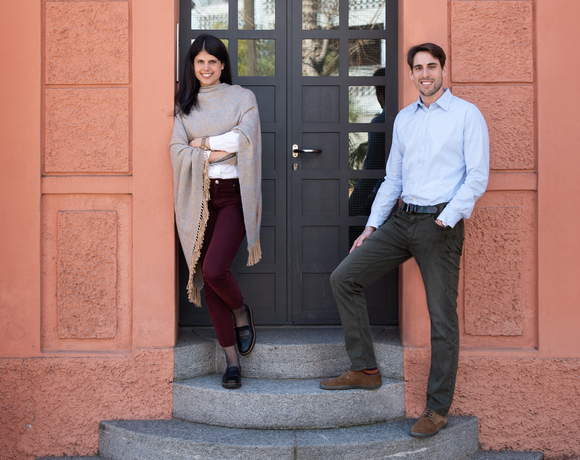
valsangiacomoboschetti
Building With What Remains
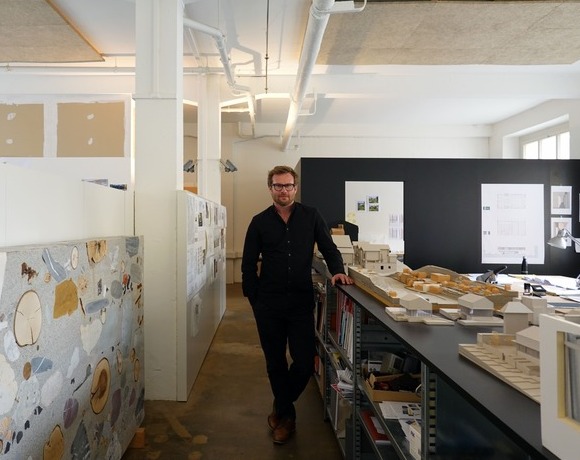
Oliver Christen Architekten
Framework for an Evolving Practice
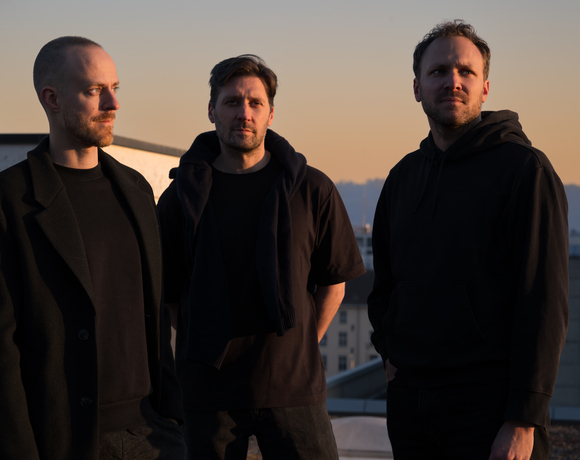
MMXVI
Synergy in Practice
Balancing Roles and Ideas
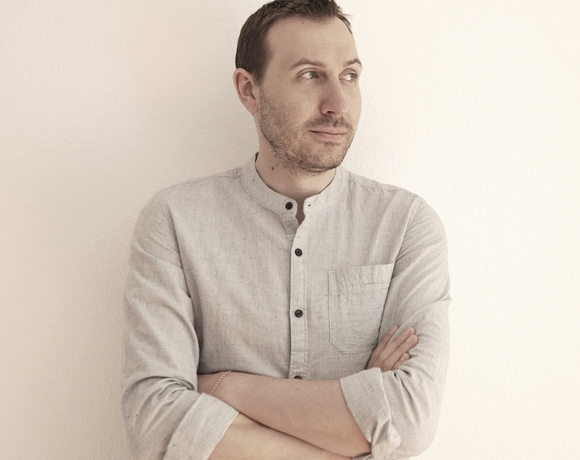
studio 812
A Reflective Approach to
Fast-Growing Opportunities
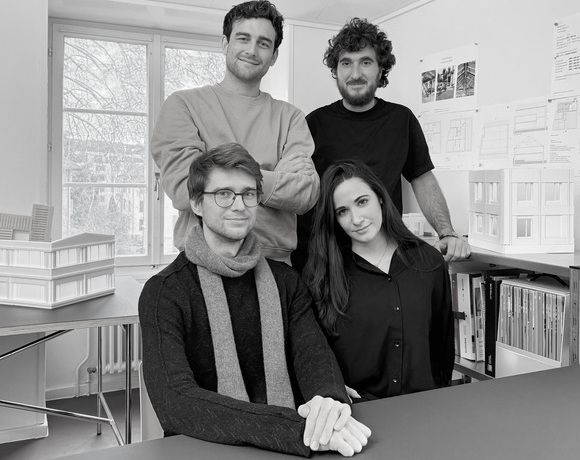
STUDIO4
The Journey of STUDIO4
Holzhausen Zweifel Architekten
Shaping the Everyday
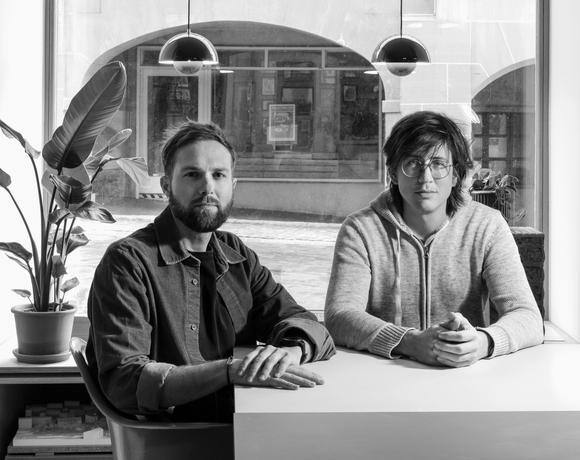
berset bruggisser
Architecture Rooted in Place
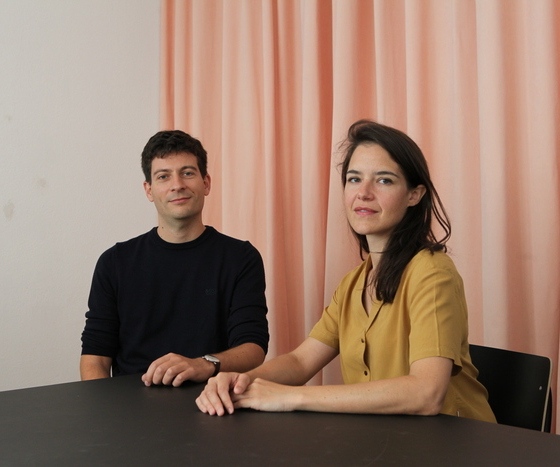
JBA - Joud Beaudoin Architectes
New Frontiers in Materiality
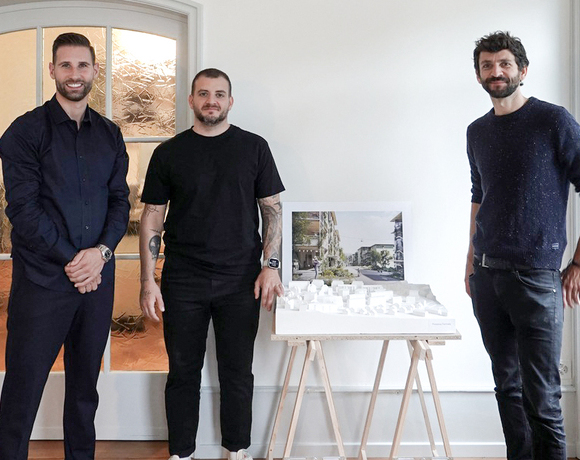
vizo Architekten
From Questions to Vision
Atelier NU
Prototypes of Practice
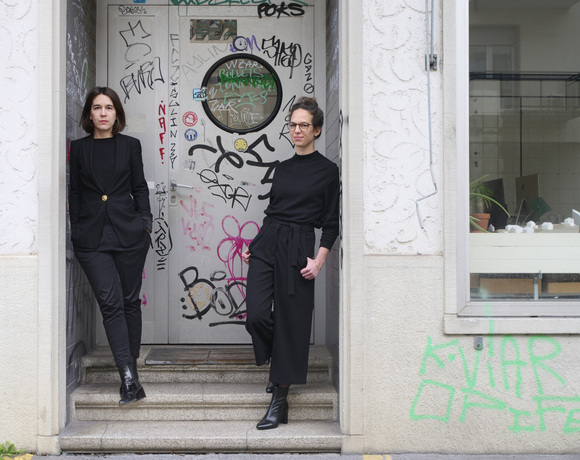
Atelier Tau
Architecture as a Form of Questioning
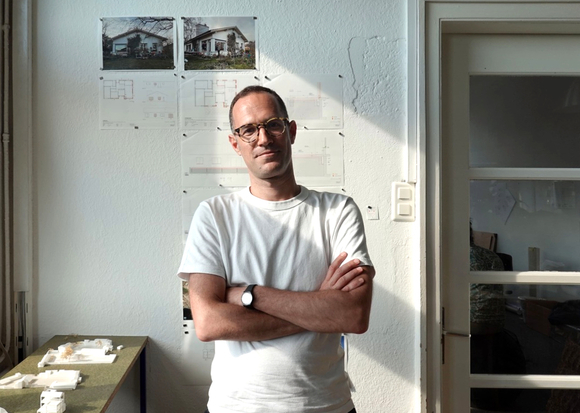
alexandro fotakis architecture
Embracing Context and Continuity
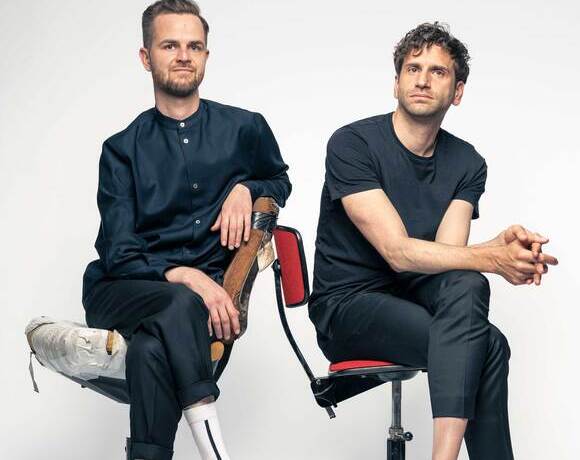
Atelier Anachron
Engaging with Complexity
SAJN - STUDIO FĂR ARCHITEKTUR
Transforming Rural Switzerland
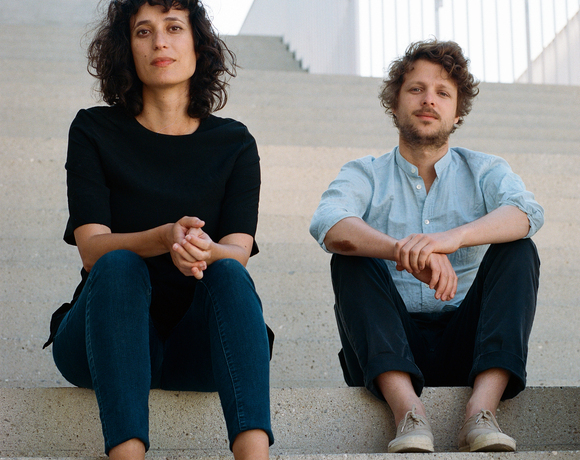
guy barreto architects
Designing for Others, Answers Over Uniqueness
Concrete and the Woods
Building on Planet Earth
bureaumilieux
What is innovation?
apropaÌ
A Sustainable and Frugal Practice
Massimo Frasson Architetto
Finding Clarity in Complex Projects
Studio David Klemmer
Binary Operations
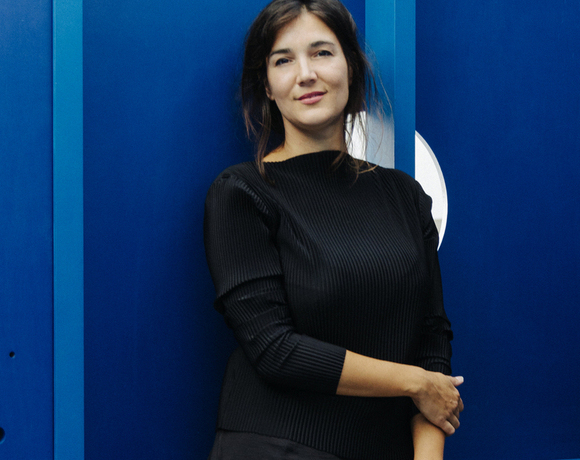
Caterina Viguera Studio
Immersing in New Forms of Architecture
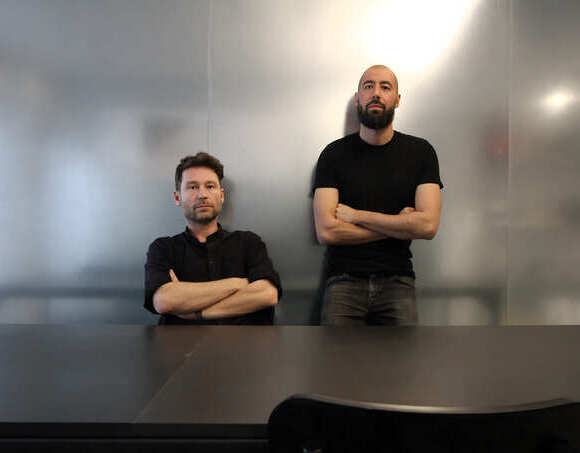
r2a architectes
Local Insights, Fresh Perspectives
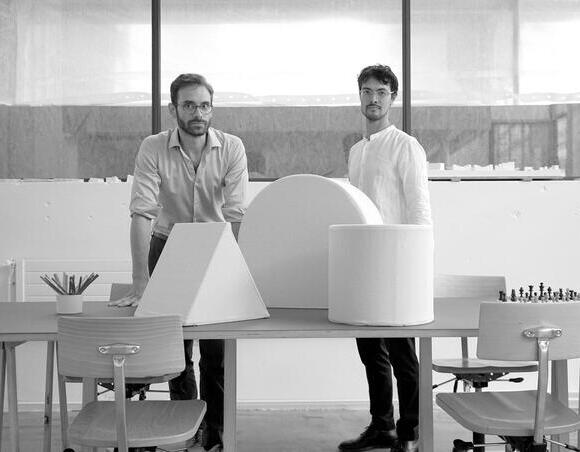
HertelTan
Timeless Perspectives in Architecture
That Belongs
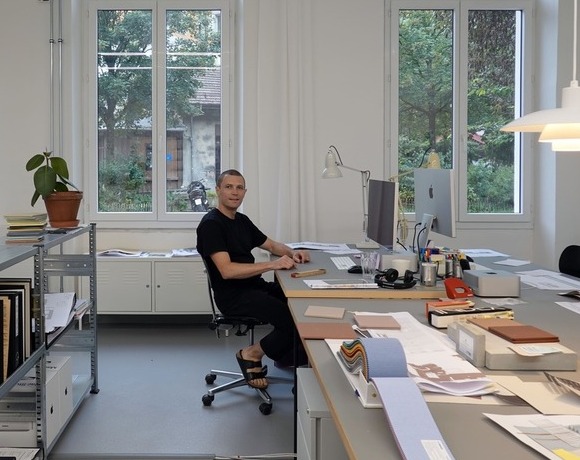
Nicolas de Courten
A Pragmatic Vision for Change
Atelier OLOS
Balance Between Nature and Built Environment
Associati
âCheap but intenseâ: The Associati Way
emixi architectes
Reconnecting Architecture with Craft
baraki architects&engineers
From Leftovers to Opportunities
DARE Architects
Material Matters: from Earth to Innovation
KOMPIS ARCHITECTES
Building from the Ground Up
Fill this form to have the opportunity to join the New Generations platform: submissions will be reviewed on a daily-basis, and the most innovative practices will have the chance to be part of the media's coverage and participate in our cultural agenda, including events, research projects, workshops, exhibitions and publications.
New Generations is a European platform that investigates the changes in the architectural profession ever since the economic crisis of 2008. We analyse the most innovative emerging practices at the European level, providing a new space for the exchange of knowledge and confrontation, theory, and production.
Since 2013, we have involved more than 3.000 practices from more than 50 countries in our cultural agenda, such as festivals, exhibitions, open calls, video-interviews, workshops, and experimental formats. We aim to offer a unique space where emerging architects could meet, exchange ideas, get inspired, and collaborate.
An original idea of New Generations
Team & collaborators: Gianpiero Venturini, Marta HervĂĄs Oroza, Elisa Montani, Giuliana Capitelli, Kimberly Kruge, Canyang Cheng
If you have any questions, need further information, if you'd like to share with us a job offer, or just want to say hello please, don't hesitate to contact us by filling up this form. If you are interested in becoming part of the New Generations network, please fill in the specific survey at the 'join the platform' section.
Material Intelligence as Practice
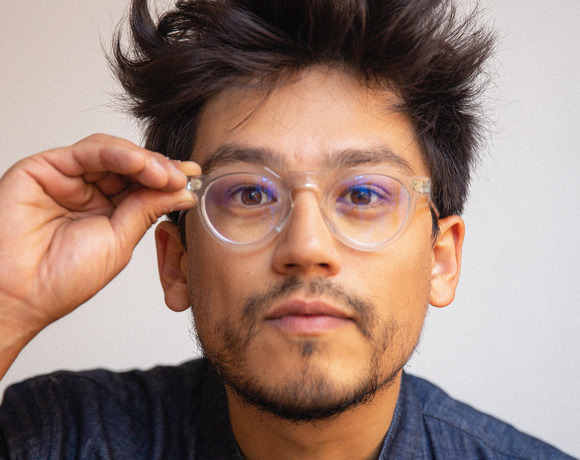
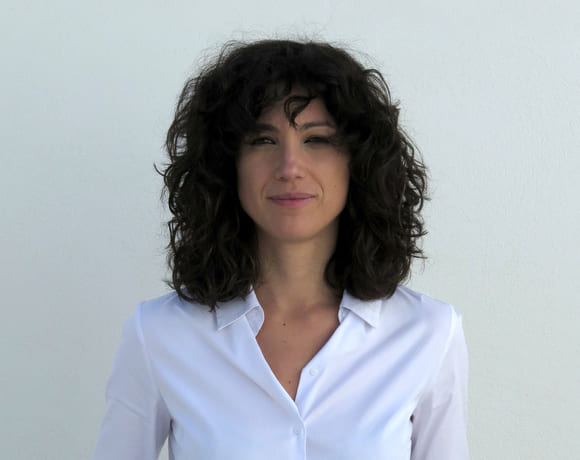
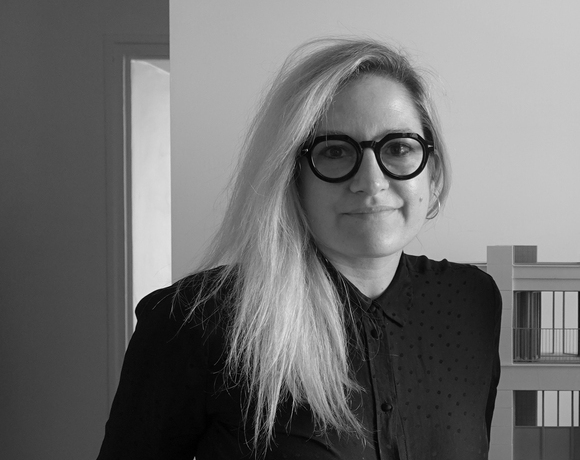
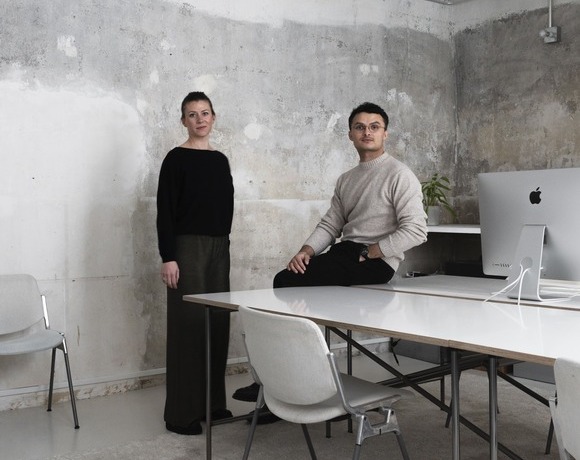
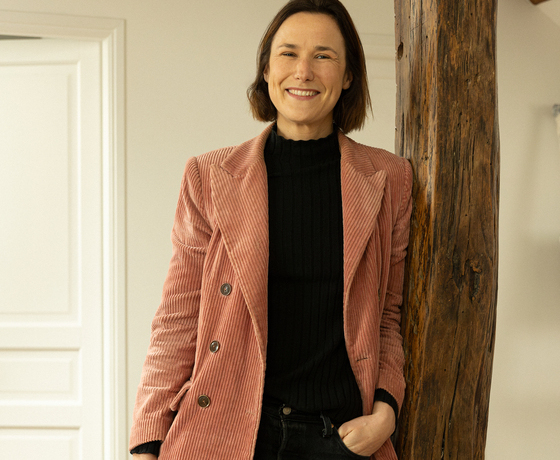
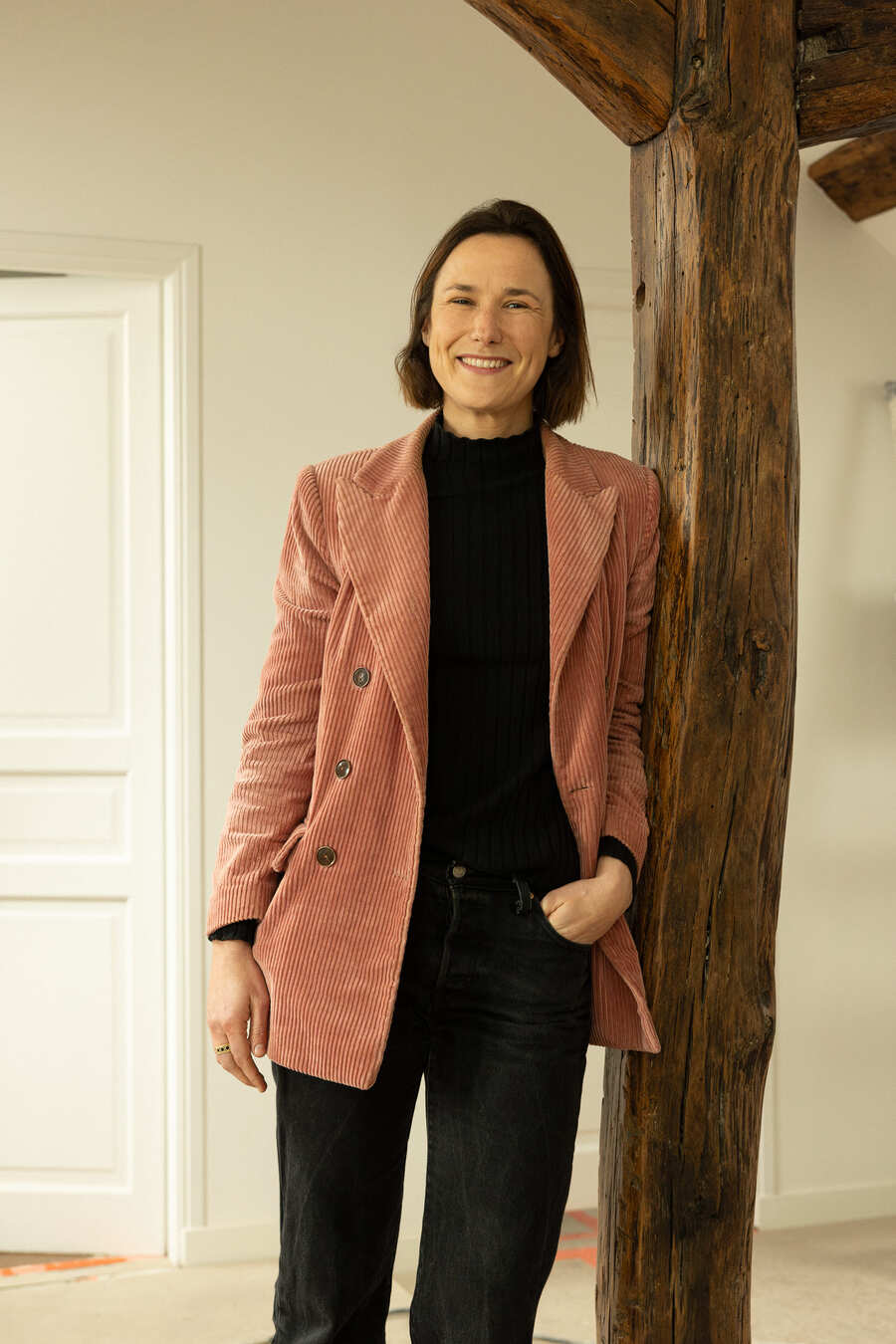
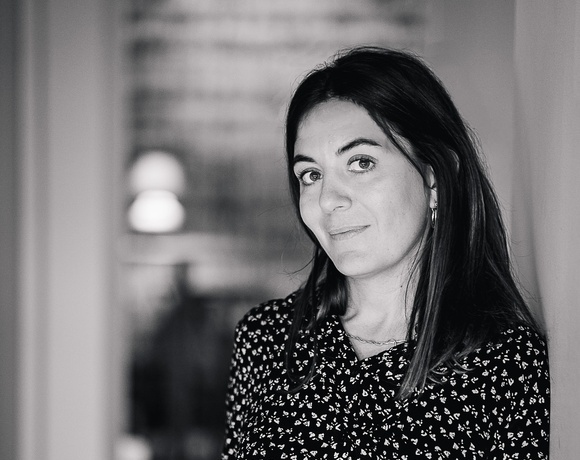
Upsilon is an architecture and engineering practice led by Clémence Yon, working between Paris and Brittany. The office takes the existing built environment as its primary material: transforming rather than demolishing, reusing rather than producing. Upsilon activates the social, environmental, and heritage potential of what is already there. Its dual expertise as architects and engineers shapes a rigorous methodology based on in-depth diagnostics, bioclimatic design, and a material approach grounded in performance and construction logic. Combining technical precision with architectural sensitivity, the practice develops resource-conscious projects that seek to extend the life and value of the existing.
CY: Clémence Yon
Opening paths in Paris
CY: In the dynamic and competitive world of architecture, Iâve become very aware of the many architecture offices in Paris, both through my personal connections and social media. Iâm particularly impressed by the maturity and quality of work coming from the new generation of architects. Itâs common to see offices founded less than five years ago that already have access to major projects and are designing at an exceptionally high level. Whatâs striking to me is how impressive this is, given that architecture takes timeâthere are often years between first connecting with a client and finally seeing a project built. In my case, after seven years of work, Iâm only now starting to see the first results.
Paris is a big city, but within the architecture world, we often cross paths. There are places like the Pavillon de lâArsenal, a kind of home for architecture, where we meet at exhibitions or talks. We hear each otherâs names, even if we donât all know each other personally. Whatâs also inspiring is how these new offices engage with themes I work on as wellâreuse, refurbishment, using fewer materials, and avoiding demolition. Some are even rethinking how practices are structured, with four, five, or six partners instead of the traditional model, maintaining a flexible structure capable of providing immediate solutions to complex problems. This diversity of practices creates a dynamic ecosystem, making it one of the most exciting times to be an architect in Paris.
Over the past seven years, Iâve never had to worry about not having enough work. Iâve worked hard to get here, attending numerous meetings and networkingâboth in the public and private sectorsâto stay ahead of new projects. As a result, Iâve never been in a position where I had to scramble for work. That said, I know it can be tough for young firms to access quality projects. In the public sector, clients often ask for references before giving out a project. But if youâre just starting, you have to be innovative in telling your storyâshowing how smaller projects had complexity, making the case that your experience is relevant. The first project is the hardest to get, but once you have it, opportunities open up.
Between logic and intuition
CY: My background combines two very different types of education. I first studied engineering, and I was taught to start with a broad set of hypotheses and narrow them down to a solution. Then, in architecture school, it was the oppositeâwe began with strict constraints and had to expand our thinking, drawing from memories, environment, and intuition. Switching between these two mindsets was the hardest part of my education, but itâs also what makes my practice unique. I always approach topics from both perspectives, which enriches my work and fuels discussions with my team. Many of them also have backgrounds in both engineering and architecture, so we naturally explore multiple angles before merging them into a final approach.
Before starting my own practice, there were four key experiences that shaped me. First, my dual educational background in engineering and architecture. I studied engineering at LâĂcole Centrale-SupĂ©lec in Paris, then moved to London, specialising in Design and Environmental Engineering at the Bartlett School. Afterward, I returned to Paris to continue my studies at the Paris-Belleville School of Architecture. It was inspiring to see how, in other countries, engineering and architecture are more deeply integrated. There, I learned the importance of diagnosing the existing conditions before starting any studyâsomething that still influences my approach today. Then, I worked for Alejandro Aravenaâs practice in Chile. Initially, I was recruited as an engineer to help develop construction details for the incremental housing projects, where families build half of their homes themselves. The challenge was to make construction as simple as possible for future residents while maintaining quality. Over time, I had to embrace both the engineering and architectural aspects, focusing not just on technical solutions but on how people would actually use and complete their homes. This experience taught me that good detailing isnât just about precisionâitâs about making things simple and functional. After this experience, I joined Anne DĂ©miansâ office in Paris, which works on large-scale projects like office campuses and high-risesâvery different from what I do now. I spent three and a half years following a construction site from start to finish, which gave me a deep understanding of how projects are actually built. That experience solidified my belief that, as architects, we need to stay involved throughout construction to ensure our designs are realised as intended.
Finally, the turning point came in 2018. I was visiting my family in Brittany when Cyclone Carmen hit, devastating the coastline and harbour of my hometown, Crozon. At the time, I wasnât yet fully independentâI was still employedâbut I went to the local authorities and suggested we start discussions about how to rebuild. I even sketched out some initial ideas to get the conversation started. Over the next year, we collaborated with local architects and technical teams, developing a vision for the reconstruction. At first, it was purely out of concern for my hometown, but over time, I realised I wanted to be directly involved in the process. Thatâs when I decided to start my own practice. The town eventually launched a public competition for the reconstruction, and thanks to the groundwork I had laid, my office won a part of the project. That became Upsilonâs first commission. Looking back, it wasnât something I planned. I wasnât actively searching for a way to start my own practiceâit just evolved naturally. But the opportunity in Crozon gave me the push to start something of my own. I remember speaking with the mayor, who explained how the reconstruction would be divided into three phases. Thatâs when I knew I had to structure my office so I could compete for at least one of them.
Balancing acts
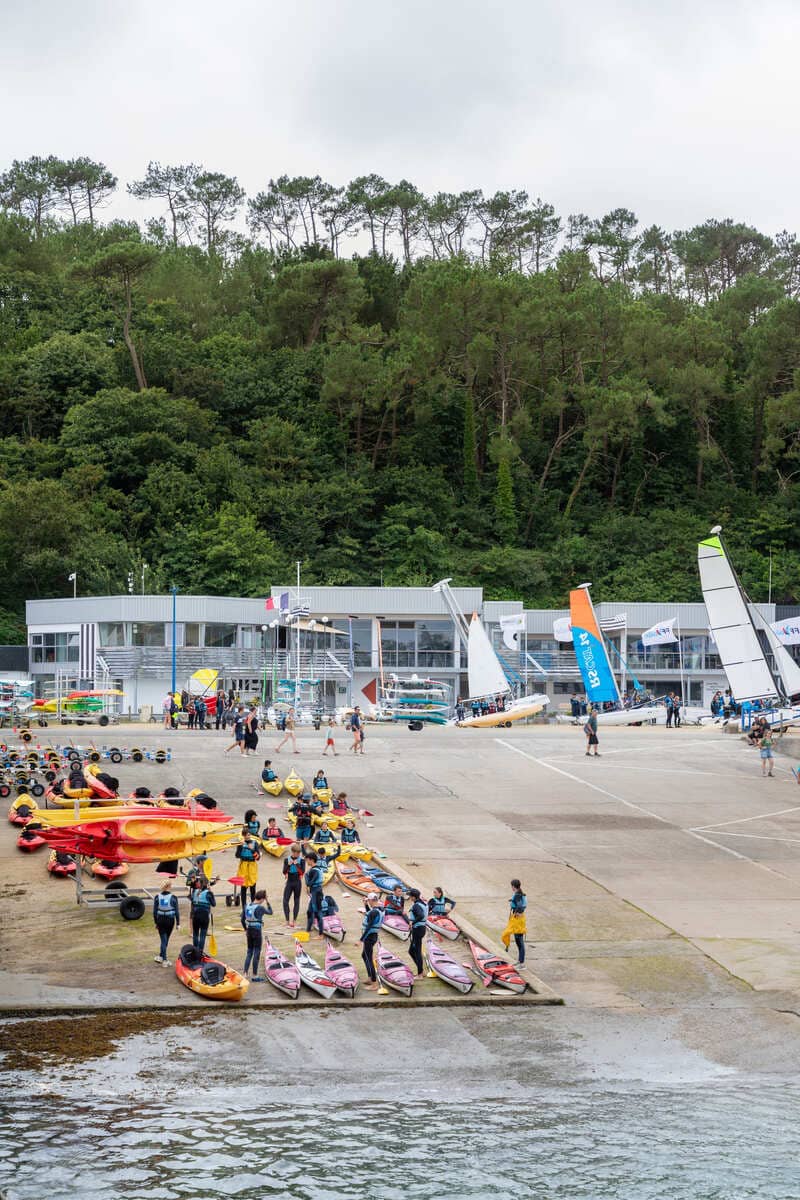
CY: My first project was in Crozon. It took a long time to engage with people and develop the idea, and in the end, I only secured a small refurbishment project for the harbour offices and the sailing centre. In terms of time versus money, it wasnât particularly efficient, but it was incredibly rewarding and fascinating to be in the upstream part of the process. Meanwhile, I developed my own activities in Paris to support myself. After a year or two, as the project in Brittany took shape, I realised it could be valuable to maintain both. Thereâs a growing trend among emerging practices like mine to position themselves between the city and more rural areas, where new opportunities have been emerging in the wake of the pandemic.
In Paris, I worked in the private sector, which was fascinating because many of the cityâs most beautiful buildings are owned by banks, insurance companies, and property managers. These clients operate under strict regulations but also prioritise quality since they own their buildings for the long term. Their goals often align with ours in aiming for sustainable, high-quality projects. In Brittany, working with the public sector exposed me to very different project types and scales, making for a rich contrast. After three or four years, my practice was evenly split: I spent one week in Brittany, one week in Paris. It was interesting, but exhausting, especially after the birth of my first son. I had to re-centre my activity in Paris and, at the same time, structure my team, creating a stable foundation.
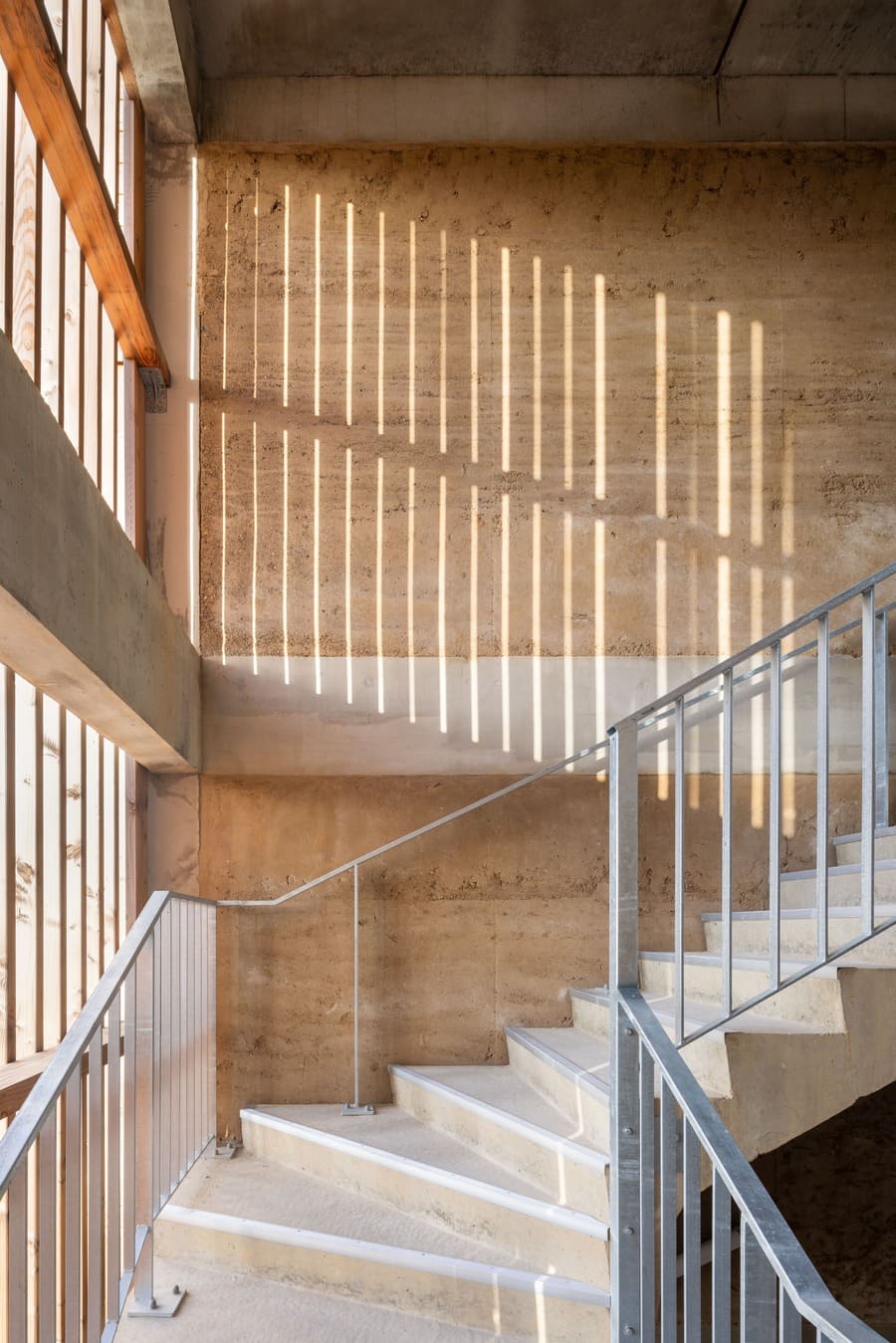
As for project diversity, I like to renew and challenge myself every year by working with different types of clients and scales. I started with private sector refurbishments in Paris, then moved to public projects in Brittany. Quickly, I experimented with new construction, using re-employed materials like shipping containers, such as in the project Saint Jacques for emergency housing in Saint Jacques de la Lande, and local earth, such as in the project Kerlinou for social housing in Brest. But I questioned the impact of new builds, so I returned to refurbishment, this time focusing on preservation and reuse of the existing building and materials. I recently started to work on a new theme: office conversions. With many large buildings abandoned post-COVID, we worked on transforming them into housing and community spaces. This has been a new and exciting challenge.
A method for change
CY: Our core focus lies in the transformation of existing buildings. Sometimes we build new, but almost always in relation to an existing structure. I approach this urgency from three angles: social, ecological, and aesthetic. Socially, refurbishment helps accommodate demographic shifts, preventing disruption in city centres while creating affordable housing. Ecologically, it reduces demolition and material waste. Aesthetically, historic buildings often have qualities we struggle to replicate in new construction, making preservation an obvious choice. Our work mainly focuses on transformation, conversion, refurbishment, and extensionsâessentially, regeneration. When our work deals with new construction, we incorporate reuse as the core idea of the design, like the emergency housing unit built entirely from repurposed shipping containers or the social housing project where we used site-excavated earth for the walls.
To support this approach, we developed a precise methodology. Every project begins with an in-depth diagnostic phase, where we negotiate with clients to take the time necessary to study existing conditions and on-site resources. The goal is to preserve as much as possible and only demolish when absolutely necessary. When demolition is unavoidable, we prioritise reusing materials within the project. This requires client educationâexplaining why weâre keeping certain elements and how any removed materials will be repurposed. I have a team member who specialises in this fieldâan engineer with a consulting role across all projects. He ensures we integrate reuse strategies from the very beginning because if we consider reuse too late, itâs already impossible to implement effectively. Another key team member focuses on material sourcing. She collaborates with companies, producers, and suppliers to find ecological, high-quality materials suited to each projectâs constraints and objectives. Working with existing buildings means every project has unique details that must be carefully considered. We prioritise intelligent solutions that minimise material use and avoid overly complex or resource-intensive approaches.
Our team is structured into two main groups. One focuses on diagnostics, resource analysis, and sustainability strategies, ensuring each project adheres to our methodology. The other manages client interactions and oversees daily project execution. Maintaining a stable team is difficult, but weâve built a solid foundation. At the very least, the three of us working on diagnostics, reuse, and material sourcing are committed for the long term. My role is more transversalâI oversee the big picture, ensuring refurbished buildings meet contemporary comfort and regulation standards. This is particularly challenging without defaulting to standard insulation or heating solutions that might not be suited to the buildingâs materials, whether itâs wood, stone, or metal. My engineering background helps me navigate these challenges and select appropriate materials for long-lasting, high-performance and cost-effective results.
Adaptive workspaces and material experimentation
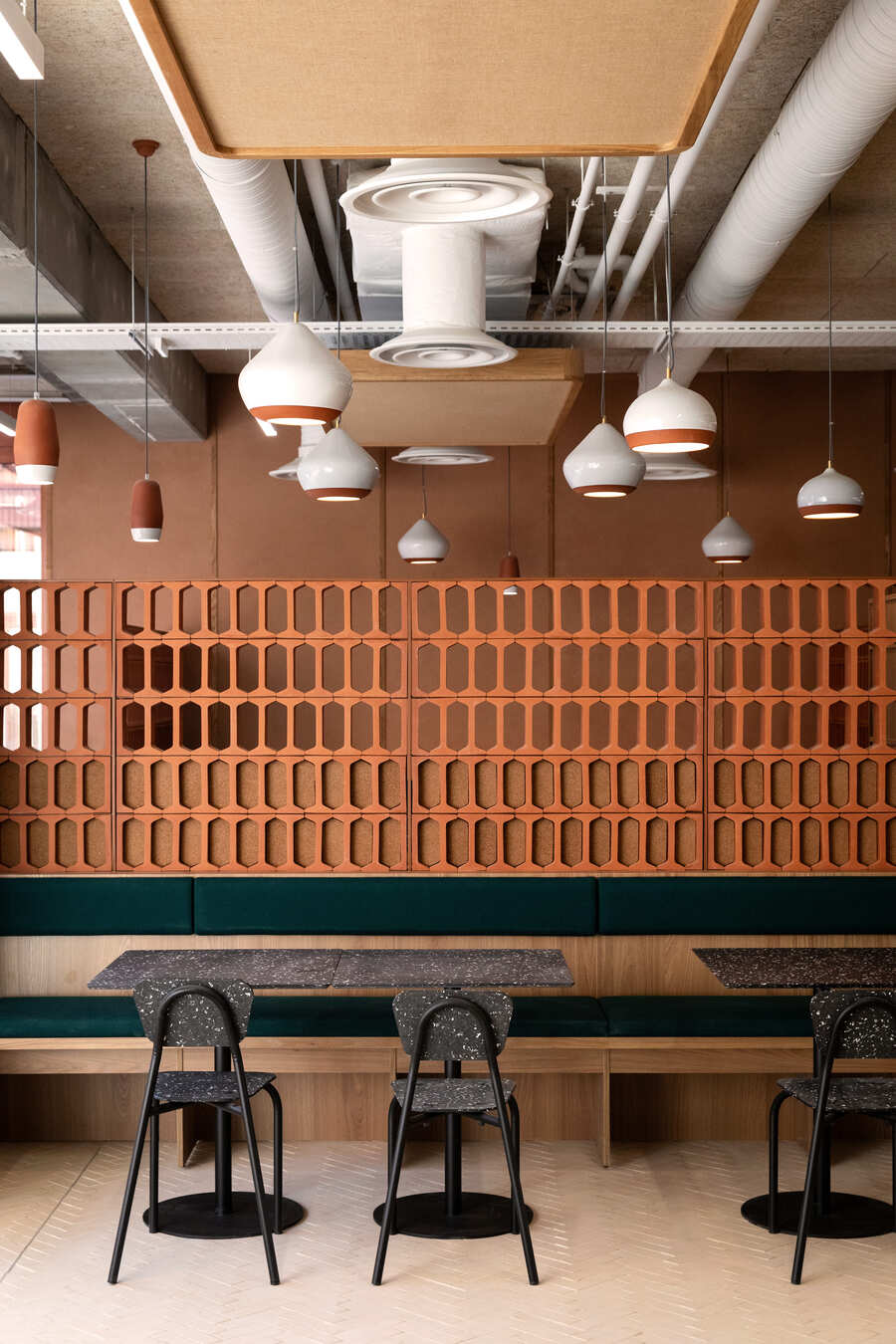
CY: Right now we work with a fairly even balance between private and public clients, and I intend to keep it that way. I like this equilibrium because when the public sector slows down, the private sector is often stronger, and vice versa. It is a more resilient approach in uncertain times. The projects are also quite different, which keeps things interesting and allows us to engage with a wide range of issues. In 2025, we won two large competitions, one of them for the refurbishment of a major office building in Montreuil, just outside Paris. The project, called Terranova, has now been completed. It involved a complete transformation of the building to accommodate offices, restaurants, and a wide range of services for the workplace. From the outset, the program was very flexible, and in our competition proposal we described the building as a potential destination in itself, with a strong identity, its own climate, and its own culture. We used the project as a space for experimentation, both in terms of use and materials. On the programmatic side, we placed sport, mobility, and outdoor spaces at the centre of the design. On the material side, we focused heavily on on-site reuseâceilings, floors, walls, acoustic panelsâand introduced local and natural materials such as earth and brick, aiming to improve air quality and create a more vibrant atmosphere, which remains uncommon in office environments. We also developed key furniture elements in rammed earth. The client supported a highly experimental approach throughout the process.
We also won another competition to extend a beautiful historic building in the 8th district of Paris, adding more housing in a historical courtyard. Itâs a small project, but weâre focusing on making it as sustainable and efficient as possible. This project for two villas will be in massive stone, wooden structure and bio-sourced insulation. It will be called HQE Excellent. We are reusing stone, pavement and bathroom equipment available onsite. We are sourcing the stone locally. We are transforming the traditional pavement courtyard into a permeable ground, reusing the same pavement to absorb rainwater.
A space for growth
CY: A few months ago, we moved into our new office, and Iâm really excited about this new chapter. We designed the space ourselves for a client weâve known for a long time â in fact, one of the first clients I ever worked with. By chance, they were able to buy the building, which made the project even more special. Thereâs a strong sense of trust between us, and because itâs such a personal project for them, they gave us the opportunity to design something we truly believe in, including our own office space, which marks a significant change for us.
Itâs also located in an area that perfectly reflects the kind of projects we work on. The move has been a real turning point for us because it allowed me to experiment with ideas that we often canât fully explore in other projects due to budget constraints, technical complexity, or client preferences. Since this is also our own workspace, I had the opportunity to introduce design solutions that I might not have been able to implement elsewhere. We had much more freedom, and the client is deeply committed to sustainability and energy performance, which gave us the chance to further explore these aspects. Designing a space where we actually work every day is especially exciting. Itâs an opportunity to push further the values we already focus on in our practice, such as the reuse of existing materials, the use of natural materials, and energy-efficient design strategies. The office is organised around three particularly important spaces. First, there is the meeting room, which plays a central role in our daily activities. Since I spend a great deal of time meeting with clients and collaborating with the team, we wanted to create a comfortable environment where people could spend long periods throughout the day. Then there is the material library, which brings together all the materials we work with. It takes the form of a large, highly scenographic wall with a strong presence within the space. Beyond simply displaying materials, it has also become a place where we often go to concentrate or even meet with clients. Finally, there is the courtyard, which offers a very pleasant outdoor space and allows us to remain constantly connected with the exterior.
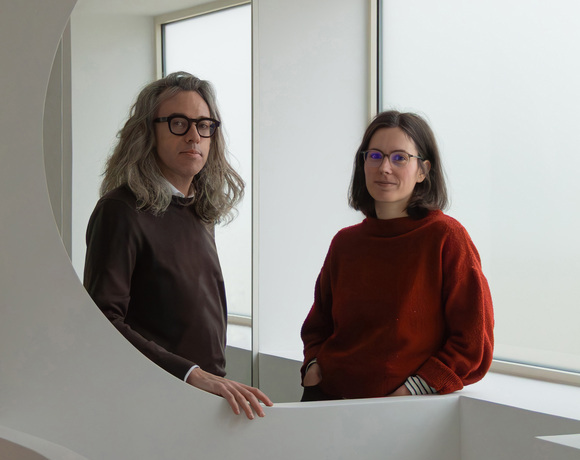
âĄïž Upsilon. ClĂ©mence Yon. Ph. Alexandre Onimus
âĄïž Terranova, Montreuil. Ph. BCDF Studio
âĄïž Kerlinou, Brest. Ph. Pascal Leopold
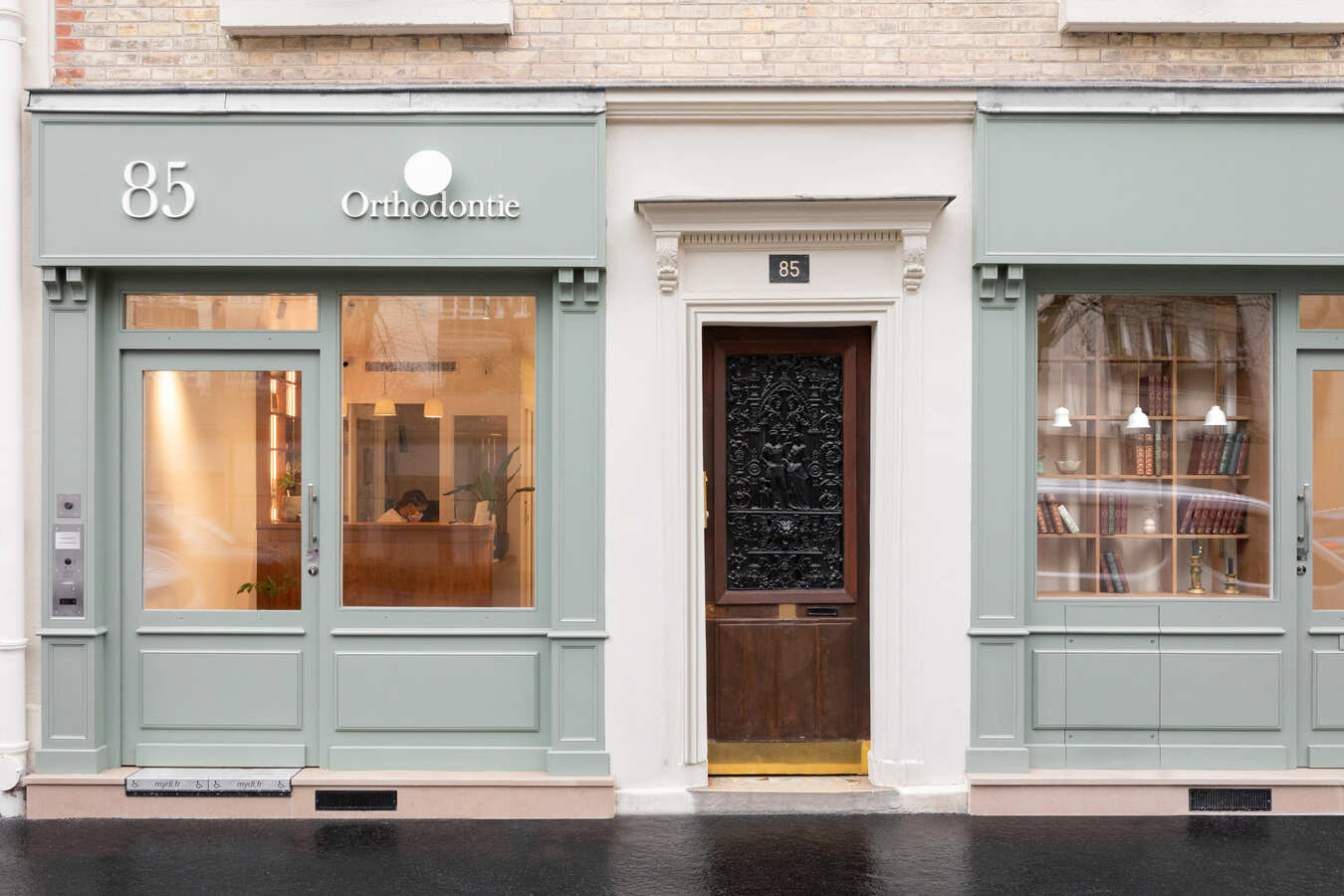
âĄïž Pascal, Paris. Ph. BCDF Studio
âĄïž Quai Kador, Crozon. Ph. Pascal Leopold
âĄïž Le Porzic, Crozon. Ph. Morgane Delfosse