Martial Marquet
Where Design and Community Converge
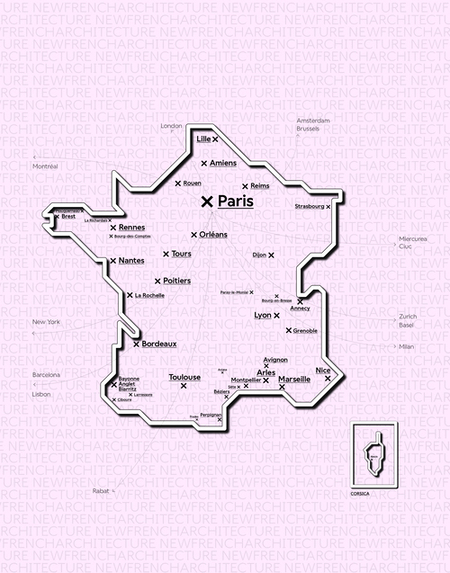
New French Architecture
An Original Idea by New Generations
Samuel Gloess Architectes
Architecture That Moves With the Future
Upsilon
Material Intelligence as Practice
UR
Integrated, Multiscalar Thinking
AspaĂŻ Architectes
Balancing Heritage and Innovation
OAR / OFFICE ABRAMI ROJAS
Starting Small, Thinking Deep
eluaÂŽ
Cinematic Practice
asnĂŠ achitecture
Material Roots, Precise Vision
Studio Classico
Breaking conventions with Studio Classico
Gwendoline Eveillard Studio
The Challenge of Reuse
KIDA
From Playground to Practice
atelier mura scala
Aiming at Peripheral Futures
rerum
A Laboratory for Urban Transformation
Le Studio Sanna BaldĂŠ
Bodies and Communities, First
QSA
A Journey of Reinvention and Adaptation
LDA Architectes
Practising Responsiveness
Atelier Sierra
Geographies of Practice
nicolas bossard architecture
Evolution: Flat by Flat
Compagnie architecture
Culture on Site
Studio AlbĂŠdo
Strategic Acts of Architecture
FabricarĂŠ
Simplicity and Singularity In the Making
Renode
Renovation as Quiet Resistance
Kapt Studio
Pushing Boundaries Across Scales
Room Architecture
Between Theory, Activism, and Practice
AVOIR
Structural Unknowing
DRATLER DUTHOIT architectes
Crafting Local Language
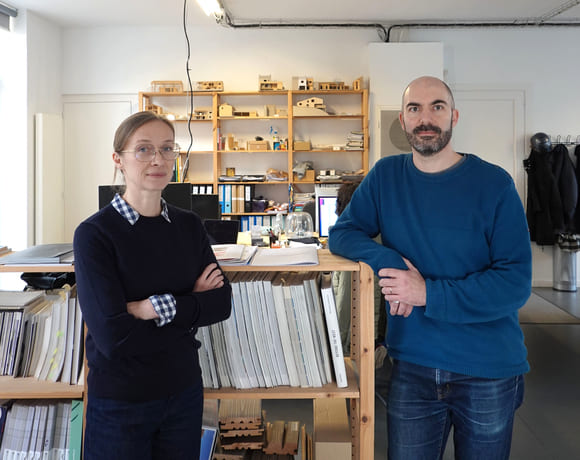
Claas Architectes
Building with the Region in Mind
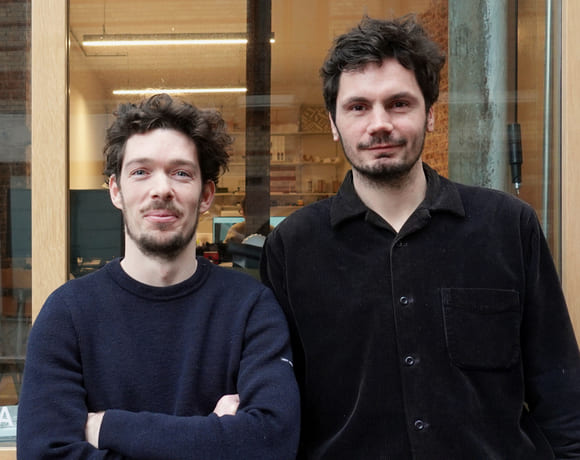
B2A - barre bouchetard architecture
Embracing Uncertainty in Architecture
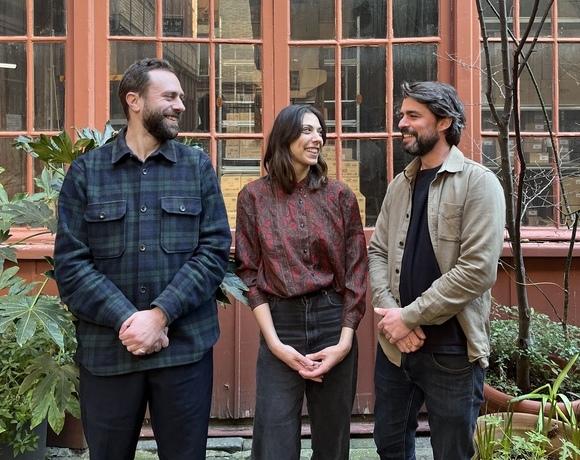
AcmĂŠ Paysage
Nurturing Ecosystems
Atelier Apara
Architecture Through a Pedagogical Lens
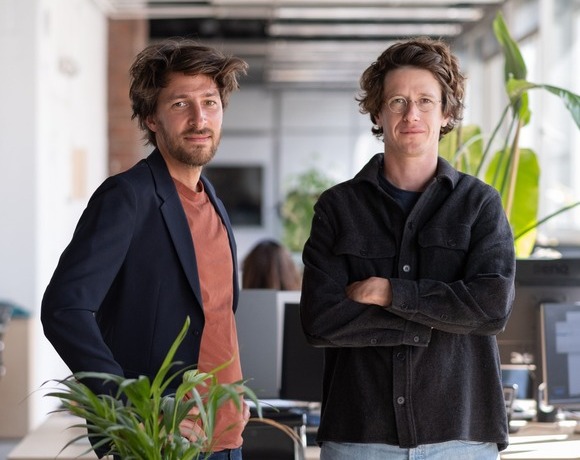
HEMAA
Designing for Ecological Change
HYPER
Hyperlinked Scales
Between Utopia and Pragmatism
Oblò
Dialogue with the Built World
Augure Studio
Revealing, Simplifying, Adapting
Cent15 Architecture
A Process of Learning and Reinvention
Pierre-Arnaud DescĂ´tes
Composing Spaces, Revealing Landscapes
BUREAUPERRET
What Remains, What Becomes
ECHELLE OFFICE
In Between Scales
Atelier
Rooted in Context, Situated at the Centre
AJAM
Systemic Shifts, Local Gestures
Mallet Morales
Stories in Structure
Studio SAME
Charting Change with Ambition
Lafayette
Envisioning the City of Tomorrow
Belval & Parquet Architectes
Living and Building Differently
127af
Redefining the Common
HEROS Architecture
From Stone to Structure
Carriere Didier Gazeau
Lessons from Heritage
a-platz
Bridging Cultures, Shaping Ideas
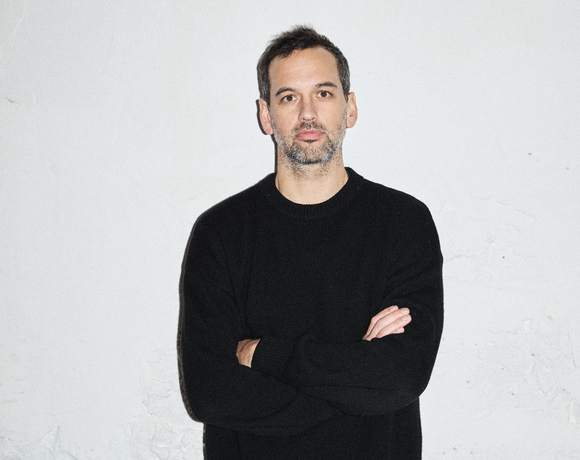
Rodaa
Practicing Across Contexts
Urbastudio
Interconnecting Scales, Communities, and Values
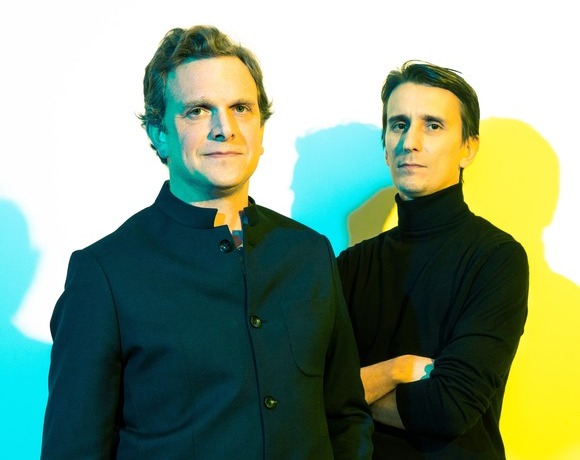
Oglo
Designing for Care
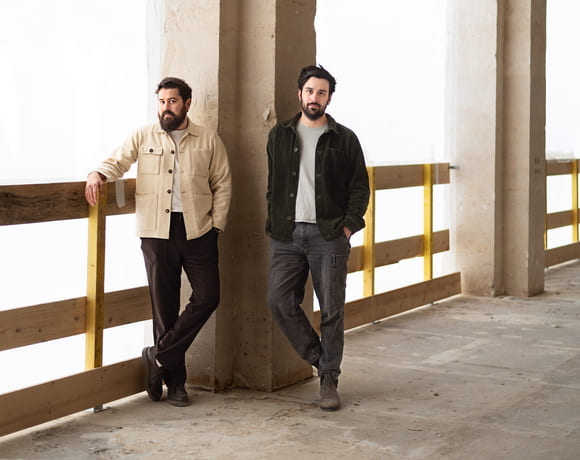
Figura
Figures of Transformation
COVE Architectes
Awakening Dormant Spaces
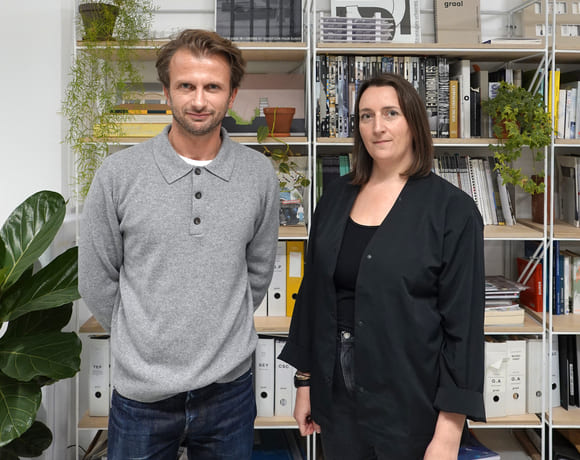
Graal
Understanding Economic Dynamics at the Core
ZW/A
United Voices, Stronger Impacts
A6A
Building a Reference Practice for All
BERENICE CURT ARCHITECTURE
Crossing Design Boundaries
studio mäc
Bridging Theory and Practice
studio mäc
Bridging Theory and Practice
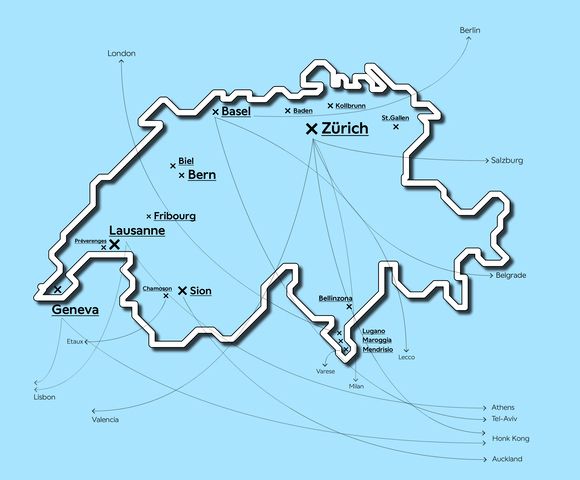
New Swiss Architecture
An Original Idea by New Generations
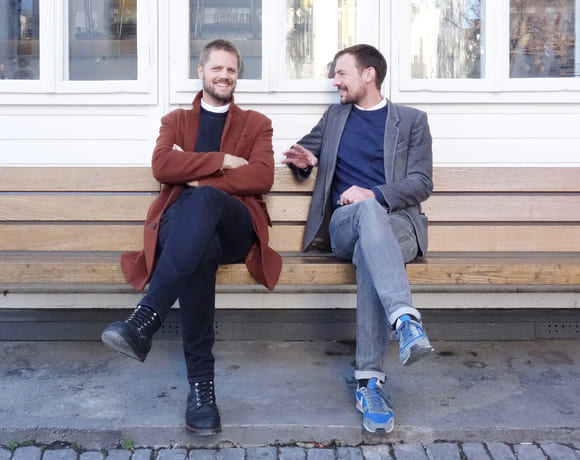
KUMMER/SCHIESS
Compete, Explore, Experiment
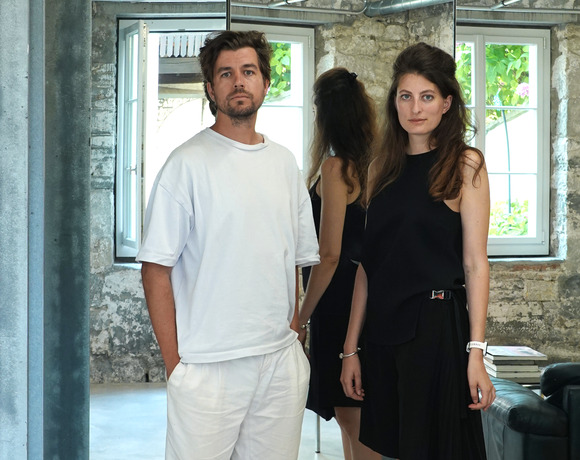
ALIAS
Stories Beyond the Surface
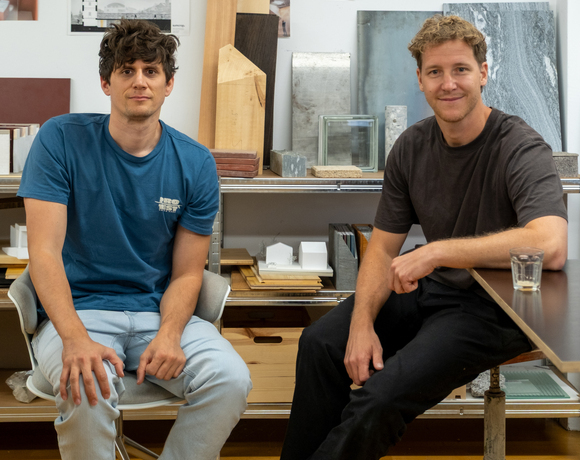
sumcrap.
Connected to Place
BUREAU/D
From Observation to Action
STUDIO ROMANO TIEDJE
Lessons in Transformation
Ruumfabrigg Architekten
From Countryside to Lasting Heritage
Kollektiv Marudo
Negotiating Built Realities
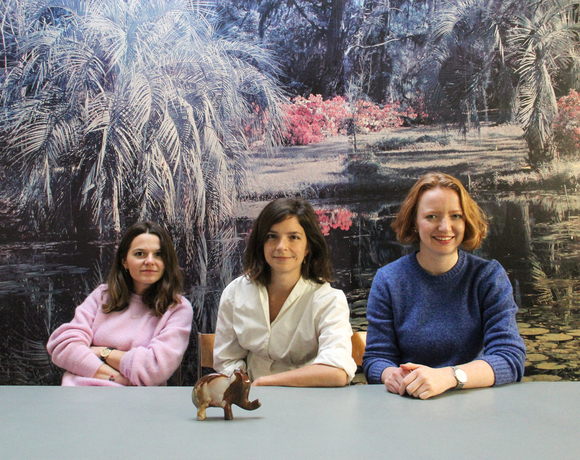
Studio Barrus
Starting byChance,Growing Through Principles
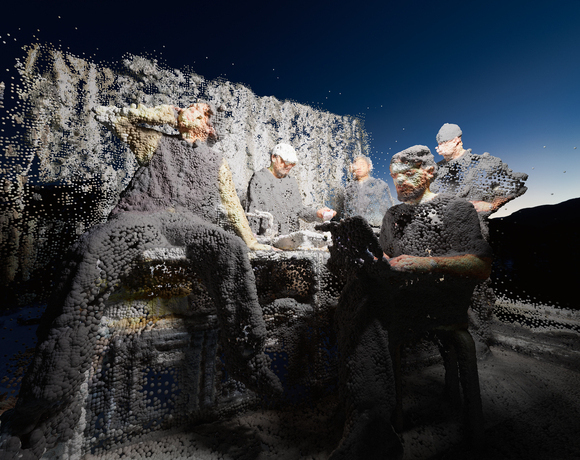
dorsa + 820
Between Fiction and Reality
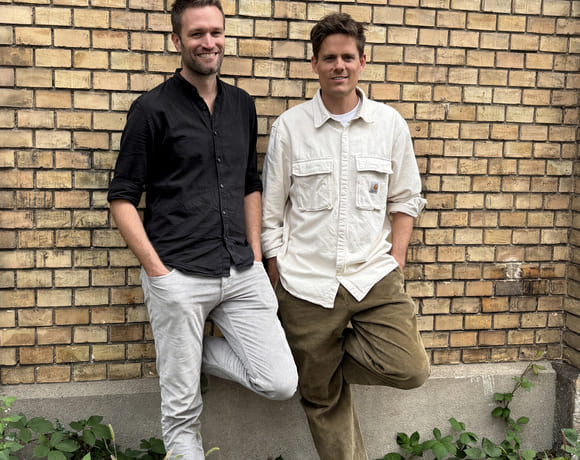
S2L Landschaftsarchitektur
Public Spaces That Transform
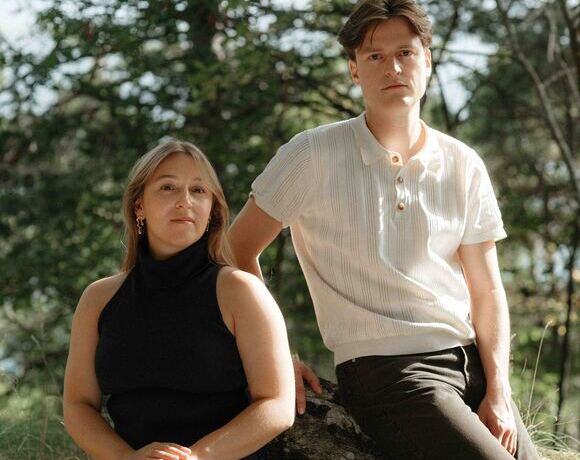
DER
Designing Within Local Realities
Marginalia
Change from the Margins
En-Dehors
Shaping a Living and Flexible Ecosystem
lablab
A Lab for Growing Ideas
Soares Jaquier
Daring to Experiment
Sara Gelibter Architecte
Journey to Belonging
TEN (X)
A New Kind of Design Institute
DF_DC
Synergy in Practice: Evolving Together
GRILLO VASIU
Exploring Living, Embracing Cultures
Studio â Alberto Figuccio
From Competitions to Realised Visions
Mentha Walther Architekten
Carefully Constructed
Stefan Wuelser +
Optimistic Rationalism: Design Beyond the Expected
BUREAU
A Practice Built on Questions
camponovo baumgartner
Flexible Frameworks, Unique Results
MAR ATELIER
Exploring the Fringes of Architecture
bach muĚhle fuchs
Constantly Aiming To Improve the Environment
NOSU Architekten GmbH
Building an Office from Competitions
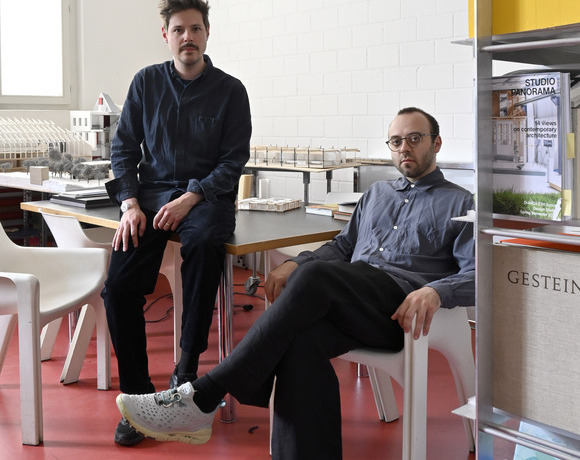
BALISSAT KAĂANI
Challenging Typologies, Embracing Realities
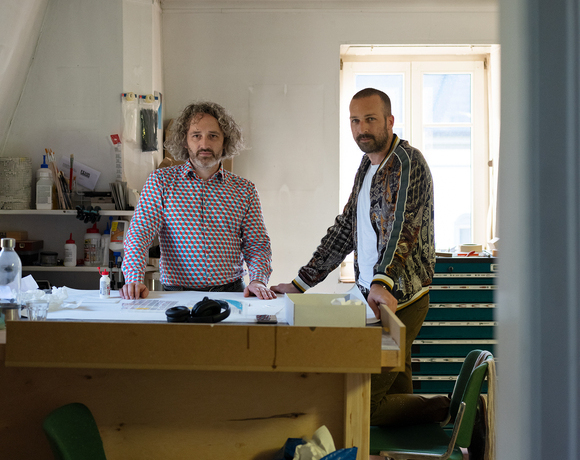
Piertzovanis Toews
Crafted by Conception, Tailored to Measure
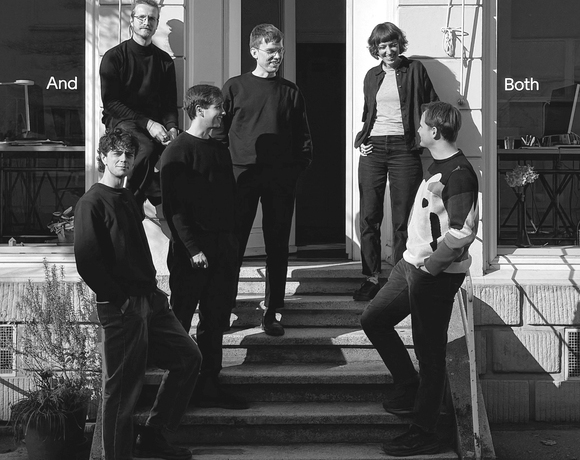
BothAnd
Fostering Collaboration and Openness
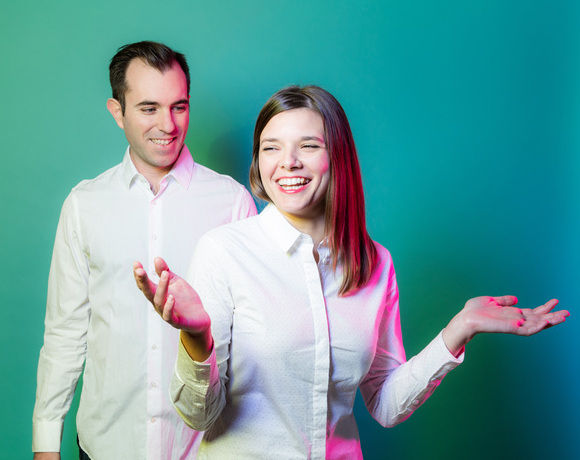
Atelier ORA
Building with Passion and Purpose
Atelier Hobiger Feichtner
Building with Sustainability in Mind
CAMPOPIANO.architetti
Architecture That Stays True to Itself
STUDIO PEZ
The Power of Evolving Ideas
Architecture Land Initiative
Architecture Across Scales
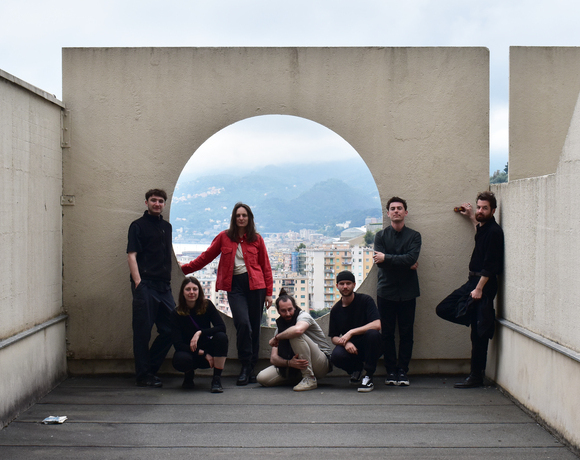
ellipsearchitecture
Humble Leanings, Cyclical Processes
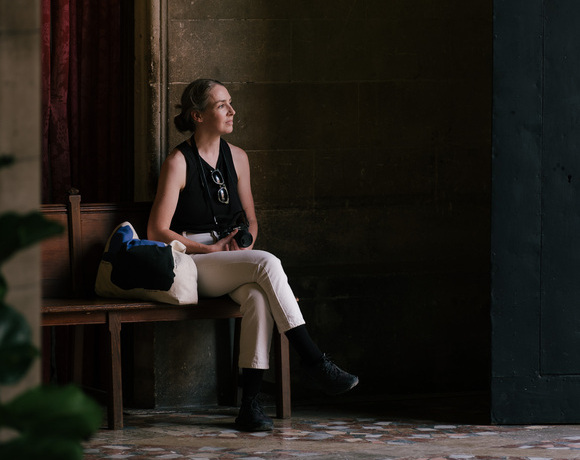
Sophie Hamer Architect
Balancing History and Innovation
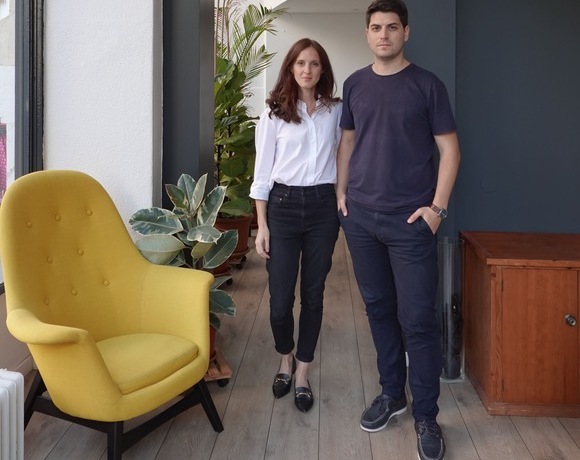
ArgemĂ Bufano Architectes
Competitions as a Catalyst for Innovation
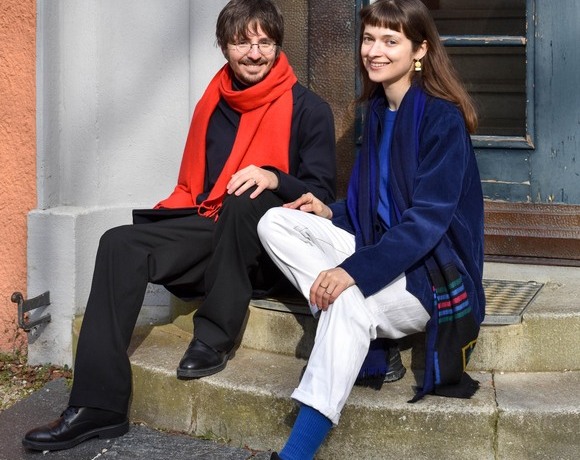
continentale
A Polychrome Revival
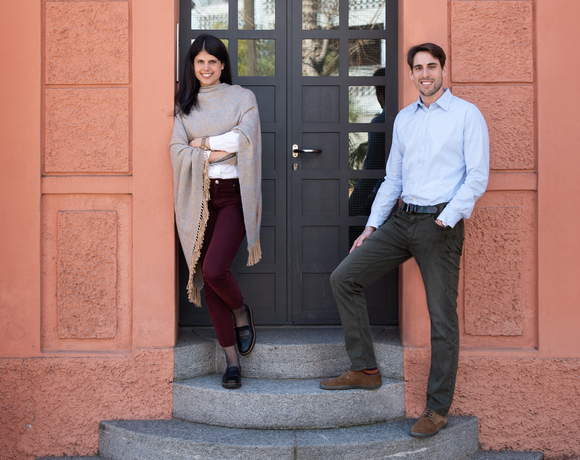
valsangiacomoboschetti
Building With What Remains
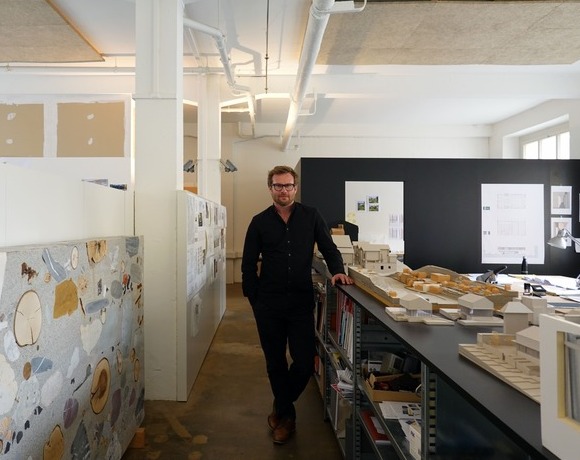
Oliver Christen Architekten
Framework for an Evolving Practice
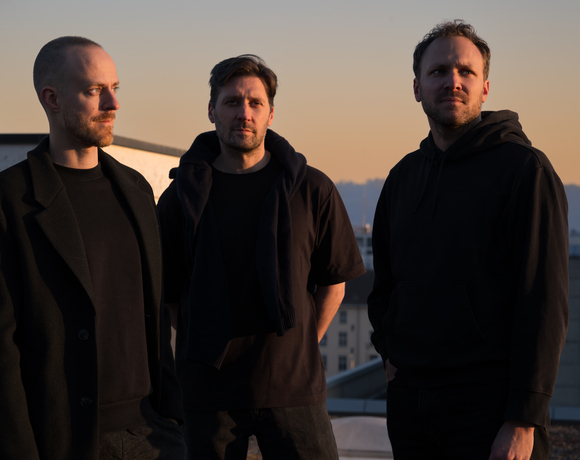
MMXVI
Synergy in Practice
Balancing Roles and Ideas
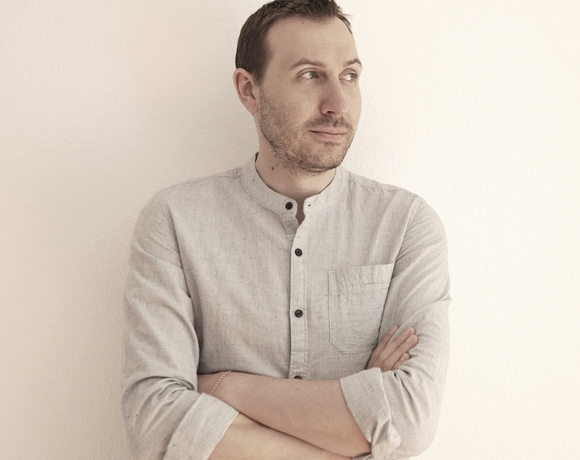
studio 812
A Reflective Approach to
Fast-Growing Opportunities
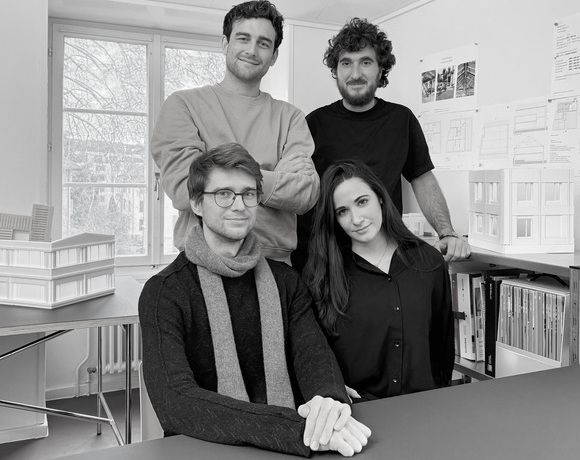
STUDIO4
The Journey of STUDIO4
Holzhausen Zweifel Architekten
Shaping the Everyday
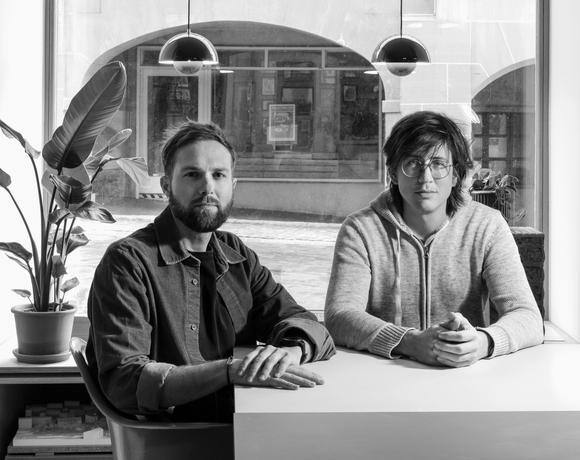
berset bruggisser
Architecture Rooted in Place
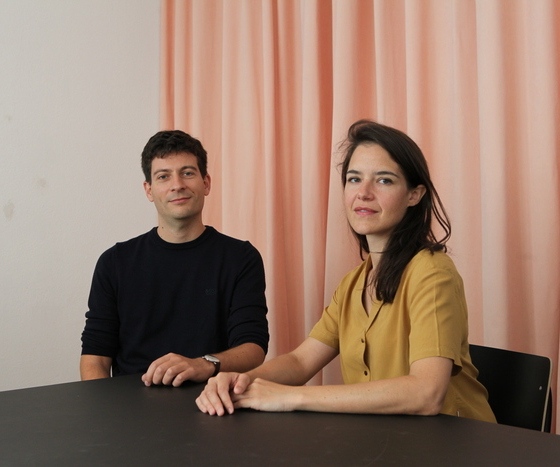
JBA - Joud Beaudoin Architectes
New Frontiers in Materiality
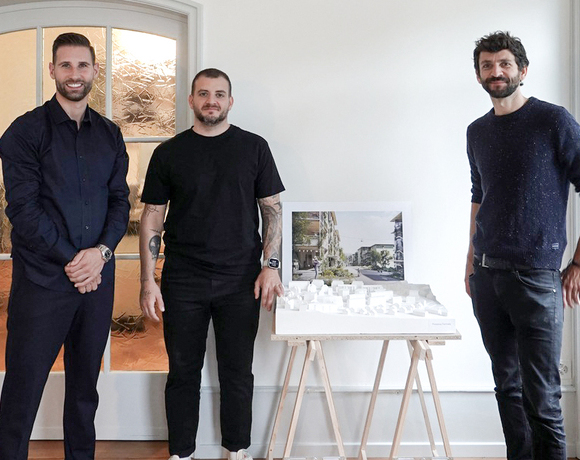
vizo Architekten
From Questions to Vision
Atelier NU
Prototypes of Practice
Atelier Tau
Architecture as a Form of Questioning
alexandro fotakis architecture
Embracing Context and Continuity
Atelier Anachron
Engaging with Complexity
SAJN - STUDIO FĂR ARCHITEKTUR
Transforming Rural Switzerland
guy barreto architects
Designing for Others, Answers Over Uniqueness
Concrete and the Woods
Building on Planet Earth
bureaumilieux
What is innovation?
apropaĚ
A Sustainable and Frugal Practice
Massimo Frasson Architetto
Finding Clarity in Complex Projects
Studio David Klemmer
Binary Operations
Caterina Viguera Studio
Immersing in New Forms of Architecture
r2a architectes
Local Insights, Fresh Perspectives
HertelTan
Timeless Perspectives in Architecture
That Belongs
Nicolas de Courten
A Pragmatic Vision for Change
Atelier OLOS
Balance Between Nature and Built Environment
Associati
âCheap but intenseâ: The Associati Way
emixi architectes
Reconnecting Architecture with Craft
baraki architects&engineers
From Leftovers to Opportunities
DARE Architects
Material Matters: from Earth to Innovation
KOMPIS ARCHITECTES
Building from the Ground Up
Fill this form to have the opportunity to join the New Generations platform: submissions will be reviewed on a daily-basis, and the most innovative practices will have the chance to be part of the media's coverage and participate in our cultural agenda, including events, research projects, workshops, exhibitions and publications.
New Generations is a European platform that investigates the changes in the architectural profession ever since the economic crisis of 2008. We analyse the most innovative emerging practices at the European level, providing a new space for the exchange of knowledge and confrontation, theory, and production.
Since 2013, we have involved more than 3.000 practices from more than 50 countries in our cultural agenda, such as festivals, exhibitions, open calls, video-interviews, workshops, and experimental formats. We aim to offer a unique space where emerging architects could meet, exchange ideas, get inspired, and collaborate.
An original idea of New Generations
Team & collaborators: Gianpiero Venturini, Marta HervĂĄs Oroza, Elisa Montani, Giuliana Capitelli, Kimberly Kruge, Canyang Cheng
If you have any questions, need further information, if you'd like to share with us a job offer, or just want to say hello please, don't hesitate to contact us by filling up this form. If you are interested in becoming part of the New Generations network, please fill in the specific survey at the 'join the platform' section.
Where Design and Community Converge
Martial Marquet Studio is an architecture and design practice specialising in public space design, furniture, and urban installations. Its expertise lies in creating structures and objects that are minimal yet expressive, combining clarity of construction with sensitivity to context, material, and use.
MM: Martial Marquet
From singular to collective
MM: The evolution and growing diversity of architectural practices is something I find particularly fascinating. In the early 2000s, fresh graduates often gravitated towards joining larger firms or those with established reputations, seeing it as the natural next step in their careers. But in France, weâve never really had a strong culture of large firms like you see in the Anglo-Saxon worldâplaces like the U.S., the U.K., or even Northern Europe. Here, most firms are intermediate in size, typically around 20 to 30 people, which is already considered large by our standards.
Thereâs also this deep-rooted tradition of the single-architect practice. Historically, thatâs been a significant part of our architectural culture. But I think things have shifted since then. In the 2000s, graduates were looking to join these big or intermediate-scale offices. Today, though, thereâs more of a focus on self-development and a stronger sense of what it means to be an architect. People now seek meaning and purpose in their work. It feels like many large and even intermediate-sized practices arenât offering enough of that, and itâs driving youngerâand even mid-careerâarchitects to establish their own practices, to create something personal and independent. I see this as one of the reasons behind the growing diversity in our field. I personally feel part of this evolution; after working as an employee and then as a freelancer, I started my own practice with clear ideas of how I wanted to work. I think these individual visions contribute to the variety weâre seeing now.
Space calls
MM: Our studio is based in La Courneuve, a suburb of Paris. This area used to have a reputation as a no-go zone, but things are changing. Our building is part of a collective of ateliersâworkshops for artists, designers, cabinet makers, metalworkers, woodworkers, and even textile artisans. This setup allows us to connect and collaborate with others, which is something I really value.
One of the main reasons weâre here is space. Itâs nearly impossible to find a place in Paris where you can have both an office and a workshop. For over ten years, I couldnât find anything like that in the city, so moving to the suburbs made sense. Iâve also lived in the outskirts of Paris for 14 years, so it felt natural to create a new dynamic here in Seine-Saint-Denis.
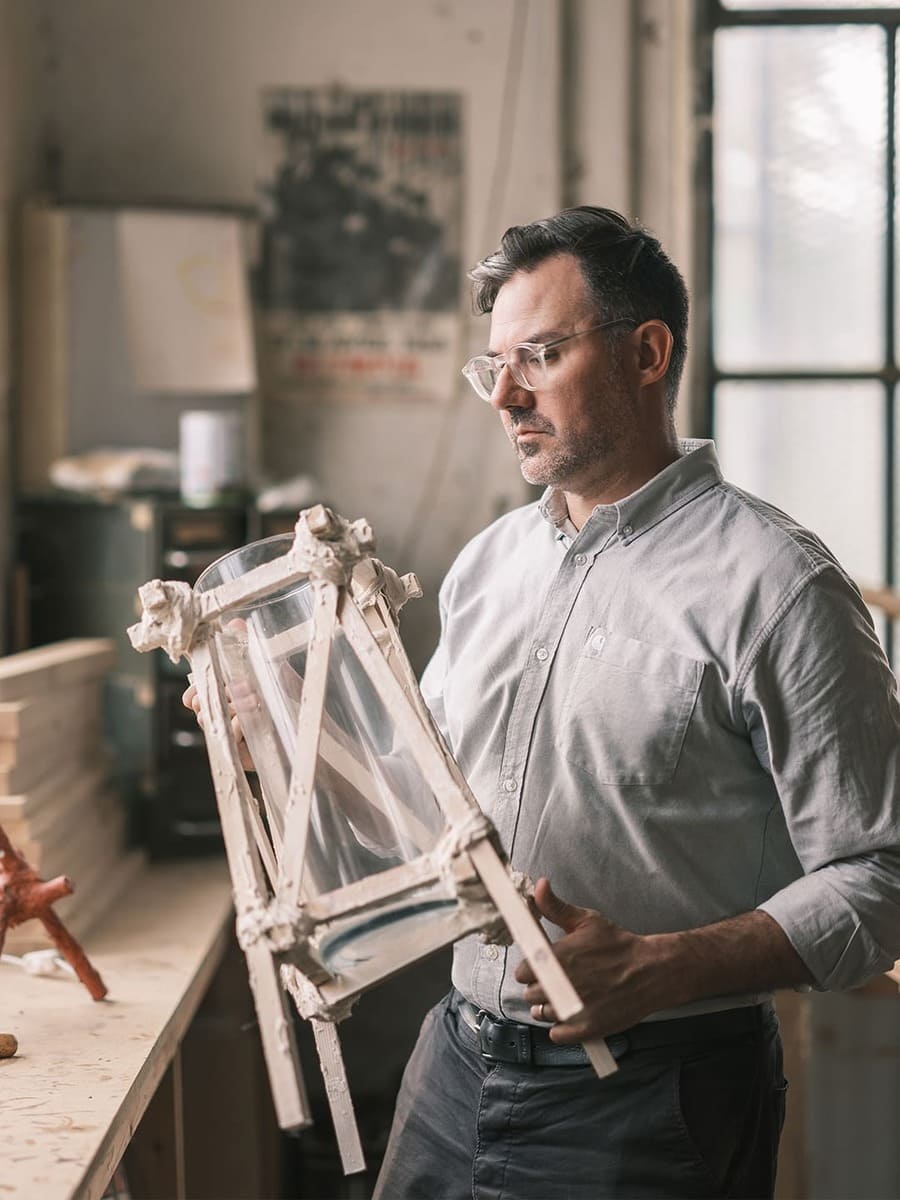
This area is evolving rapidly with the arrival of new subway lines and stations, especially following the 2024 Summer Olympics. However, with that comes the gradual disappearance of industrial spaces. The industries and craftspeople are being pushed out to make room for housing and new development projects. Weâre lucky to be in one of the last industrial buildings still being used for crafts and creative work. The shared wood shop and metal shop allow us to include 1:1 details prototyping as part of our studio's daily practice. We also design and fabricate small- to medium-scale furniture and functional objects or devices as part of our projects, and we can also rely on the other craftspeople.
New ground for small practices
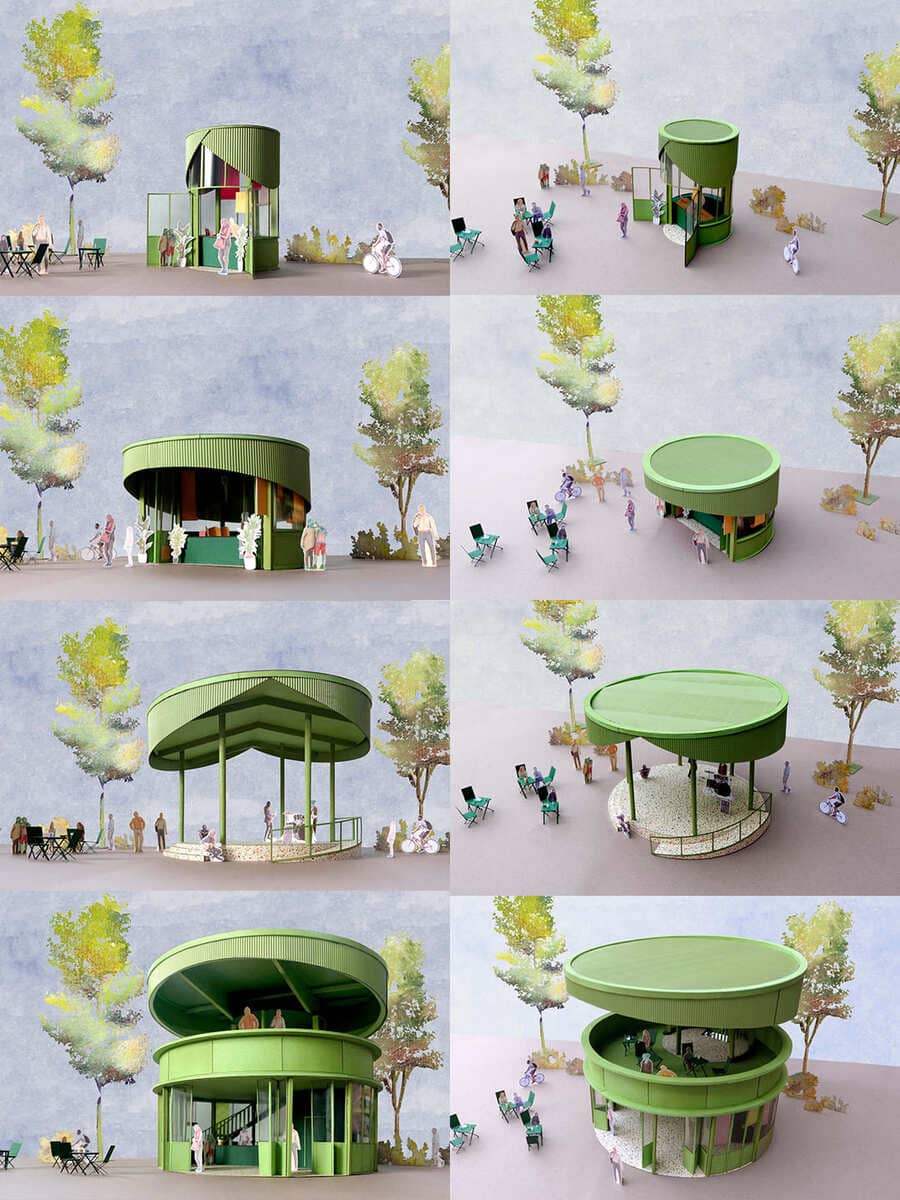
MM: When thinking about the diversity of practices, I see a link between the small-scale offices and the small-scale commissions weâre working on. Big projects are often reserved for larger firms, but the smaller commissions have created opportunities for more intimate and specialised practices like ours. At the moment, we primarily work with public clientsâschools, public spaces, administrative buildings, libraries, and cultural facilities. These institutions are asking new and interesting questions. For example, how can public spaces function with minimal construction? How can we incorporate temporary structures or objects into public spaces? Thereâs a growing need to rethink public spaces as people live in smaller homes and increasingly rely on shared outdoor areas. Public gardens and spaces are becoming everyoneâs backyard, so thereâs a significant demand for quality and thoughtful design in these areas.
Cities are also experimenting more, which aligns with our approach. Theyâre looking to test ideas at an urban scaleâwhat you might call urban acupuncture or prototyping. This involves creating small, experimental projects to test new uses for public spaces. Weâre starting to see new types of commissions emerge, thanks to shifts in the institutions themselves. A new generation of urban planners and city officials are building on the experiments of the past 10 to 15 years.
When I graduated, I started out in a collective with other young practitioners from different fieldsâgraphic designers, video editors, even lawyers. We worked on self-initiated projects and experimental installations in public spaces. This collective, called PZZL (read Puzzle), lasted for about four years. Through it, we explored creative ways to merge art, design, and functionality. By 2015, the collective ended, and I began teaching while continuing to grow my practice. Over the past ten years, weâve developed a focus on public spaces, cultural institutions, and landscapes, working at an intermediate scale between furniture and micro-architecture. Today, we also collaborate with more traditional architecture and landscape firms, contributing to projects that emphasise creativity, innovation, and experimentation.
The design-build approach
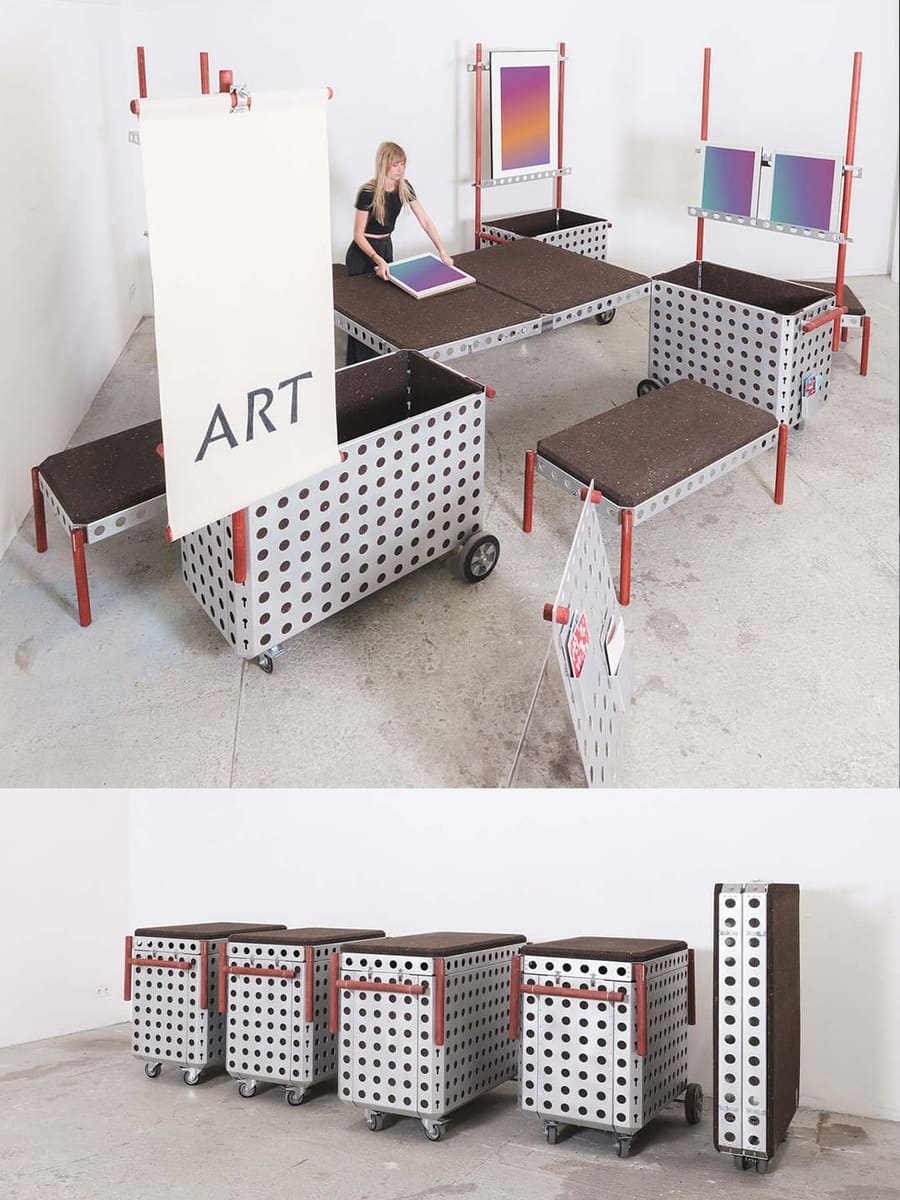
MM: Our commissions usually begin when clients canât find what they need in a âcatalogueâ. Essentially, we address the specific needs that arenât being met. For example, when working on a smaller scale, like with objects, we often explore gaps in available designs to create entirely new typologies. One instance is a furniture project we designed for an art centre, which dealt with a recurring issueâseating kept disappearing from their park. In response, we created large beam-shaped furniture on wheels. These pieces were too big to steal but easy to move around, perfectly meeting their needs. We called it Les poutrelles, meaning âsmall beamsâ. Another example is a recent project titled 1000 PREMIERS JOURS (A Thousand First Days of Newborns). This initiative involved creating a set of carts designed to bring resources from institutions focused on protecting mothers and children to the public realm. These mobile units help institutions connect with diverse communities, especially in areas like La Courneuve, where language and cultural barriers often prevent people from accessing essential services. Through projects like these, we aim to bridge the gap between institutions and underrepresented communities, ensuring access to both medical and cultural resources. Our design-build approach allows us to engage deeply with materials. For smaller-scale projects that fit our workshop, we enjoy not just designing but also constructing. This hands-on process teaches us a lotâabout materials, precision, and responsibility. When youâre the one building, any failure is entirely on you.
Processes over products
MM: We prioritise working with reclaimed, low-carbon, or recycled materials. For public commissions, weâve also embraced research into innovative materials. A recent project in Bordeaux involved creating benches for a high school courtyard. The clientâs focus on low-carbon solutions pushed us to collaborate with Materrup, a company specialising in clay-based concrete with minimal cement. The result was a durable, visually distinctive concrete that met both aesthetic and sustainability goals. Beyond functionality, we think about the lifecycle of the materials we use. For instance, we design objects to be disassembled and repurposedâensuring they can have new lives after their initial purpose. Even a small bench can contribute to a larger vision of sustainability and adaptability.
Another big focus for us is ensuring people understand our process and involving them at every stage of a project. This includes the commissioners, the future users, and the makersâwhether itâs us or contractors. This involvement is crucial to creating successful projects. Our approach is very user-oriented, which is more common in product design than architecture. In architecture, the commissioner is often not the end user, so we work to connect those dots and bring the usersâ perspectives into the process. On a broader level, we rarely create isolated objects. They often consist of systems or families of objects and spaces that interact with each other. These elements respond to one another, creating a coherent whole.
While weâre not aiming for a strong visual statement, we focus more on the protocols and structures behind the designsâhow theyâre developed, how people are involved, and how the final outcomes reflect those processes. This project development process is central to what we do, and we hope itâs visible in the final results.
Scaling up
MM: In terms of the studioâs evolution, weâre only just beginning to explore larger commissions, and part of our goal is to build confidence and stability as we grow. Weâve always approached our work from a slightly unconventional angle, operating at the margins of traditional practiceâbut weâre now looking for ways to expand while remaining true to our values.
One potential direction is expanding into construction. This could involve creating a contracting company alongside our design and architectural work, which would allow us to handle larger projects and provide guarantees within the building industry. Currently, as licensed architects, weâre limited to service-based work, but moving into production could open up new possibilities. This trend of architects starting construction companies is something Iâve noticed among younger professionals in France, particularly those working with natural materials like straw or earth. Theyâre stepping into the construction field to ensure their projects are built the way they envision. Itâs inspiring, though also very demanding, as it requires balancing design, construction, and the legal responsibilities of the building industry. Emerging practices operate in a unique space, navigating the construction and legal fields simultaneously. It offers the potential to create projects under more comfortable and controlled conditions.
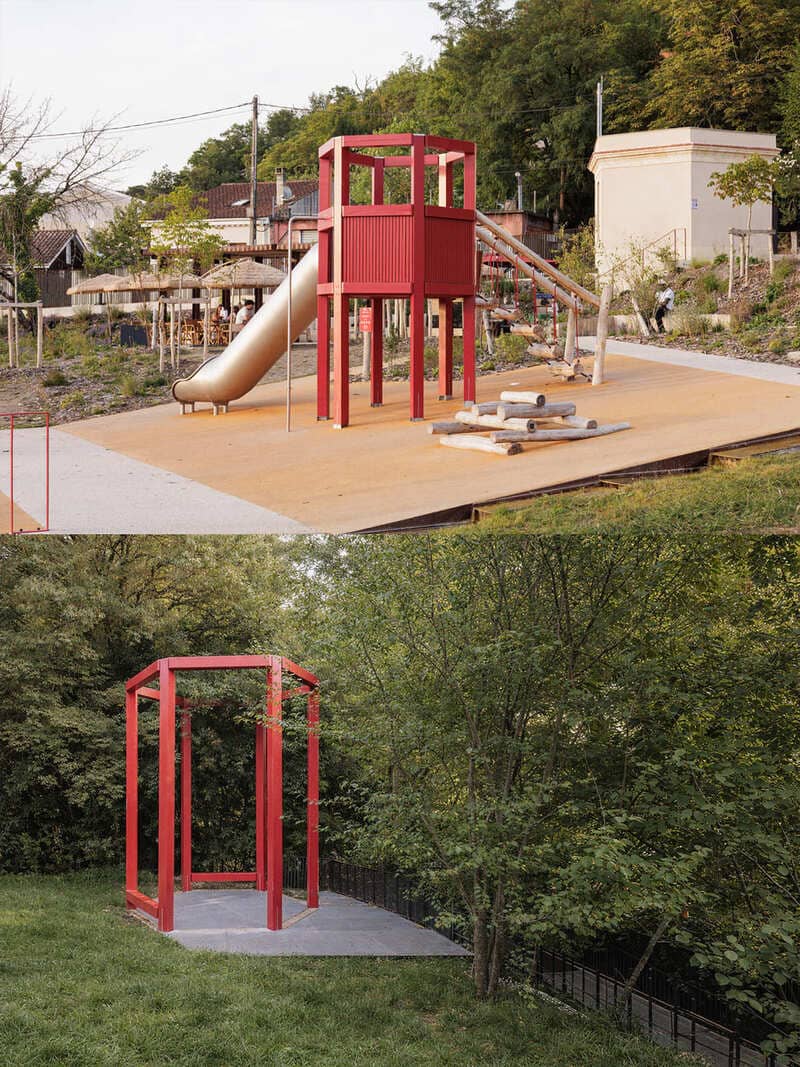
For our studio, partnerships are another key area of growth. Weâve been collaborating with landscape designers, urban planners, and other architecture offices to fill gaps in expertise. These collaborations often focus on areas where we bring a unique skill set, such as furniture design, small-scale constructions, or micro-architectures for public spaces like kiosks and playgrounds. This complementarity between disciplines enriches the work, pushing projects further than either partner might have achieved alone. Whether itâs designing playgrounds, benches, or smaller architectural elements, the dialogue with these partners allows us to expand the scope and impact of our projects.
Design-build in academia
MM: Teaching has been a significant part of my life for the past 10 years. Building is rarely a solitary endeavour; itâs inherently collaborative, and I try to pass this ethos on to my students. Through international workshops like Hello Wood in Hungary and Mood for Wood in Poland, and teaching roles in France at institutions like the Versailles School of Architecture (ENSAV), Iâve been able to merge practical building exercises with pedagogy. One example is a design-build project where 150 students worked on inflatable structures. Despite using the same materials and addressing the same design prompts, the diversity of outcomes was incredible. These experiences teach students not just technical skills but also awarenessâof materials, site conditions, and collaboration.
Currently, Iâm pursuing a practice-led PhD focused on design-build protocols. These protocols explore the interplay between designing, hands-on building, and personal growth. Building isnât just about creating physical structures; it fosters self-awareness, shared values, and even happiness. Additionally, weâve been involved in a large Erasmus+ project called Builder Method. Partnering with institutions like Ăcole SupĂŠrieure du Bois (France), Hello Wood (Hungary), and Szechenyi University Gyor (Hungary), Sapientia Hungarian University of Transylvania, we compiled âthe installation manualâ, featuring 40 design-build projects. This manual, which is available online for free, includes insights from interviews with experts like Sami Rintala and Peter Pozsar. Itâs a collaborative effort to share knowledge and inspire new approaches to design-build activities worldwide.
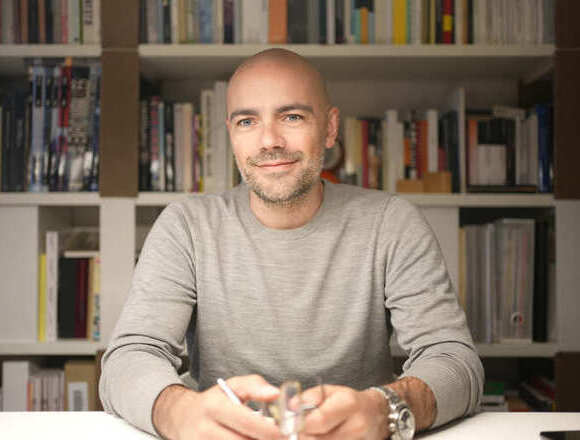
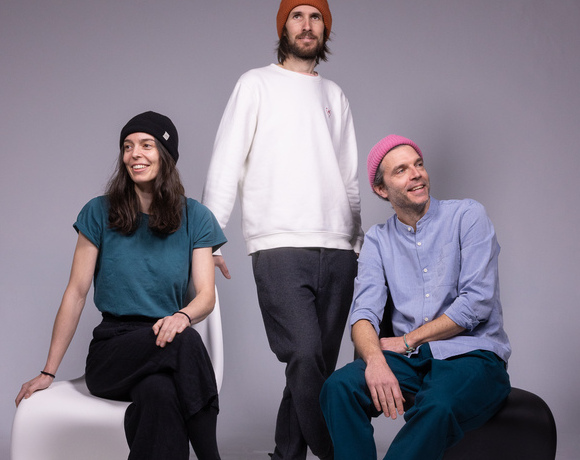
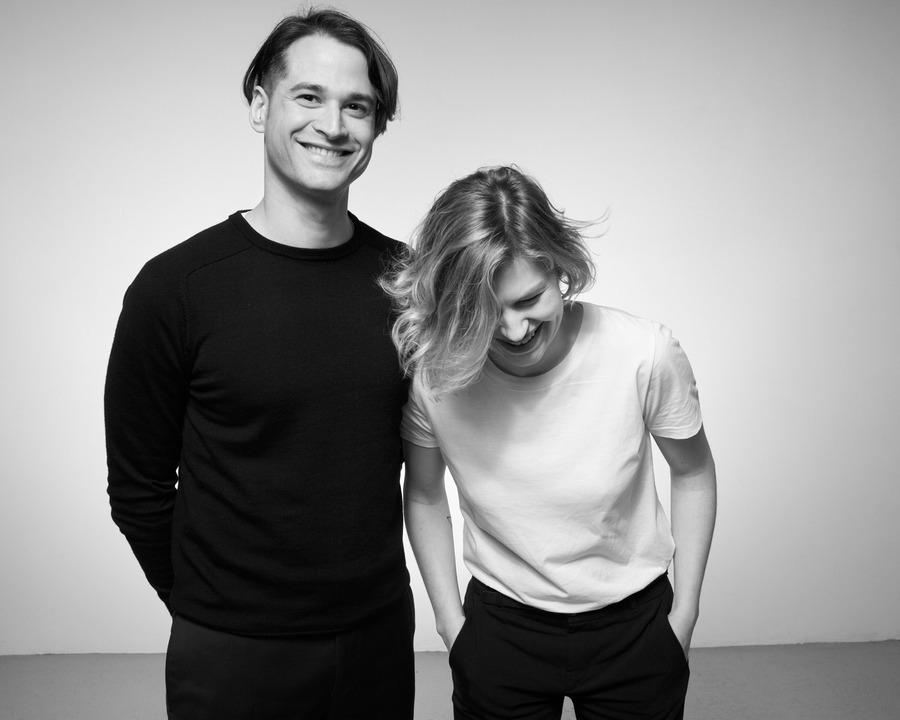
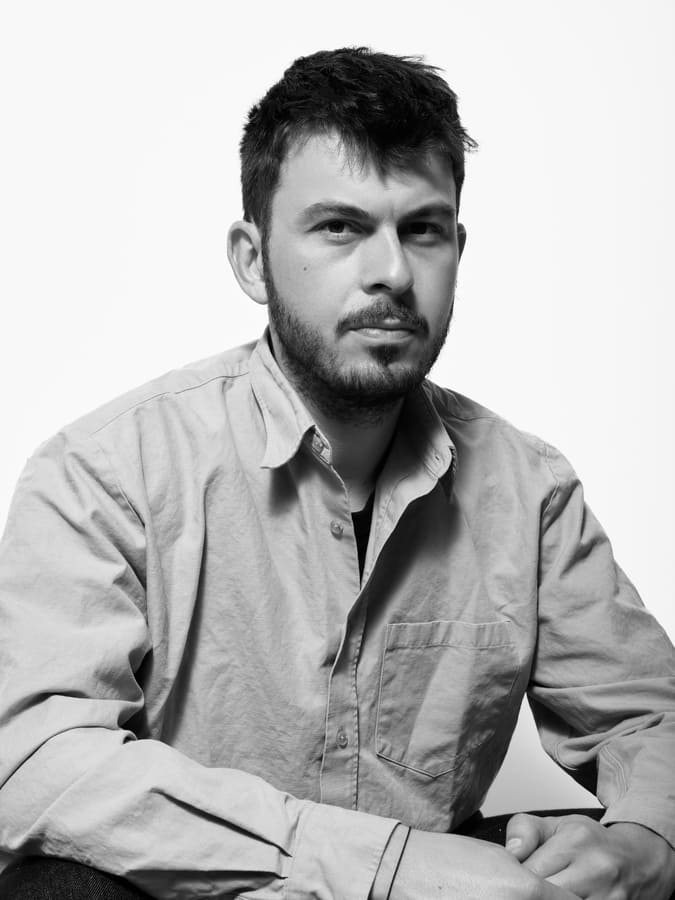
âĄď¸ Martial Marquet. Ph. Florian Bouziges
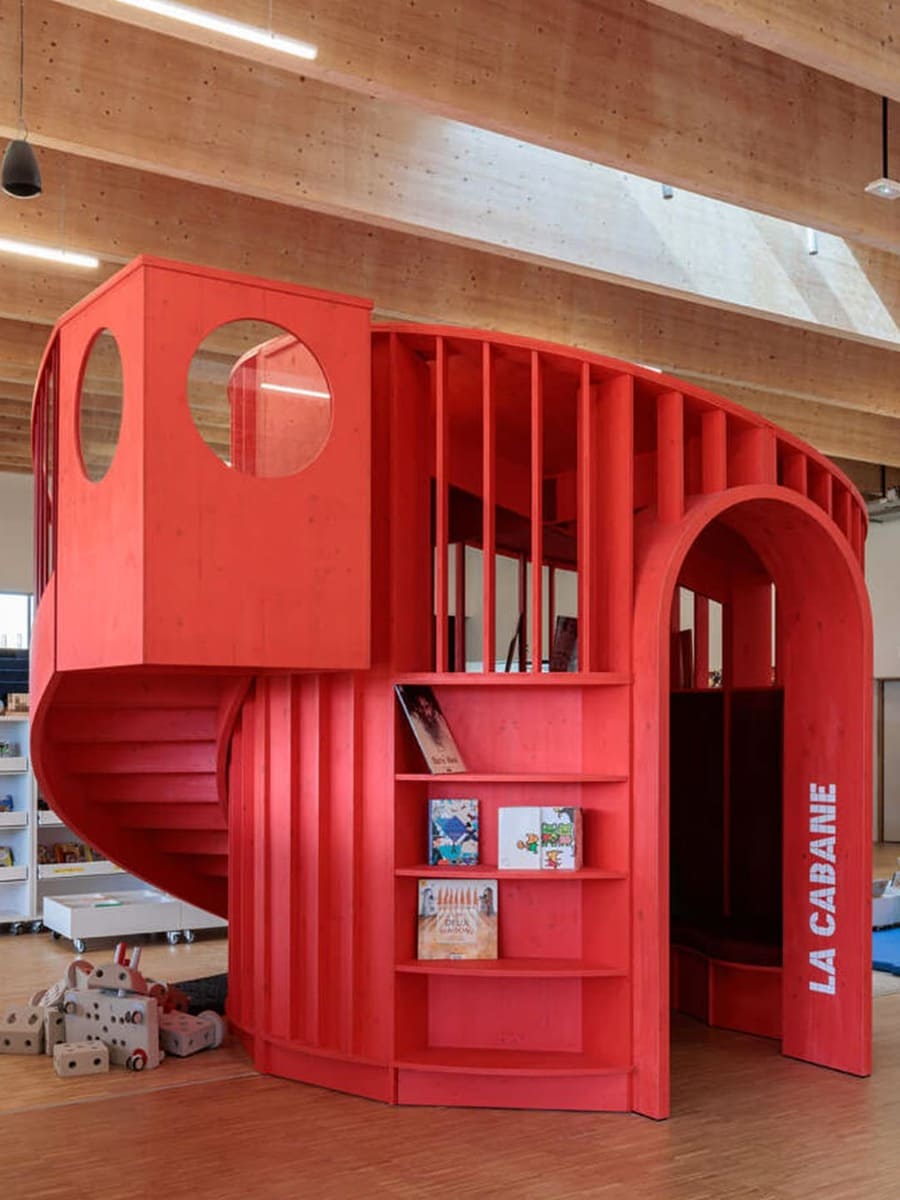
âĄď¸ Micro-architectures. La Cabane, Herblay-sur-Seine. Ph. Salem Mostefaoui
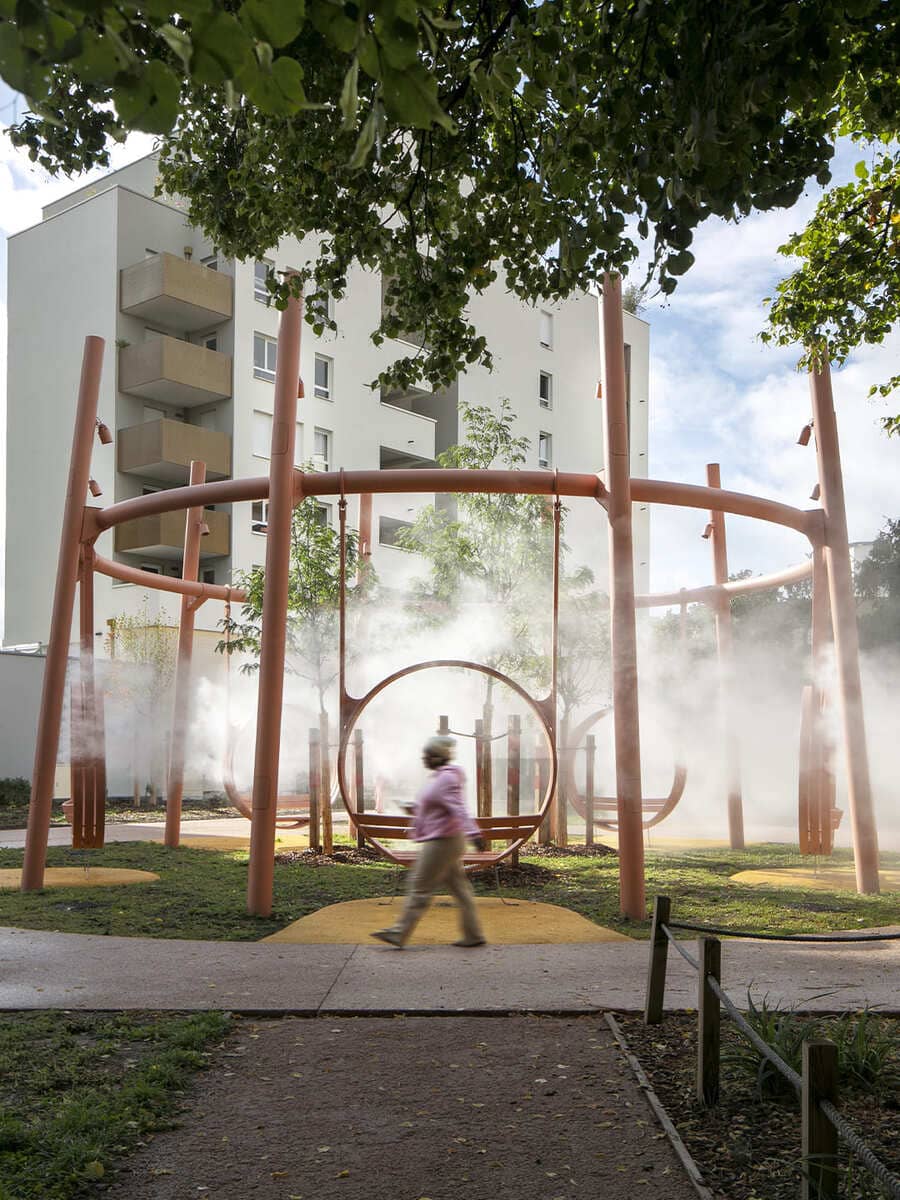
âĄď¸ La Balancelle des Brumes. Urban installation, Clermont-Ferrand. Ph. Edouard Decam
âĄď¸ Kiosks for Boulevard Gabriel Perri, Argenteuil. Ph. Martial Marquet Studio
âĄď¸ Rehabilitation, playground and furniture, Parc de la Mairie, Cenon. Ph. Ivan Mathie
âĄď¸ Artotheque Mobile. Mobile art library. Ph. Florian Bouziges